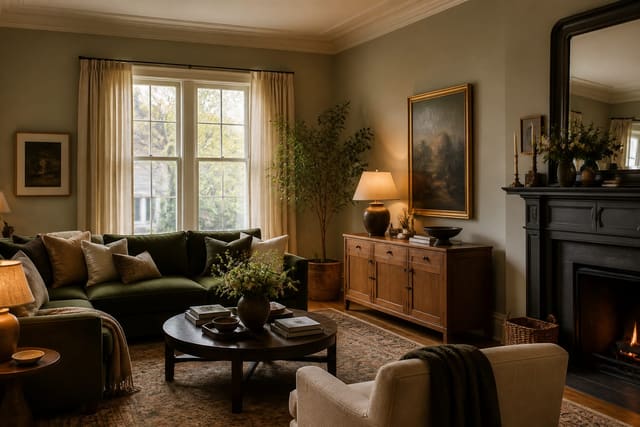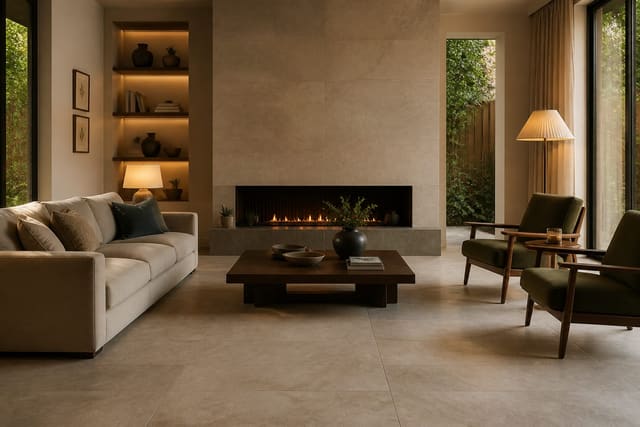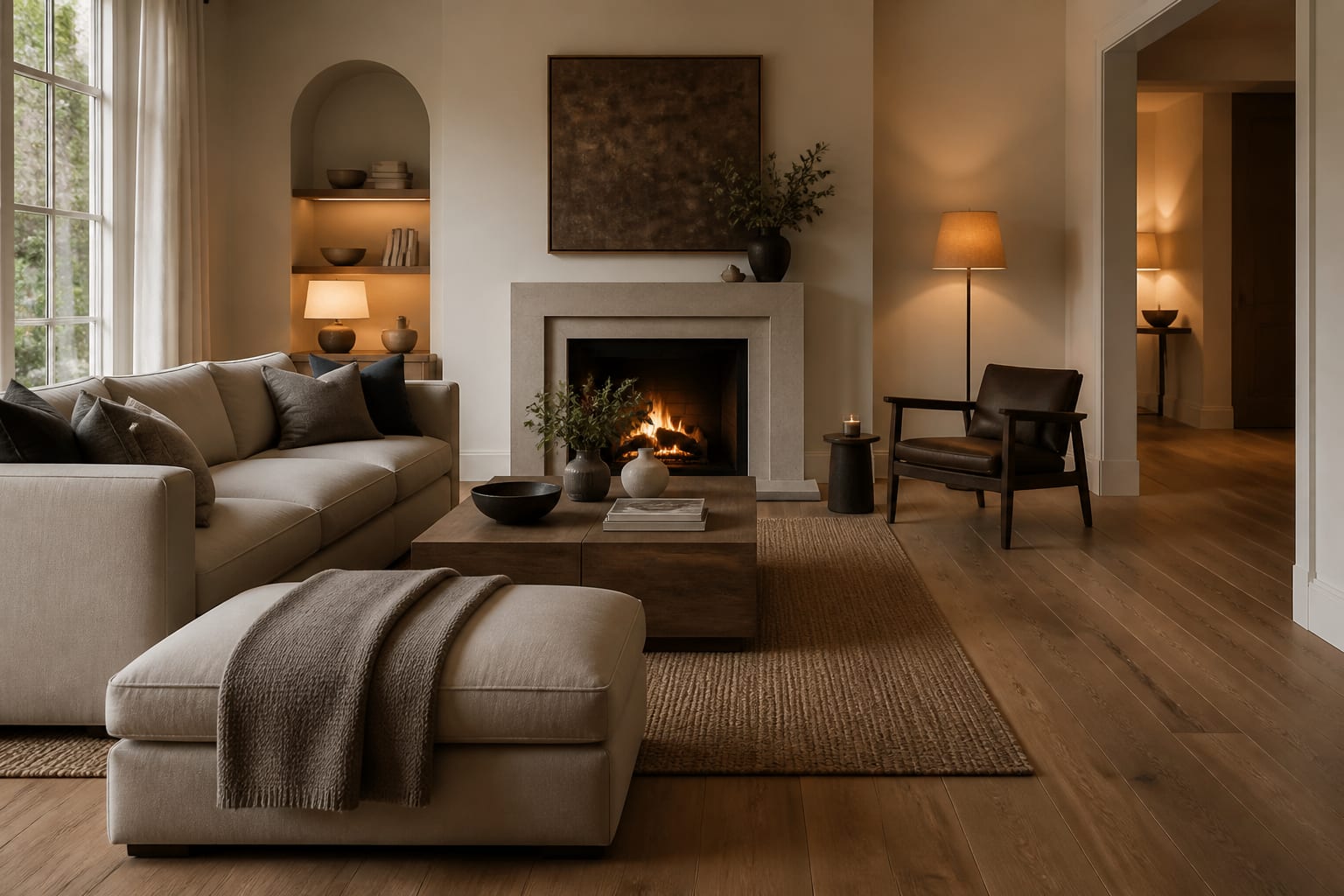
Picking flooring by looks alone is how people end up with hardwood buckling in a bathroom or cold tile underfoot in a bedroom. The smarter approach is to match each material to the room's moisture, traffic, and comfort demands first, then choose a color and pattern within that shortlist. Hardwood, luxury vinyl plank, and tile each win decisively in some rooms and lose badly in others, and the price gap between them is wide enough that the wrong choice is expensive twice: once to install and again to replace. This guide compares the three on cost, durability, and best use so you can spend where it counts.
How the three flooring types compare
- Choose hardwood when resale warmth and the option to sand and refinish outweigh the need for waterproofing.
- Choose luxury vinyl plank when budget, full water resistance, and a forgiving floating install lead the brief.
- Choose tile when durability and moisture top the list, as in bathrooms, mudrooms, laundry rooms, and entries.
- Split materials by zone rather than forcing one floor to serve both a wet bathroom and a cozy carpeted bedroom.
The fastest way to weigh these materials is side by side, because each metric pulls you toward a different room. Cost sets the budget, durability sets the lifespan, and water resistance often makes the decision for you in kitchens and baths. The table below uses installed prices, which include material and labor, since bare material cost hides half the real number.
| Flooring | Cost/sq ft installed | Durability | Water resistance | Best Rooms | | --- | --- | --- | --- | --- | | Hardwood | $8-15 | High, refinishable | Low | Living rooms, bedrooms, dining | | Luxury vinyl plank | $3-7 | High, dent-prone | Waterproof | Kitchens, basements, whole home | | Tile | $7-20 | Very high | Water-resistant | Bathrooms, entries, kitchens |
Read the table as a starting filter, not a verdict. Hardwood's high durability comes with a refinishing superpower the others lack, but its low water resistance disqualifies it from bathrooms. LVP's waterproof core makes it the safe default for risk-prone rooms, though heavy furniture and grit can dent its wear layer over time. Tile is the toughest surface of the three and the most water-resistant, but its hardness and cold feel push it out of bedrooms for most people. The right whole-home plan usually mixes at least two of these rather than forcing one everywhere.
If you are weighing finishes elsewhere in the project, the same head-to-head logic applies to paint, as in our Sherwin-Williams vs Benjamin Moore breakdown.
Hardwood: where it wins and where it fails
Hardwood is the comfort-and-resale champion, and it earns that reputation in the dry, central rooms of a home. In living rooms, bedrooms, and formal dining areas, solid or engineered wood brings warmth underfoot, a quiet step, and a look buyers consistently pay more for. The standout advantage is longevity through refinishing: a 3/4-inch solid floor can be sanded and refinished 4 to 6 times across its life, which can stretch past 50 years, so a single floor outlasts several replacements of any other material.
The failures are about water and wear. Standing water from a dishwasher leak or a bathtub overflow swells and cups wood planks, and humidity swings make solid wood expand and contract, so bathrooms and below-grade basements are off the table for solid hardwood. Engineered wood, with its plywood core and a thin 2 to 4 mm wear veneer, tolerates humidity better and suits some kitchens, but it still dislikes pooled water. Expect to pay $8 to $15 per square foot installed for either, more for wide planks or exotic species, and budget for area rugs in high-traffic paths to spare the finish.
Luxury vinyl plank: the forgiving all-rounder
Luxury vinyl plank is the material that solves the most problems for the least money, which is why it has taken over so many remodels. At roughly $3 to $7 per square foot installed, it is the budget pick of the three, and its fully waterproof construction means you can run it confidently through kitchens, mudrooms, laundry rooms, and basements where hardwood would fail. A quality LVP carries a 12 to 20 mil wear layer; the thicker the wear layer, the better it shrugs off scratches from pets, kids, and grit, so do not buy on price alone below about 12 mil.
The trade-offs are real but narrow. LVP can dent under sharp, concentrated loads like a dropped knife or a heavy appliance leg, and very cheap planks can show a hollow, plasticky feel and an obvious repeat pattern. It also adds little resale prestige compared with real wood. But for a household with pets, children, or a flood-prone basement, the click-lock floating installation, the waterproof core, and the convincing wood and stone looks make LVP the most rational whole-home default. It is the floor you choose when you want one material to handle nearly every room without worry.
Tile: toughest and most water-proof
Tile is the heavy-duty specialist, unbeatable where water and abuse are constant. Porcelain and ceramic tile resist water, scratches, and stains better than anything else here, which makes them the obvious answer for bathrooms, entryways, mudrooms, and many kitchens. A well-installed tile floor with sealed grout can last decades, and porcelain in particular is dense and hard enough to take a beating without showing it. Installed costs run $7 to $20 per square foot, with the spread driven by tile choice, pattern complexity, and labor for intricate layouts.
The downsides are comfort and installation. Tile is hard and cold underfoot, which is unpleasant in a bedroom and tiring in a kitchen where you stand for long stretches, though in-floor radiant heat or a cushioned mat softens both. Grout lines need sealing and occasional cleaning to stay crisp, and a dropped glass shatters on impact. The difference between porcelain and ceramic matters for wet and high-traffic zones, where porcelain's lower water absorption wins; our porcelain vs ceramic tile comparison digs into that choice. For a durable, water-proof floor in the rooms that punish flooring hardest, tile remains the standard.
See it first in Re-Design
Flooring covers more surface than any other finish in a room, so a sample chip rarely tells the full story. Upload a photo of your kitchen, bathroom, or living room into Re-Design and re-design the floor with wide-plank hardwood, a waterproof LVP in oak, or a large-format porcelain tile, then judge how each material's color and scale read against your cabinets, walls, and light. You can compare a warm wood against a cool gray tile in the same room in seconds, test a herringbone layout versus straight planks, and settle the look before you order pallets of flooring you cannot send back.
Frequently Asked Questions
What is the cheapest durable flooring for a whole house?
Luxury vinyl plank, at about $3 to $7 per square foot installed, offers the best balance of low cost and durability across most rooms. It is waterproof, handles pets and kids, and installs as a floating click-lock floor. Choose a wear layer of at least 12 mil so it resists scratches and lasts.
Can I put hardwood in a bathroom or basement?
Solid hardwood is a poor choice for both because standing water and humidity cause cupping and swelling. Engineered wood tolerates humidity better and can work in some powder rooms, but for full baths and below-grade basements, waterproof LVP or tile is the safer, longer-lasting pick.
Is tile or LVP better for a kitchen?
Both work, and the choice comes down to comfort versus toughness. Tile is more durable and fully water-resistant but hard and cold underfoot during long cooking sessions. LVP is softer, warmer, quieter, and cheaper, with a waterproof core that handles spills, making it the more comfortable everyday kitchen floor.
Which flooring adds the most resale value?
Hardwood, consistently. Buyers pay a premium for real wood in living rooms and bedrooms, and a solid floor can be refinished 4 to 6 times over its life, so it ages gracefully. Tile holds value well in baths and entries, while LVP is valued more for function than prestige.