AI can produce convincing art deco interior design concepts from a single room photo, but only when the prompt specifies structure first: geometry, contrast, scale, and lighting, then shine. Feed it vague requests for "glamour" and it defaults to gold-on-everything. Guide it with real design rules and it respects your ceiling height, floors, and furniture while testing the dramatic parts.
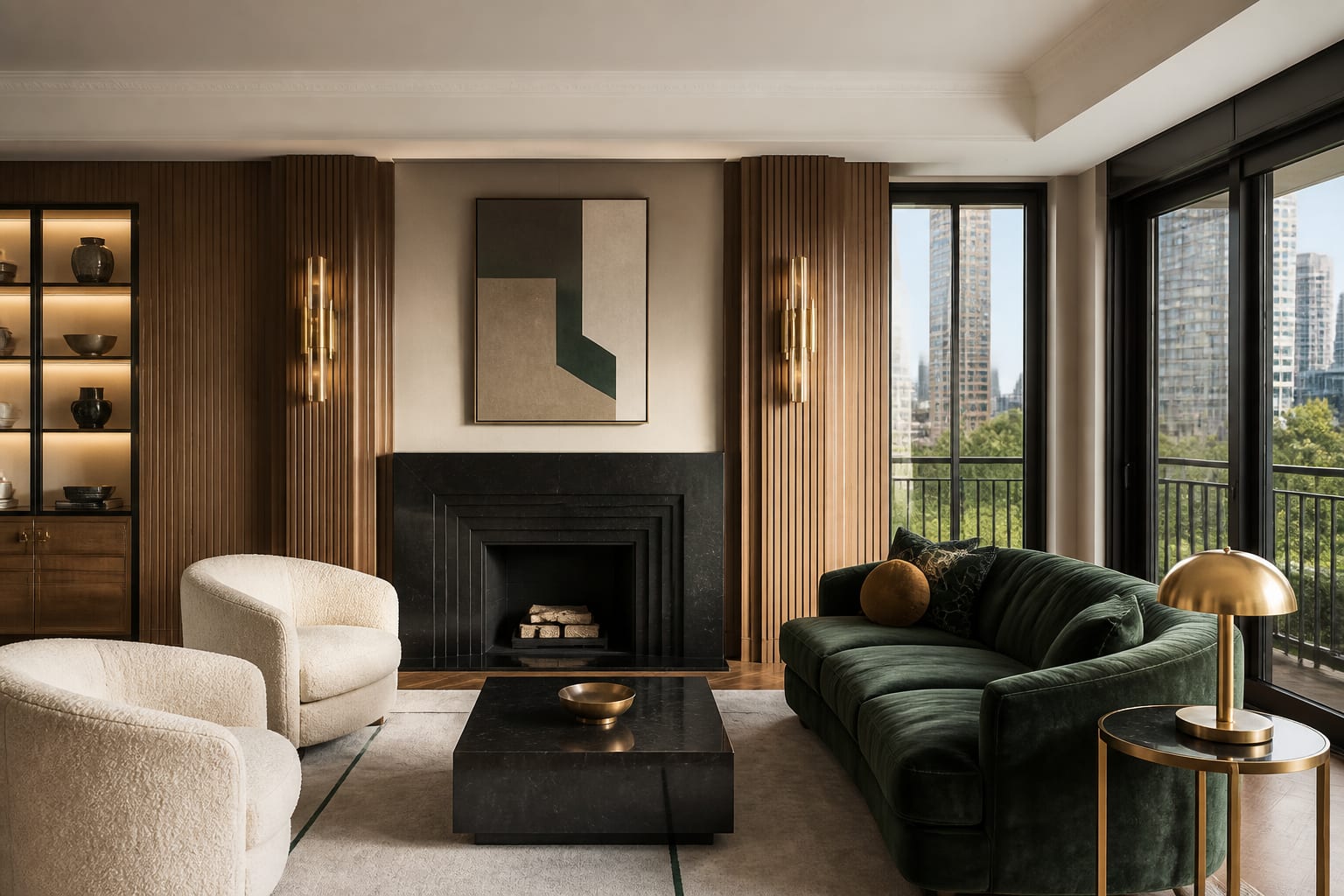
How well can AI handle Art Deco glamour?
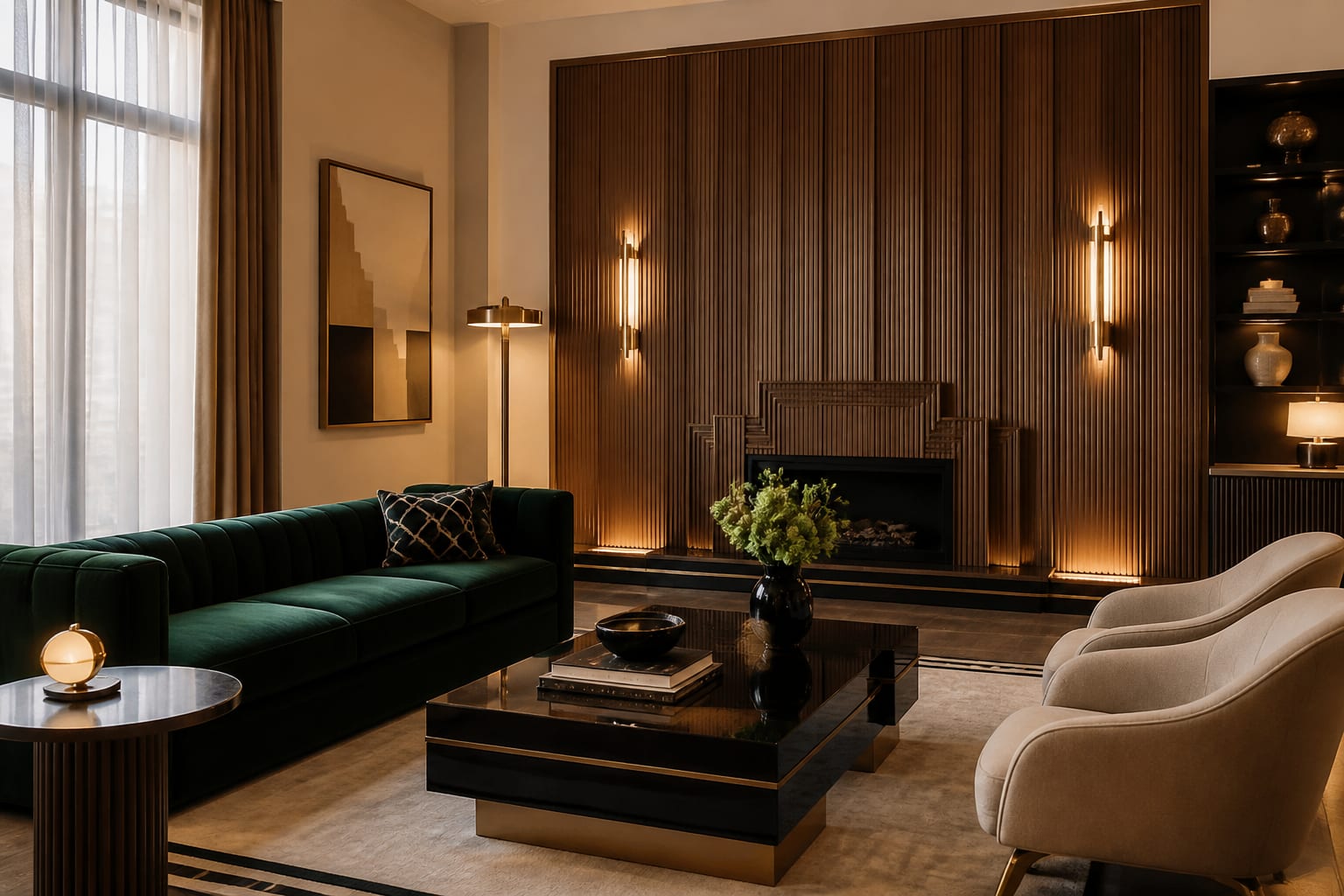
AI recognizes the style's core cues well: brass, black lacquer, velvet, sunburst mirrors, scalloped chairs, geometric rugs, marble, and fluted panels. It produces strong first concepts fast in living rooms, bedrooms, dining rooms, bars, powder rooms, and entryways. Where it struggles is restraint: a vague prompt can turn one room into gold trim on every edge and mirrored furniture under every lamp. Good Art Deco is architectural, built from repeated lines and one or two glamorous finishes placed where they matter.
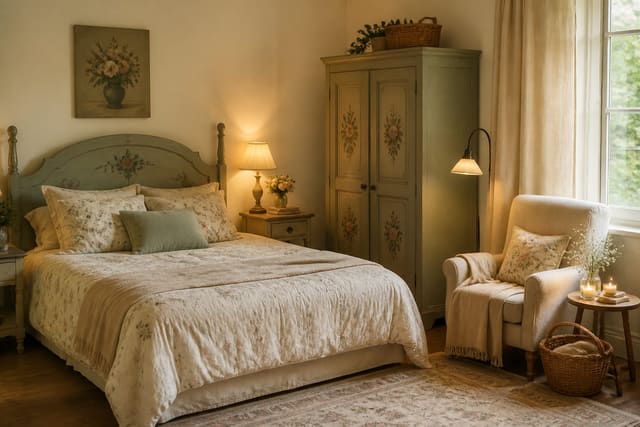
If your taste leans romantic or aged rather than polished, compare the preview against [AI cottagecore room design](https://www.re-design.app/articles/ai-cottagecore-room-design). Cottagecore softens through patina and textiles; Art Deco sharpens through geometry and contrast, so mixing the two languages produces a room with floral nostalgia on one wall and glossy fan motifs on another.
Which Art Deco moves are worth previewing first?
Big shapes announce Art Deco before accessories do, so test these first:
- Geometric rug as floor anchor. Try 8x10 in a living room, or 9x12 if front legs need to land on the rug by at least 6 inches.
- One fluted or ribbed surface. A fluted media cabinet, ribbed glass lamp, or 14-to-18-inch-deep reeded console adds tailored texture without trimming every wall.
- One jewel-tone fabric in the lead role. Emerald chairs, oxblood pillows, or a tobacco velvet bench carry the mood alone.
- Metal as punctuation, not wallpaper. Use brass or chrome on lamp stems, pulls, or table bases; keep surrounding surfaces matte or textured.
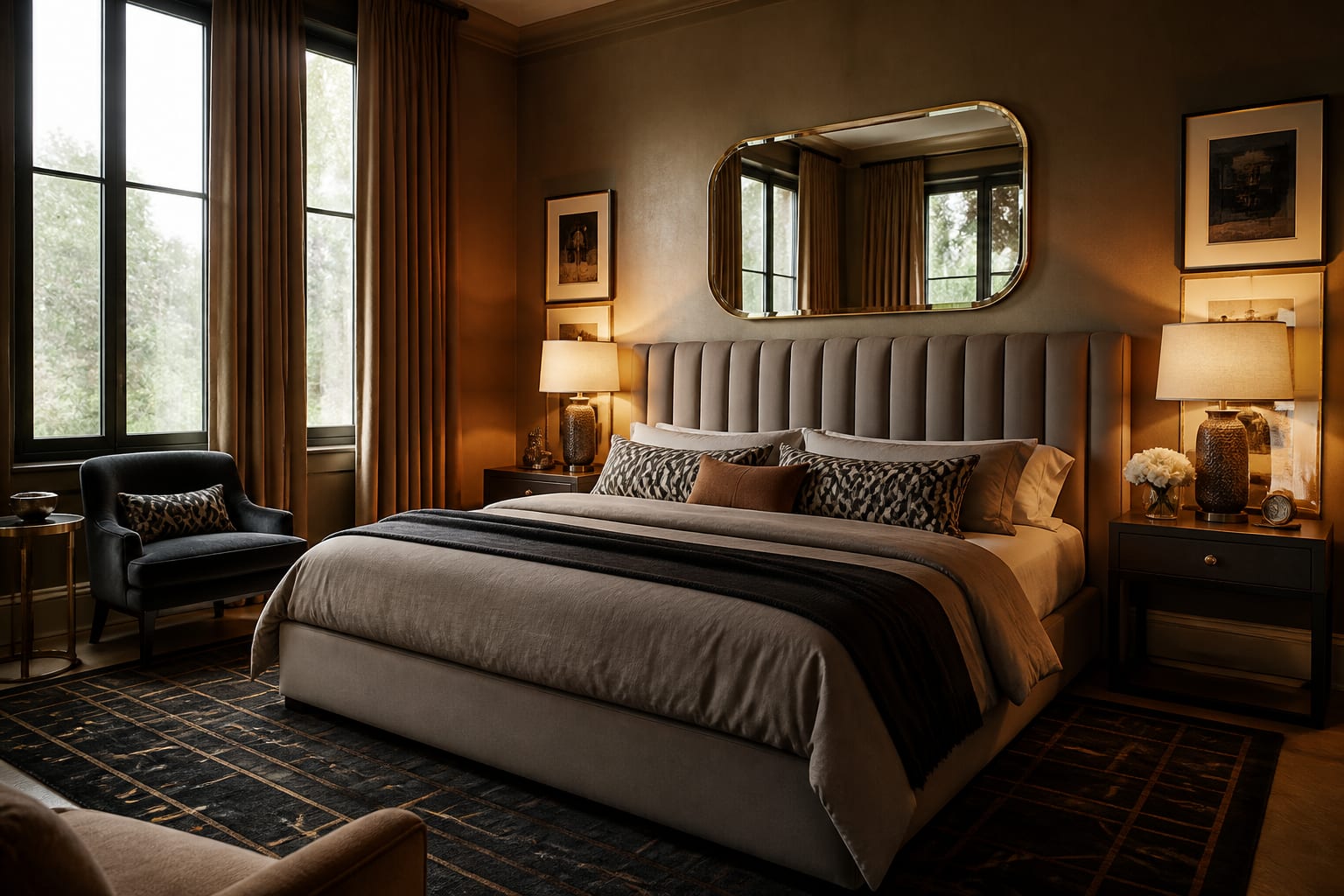
- A stepped or arched silhouette. Test a 54-to-60-inch arched headboard, a stepped mirror, or a waterfall-edge console.
- One darkened plane. A black fireplace wall, deep plum dining room, or walnut cabinet gives brass and mirror something to push against.
Pick one pattern, one shine, one curve, one dark note. That combination reads more expensive than a room full of matching gold pieces. If the preview turns too sweet, check it against AI cottagecore room design or AI French country design ideas; both use romance and age, while Art Deco needs sharper geometry and cleaner symmetry.
How does the approach change by room?
| Room | Where the style should live | Key numbers |
|---|---|---|
| Living room | Rug, lighting, largest case piece | 16-18 in. between sofa and coffee table |
| Bedroom | Headboard, nightstand lamps | 54-60 in. headboard, 24-30 in. nightstands, ~2700K bulbs |
| Dining room | Table, pendant, chair backs | 42-48 in. round table or 72 in. rectangular with real chair clearance |
| Entry / powder room | Floor pattern, vanity, sconce | Boldest version works here; keep door swing and towel reach clear |
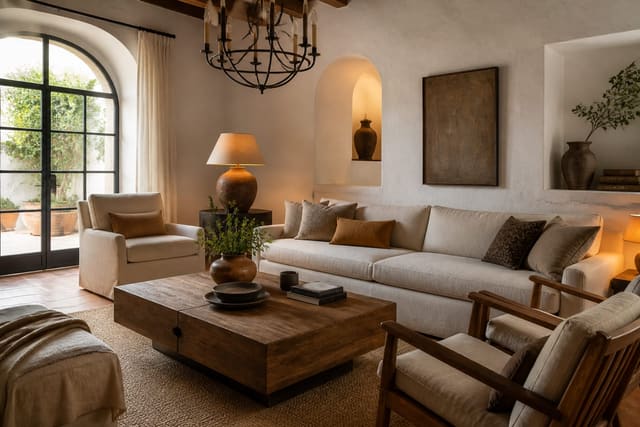
If a dining room concept drifts toward rustic iron and pale limestone, compare it against [AI Mediterranean design examples](https://www.re-design.app/articles/ai-mediterranean-design) to keep the Deco precision intact.
What mistakes make an AI Art Deco room look themed instead of designed?
- Gold as a substitute for design. Gold legs, frames, lamps, and hardware flatten a room; balance metal with black, walnut, cream, or velvet.
- Invented architecture. Tall arched windows and marble fireplaces look convincing in a render; if your room has an 8-foot ceiling and vinyl windows, ask the tool to keep those facts and solve the style through furniture and lighting instead.
- Overdone symmetry. Pairing every lamp, chair, and frame reads rigid; reserve symmetry for the strongest wall and let smaller objects loosen the room.
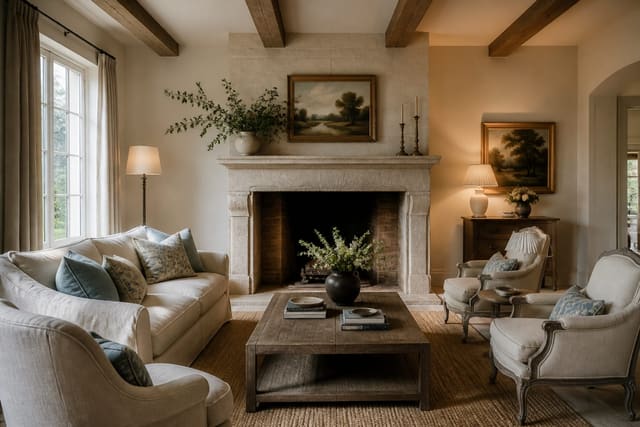
- Confusing French elegance with Deco drama. If the AI keeps proposing faded linen and carved wood instead of clean geometry, compare it with [AI French country design ideas](https://www.re-design.app/articles/ai-french-country-design) and pick the mood you actually want.
- Forgetting warm lamps. Art Deco falls apart under cold ceiling light; use ~2700K bulbs in living rooms and bedrooms, and reserve clearer 3000K for vanities or bars.
How do I write a prompt that previews Art Deco before I commit?
Photograph the room from the doorway or main sightline, keeping the floor, ceiling, windows, doors, outlets, and existing furniture visible. Those imperfect details decide whether the fantasy becomes a livable room.
- Living room example: "Redesign this room in restrained Art Deco while keeping the existing 8-foot ceiling, oak floor, window size, and current sofa; add an 8x10 black-and-cream geometric rug, fluted media cabinet, brass shaded lamps, walnut and black accents, one velvet chair, warm 2700K lighting, and no invented fireplace."
- Bedroom example: "Create an Art Deco bedroom with the existing wall color and window location, a 56-inch channel-tufted headboard, 28-inch nightstands, arched mirror, full-length curtains, brass sconces, dark wood, and no change to ceiling height."
- Run a restrained version, a darker version (black, oxblood, aubergine), and a lighter cream-and-brass version. The winning preview still looks good against your real floor color, window trim, and evening lighting.
How do I turn the winning AI concept into a real room?
Translate the image into five decisions: main geometry, dark contrast, metal finish, tactile fabric, and lighting plan. Solve the largest pieces first, since a sofa, rug, or table sets proportion before accessories matter. If the render shows a curved sofa that blocks the walkway, keep the curve idea but choose a smaller barrel chair instead.
For renters, the most convincing moves are reversible: plug-in sconces, a geometric rug, velvet pillows, a dark-painted bookcase you already own, brass lamps, and full-height curtains. Owners can go bigger with wall paneling, arched interior openings, patterned tile, or a lacquered vanity. The strongest AI art deco interior design preview shows exactly where the drama belongs and which single glamorous detail is worth paying for.
Frequently Asked Questions
Is AI Art Deco design accurate for real rooms?
Yes, if you tell it to keep your real ceiling height, window size, floor color, and existing furniture. Left unguided, AI often invents architecture like tall arches or marble fireplaces that don't exist in your space, so specify those constraints directly in the prompt.
How do I keep AI from making my room look like a hotel lobby?
Limit the glamour to one pattern, one shine, one curve, and one dark note per room. Overloading a prompt with gold, mirror, and velvet everywhere produces a themed, impersonal result instead of a tailored one.
What Art Deco furniture works best for renters?
Reversible pieces work best: plug-in brass sconces, a geometric rug, velvet pillows, full-height curtains, and a dark-painted bookcase you already own. These add contrast and shine without altering walls or fixtures.
How much geometry is too much for a starter Art Deco room?
One strong geometric move per room is usually enough to start: a patterned rug, a fluted cabinet, or an arched headboard. Adding geometry to every surface at once tends to feel busy rather than glamorous.
Can I mix Art Deco with other styles like French country?
Mixing is possible but risky, since French country relies on softness and patina while Art Deco relies on sharp geometry and contrast. If your AI preview keeps blending faded linen with fan motifs, decide which mood leads and compare it against [AI French country design ideas](https://www.re-design.app/articles/ai-french-country-design) before finalizing.
Related Articles
- [AI Cottagecore Room Design](https://www.re-design.app/articles/ai-cottagecore-room-design)
- [AI French Country Design Ideas](https://www.re-design.app/articles/ai-french-country-design)
- [AI Mediterranean Design Examples](https://www.re-design.app/articles/ai-mediterranean-design)