AI cottagecore room design works best when the prompt specifies age and restraint, not just flowers. The algorithm renders painted wood, linen, florals, and soft light convincingly, but it easily overdoes pattern. Naming one lead print, real furniture dimensions, and existing room flaws keeps the AI-generated cottagecore room romantic instead of costume-like.
How well does AI reproduce cottagecore style?
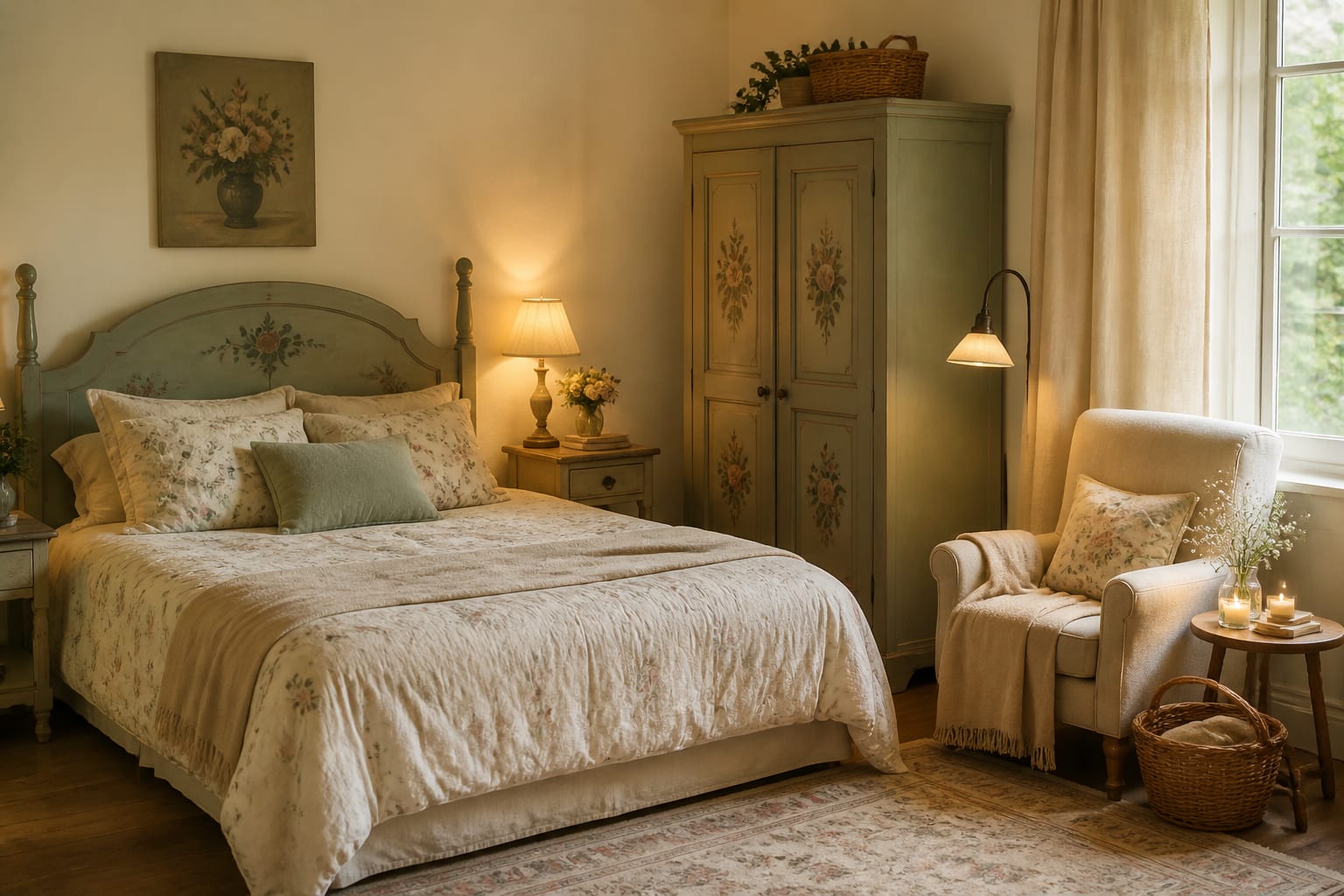
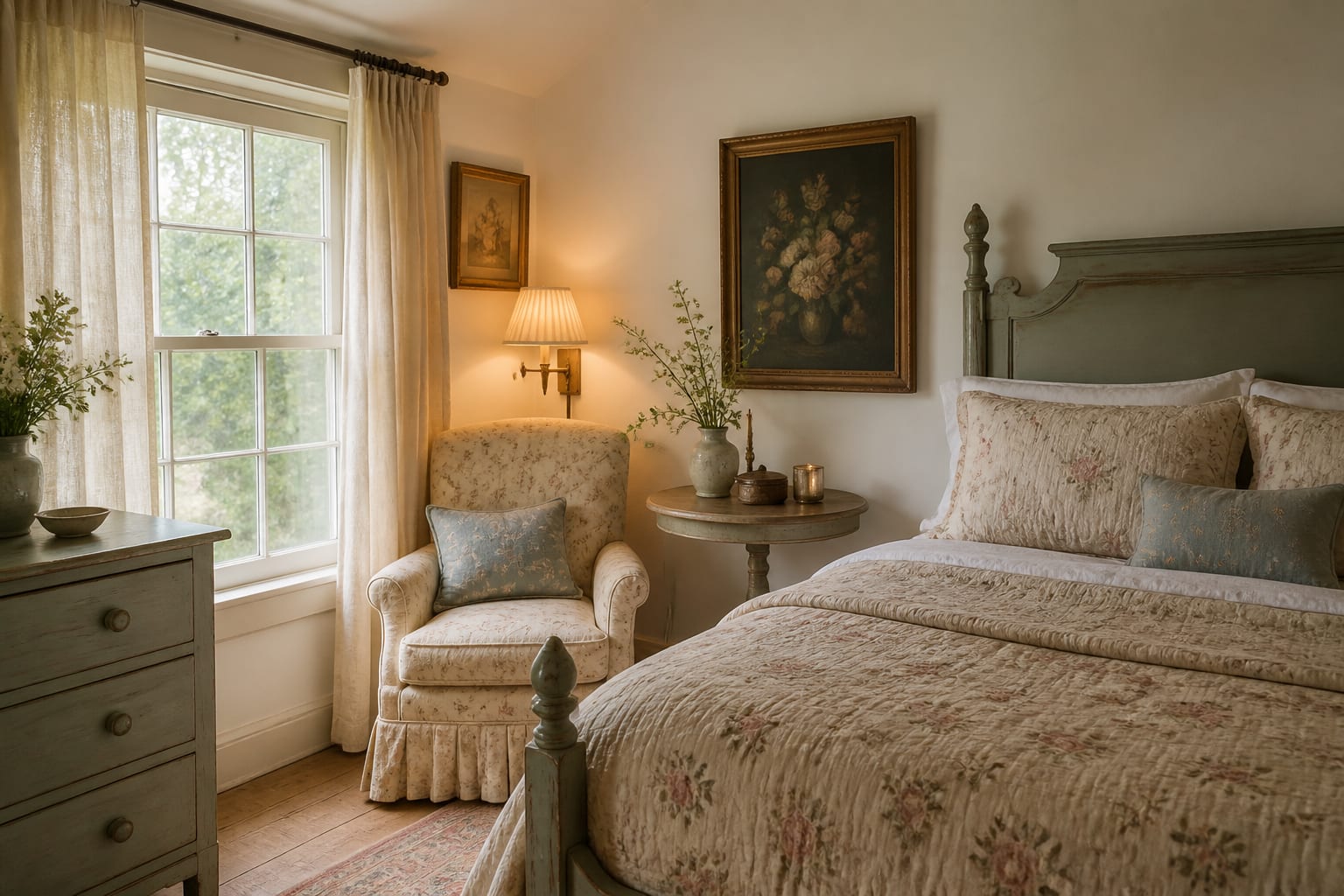
AI reproduces cottagecore well when given material age, pattern hierarchy, and real room limits instead of a vague "cozy cottage" request. It recognizes the vocabulary easily: floral wallpaper, vintage beds, skirted tables, painted dressers, gingham, and quilts, which is enough for an appealing first image in bedrooms, reading corners, and small living rooms.
The risk is over-decoration, since cottagecore has so many visible cues. A real room might pair one faded rose fabric with a chipped pine table; a weak render adds floral walls, bedding, curtains, and lampshades plus ten bouquets. That is pattern noise, not cottagecore.
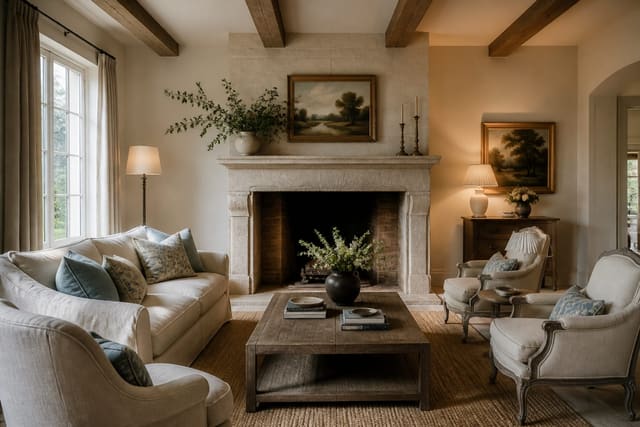
Give the room an age story instead. Try: "soft cottagecore bedroom with existing oak floor, 8-foot ceiling, cream painted dresser, iron bed, faded block-print quilt, linen curtains, warm 2700K lamps, and one botanical wallpaper wall." For a firmer take on rustic warmth, compare results with AI French country design ideas, which handles antiques and muted elegance more strictly.
Which cottagecore choices matter most?
Start with the pieces that soften the room from the doorway. Tiny accessories photograph well but rarely fix a room with the wrong bed, rug, light, or storage.
- Painted wood anchor: a 36-inch dresser, 48-inch desk, or 60-inch sideboard in cream, sage, or butter yellow gives history without covering every wall in pattern.
- One serious textile pattern: faded roses on bedding, a botanical curtain, or a small check on cushions, backed by linen, muslin, or wool solids.
- Room-scale rug: 8-by-10 in a living room with at least the front chair legs on it; in a bedroom, 18 to 24 inches beyond the bed sides.
- Warm lighting: 2700K bulbs in shaded lamps or a pleated floor lamp so wood tones and florals read as mellow, not staged.
- One garden reference: a botanical print, dried herb bundle, or checked café curtain beats plants on every surface.
- A protected work surface: at least 24 inches of clear tabletop for books, tea, or keys.
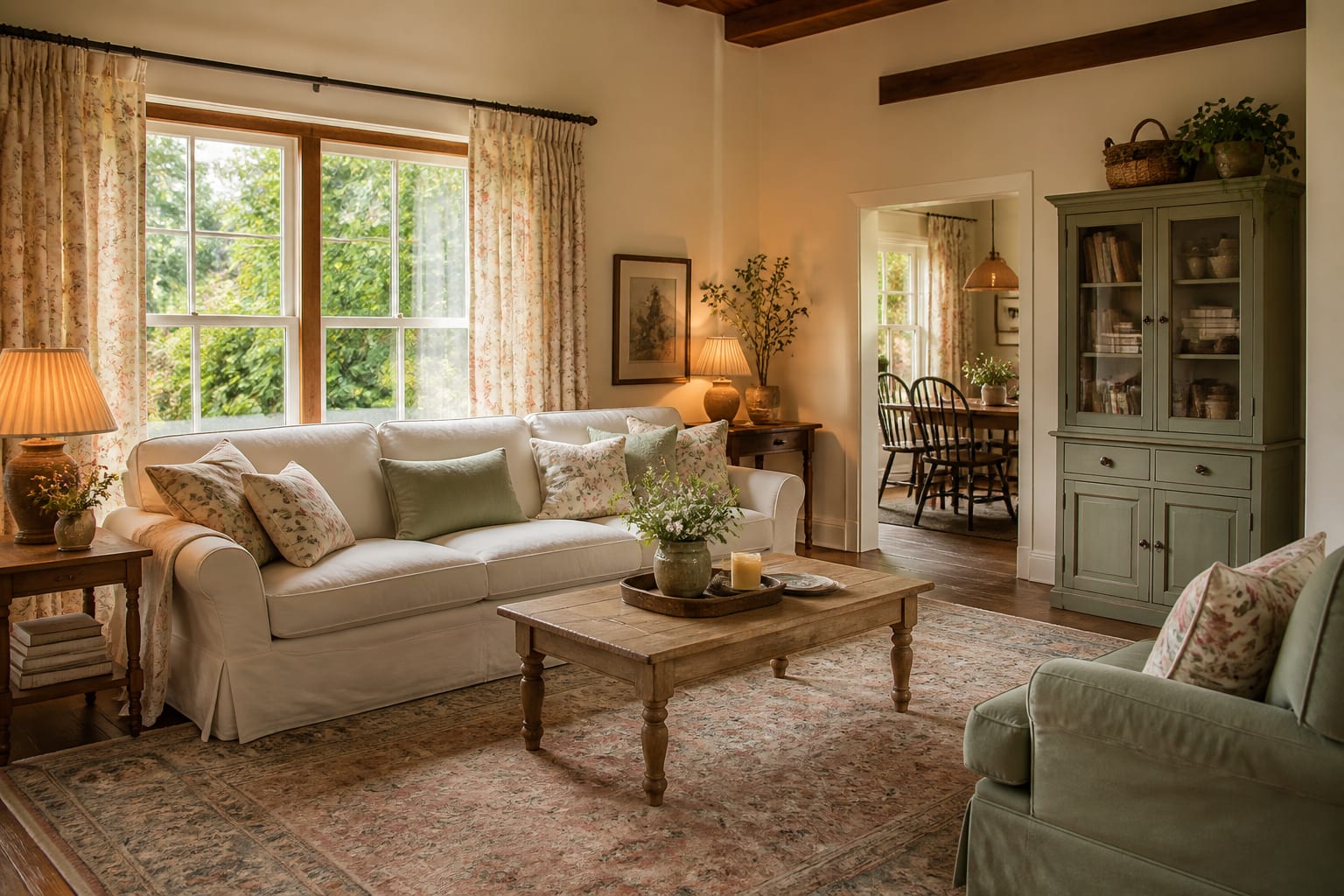
Use the first preview round to separate charm from clutter: keep one dominant floral supported by smaller checks or solids, add one practical storage piece like a skirted table or lidded basket, and test warmer lamps before adding more pattern.
Where do AI cottagecore rooms go wrong?
The first mistake is letting every object speak in the same sugary accent, so wallpaper, lampshades, pillows, and bedding all flower at once. Replace half those motifs with texture: plain linen, raw wood, woven rush, or matte ceramic.
The second mistake is erasing practical house facts. Cottagecore handles a radiator, old floor, or rental window better than most polished styles, so regenerate with strict wording if the preview swaps in arched casements and perfect plaster.
The third mistake is confusing cottagecore with clutter. Books, baskets, and china are fine, but keep about 30 inches for the main walkway, 16 to 18 inches between seating and a coffee table, and enough clearance for drawers to open.
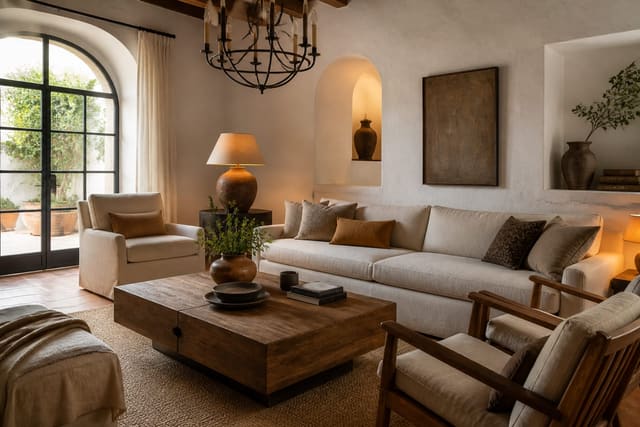
The fourth mistake is going all-pale. Cream, blush, and sage need a shadow of walnut, oxblood, tobacco, or aged brass to keep from floating away. If the render drifts toward terracotta and heavier Mediterranean texture instead, check AI Mediterranean design examples before committing to the wrong rustic language.
How do you prompt AI for a believable cottagecore room?
Photograph the room with its boring details visible: ceiling fan, mini blinds, laundry basket, orange floor, or the radiator under the window. Cottagecore is forgiving, not magic; the preview should solve the room you actually have.
Write the prompt like a design brief. For a bedroom: "cottagecore bedroom using the existing 8-foot ceiling and warm wood floor, iron bed, 52-inch headboard, faded floral quilt, 28-inch painted nightstands, linen curtains mounted 6 inches above the window, 2700K lamps, no change to window size." For a living room, specify an 84-inch slipcovered sofa, 8-by-10 muted rug, painted cabinet, botanical curtains, and one dark antique accent.
Run at least three versions: one restrained with mostly texture and one floral, one fuller with wallpaper as the lead, and one darker storybook mood using olive or plum. The useful result is the version that still looks believable with your actual ceiling, windows, and furniture.
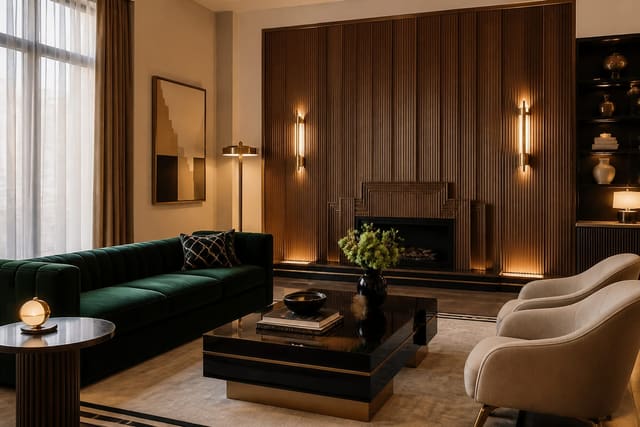
If the tool keeps adding lacquered symmetry, glossy black furniture, or theatrical contrast, it's drifting toward AI Art Deco room design. Cottagecore wants softness and patina; Art Deco wants polish and geometry. Mixing them by accident reads as confused, not eclectic.
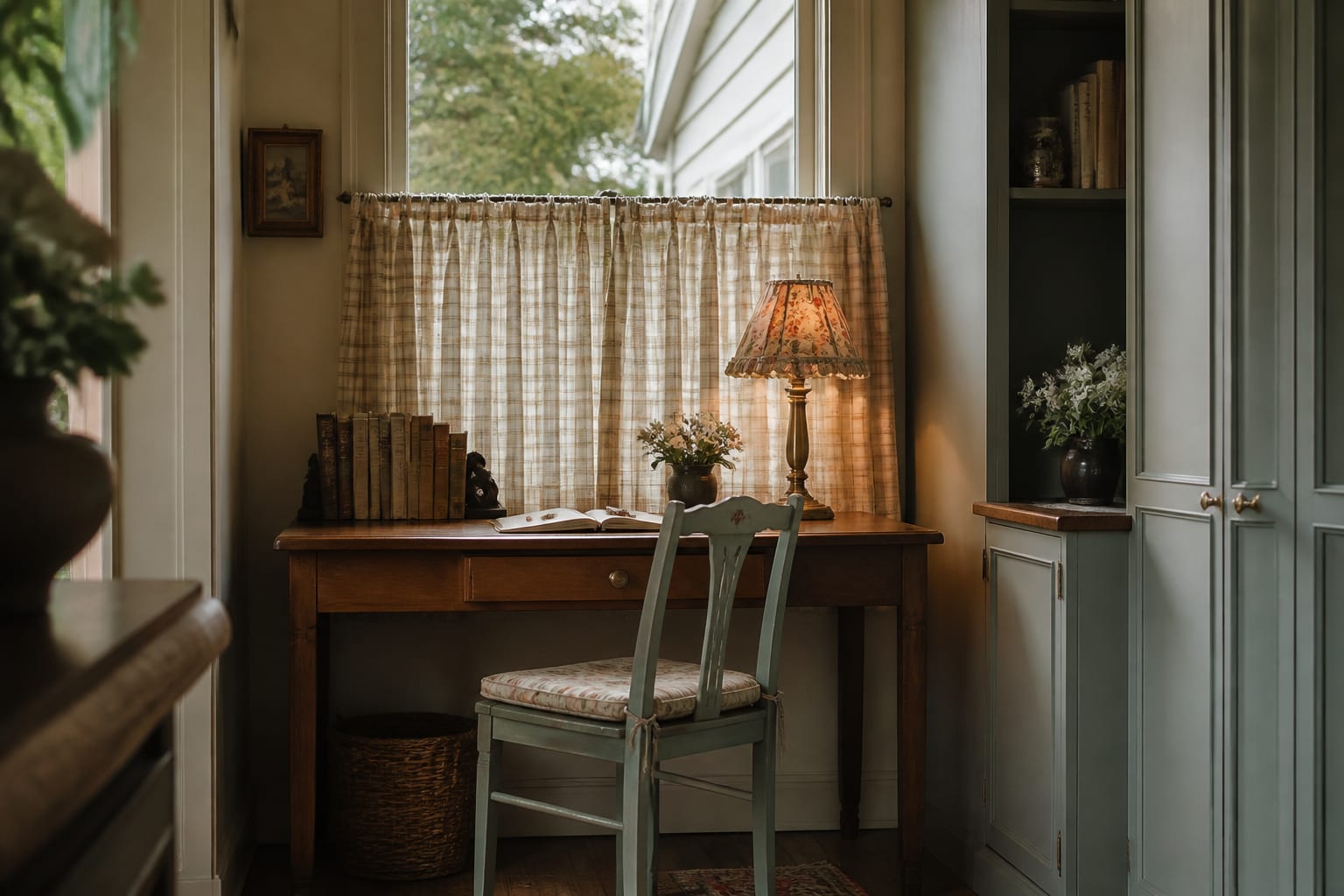
Once a preview feels right, translate it into a plan. Start with the largest soft surface, sofa, bed, curtains, or rug, and if that piece carries the pattern, keep the next two big items quiet. Favor turned legs, skirted bases, iron frames, and rush seats, but not all in one room, and choose faded palettes like cream with sage and walnut or dusty blue with brass over anything candy-colored. Keep a place for real daily mess, too: closed baskets, skirted tables, and shallow 12- to 16-inch cabinets let the room stay romantic without pretending nobody lives there.
Frequently Asked Questions
Does AI cottagecore design always look too sweet?
It does when the prompt asks for florals everywhere; the fix is limiting the room to one dominant print, keeping solids and texture as backup, and adding a darker material like walnut or black iron so the palette doesn't float away into pastel.
What furniture makes AI cottagecore renders look real?
Painted wood case goods, iron beds, wicker or rush seating, and skirted tables read as authentic. A single anchor piece, like a 36-inch painted dresser or an iron bed, does more work than several small decorative objects.
Should I let AI remove my room's flaws?
No. Keep radiators, low ceilings, rental blinds, and odd floor colors in the prompt, since cottagecore depends on visible age and imperfection rather than a flawless, staged backdrop.
How is cottagecore different from AI French country or Mediterranean design?
Cottagecore leans lighter and more floral, while French country favors antiques and rustic elegance and Mediterranean leans into terracotta and sun-baked plaster. If a render feels heavier or more rustic than intended, compare it against AI French country design ideas or AI Mediterranean design examples.
How many patterns should one AI cottagecore room use?
Stick to one dominant floral or botanical print, one small-scale supporting pattern like a check or stripe, and two quiet solids. More than that usually turns the room from romantic into cluttered.