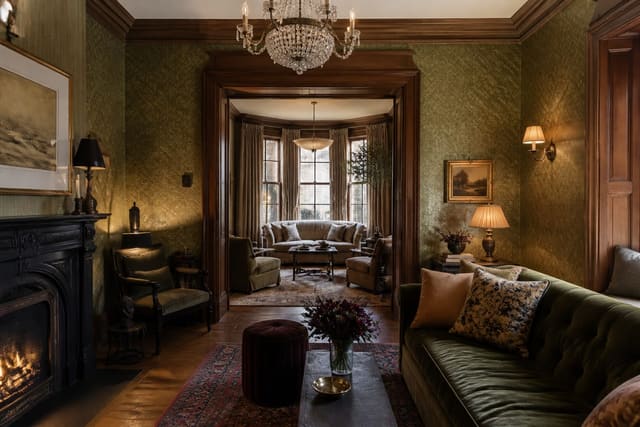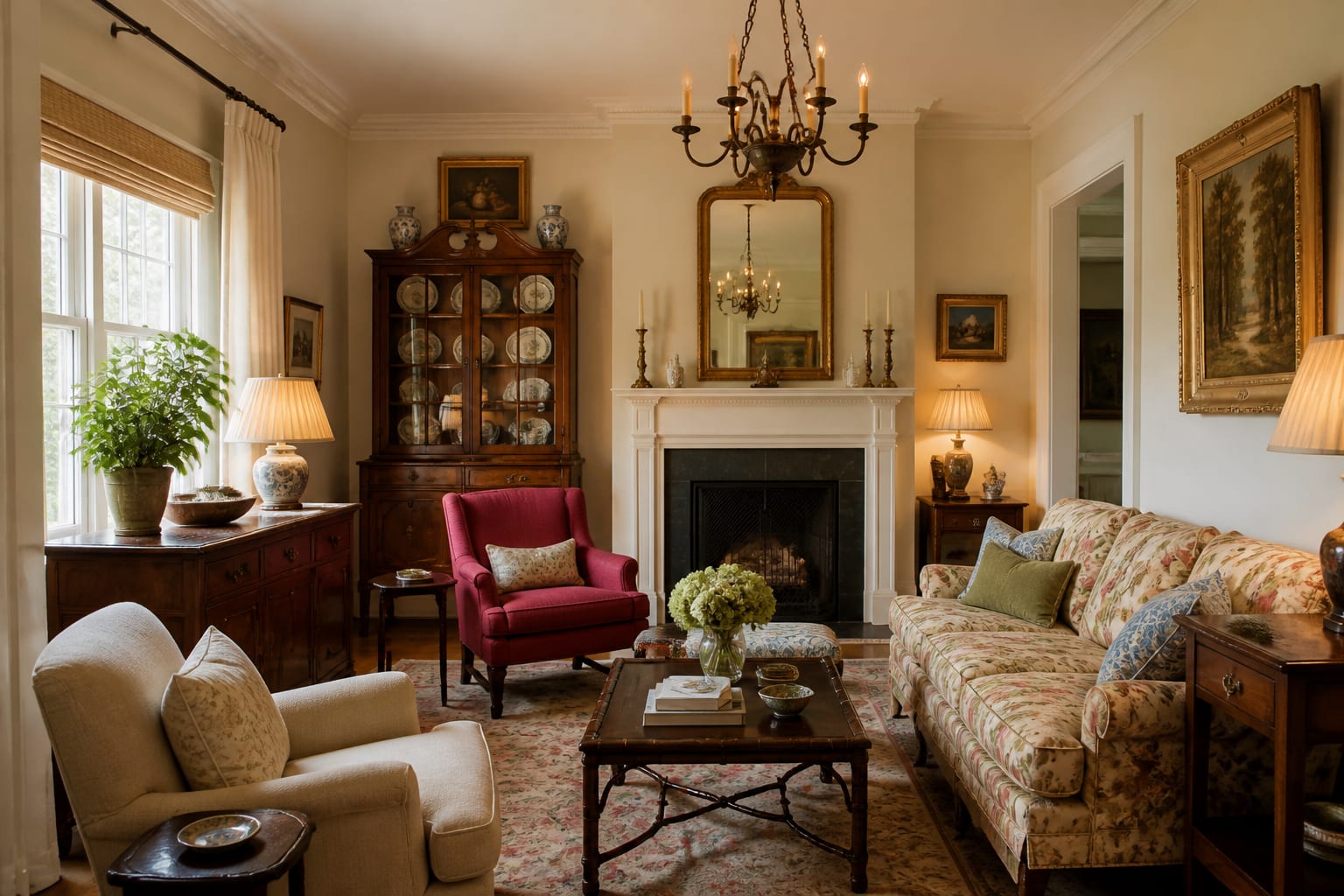
An inherited antique is a gift and a burden at once, and most people freeze between guilt and good taste. Decorating with inherited antique furniture does not mean building a shrine around grandma's secretary, nor shoving it in a back bedroom. The goal is to make each heirloom earn its place in a room you actually want to live in. With the right scale, lighting, and pairing, a single antique can anchor a modern space beautifully, and that contrast makes the piece feel intentional rather than inherited by default.
Decide What Deserves a Starring Role
Not every inherited piece belongs in your main living spaces, and admitting that is the first step toward decorating well. Start by sorting heirlooms into the ones you genuinely love, the ones with strong sentimental pull, and the ones you keep only out of obligation. The first two groups earn prime placement; the third can be stored, gifted, or sold without guilt.
Once you have chosen your keepers, treat each as a deliberate focal point rather than filler. A single antique writing desk against a clean wall commands far more respect than a roomful of mismatched dark wood competing for attention. Restraint lets the best pieces breathe and tells visitors these objects were chosen, not merely accumulated over the years.
Give the standout piece room to be seen. Leave at least 18 inches of clearance around an antique chest so it reads as an intentional object rather than a crammed-in afterthought, and position it where natural sightlines already lead. When a single heirloom anchors a wall or corner, it shifts from looking dated to looking curated, and the rest of the room can stay current around it without any conflict.
Be honest, too, about the difference between sentiment and design value. A piece can matter enormously to you and still not work in your living room, and that is a reasonable outcome rather than a betrayal. Choosing a small number of pieces to honor well serves your family history far better than crowding every surface with objects kept on view out of duty.
See also our guide to Victorian Interior Design Ideas for more on decorating with inherited antique furniture.
Mix Old and New for Balance
The fastest way to make an antique feel fresh is to surround it with something decidedly modern. A carved Victorian chair looks heavy in a room of other dark antiques, but set against a clean-lined sofa and a simple rug, the same chair reads as a striking accent. Contrast is what keeps an heirloom from looking like a time capsule.
Aim for balance rather than a hard split between eras. A useful target is a roughly 60/30/10 mix, with the larger share of the room in your current style, a meaningful portion in transitional or neutral pieces, and a small but confident share in genuine antiques. That ratio keeps the heirlooms feeling special instead of dominant, and it prevents the room from sliding into either museum or thrift-store territory.
Repeat a material or tone to tie the eras together. If your inherited piece has warm walnut tones, echo that warmth in a newer wood accent or a textile somewhere across the room so the antique feels connected rather than stranded. This deliberate echo is what makes a mixed room feel composed, signaling that the old and new pieces belong to the same considered scheme rather than colliding by accident.
Function can be the bridge as readily as color. An antique dresser pressed into service as a media console, or a Victorian chair pulled up to a modern desk, earns its keep by doing a real job in your daily life. When an heirloom works rather than merely sits, it stops feeling like an obligation and starts feeling like a smart, characterful choice.
For a related angle on decorating with inherited antique furniture, read Preppy Interior Design Ideas.
Scale, Placement, and Proportion
Antiques were often built for rooms with different proportions than today's homes, so scale is the issue that trips people up most. A towering inherited armoire designed for a room with 11-foot ceilings can swallow a modern space with 8-foot ceilings, while a delicate side table can vanish against an oversized sectional. Measuring before you place anything saves a great deal of heartache.
Use the room's real dimensions to guide placement. Keep a comfortable walkway of at least 36 inches around major pieces, align the top of an antique cabinet so it does not crowd the ceiling, and let a tall piece anchor a wall where its height feels purposeful rather than accidental. Proportion is about how the piece relates to everything near it, not just its own size.
When an heirloom feels too large, give it breathing room rather than crowding it with more furniture. Pair an oversized antique with low, simple pieces nearby so it reads as the clear hero of the arrangement. A massive dining hutch, for instance, calms down considerably when the table and chairs around it stay visually light, letting the room feel balanced even with one commanding antique in the mix.
Negative space above and beside a piece matters as much as the floor around it. Leaving the wall over a tall cabinet largely bare gives a dominant antique the visual quiet it needs to feel intentional. Sometimes the most effective move is removing a nearby object rather than adding one. When you let proportion and emptiness do the work, a piece built for a grander era can settle comfortably into a modern room.
Refresh, Light, and Refinish With Care
Lighting transforms how an antique reads, and the right warmth makes old wood glow rather than look gloomy. Aim for warm bulbs around 2700K near your heirlooms, since cooler light flattens their patina and makes rich finishes look gray. A small picture light over a portrait or a lamp beside a carved chest brings out the depth that made the piece worth keeping.
Refinishing is where caution pays off, because the wrong move can erase both character and value. A genuine antique with original finish and patina is often worth preserving as is, so clean it gently and resist the urge to strip it. For lower-value or already-damaged pieces, a careful refinish or even a painted update can make an awkward heirloom suddenly livable.
Small changes often do the most. Swapping tired hardware, reupholstering a worn seat in a current fabric, or simply waxing a dull surface can update a piece without compromising its history. Before any major alteration, consider having a valuable heirloom appraised so you know what you have.
Favor reversible updates over permanent ones whenever the piece holds any worth. New knobs can be unscrewed, a slipcover can be removed, and fresh upholstery can be redone, but a stripped finish or a sawed-down leg is gone for good. Keeping your changes undoable protects both the value and the option to restore the piece later if your taste shifts. Thoughtful, reversible refreshes let you honor the past while making the furniture genuinely usable in the home you live in now, which is the whole point of keeping it in the first place.
Here are the common mistakes to avoid: - Keeping every inherited piece out of obligation instead of curating only the ones you truly love - Crowding several dark antiques together so they compete rather than letting one piece star - Placing an oversized armoire in a low-ceiling room without checking how it dwarfs the space - Lighting heirlooms with cool bulbs that flatten the patina and make rich wood look gray - Stripping or repainting a valuable original finish before appraising what the piece is actually worth
Bring the look home with Re-Design
Wondering how an heirloom will sit in your room before you rearrange everything? With Re-Design you upload a photo of your space and preview an inherited antique paired with modern furnishings, fresh paint, and warmer lighting rendered onto your actual room. Testing placement and contrast this way helps you give a family piece a starring role with confidence, instead of guessing whether old and new will read as intentional together.
Frequently Asked Questions
How do I make inherited antiques look less dated?
Pair them with clean, modern furnishings so the contrast reads as intentional. Give each heirloom space to stand as a focal point, light it with warm bulbs, and echo its wood tone elsewhere in the room. That restraint makes an antique look curated rather than simply old.
Should I refinish an inherited antique?
It depends on its value. A genuine antique with original patina is often worth preserving, since refinishing can lower its worth. For damaged or low-value pieces, a careful refinish or painted update is fine. When unsure, have the piece appraised before making any permanent changes.
What if an inherited piece is too big for my room?
Give it breathing room rather than crowding it. Let an oversized antique anchor a wall as the clear focal point, and keep nearby furniture low and visually light. Measuring against your ceiling height and walkways first ensures the piece feels purposeful instead of overwhelming the space.