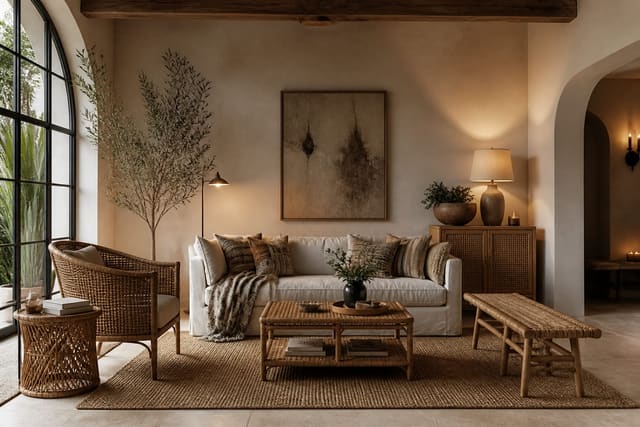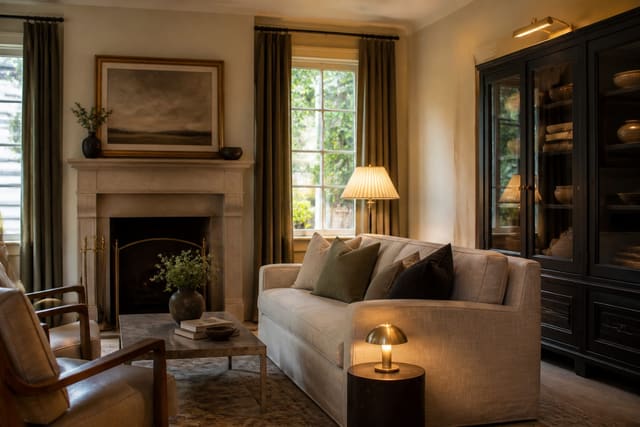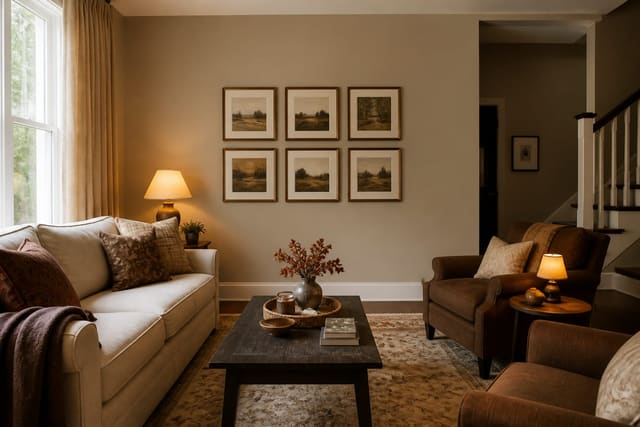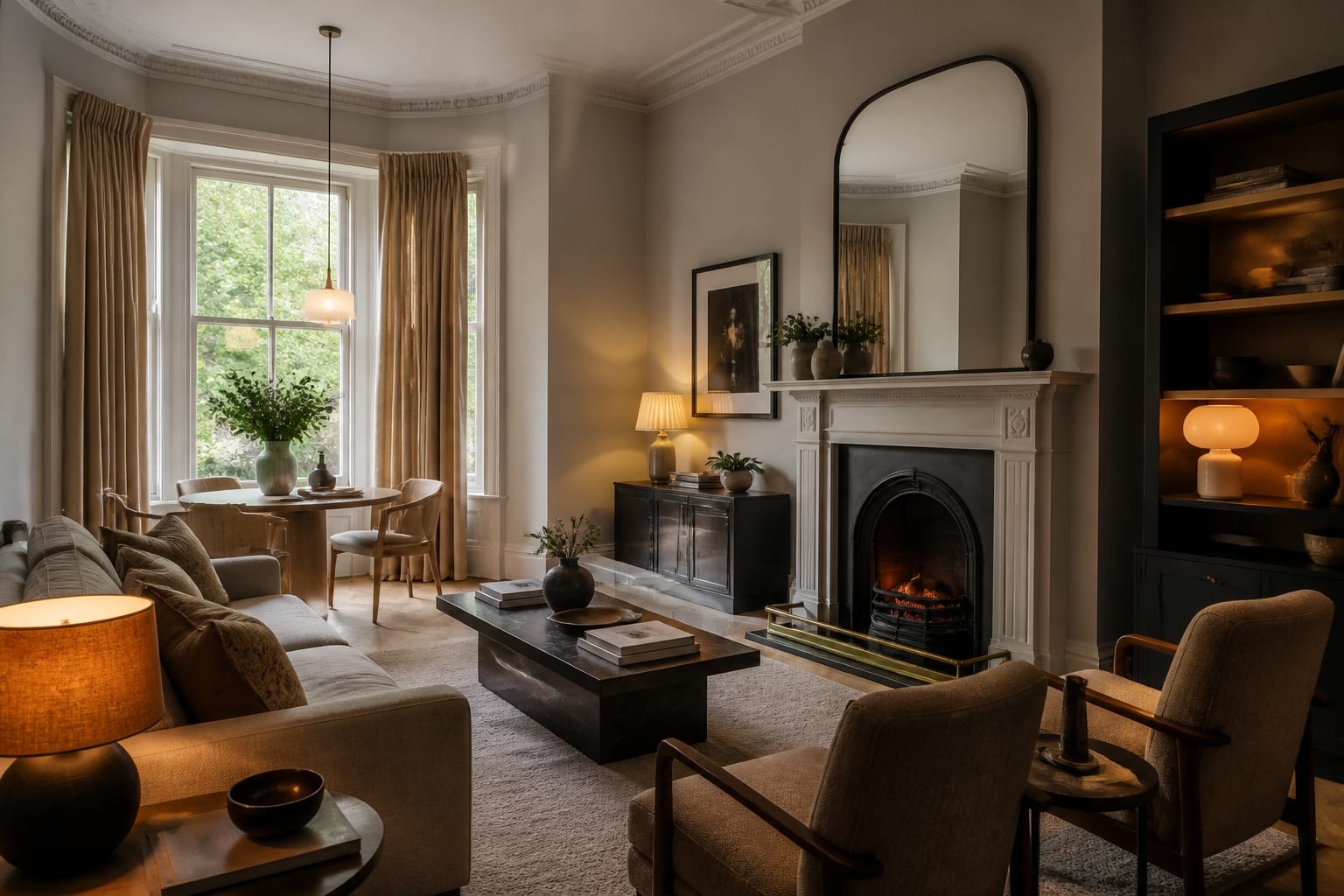
Period homes punish overconfidence. My read is that the biggest threat to a Victorian or Georgian interior is not neglect but enthusiasm, the kind that rips out original fireplaces, boxes in cornicing, and swaps solid timber doors for hollow modern slabs. The character you paid a premium for lives in those details, and once they are gone they are gone.
The trick is editing, not replacing. A period property wants modern comfort underneath, things like decent heating, sound wiring, and a functional kitchen, while keeping the visible craftsmanship that dates the building. I think the best heritage interiors read as if a confident owner lived there for decades and only changed what genuinely needed changing.
Restore the bones before you decorate
The first money in a period home should go to the structure and the irreplaceable details, not the cushions. Survey what is original: plaster cornicing, ceiling roses, picture rails, skirting boards typically 6-9 inches tall, sash windows, and any cast-iron or timber fireplaces. These are the elements that command the room, and reproducing them later costs far more than protecting them now. Strip decades of paint from a cornice carefully rather than slathering on another coat that buries the profile.
Floors deserve the same respect. Original pine or oak boards can almost always be sanded and refinished for a fraction of what new flooring costs, and the slight unevenness reads as age, not damage. Where boards are missing, reclaimed timber of the same period blends better than anything new. If you are deciding how to finish restored woodwork and walls, a paint finish guide is worth reading before you commit, because sheen choice changes how every period detail catches light.
Doors and ironmongery are the quiet tells of a careful restoration. Original four-panel or six-panel doors, even if they are stuck with a dozen coats of paint, are worth stripping and rehanging rather than replacing with flat modern slabs. The same goes for the hardware: a chunky reproduction rim lock or a cast knob in the right finish costs little and signals that someone respected the house. Skirting profiles, architraves, and the bullnose on a stair tread all carry the building's date, so when something has to be replaced, match the profile rather than defaulting to whatever the merchant stocks. These details are cheap individually and decisive collectively.
Solve the modern problems honestly
Old houses have real failings, and pretending otherwise leads to misery. Damp, draughty single-glazed windows, undersized wiring, and cold solid walls are the usual suspects. Address them properly rather than cosmetically. On solid masonry walls, use breathable lime plaster and mineral paint so moisture can escape; sealing an old wall with plastic-based modern paint is how you get bubbling and mould within a year.
Heating and insulation need a period-appropriate approach. Secondary glazing behind original sashes preserves the windows while cutting heat loss, and underfloor insulation between joists makes a draughty ground floor livable. Here is the order I tackle the invisible work:
- Electrical rewiring and a modern consumer unit, often $8,000-15,000 in an older home
- Damp investigation and breathable plaster repairs before any decorating
- Heating upgrades sized to the actual room volumes, not a generic estimate
- Secondary glazing or sympathetic draught-proofing for the original windows
Layer modern living over period character
With the bones safe and the systems sorted, the decorating becomes the easy part. The rule I follow is contrast with respect: a sharply modern sofa or a minimalist pendant looks fantastic against ornate cornicing precisely because the two are not competing. Let the architecture be the loud element and keep the new pieces clean. A mix of roughly 70% period feel and 30% modern intervention keeps the room honest.
Materials matter more than color here. Natural, ageing materials sit comfortably in an old house, while anything high-gloss or obviously synthetic fights it. Unlacquered brass develops a patina that suits a heritage interior, and choosing the right finish from the start avoids a shiny showroom look; the unlacquered brass guide explains how that ageing actually behaves. For softer texture, woven natural fibres bridge old and new beautifully, and the rattan and cane material guide covers where those pieces hold up and where they do not.
Color in a period home rewards depth over brightness. The pigments available when these houses were built leaned toward complex, slightly muted tones, so deep greens, ochres, and soft chalky neutrals tend to look right where a flat brilliant white can feel anachronistic. A darker, richer color on the walls also lets white cornicing and ceilings pop, which is why so many heritage rooms read as dramatic rather than dull. Scale your furniture to the ceiling height too; in a room with a 9-10 foot ceiling, a low-slung modern sofa needs a tall lamp, a generous mirror, or full-height curtains nearby to keep the vertical proportions from feeling unbalanced. The aim is a room that feels collected over time, where the old architecture and the modern comforts each get to do their job without one erasing the other.
Common mistakes to avoid
The most common mistake is over-restoration, turning a lived-in period home into a sterile museum where nothing can be touched. Heritage interiors should feel inhabited. The opposite mistake is just as bad: gutting genuine features because they are inconvenient, like blocking a chimney breast for a flat TV wall when the fireplace was the room's whole reason for existing.
Another frequent error is using modern impermeable paint on solid walls, which traps damp and ruins plaster within months. People also mismatch scale, dropping tiny modern furniture into rooms with 9-10 foot ceilings so everything looks lost. A final mistakes-to-avoid point: do not chase a single strict period style down to the last detail, since real old houses accumulated layers over a century and the layered look is the believable one.
Use AI design to preview period property interior design before you commit
The terror of an old house is that mistakes are expensive and sometimes irreversible. Strip the wrong paint, block the wrong chimney, or paint over a feature in a clashing tone and you are paying twice. Re-Design lets you test the heritage-meets-modern balance without touching the plaster. Upload a photo of the actual room with its cornicing and fireplace in frame, then ask the AI to show that space with a modern sofa, restored floors, or a breathable mineral paint color, and you see whether the contrast sings or jars.
This is especially useful for the decisions that hinge on how old and new sit together. I will upload a parlour and run one version with a bold dark wall against white cornicing and another with a soft heritage neutral, then judge which lets the original detail read. Because the AI design works from your real room, the proportions stay true, so you are not fooled by a generic showroom image that ignores your particular ceiling height and window placement.