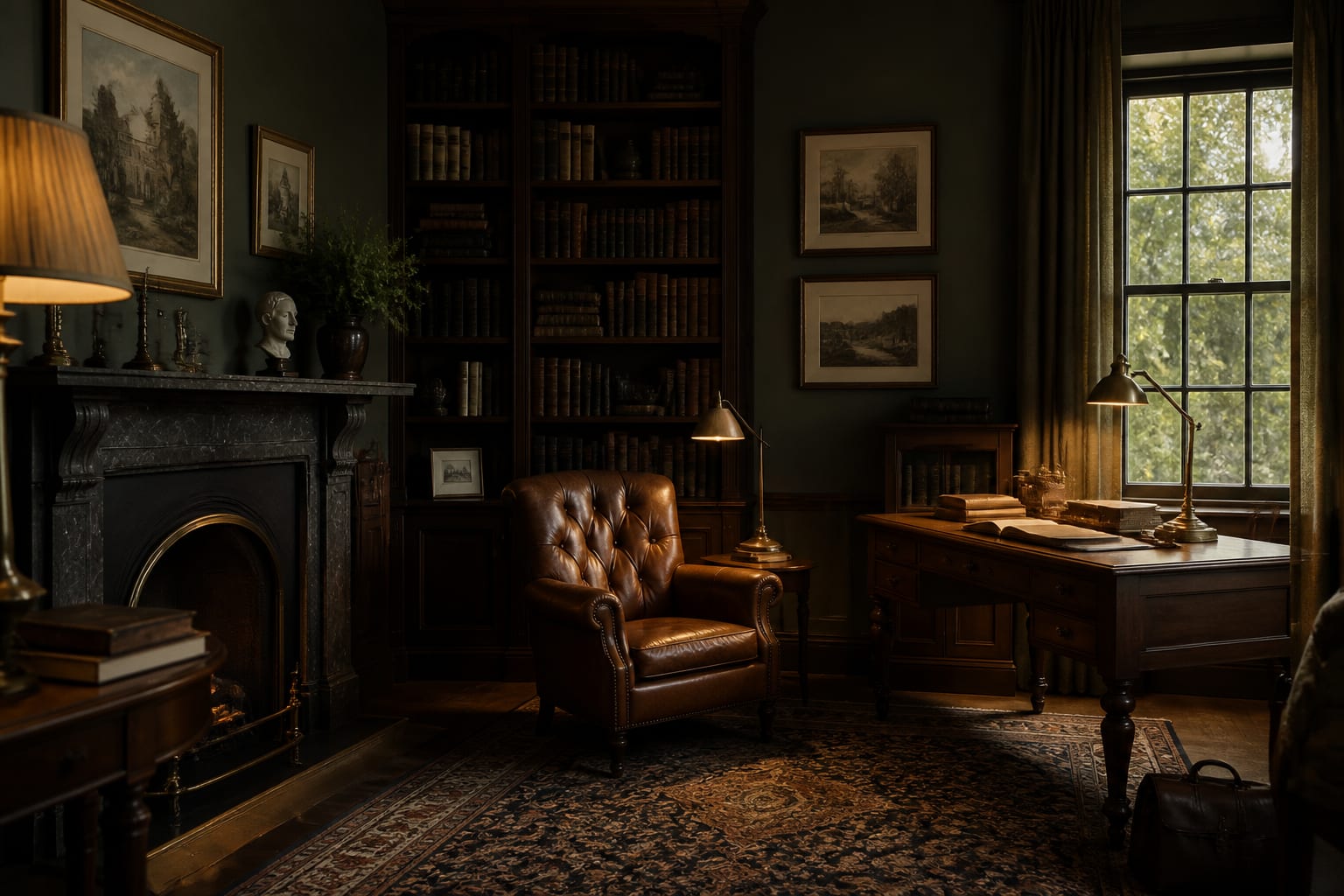
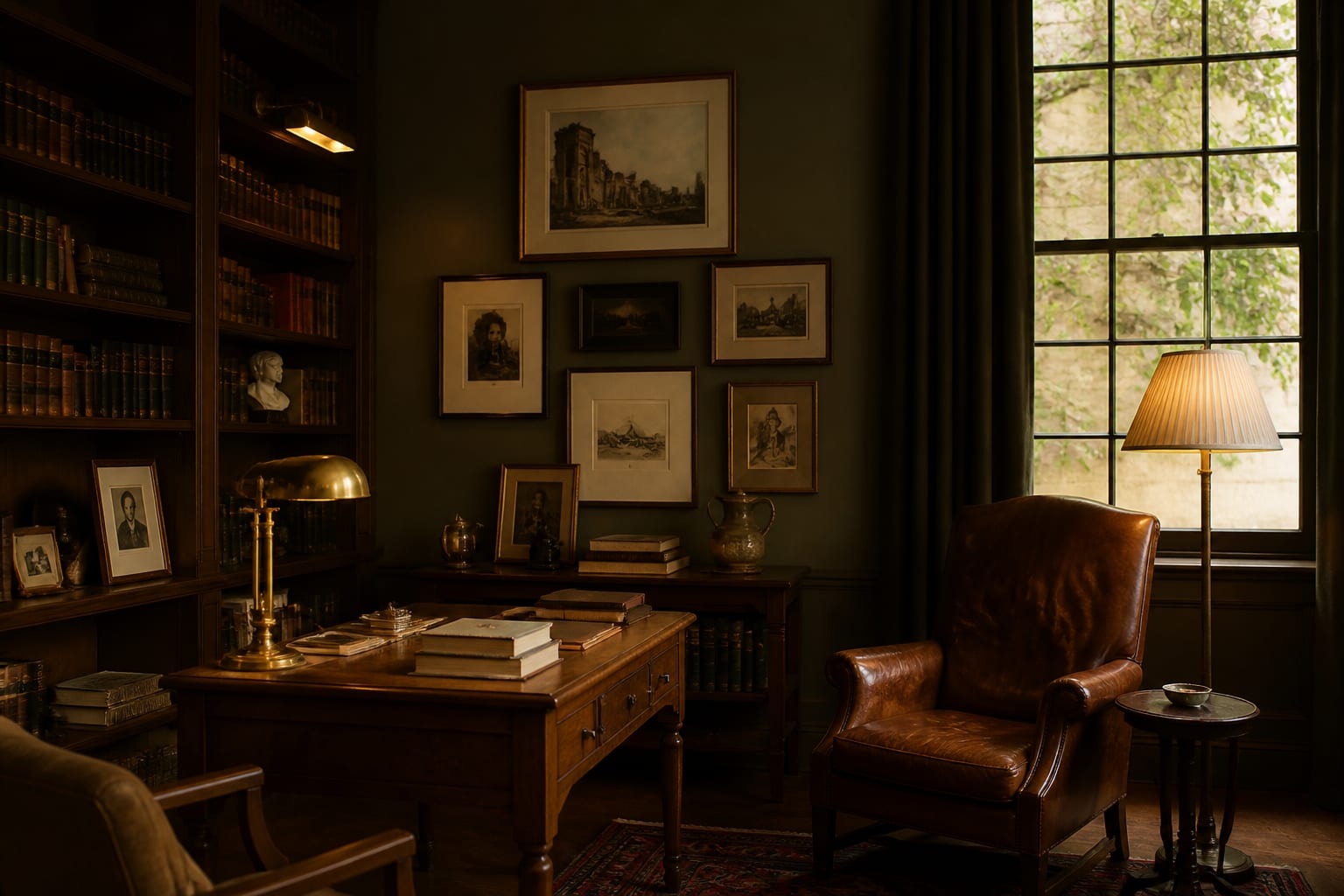
AI dark academia room design produces a moody, believable gothic scholar look when the prompt names dark wall colors, real wood tones, leather or wool textiles, warm 2700K lighting, framed art, and the room's existing architecture. Skip vague requests for "old library" energy and specify materials and scale instead.
Can AI Actually Produce a Believable Dark Academia Room?
Yes, but only with a precise brief covering color, materials, lighting, books, art, and the architecture the AI must not alter. Dark academia has clear signals: dark walls, heavy wood, leather seating, framed portraits, book stacks, brass lamps, wool rugs, and gothic arches. Without limits, the image quickly turns theatrical instead of livable.
A strong prompt reads like a room order, not a mood board: "keep the existing 8-foot ceiling, oak floor, white window trim, and current sofa; create a dark academia living room with olive black walls, walnut bookcases, an 8x10 Persian-style rug, cognac leather chair, shaded brass lamps with 2700K bulbs, framed academic art, and no invented fireplace." That level of detail produces atmosphere without pretending your apartment has an Oxford reading hall attached.
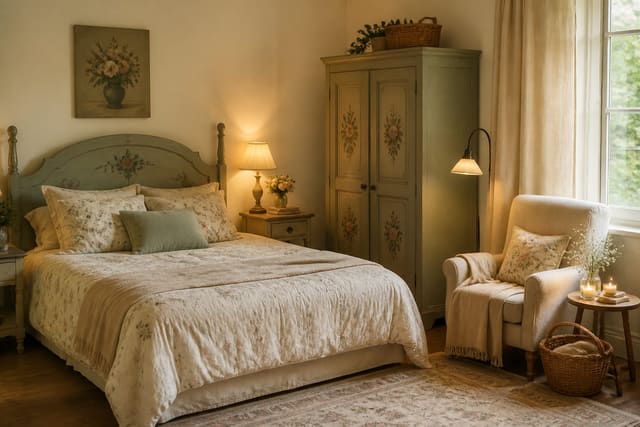
If you like the literary softness but want more rural warmth, compare results with cottagecore AI room design ideas. Cottagecore tolerates florals and painted furniture; dark academia needs heavier shadows and fewer sweet details.
Which Dark Academia Ideas Should You Preview First?
Start with library-defining moves, not novelty objects. A vintage globe won't rescue a bright room with cold lighting and undersized furniture.
- Pick a dark wall color with undertone. Flat black can feel dead; test tobacco brown, blackened green, oxblood, aubergine, or charcoal blue first.
- Add one serious wood piece. A 60-inch writing desk, 72-inch bookcase, or 84-inch media cabinet in walnut, mahogany, or espresso oak adds real weight.
- Choose a rug that looks inherited. An 8x10 rug is the floor minimum for most living rooms, with seating front legs sitting on it by at least 6 inches.
- Put leather or wool into seating. A 30 to 34-inch cognac leather chair or a wool plaid throw beats ten small brass objects.
- Frame art like a study wall. Hang portraits, maps, or botanical prints with centers around 57 to 60 inches from the floor.
- Let books provide structure. Use shelves 10 to 12 inches deep, breaking rows with a few darker objects or framed pieces.
What Palette and Lighting Make the Room Feel Scholarly, Not Gloomy?
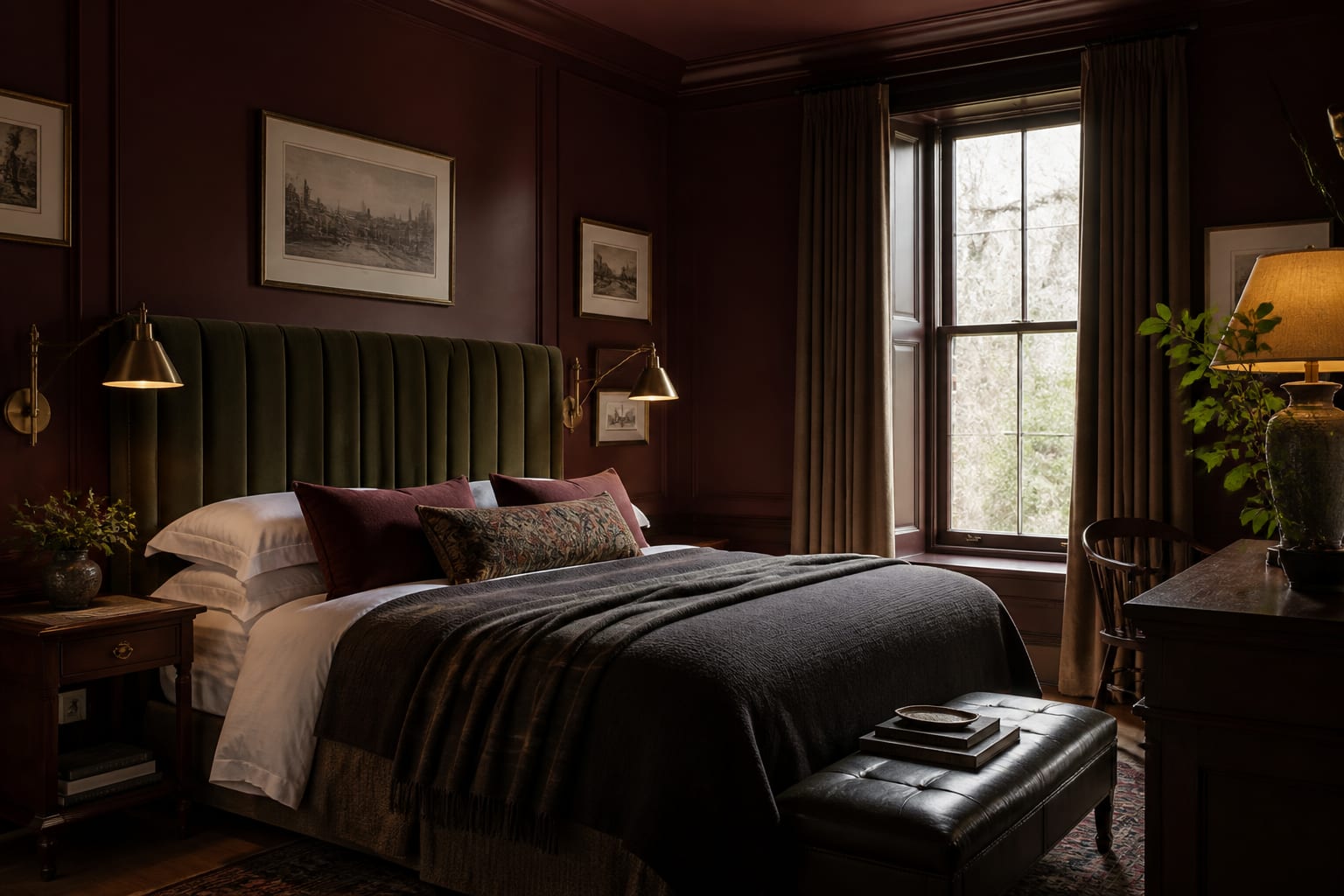
Dark academia fails when every surface is equally dark. The room needs shadow plus paper, glass, brass, wood, and fabric to catch lamp light. Strong combinations: olive black with walnut and parchment, oxblood with espresso and aged brass, charcoal blue with cognac leather, or aubergine with black iron and cream linen.
Use 2700K bulbs in living rooms and bedrooms, moving to 3000K only at a desk where reading or writing needs clearer light. Plan at least three visible light sources, a shaded table lamp, a floor lamp, and a picture light or sconce, since a single ceiling fixture flattens the mood. If the preview looks great only because invisible golden light fills every corner, regenerate with the lamps actually shown.
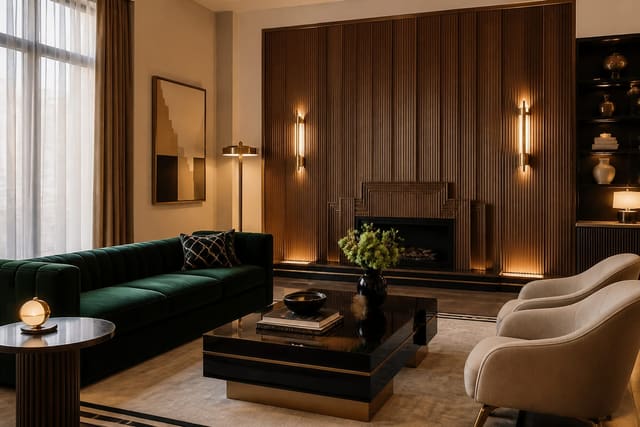
Watch for polished glamour creeping in. If the AI starts adding lacquer, mirrored tables, and shiny symmetry, compare it with AI art deco room design before buying brass pieces from the wrong story.
What Mistakes Turn Gothic Into Gloomy?
Painting everything dark before fixing the light is the biggest mistake; a black bedroom with one cold bulb feels punishing, not intellectual. Fix lamps and warm bulbs first, then judge the wall color.
Fake old objects are the second mistake. Faux scrolls, plastic busts, and distressed props read as staged. Choose fewer, better signals: a real wood desk, linen curtains, a wool rug, and books you'd actually keep.
Ignoring comfort is the third mistake. Keep a side table at least 16 inches wide, a reachable lamp switch, and a walkway around 30 inches wide; gothic mood shouldn't block a closet.
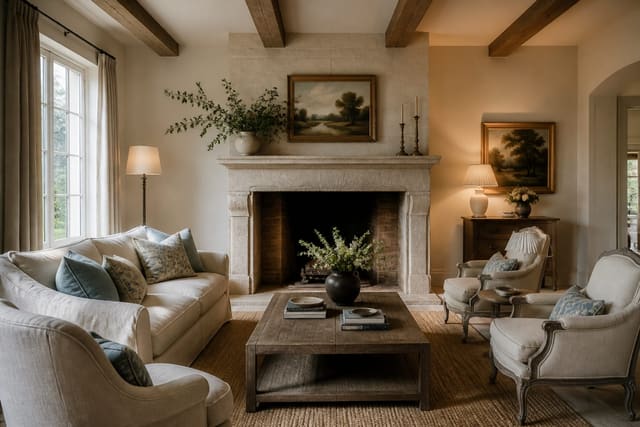
Borrowing too much pastoral charm is the fourth. If the AI suggests pale carved furniture and faded toile, check the result against AI French country design ideas, since that style wants provincial softness instead of studious edge.
How Do You Preview a Gothic Scholar Room Before Committing?
Photograph the room from the doorway with floor, ceiling, windows, outlets, trim, and awkward furniture visible. Hiding low ceilings or rental blinds only sets up disappointment later.
Run three controlled previews from that same photo:
- Wall-color led: olive, oxblood, or charcoal as the main envelope.
- Furniture led: large desk, bookcase wall, leather chair, and serious rug.
- Renter-safe: lamps, curtains, removable wallpaper, freestanding shelves, and darker textiles with no paint or built-ins.
A strong bedroom prompt: "create a dark academia bedroom using the existing 8-foot ceiling and window location, with a 56-inch upholstered headboard, dark olive walls, 28-inch wood nightstands, brass reading lamps, framed portraits, wool plaid bedding, curtains mounted 6 inches above the casing, 2700K lighting, and no invented fireplace." For a living room, name the sofa width, rug size, bookcase depth, and objects that must stay.
How Do You Turn the Winning Preview Into a Real Room?
Translate the image into five decisions: wall color, wood tone, textile weight, art strategy, and lighting temperature. If those five agree, the room reads as dark academia even on a modest budget.
Balance the largest dark surface immediately. Charcoal walls need parchment shades, brass lamps, or cream art mats; espresso shelves need a patterned rug and tactile seating so the room doesn't become one flat block of brown.
Renters can build the look with plug-in sconces, large framed prints, bookcases, dark curtains, an 8x10 rug, and warmer bulbs. Owners can test built-in shelves, picture molding, or a library wall, but let the AI preview prove the composition before permanent work begins.
Frequently Asked Questions
Can AI create a realistic dark academia room from my own photo?
Yes. Upload a photo showing the ceiling, windows, floor, and existing furniture, then prompt the AI to keep those elements while adding dark academia colors, wood furniture, leather or wool textiles, framed art, and warm 2700K lighting for a believable result.
What colors work best for dark academia walls?
Olive black, oxblood, charcoal blue, and aubergine all work well because they have enough undertone to avoid feeling flat. Pair any of these with parchment, cream, or brass accents so the room keeps contrast instead of turning into one dark block.
How many light sources does a dark academia room need?
Plan at least three: a shaded table lamp, a floor lamp near seating, and a picture light or sconce. A single overhead fixture flattens the mood, while multiple 2700K sources create the warm, layered light the style depends on.
Is dark academia renter-friendly?
Yes. Plug-in sconces, large framed prints, freestanding bookcases, dark curtains, an 8x10 rug, and warmer bulbs can build the look without paint or permanent changes, making it one of the more renter-friendly moody styles to try.
What is the biggest mistake people make with dark academia design?
Painting every surface dark before fixing the lighting. Without warm lamps and reflective accents like brass or parchment, the room feels punishing rather than intellectual, so lighting should be solved before judging any wall color.