Adding square footage is the one renovation where the cost per foot can swing by a factor of four depending on which type you choose, and most homeowners pick the wrong one for their goal. A bump-out, a full room addition, a sunroom, and a detached ADU are not interchangeable; they answer different problems at very different prices. My strong opinion: if you want everyday living space, build conditioned square footage, and only build a sunroom if you genuinely want a three-season room and nothing more.
How the four main addition types compare on cost
A room addition that ties into your existing structure is the default and the most expensive per foot because it touches everything: foundation, framing, roof, electrical, plumbing, HVAC, and finishes. Expect $200 to $500 per square foot, with kitchens and bathrooms pushing the top of that range because of the wet-wall work.
A bump-out, meaning a small cantilevered extension of 2 to 4 feet off an existing room, is the value play when you need just a bit more space. Because it often skips a new foundation, it runs $4,000 to $30,000 total and is ideal for stealing room for a breakfast nook or a larger primary closet.
A detached ADU, or accessory dwelling unit, is its own small building with a kitchen and bath. At $150,000 to $400,000 it is a major project, but it is the only addition that can generate $1,200 to $2,500 a month in rent in many markets, which changes the entire return calculation.
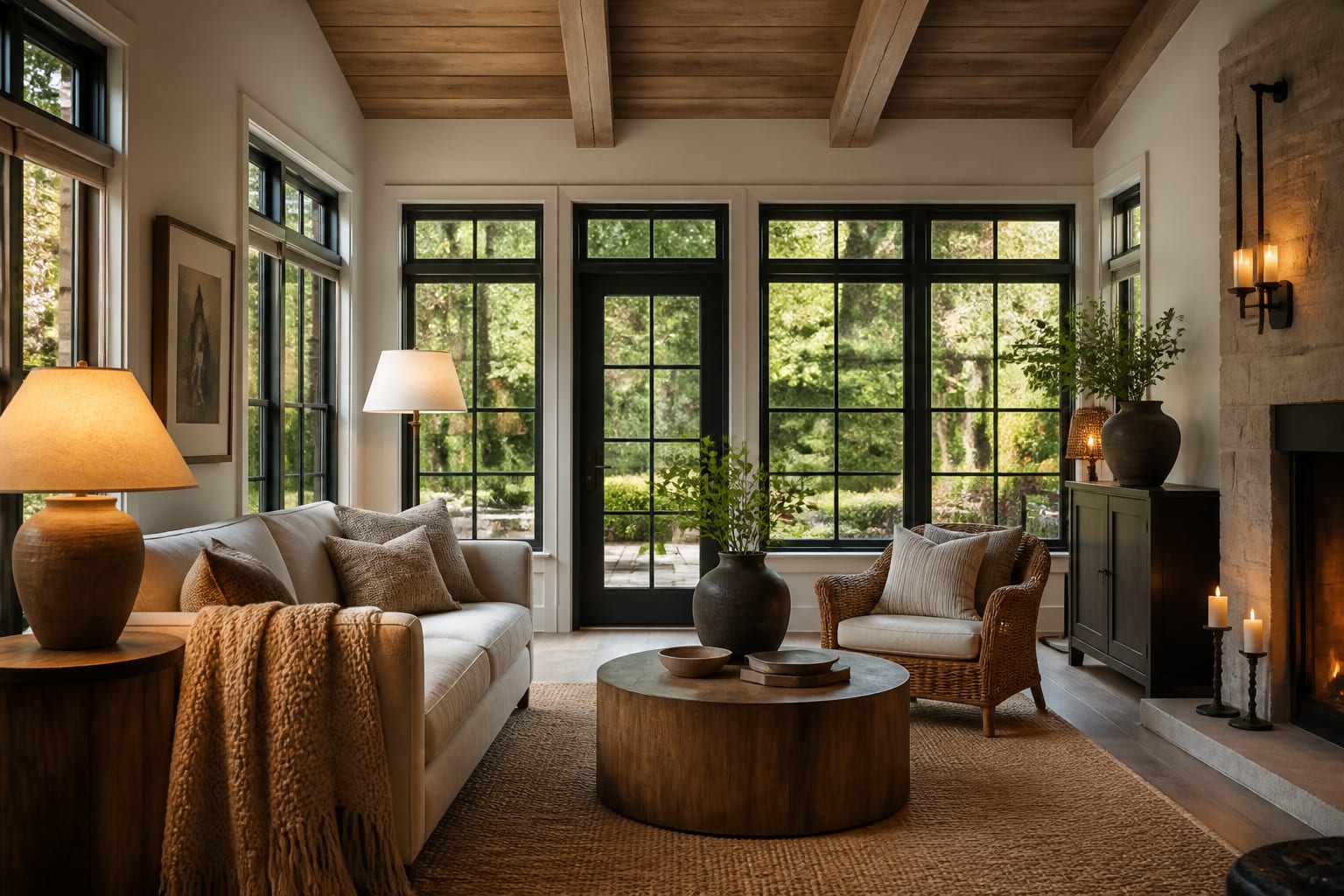
Sunrooms split into two camps. A three-season room with single-pane or basic glazing and no central heat runs $80 to $230 per square foot. A four-season room built to the same insulation standard as your house climbs to $200 to $400 per square foot, at which point you should compare it honestly against a standard room addition.
The reason the per-foot spread is so wide comes down to how much of the house each type touches. A bump-out borrows a wall you already have and often a roof overhang too, so the marginal cost is small. A second-story addition, by contrast, frequently forces you to reinforce the foundation and walls below it, which is why going up can cost more than going out despite using no extra land. A detached ADU avoids tying into the main house entirely but pays for its own foundation, roof, and full set of utility connections, so it carries the highest fixed startup cost before the first wall goes up.
Return on investment also varies sharply by type. A well-built room addition or finished ADU commonly recovers 50% to 70% of its cost at resale, while a bump-out that simply makes a kitchen workable can return more in livability than the dollars suggest. A four-season sunroom is the gamble: appraisers often count it as living space only if it is heated and cooled to the same standard as the rest of the house, so a halfway-insulated sunroom can cost like a real room and appraise like a porch.
The smartest framing is to match the type to the actual problem you are solving. If the goal is a bigger primary suite, build conditioned space and accept the per-foot cost. If the goal is rental income or space for an aging parent, an ADU is the only type that pays you back monthly. If the goal is simply more daylight and a place to read in spring and fall, a three-season sunroom answers that for a third of the price of a full addition. Building the expensive type for a cheap problem, or the cheap type for an everyday-living problem, is the error that turns a sound investment into buyer's remorse.
A line-item budget for a 400 sq ft room addition
The per-foot number hides the sequence of trades that each take a bite. Here is a realistic breakdown for a conditioned 400 sq ft addition in a mid-cost US market.
- Design, engineering, and permits: $6,000 to $18,000, higher if you need a structural engineer for the roof tie-in.
- Foundation and slab or crawlspace: $10,000 to $30,000 depending on soil and frost depth.
- Framing, roof, and weather-tight shell: $30,000 to $60,000.
- Electrical, plumbing rough-in, and HVAC extension: $15,000 to $35,000.
- Interior finishes, flooring, and paint: $20,000 to $45,000.
Those finish lines are where your taste shows up on the invoice, and they overlap directly with standalone projects like an interior paint estimate and a flooring installation budget. Pricing each trade separately keeps a general contractor's blended number honest and shows you where you can trade down without hurting the structure.
Two cost drivers deserve special attention because they routinely surprise people. The first is utility capacity: extending HVAC into 400 new square feet sometimes overwhelms an existing furnace or heat pump, forcing a $5,000 to $12,000 system upgrade nobody quoted. The second is the connection point where new meets old, since cutting into a finished exterior wall, rerouting a roof valley, and feathering new drywall into aged plaster all take skilled labor that flat per-foot estimates gloss over. I tell every client to hold back a contingency of at least 15% of the total, because an addition opens up walls and roofs that have been hiding their secrets for decades.
Common mistakes to avoid
The biggest mistake is treating an addition like a cosmetic remodel and skipping the design phase. An addition changes load paths, drainage, and your roofline, so the $6,000 to $18,000 you spend on drawings and engineering up front prevents the kind of change order that adds $20,000 mid-build.
Homeowners also underestimate the cost of matching the existing house. New siding, a continuous roofline, and floors that meet the old ones at the same height all cost real money, and a mismatched addition can actually lower appraised value. Many people skip a designer to save money and then make expensive layout errors that a few hours of professional time, priced like an interior designer consultation, would have caught. Finally, do not start without confirming setback rules and whether your lot allows an ADU at all, because a stop-work order after the foundation is poured is the most expensive delay there is.
Preview your home addition in Re-Design
Frequently Asked Questions
Does a home addition increase property taxes? Yes, conditioned square footage is reassessed and will raise your property tax bill, typically in proportion to the added living area. Budget for the higher annual bill, not just the construction cost, before you commit.
Is an ADU worth the high upfront cost? An ADU is worth it when local rents support $1,200 to $2,500 a month and your zoning permits a rental unit. In those markets the unit can pay for itself within 8 to 12 years while adding lasting resale value.
How long does a typical room addition take? A standard conditioned room addition runs three to five months from permit to final inspection, assuming no major weather or material delays. The design and permitting phase before construction can add another one to three months on its own.