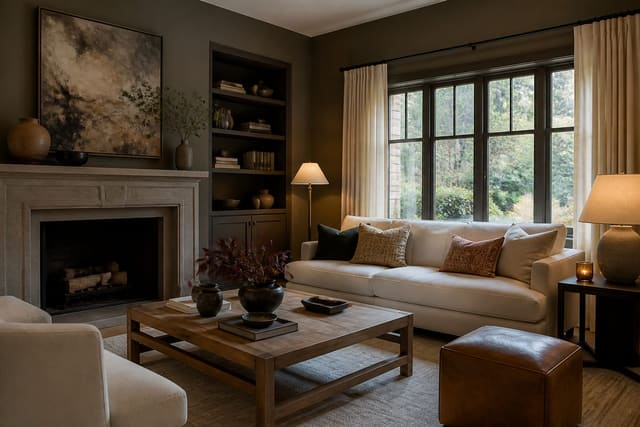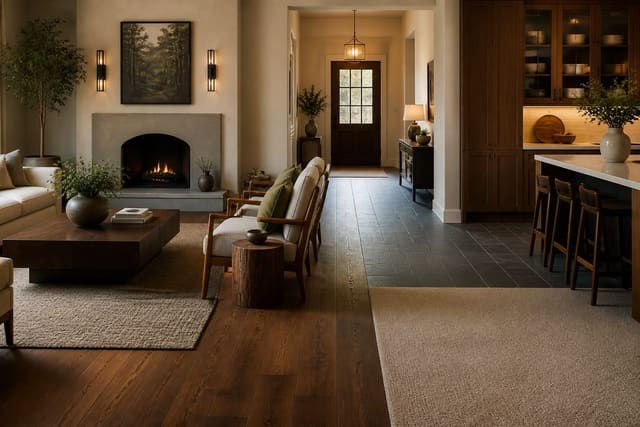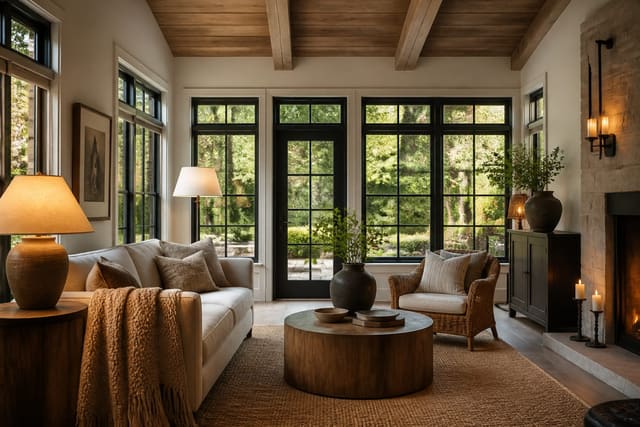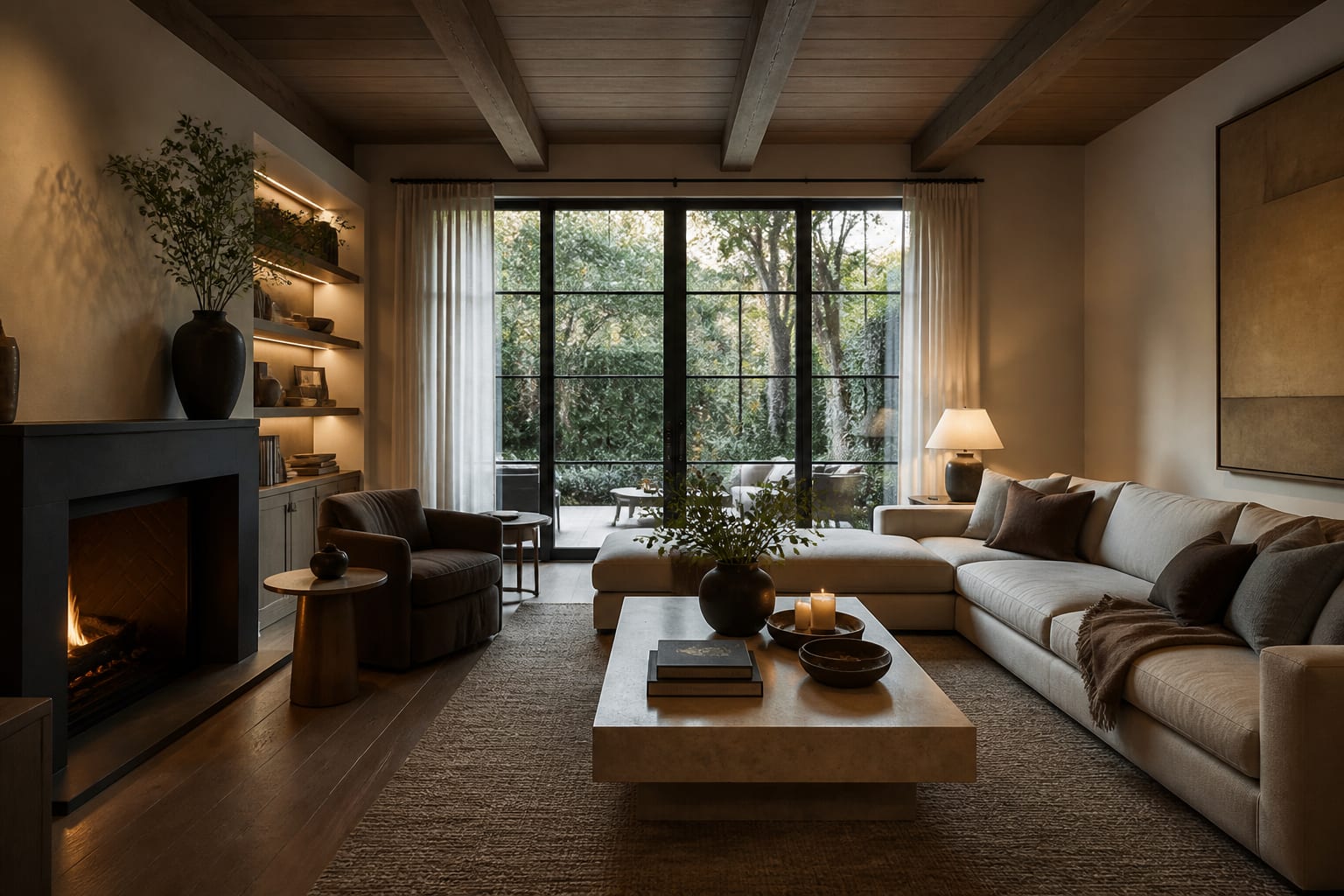
Hiring an interior designer is less expensive than most people assume and structured very differently than they expect. The fee model you agree to matters more than the hourly headline number, because a $250-an-hour designer on a tight scope can cost less than a $125-an-hour one who bills open-ended. For a single room with a clear goal, a flat fee protects you; for a whole-home project, percentage or cost-plus usually wins. The cheapest path of all is e-design, which trades in-person hours for digital deliverables.
The four ways designers charge
Understanding the fee structure is how you avoid an open-ended bill, because each model shifts the risk differently between you and the designer. Hourly pricing at $100 to $300 is transparent but uncapped, which makes it ideal for a two-hour consultation and dangerous for a full renovation where the hours multiply quietly. Flat fee per room is the opposite: the designer quotes a single number after scoping the work, so a living room might run $2,500 to $7,500 and you know the ceiling before you start. That predictability is why flat fee is the right call for a single, well-defined space.
Cost-plus and percentage models tie the fee to what you spend rather than to time. Under cost-plus, the designer buys furnishings at trade pricing and adds a 15 to 35 percent markup, so you pay near retail while they earn the margin instead of a separate design fee. Percentage-of-project fees, common on larger jobs, run 10 to 30 percent of the total construction and furnishing budget, which scales the designer's pay with the ambition of the project. Some designers blend models, charging a modest flat fee plus cost-plus on purchases, so always ask exactly which structure a quote uses before you sign. If you are weighing a designer against software, our interior paint cost guide shows how much of a refresh you can handle yourself first.
What each model costs in practice
Here is how the numbers land across the common models, so you can match the structure to your project size and risk tolerance:
- Hourly consultation: $100 to $300 per hour, often with a 2-hour minimum, best for advice and quick fixes.
- Flat fee per room: $1,000 to $7,500, scaled to room size and how much sourcing is involved.
- Cost-plus markup: 15 to 35 percent added to everything the designer purchases on your behalf.
- Percentage of total project: 10 to 30 percent of the combined budget, typical on whole-home work.
- E-design package: $75 to $1,500 per room, delivered as mood boards and a shopping list, no site visits.
- Whole-home in-person design: $10,000 to $50,000 and up, depending on square footage and finish level.
A single living room redesign therefore might cost $2,500 flat, or roughly $1,500 to $3,000 if you hire hourly and stay disciplined about the scope. E-design can deliver a usable plan for that same room for under $500.
The biggest cost fork is whether you need someone physically in the room. In-person designers measure, manage trades, shop showrooms, and oversee installation, and you pay for every hour of that presence. E-design strips it to the deliverables: you send photos and dimensions, and you get a layout, a furniture list, and a mood board for $75 to $1,500 per room. For a homeowner who can take their own measurements and place their own orders, e-design captures most of the value at a fraction of the cost. The tradeoff is that you do the legwork the in-person fee would have covered, from chasing backorders to coordinating delivery and assembly yourself. Geography matters too, since a designer in a major metro often charges 20 to 40 percent more per hour than one in a smaller market for identical work, which is part of why remote e-design has grown so fast.
A designer earns the fee when the project is big enough that mistakes are expensive. On a $40,000 furnishing budget, a designer who steers you away from a wrong-scale sofa and a returns spiral saves more than they charge. On a single room with a clear vision, that math flips, and software plus e-design often gets you there for less. To budget the surfaces a designer will spec, see our flooring installation cost guide. And if the work is part of a larger build, the home addition cost guide shows where design fees sit against construction.
Common mistakes to avoid
Designer relationships sour over money in a few predictable ways. Avoid these and the engagement stays clean:
- Agreeing to hourly billing on a large project, where uncapped hours quietly outrun a flat fee.
- Not clarifying whether furniture is billed cost-plus or at the designer's trade discount passed to you.
- Hiring a full in-person designer for a single room a $400 e-design package could have handled.
- Skipping a written scope, so revisions and extra rooms balloon the bill without a clear agreement.
- Confusing the designer's fee with the project budget, then being shocked the furniture costs extra on top.
The hourly-on-a-big-project trap is the one that surprises people most. What looks like a fair rate compounds across dozens of unbudgeted hours. Ask upfront how many revision rounds the fee includes, because a fourth set of changes to a floor plan is where hourly add-ons quietly stack up. Always get the fee model, the scope, and what counts as a billable revision in writing before any work begins.
Preview designer ideas in Re-Design
Frequently Asked Questions
How much does an interior designer cost?
Designers charge $100 to $300 per hour, a flat fee of $1,000 to $7,500 per room, a 15 to 35 percent cost-plus markup, or 10 to 30 percent of the total project budget. E-design packages start as low as $75 per room. The right model depends on whether you are doing one room or a whole home.
Is it cheaper to use e-design than hire an in-person designer?
Yes, by a wide margin. E-design runs $75 to $1,500 per room because it skips site visits, shopping, and installation oversight. You take your own measurements and place your own orders, which captures most of the design value for a fraction of the in-person cost.
When is hiring an interior designer worth it?
A designer pays off when the project is large enough that a wrong-scale purchase or a returns spiral would cost more than their fee. On a whole-home or high-budget job, that protection is real. For a single room with a clear vision, software and an e-design package usually deliver the result for less.