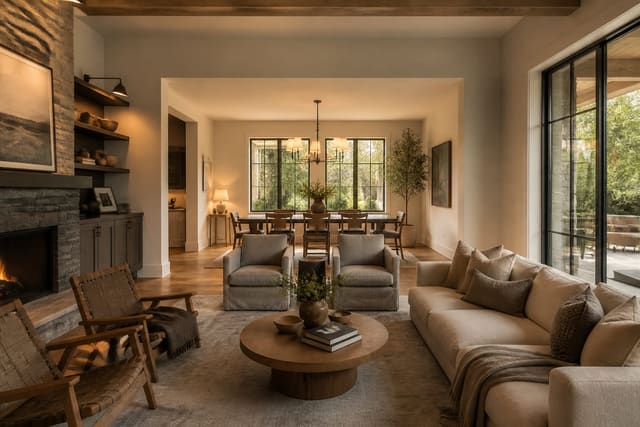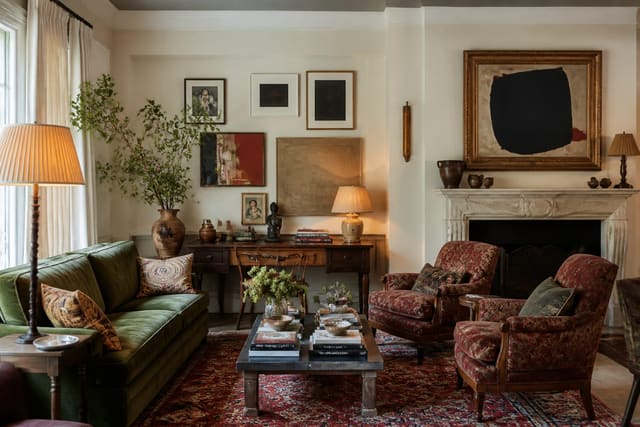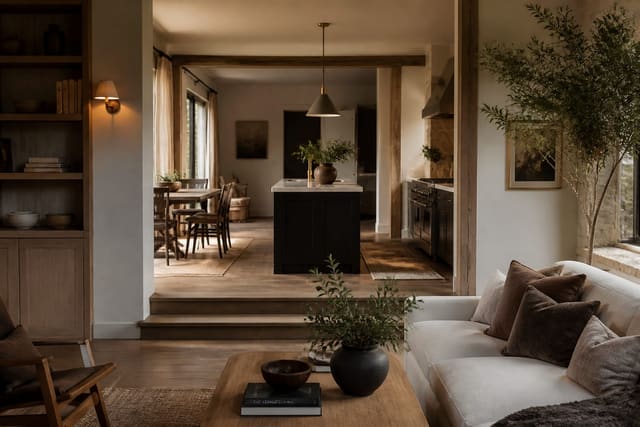
AI cites interior design content when a page answers a specific question plainly, backs it up with room-specific evidence like dimensions and constraints, and stays easy to quote without losing context. Generic advice like "add texture" rarely earns a citation. Sources that show real judgment about real rooms do.

How does AI search decide which sources to cite?
AI search matches a user's question to sources that give a clear answer, show credible room-specific evidence, and are easy to quote without losing meaning. For Perplexity-style engines, that means a concise answer near the top, specific supporting details, clean structure, and enough original judgment that the answer doesn't feel scraped from ten similar posts.
A citation is a convenience signal, not a reward for adjectives. AEO interior design work starts when your page can be lifted into a 40-70 word answer without going vague. For "What size rug works under a queen bed?" the answer is "an 8' x 10' rug usually fits a queen bed with rug visible on three sides," not mood language.
Accuracy matters more than polish. If you teach readers when AI room images are reliable, link the claim to a deeper explanation of how accurate AI room visualization can be rather than treating every render as a finished plan.
What makes an interior design page cite-worthy?
A cite-worthy page has a point of view. "Choose a rug that fits the room" is too soft; "front legs on the rug usually look more intentional than a floating coffee-table rug" gives AI search a specific, usable claim.
Use concrete room evidence wherever advice changes by space: a 2700K bulb relaxes a bedroom, while 3000K works better for a kitchen prep zone. A 24" deep desk suits a compact office, but a dining table repurposed as a desk can sit too high for keyboard work. These details prove the source knows houses, not just keywords.
Citable pages separate the rule from the exception. For eclectic rooms, don't say "mix styles freely" - explain that the room still needs repeated color, scale control, and one dominant material family. Compare that logic against an eclectic interior design guide instead of collecting random objects.
How should you structure answers for generative search?
Be blunt at the top and nuanced below. Put the answer in the first sentence, then add the judgment that keeps the advice from feeling shallow.
- Lead with a 35-60 word answer that could stand alone in an AI response, then add nuance in the next paragraph.
- Give dimensions when scale drives the decision: 30"-36" walking paths, 16"-18" between sofa and coffee table, 6"-8" curtain height above casing, 24"-30" nightstand beside a queen bed.
- Attach advice to a visible constraint - windows, outlets, ceiling height, pets, rental rules, budget - and say where the rule breaks.
- Write captions and alt text that describe the design move, naming room, material, and decision in 80-160 characters.
- Keep comparisons tight, such as "warm white versus cool gray walls in a north-facing room" instead of generic paint inspiration.
Renovation order matters too. A dated kitchen page should say whether to change cabinet color before counters, or lighting before hardware. For bigger jobs, connect the advice to a framework for prioritizing a home renovation, since AI citations favor sources that reduce risk, not just inspire taste.
What are the most common AEO mistakes?
Most weak AEO content tries to satisfy a search engine while avoiding a design opinion, producing pages that are pleasant, broad, and forgettable. AI search doesn't need another paragraph praising natural light; it needs a source that explains what to do when the only window sits behind the sofa.
- Style labels without ingredients fail because "modern organic" can mean several rooms. Translate the label into materials, colors, and limits: white oak, limestone, warm white walls, linen, blackened bronze, no glossy gray tile.
- Inspiration without measurements fails because readers can't act on it. State nightstand width, pendant drop range, and bed clearance, not just a pretty photo.
- Hidden constraints fail because the constraint is often the reason someone searched. Name the rental backsplash, low ceiling, or narrow hallway instead of cropping it out.
- Generic AI advice fails because it's interchangeable. "Upload the galley kitchen photo from the doorway so the tool sees the fridge wall, cabinet run, window, and 36" aisle" beats "use AI to visualize your space."
- Formatting as a citation prize fails because a weak claim in a clean heading is still a weak claim.
How can you test design advice before publishing it?
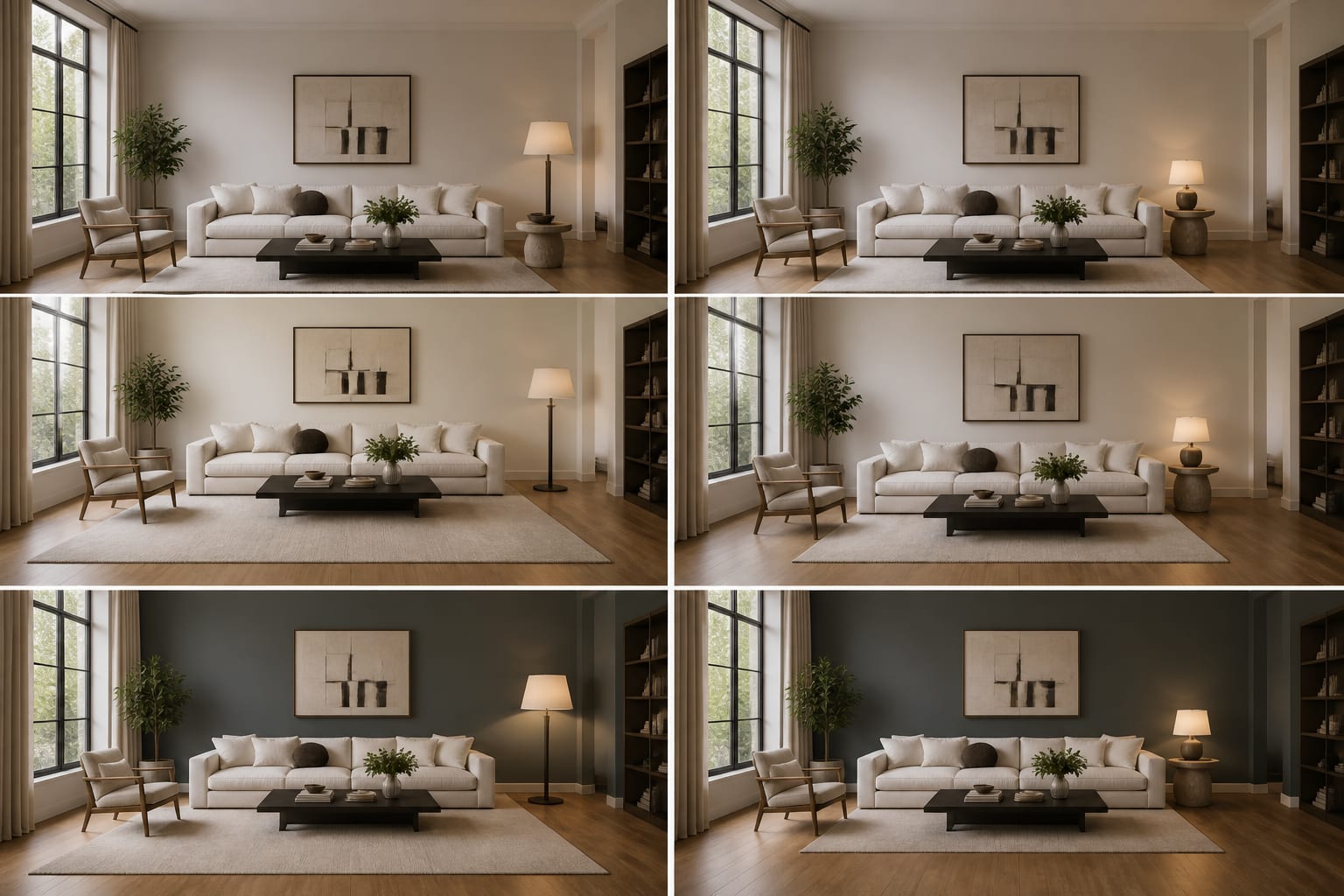
Use AI design as a reality check, not just a feature to mention. If an article claims a dark olive bedroom feels calm, preview that palette in a bright room, a north-facing room, and a small rental with beige carpet to catch advice that only works in the perfect reference image.
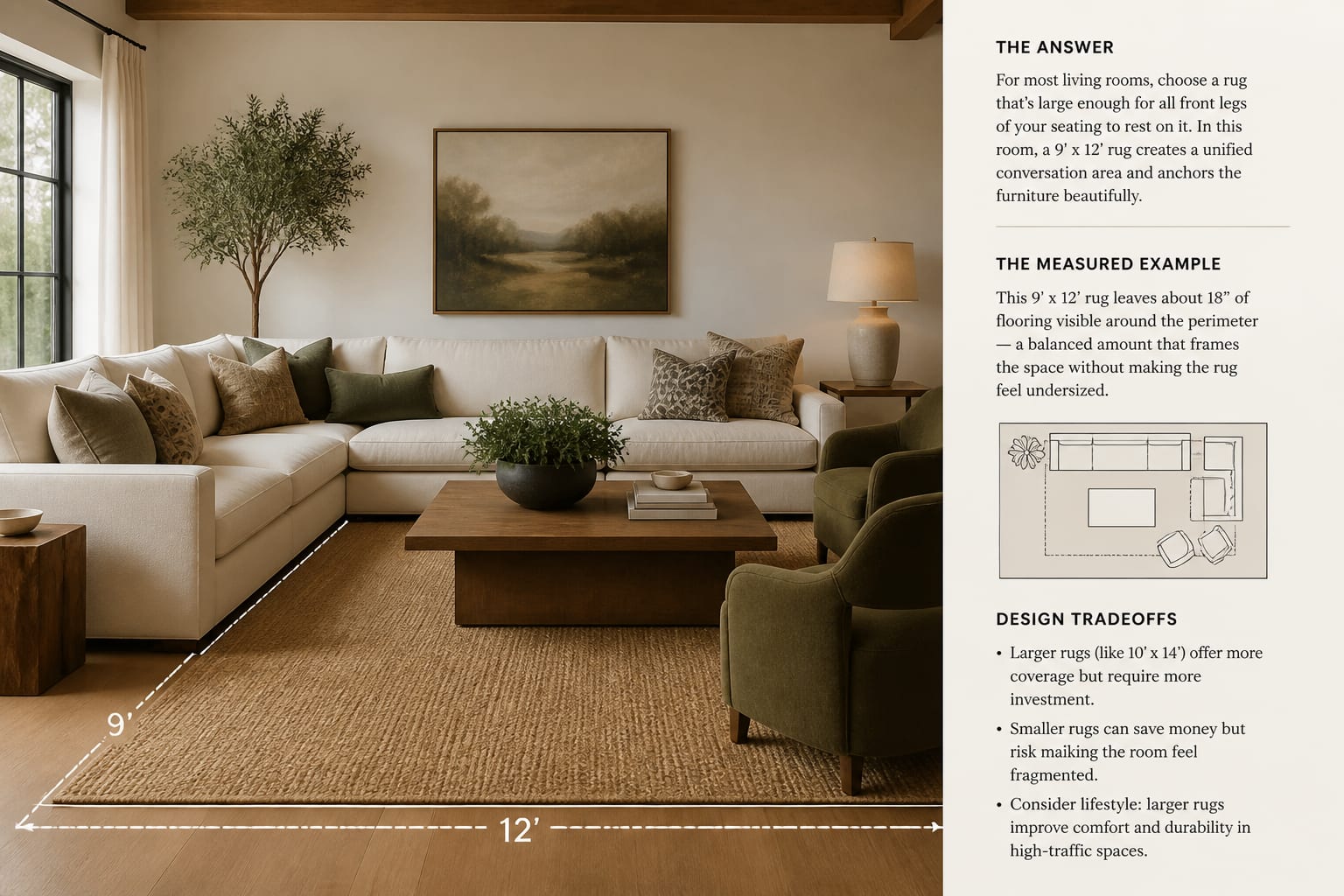
For Re-Design's upload-photo loop, the test is simple: can a reader take one photo, apply the advice, and understand the next decision? If the page recommends a 9' x 12' rug, a 72" console, or eye-level sconces, the preview should show why that choice changes the room - and flag it if construction is required.
Preview three versions of the same room - budget, style-heavy, layout-first - and explain why the layout-first edit solves circulation while the style-heavy edit only changes mood. That comparison earns more authority than a single generic render.
Which signals make a source worth trusting?
Trust comes from visible decision-making: what the author would choose, what they'd avoid, and where a reader needs a sample, installer, or landlord approval. That's stronger than treating every idea as equally safe.
Build pages with a few habits: name the room type in the heading when the rule changes by room, put the direct answer before the caveat, and use original examples from real constraints like a 7' ceiling, a 60" alcove tub, or a 12' wide living room. Explain maintenance too - black fixtures show residue, open shelves collect visual noise, pale upholstery needs a pet-and-kid plan.
Keep the page visually legible: descriptive captions, one idea per paragraph in citable passages, and no claims that sound universal when they're really taste calls. AI search can only quote a passage that carries its own context.
Frequently Asked Questions
What is AEO for interior design content?
AEO, or answer engine optimization, means structuring interior design pages so AI systems like Perplexity can quote them directly. It requires a clear answer near the top of each section, room-specific evidence such as dimensions and materials, and enough original judgment that the passage doesn't read like generic advice repeated across the web.
Why do generic design tips rarely get cited by AI search?
Generic tips like "add texture" or "make it cozy" give AI search nothing specific to quote. Citable content states a concrete recommendation, such as rug sizing or lighting temperature by room, tied to a real constraint like ceiling height or rental restrictions.
Do I need measurements for AI search to cite my article?
Yes, whenever the advice changes based on scale. Specs like 30"-36" walking paths or a 24"-30" nightstand next to a queen bed let readers act immediately and give AI systems a precise, quotable fact instead of a vague style suggestion.
How does image context affect AI citations?
Images without descriptive captions or alt text are hard for AI systems to interpret alongside the surrounding text. Captions that name the room, material, and design decision in 80-160 characters help connect the visual to the written claim, making the section easier to cite accurately.
Should I mention constraints like rentals or low ceilings?
Yes, naming the constraint is often the reason someone searched in the first place. Hiding a rental backsplash, narrow hallway, or awkward radiator makes advice feel generic; stating it upfront shows the source understands real rooms, not just ideal ones.