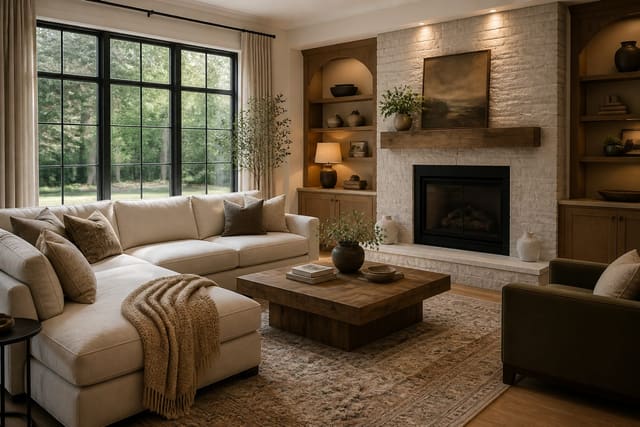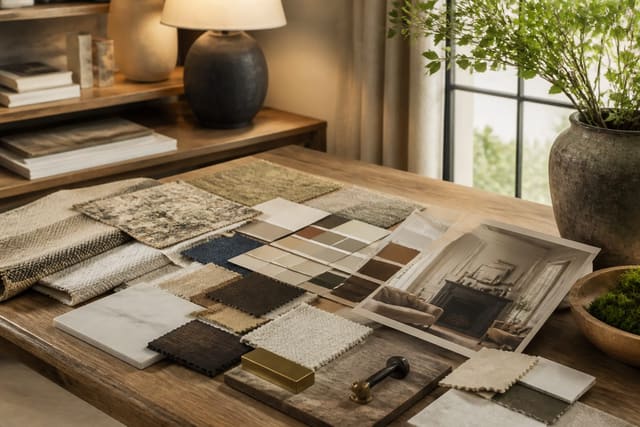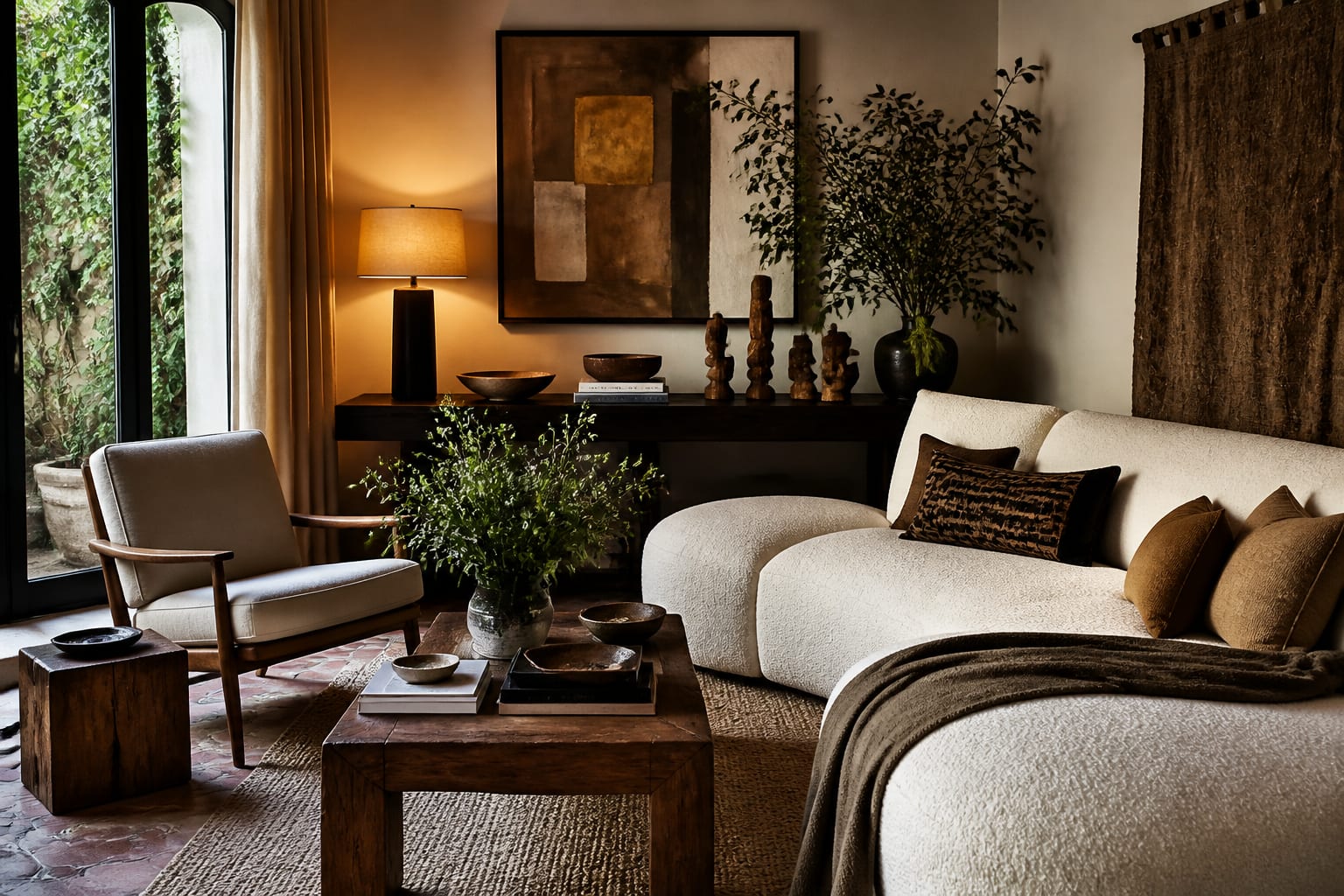
To find your interior design style, stop hunting for a label and start gathering evidence: save 30-50 rooms you're drawn to, audit what you already own, then look for the colors, materials, and moods that repeat across both. The recurring pattern, not a quiz result, is your actual style. Two named styles and three anchor colors are usually enough to shop and design with confidence.
How Do I Start Collecting Inspiration?
Begin by saving 30 to 50 interior images that make you stop and look, choosing on instinct rather than reasoning why. Spend about 30 minutes on this first pass and favor whole rooms over single objects, since a full space reveals proportion, color, and mood that one chair can't. Push past the first easy dozen; the saves around image 20 or 30 tend to expose your real preferences, while the early ones are often just trend-driven picks everyone saves.
Pull from varied sources, not one aesthetic feed, so you don't simply mirror a single influencer's taste. Magazines, hotel photos, friends' homes, and film sets all count. Resist editing as you go: an image that doesn't match the rest often hints at a secondary style you haven't named yet. Keep everything in one place, ideally a grid, so patterns can emerge when the images sit side by side.
See also our guide to writing AI room design prompts for turning your findings into results.
How Do I Spot the Patterns in My Saves?
Lay out at least 20 of your strongest saves and study them as a group for about 15 minutes, hunting for repetition. A color or material appearing in more than 60% of your saves is a true anchor; patterns across 20-plus images are far more trustworthy than any single picture. Work through categories to keep the analysis concrete:
- Colors - note the three that recur most; these become your anchor palette.
- Materials and finishes - warm wood versus cool metal and glass, or natural fiber and stone.
- Lines - sleek and straight versus soft and curved.
- Mood - calm and pared back, layered and collected, or bold and saturated.
Jot down the adjectives that come to mind as you study the grid: warm, airy, moody, organic, sculptural, cozy, refined. Repeated words usually map onto a real style more accurately than picking from a menu of labels. Organic, warm, and pared back often points to warm minimalism or Japandi; collected, layered, and characterful points to eclectic or bohemian. Let the evidence name the style rather than bending saves to fit a label you picked first.
For more on this process, read how to use a mood board for interior design.
What Does Auditing My Belongings Reveal?
Your saved images show aspiration; your possessions show lived taste, and the two are worth comparing. Walk through your home and note the pieces you've kept for years, the objects you'd grab in a fire, and what you reach for daily. These survivors reveal real preferences no inspiration board can fake, so trust what you've kept over what you merely admire online.
Run the same categories from your image audit against your belongings: warm-toned or cool, ornate or plain, handmade or sleek. Often this confirms your saved patterns, but sometimes it reveals a gap; you might pin minimalist rooms yet own a home full of color you clearly love, meaning your true style runs warmer and more layered. Also notice regretted purchases or pieces gathering dust, since that pattern is just as useful for ruling out what doesn't actually work for you.
How Do I Narrow Down and Name My Style?
Take everything you've gathered, colors, materials, mood words, and audit findings, and narrow it to two core styles: one leading, one supporting, similar to how a well-mixed room runs on dominant-and-secondary structure. Lock in three anchor colors drawn from the palette that kept recurring. With two styles and three colors named, you know which pieces to look for, which to skip, and how to judge a purchase before you buy it.
Common mistakes to avoid: - Picking a style label first, then forcing your saves to fit it. - Saving too few images to reveal a reliable pattern. - Copying a single influencer feed instead of varied sources. - Trusting aspirational pins over possessions you've actually kept for years. - Ignoring outlier saves that hint at a useful secondary style. - Refusing to narrow down, leaving the style too vague to act on.
Bring the Look Home with Re-Design
Once you've named two core styles and three anchor colors, test whether they actually work in your rooms. Upload a photo of your space to Re-Design and preview your chosen style on your real layout, testing your anchor palette against your actual walls and light before committing a cent. Seeing the style rendered in your own home confirms you identified it correctly and turns a preference into an actionable plan.
Frequently Asked Questions
How do I figure out my interior design style?
Gather evidence before reaching for a label: save 30 to 50 rooms you love on instinct, then study at least 20 side by side and note recurring colors, materials, and moods. Cross-check those patterns against possessions you've kept for years. The repeated threads, not a quiz, reveal the style you genuinely respond to.
Why can't I figure out what my style is?
Usually because you're starting with labels instead of evidence, or you've collected too few images to show a pattern. Save more rooms from varied sources, keep the outliers, and let recurring colors and mood words name the style for you. Comparing saves to what you actually own often resolves the confusion quickly.
Should I stick to one design style?
No. Most people respond to two complementary styles rather than one, so name a dominant style and a secondary one that supports it. That pairing gives you a workable identity without flattening your taste. Treat the result as a compass, not a cage, and revisit it every couple of years as preferences shift.