Linen has quietly become the default upholstery for people who want their rooms to feel calm and unfussy. The common misstep is expecting linen to stay crisp and wrinkle-free like a showroom photo. The smarter approach is to embrace the gentle rumple as the whole point, then choose a heavy enough weave and a forgiving color so the relaxed look never tips into shabby. A linen slipcovered sofa or a flax-toned bed reads soft, breathable, and quietly expensive precisely because it moves and creases like a natural fiber should.
Why linen feels different from other upholstery
Linen comes from the flax plant, and its fibers are longer and stronger than cotton, which is why a good linen sofa keeps its shape for years. The fiber has a slightly irregular slub, those tiny thick-and-thin variations in the yarn, that give the fabric its organic, handmade character. That irregularity is also why linen never looks flat or plasticky the way some synthetics do, even from across the room.
The fiber breathes, wicking moisture and staying cool against skin, which is why linen sheets feel good in summer and why a linen sofa never gets sticky on a hot afternoon. The trade-off is wrinkling. Linen creases the moment you sit on it, and no amount of plumping keeps it pristine. People who love linen stop seeing the creases as flaws and start reading them as softness. If a flawless, taut surface is what you want, linen is the wrong fiber and you should look at a tight-woven performance blend instead.
Linen also softens as it ages, which sets it apart from most upholstery. A new linen sofa can feel slightly crisp or even stiff out of the box; after a few months of use and a wash or two of the covers, the hand relaxes into something supple and broken-in. This is the opposite of how cheap synthetics behave, since those tend to pill and degrade with wear. That graceful aging is a big part of why designers reach for linen on pieces meant to last, and why a well-chosen linen sofa often looks better in year five than it did on delivery day. Buy it expecting the fabric to evolve rather than stay frozen.
Where linen earns its place, room by room
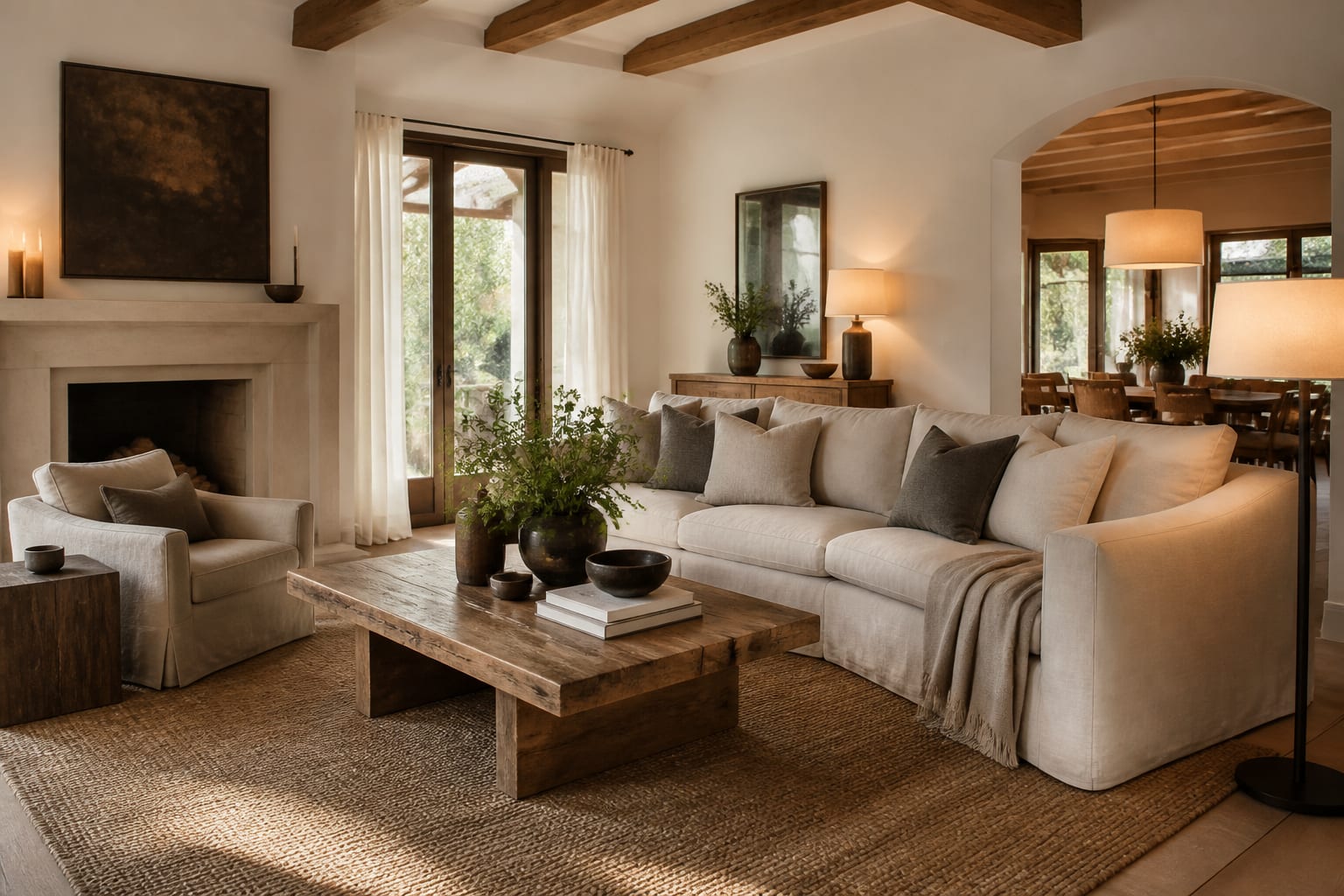
A linen sofa is the centerpiece argument for the fabric. A slipcovered three-seater in oatmeal linen, roughly $1,200 to $2,800, anchors a living room with a soft, understated presence and washes up when life happens. Linen accent chairs at 27 to 30 inches wide bring the same airy quality to a corner without the commitment of a full sofa. A linen-cushioned window seat is a particular joy, because the breathable fabric stays comfortable through a long afternoon of sun and reading.
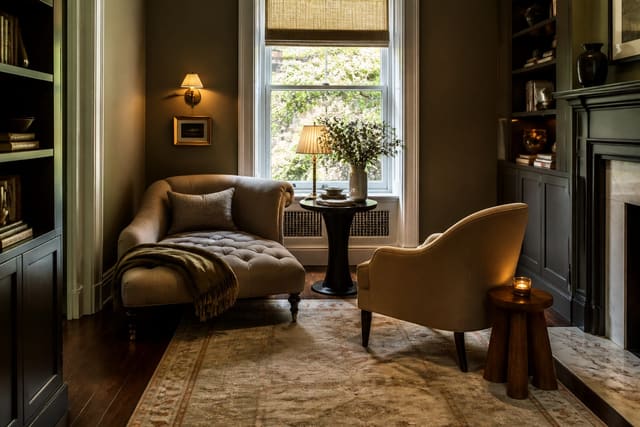
Bedrooms are where linen truly shines. An upholstered linen headboard at 58 to 62 inches tall gives a relaxed, gallery-quiet backdrop, and a linen bench across the foot of the bed repeats the texture. A linen reading chair tucked into a corner makes the kind of soft, inviting spot detailed in our reading nook ideas, where the goal is a seat you sink into for an hour. Even dining rooms benefit, where linen-upholstered chair seats warm up a hard table setting without screaming for attention.
Linen also plays unusually well with other materials, which is part of why it suits so many styles. Against warm wood it reads farmhouse and relaxed; against black metal and stone it turns crisp and modern; layered with wool and boucle it adds a lighter, breathable note so a room of soft textures does not feel stuffy. Because the natural tones are so quiet, linen rarely fights anything else in the space, which makes it a forgiving choice when you are building a room piece by piece over time. A linen sofa today still works with the leather chair and brass lamp you add two years from now.
Choosing linen that holds up
Weight is the spec that matters most. Apparel linen, made for shirts, pills and sags fast on furniture. For upholstery, ask for a fabric of at least 12 ounces per linear yard, and ideally a linen-blend with a small percentage of synthetic for added abrasion resistance. A Wyzenbeek rating of 30,000 double rubs or more signals a cloth built for real seating. Tighter weaves resist snags from pets and zippers better than loose, open ones.
Color does double duty. Mid-tone naturals forgive the inevitable. Try these combinations:
- Oatmeal linen sofa against pale plaster walls and a natural oak floor for a soft, sun-washed living room.
- Flax-toned linen chairs beside a dark walnut table to lighten a formal dining setting.
- Greige linen slipcover layered with a charcoal throw and linen-blend pillows for quiet tonal depth.
- Warm sand linen headboard paired with white bedding and aged-brass sconces for a restful bedroom.
- Pale stone linen on a window seat cushion topped with a washable cotton cover for sun-facing durability.
- Natural undyed linen drapery hung to puddle slightly, echoing the slubby texture of the seating below.
Steer clear of stark white and very dark linen for daily-use pieces. White shows every smudge and dark linen reveals lint and pet hair, while mid-tone naturals quietly absorb both.
Living with linen day to day
Linen is more forgiving than its delicate reputation suggests, especially in slipcovered form. Unzip and machine-wash slipcovers on cold, then air-dry or tumble low and put them back slightly damp so they settle smoothly over the frame. For fixed upholstery, vacuum weekly and blot spills fast with a clean cloth; many upholstery linens carry a water-safe cleaning code. Avoid wringing or scrubbing, which can distort the weave.
Rotate and flip loose cushions weekly so the seat wears and creases evenly rather than developing one permanently flattened spot. Keep linen out of relentless direct sun, since UV slowly weakens and yellows natural fibers. A little crease and a soft drape are signs the fabric is doing exactly what linen does; lean into it rather than ironing every cushion before guests arrive.
A few habits keep slipcovers looking their best over the long haul. Wash covers as a full set rather than one cushion at a time, since a single laundered piece can end up a shade brighter than its faded neighbors. Skip fabric softener, which coats the fibers and dulls linen's matte finish, and avoid hot dryers, which shrink and stiffen natural flax. If creases bother you in a formal room, a quick pass with a handheld steamer relaxes them without the flattening effect of an iron. None of this is demanding, and the payoff is a sofa whose covers you can refresh for years rather than a fixed upholstery job you can only ever spot-clean.
Test linen in your space before buying
The hardest thing about choosing linen is judging the tone, since oatmeal in a catalog can read pink, gray, or yellow once it meets your actual lighting. Re-Design takes the guesswork out. Upload a photo of your living room or bedroom, then re-design it with a slipcovered linen sofa, a flax headboard, or a pair of linen chairs and see how the natural tone behaves under your own windows and lamps. Comparing oatmeal against greige, or a relaxed slipcover against a tailored upholstered frame, takes only a moment, so you order the shade and silhouette you have already watched work in the room.
Frequently Asked Questions
Does linen furniture wrinkle too much for everyday use?
Linen does wrinkle, and that soft rumple is intrinsic to the fabric. Heavier upholstery-weight linen and linen blends crease less dramatically than thin apparel cloth, and slipcovered pieces can be smoothed after washing. The honest answer is to choose linen because you like the relaxed, lived-in look, not despite it. If you need a taut, crisp surface, pick a performance blend instead.
Is linen durable enough for a family sofa?
Yes, with the right specification. Look for upholstery linen at 12 ounces per yard or heavier, ideally a blend rated 30,000-plus double rubs, and choose a slipcovered design so covers come off for washing. Mid-tone natural colors hide everyday marks. Built this way, a linen sofa handles kids and daily use for many years.
What linen colors are easiest to live with?
Mid-tone naturals are the most practical: oatmeal, flax, greige, sand, and pale stone all disguise minor stains, lint, and pet hair while pairing with nearly any other color. Avoid stark white, which shows every smudge, and very dark linen, which highlights dust and hair. Those forgiving naturals are also why linen reads so calm and cohesive.