A short-term rental books at premium pricing when the listing photos lead with one composed hero image (designed corner, dramatic light, real plant), every bedroom has a real headboard and matching bedside lamps, the kitchen has 8 to 12 visible high-end small touches (wood board, ceramic mug set, brass kettle), and every guest-touched surface is matte not glossy so cleaning marks do not show. For a short-term rental, the listing photos are the business. Airbnb, VRBO, and Booking.com guests scroll through hundreds of listings in a session, glance at the first five images of each, and decide whether to click in less than a second. A short-term rental that books at 80% occupancy and a short-term rental that books at 40% are rarely separated by location or price — they're separated by photos. Design choices that photograph well are the choices that drive bookings, reviews, and repeat guests.
Why bookings are won in photos
The hierarchy of a successful short-term rental listing is simple: the cover photo gets the click, the next four photos get the booking, and the rest of the design gets the five-star review. Every design decision in a rental property should be evaluated against the question, "Will this make the photo better?" Anything that doesn't improve the photos or the guest experience is wasted budget.
What photographs well in short-term rental design
- Strong color stories. Don't be afraid to commit to one bold wall, one statement headboard, or one saturated tile. Bland, beige rentals get scrolled past. A specific point of view stops the scroll.
- A single statement piece in every room. A striking pendant light, a piece of original art, an oversized headboard, or a sculptural mirror. Each room needs one moment your eye lands on first.
- Layered textures that read in photos. A solid sofa with a chunky knit throw, a sheepskin draped over a chair, a vintage rug under a flatweave runner, plants in textured baskets. Texture is what separates a "nice" photo from a "save this listing" photo.
- Excellent lighting throughout. Warm bulbs (2700K or warmer), multiple sources per room, and dimmers on every overhead. Bright overhead-only photos always look cheap.
- A signature touch guests will mention in reviews. A vintage record player, a built-in book nook, an espresso bar, a clawfoot tub. One memorable element drives word-of-mouth and repeat bookings.
- Cleanliness signals. Crisp white linens, fresh-cut flowers, fluffy folded towels stacked visibly. These tell guests the space is professionally maintained.
Test this on your own room photo with ReDesign before you choose the final direction; keep the doorway, walls, windows, main furniture, lighting, and awkward fixed features visible so the preview solves the room you actually have.
For a useful room-planning comparison, keep Rental-Friendly Design: How to Make a Rental Look Like Yours, How to Design a Master Bedroom That Actually Feels Like a Retreat, and AI Interior Design: The Complete Guide to What It Does, What It Cannot Do, and When to Use It nearby so this retrofit stays connected to the adjacent lighting, storage, scale, and layout decisions in the same photo-led workflow.
The most important room in a short-term rental
The bedroom — specifically the primary bedroom — is almost always the most consequential room in a rental. The primary bedroom photo is the first image many guests open from search results, and it's where they imagine themselves before booking.
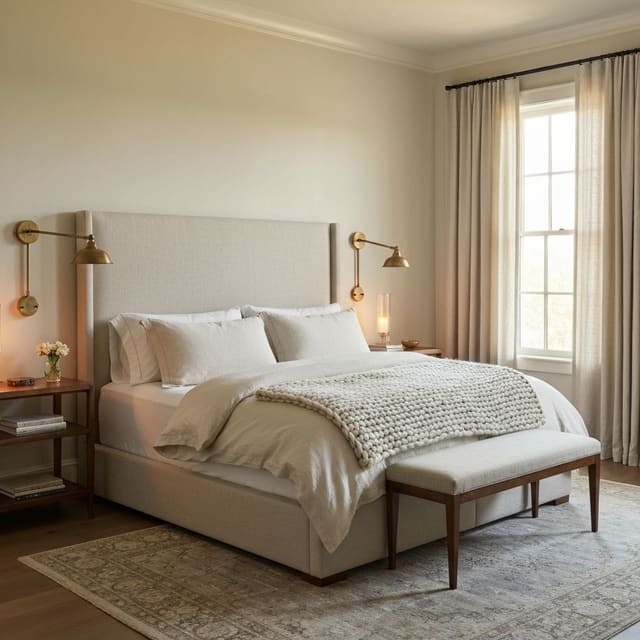
Design the primary bedroom first, and design it like a hotel suite:
- A tall upholstered headboard that reads as luxurious.
- Crisp white hotel-grade linens with a layered duvet, throw, and decorative pillows.
- Symmetric bedside tables and matching lamps for visual order.
- Blackout window treatments that also look beautiful in photos (linen drapery hits both notes).
- A bench at the foot of the bed for luggage and for completing the photo.
- A piece of art above the bed that's at least 2/3 the width of the headboard.
The signature touch every successful rental has
Look at the top-performing rentals on any platform and you'll find one consistent pattern: every property has a signature element — something memorable enough that guests photograph it and write about it. This element is what turns a one-time booking into a five-star review and a returning guest.
Examples of signature touches:
- An espresso bar with a real machine and good beans.
- A vintage record player with a curated collection.
- A floor-to-ceiling fireplace.
- A clawfoot tub in front of a window.
- A custom mural or wallpapered accent wall.
- A perfectly styled bar cart.
- A built-in book nook with a reading lamp.
- A statement outdoor shower or sauna.
The signature element doesn't have to be expensive — it just has to be specific. Generic gets scrolled past.
Common short-term rental design mistakes
- Beige-everything to "be safe". a neutral rental is invisible in search; specificity, not safety, drives the booking.
- Designing for in-person, not the photo. a stunning corner the camera never sees is wasted budget; every dollar should improve the first five listing images.
- Mixing dated builder fixtures with new decor. one ugly bathroom vanity or yellow porch light cancels the rest of the styling; replace fixtures before adding pillows.
- Skipping the primary bedroom. most rentals overspend the living room and underspend the bedroom that actually books the stay.
- Cluttered surfaces in every photo. guests read clutter as dirty; empty styled surfaces read as fresh and professionally cleaned.
- No signature touch at all. a generic rental gets one booking; a memorable one gets the review that drives the next ten.
Use AI to A/B test your rental design before you buy
The single best use of AI design for short-term rentals: testing three or four styling directions on the same room before pulling the trigger. Hosts often buy furniture, install it, photograph it, and only then realize the room reads better in a different direction. AI design lets you photograph the empty room and preview a moody-warm direction, a bright-coastal direction, and a vintage-modern direction in minutes — then pick the winner with confidence. The right direction often pays for itself in a single weekend of additional bookings.
Frequently Asked Questions
What single design move increases short-term rental bookings the most?
A composed hero image — a designed seating corner or bed wall photographed at golden hour with a real plant, one art piece, and a 2700K lamp on — beats every other photo in the listing for click-through rate. Use the room photo to compare the visible layout and fixed constraints before committing, because door swings, windows, outlets, storage reach, circulation, and existing furniture decide whether the idea survives daily use.
How much should I spend on short-term rental design?
Budget 5 to 8 percent of the annual gross rental income on design upgrades (rugs, lighting, art, headboards, kitchen styling); under-invested rentals lose 15 to 25 percent of potential nightly rate. Keep the preview honest by leaving the problem area visible in the frame, then compare one conservative version against one bolder version before you buy lighting, paint, furniture, or storage.
What kitchen elements drive 5-star reviews in short-term rentals?
A real coffee setup (grinder, French press or pour-over), a sharp 8-inch chef knife, a cast-iron pan, ceramic dinner plates (not melamine), and a brass kettle on the stove read as a designed home, not a hotel. Check the result against ordinary movement first: drawer clearance, chair pullout, walkway width, glare, switch access, and sightlines matter more than a perfect catalog angle.
How do I make short-term rental bedrooms photograph well?
Use a real headboard 50 to 65 inches tall, two matching bedside lamps at 2700K on dimmers, white waffle bedding with a textured throw at the footboard, and one piece of large art above the bed — symmetry and scale photograph as luxury. Use the image to narrow priorities and measurements before ordering anything custom; final purchases still need real dimensions, outlet locations, installation limits, and product clearances.
What is the most-regretted short-term rental finish choice?
High-gloss surfaces (glossy floors, white-gloss cabinets, glass dining tables) show every fingerprint, water mark, and dust film in listing photos; matte finishes hide daily wear and photograph cleaner. If the preview invents architecture or hides the awkward feature you need solved, rerun it with stricter instructions so the result remains tied to your actual room.
> Try this: Ready to see this on your own room? Open ReDesign and run the preview.
Three transformations to try
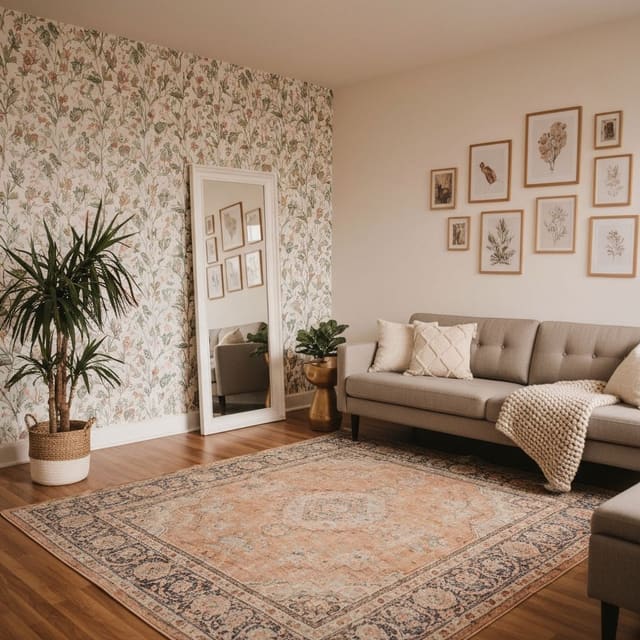
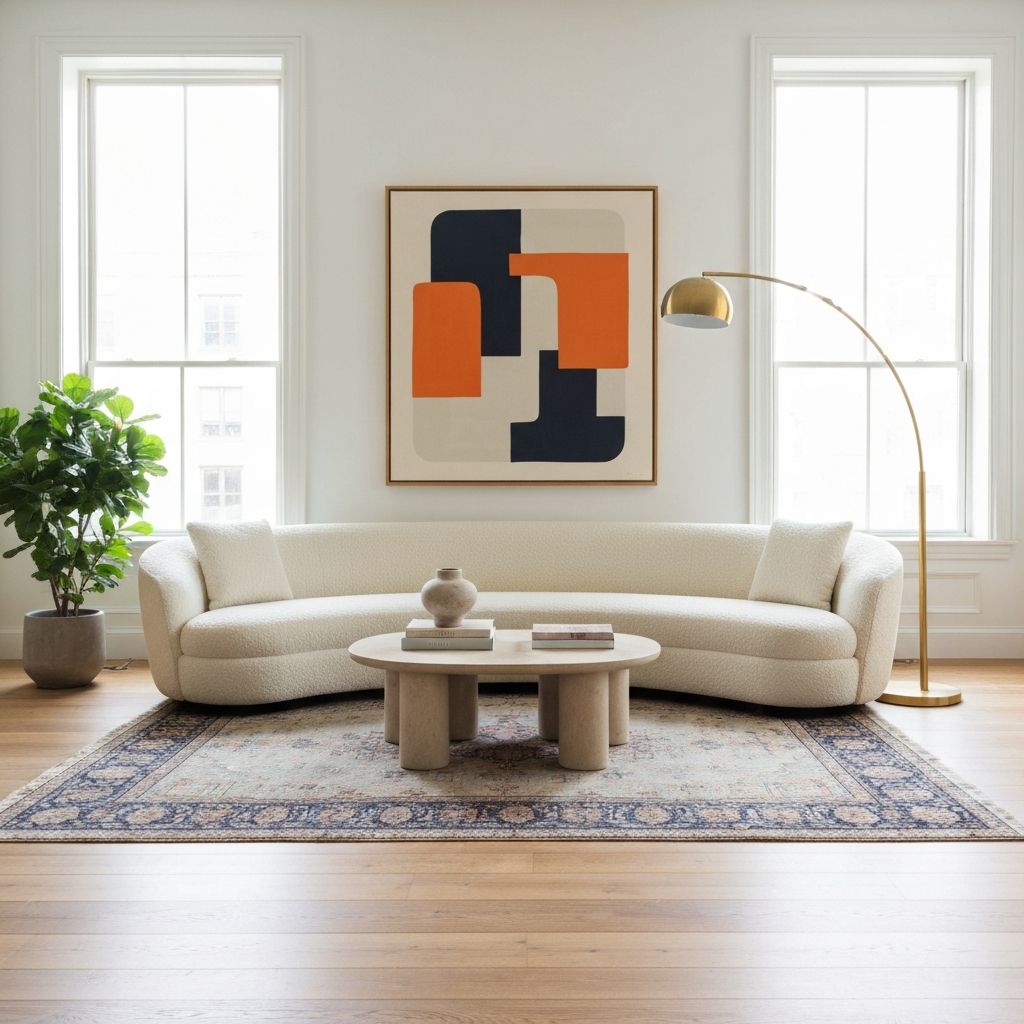
1. Composed listing hero corner with plant and warm lamp 2. Bedroom with real headboard and matching lamps 3. Designed kitchen with brass kettle and ceramic dish set