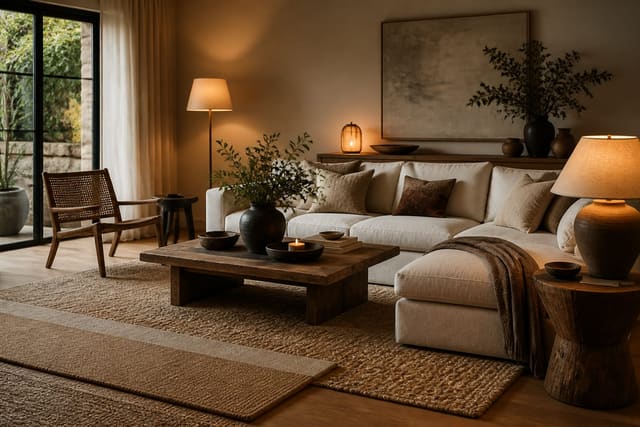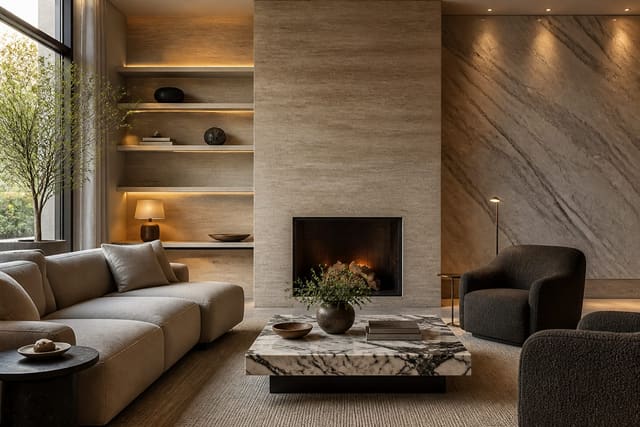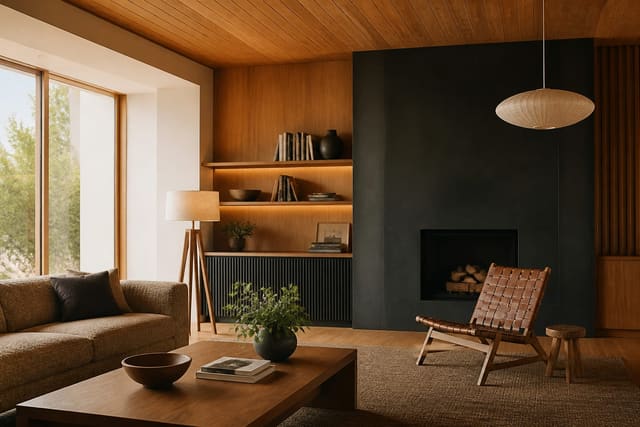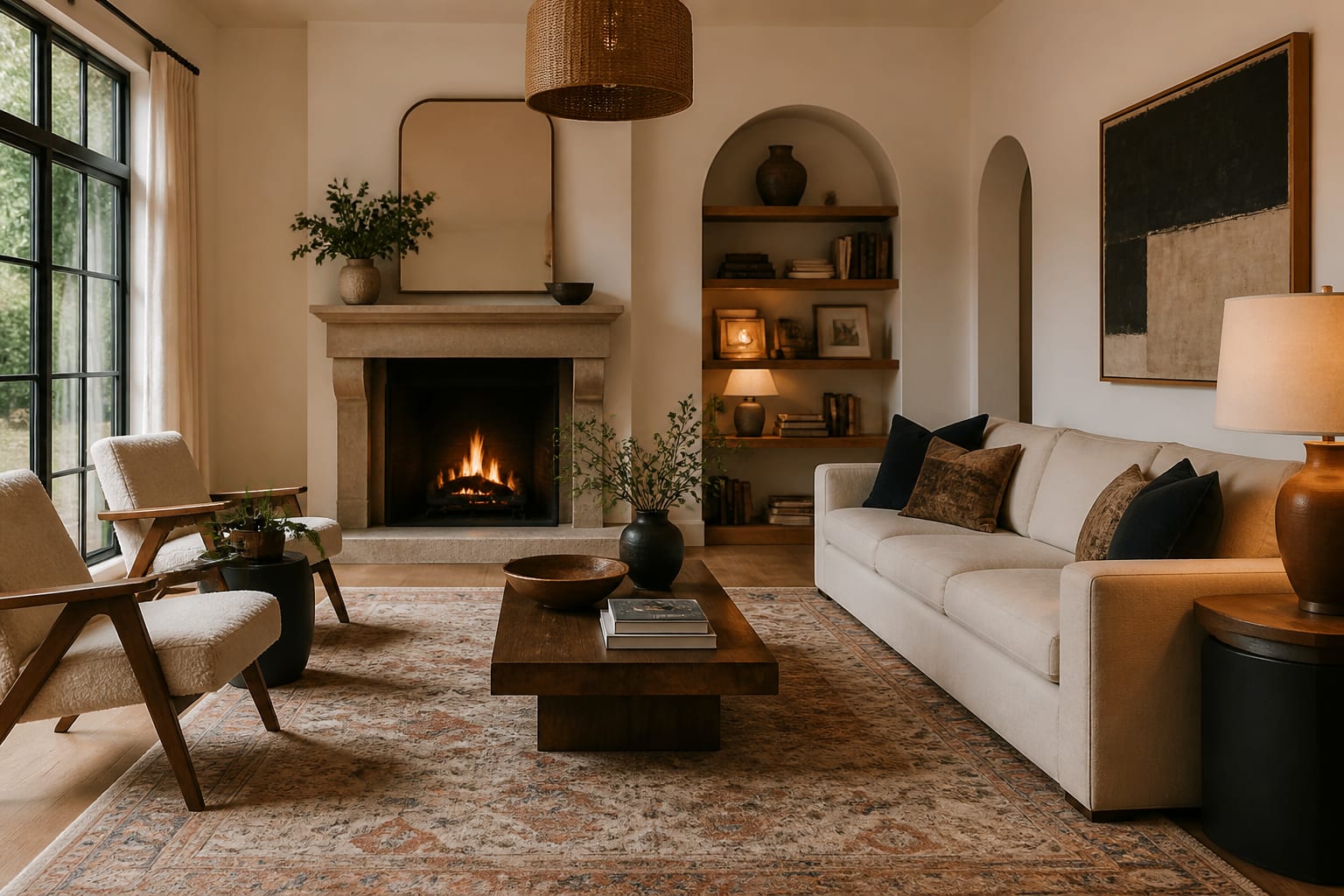
A rug is the cheapest way to anchor a room, and you do not need a $1,200 hand-knotted wool piece to do it well. The honest truth is that most affordable rug brands buy from the same handful of mills, so the real differences come down to material, weave density, and how a brand handles returns when the color is off. I would rather own a $250 machine-washable rug that survives a dog and a toddler than a delicate $900 one I am afraid to walk on. Spend where it shows and skip the markup.
What separates a good affordable rug from a cheap one
The gap between a smart bargain and a regrettable one is rarely the logo on the label. It is the construction. A dense, tightly woven rug holds its shape, hides footprints, and resists the matting that makes a cheap rug look tired by spring. Pile height tells you the use case: a low pile under half an inch suits dining rooms and entries where chairs slide and dirt collects, while a plush one-inch pile feels great in a bedroom but traps crumbs in a kitchen. Match the rug to the room's traffic and you will be happy far longer than the price tag would suggest.
Material is the other half of the decision. Polypropylene and other synthetics are the workhorses of the affordable category, shrugging off stains and sunlight for $60 to $200 in a standard 5x7. Natural fibers cost more and behave differently; wool is springy, durable, and naturally stain-resistant but runs $300 and up, while jute and sisal bring texture at a mid price but punish spills. The trick is to spend on material where it earns its keep and save everywhere the difference will never show under a coffee table.
Backing and construction quietly decide how long a budget rug lasts. A latex or canvas backing keeps a rug from creeping across the floor, while a flimsy one curls at the corners within months and becomes a trip hazard. Tufted rugs, where the fibers are punched into a backing and glued, cost less but shed and flatten faster than woven ones, where the structure is built into the weave itself. You do not need to memorize the manufacturing, but reading the product description for words like woven, flatweave, and latex backing tells you more about the next five years than the price does. A $150 woven rug often outlasts a $250 tufted one.
Affordable rug brands compared by price and use
Here is how the popular budget options stack up when you line them up by what they actually do well. Use this as a starting filter, then confirm the exact size and material before you buy, because every brand carries a wide range.
| Brand type | Typical 5x7 price | Best material strength | Best for | |---|---|---|---| | Washable-rug specialists | $80 to $250 | Thin printed polyester, machine washable | Kitchens, entries, kids' rooms | | Big-box value retailers | $50 to $180 | Polypropylene, stain-resistant | Rentals, basements, quick refreshes | | Online flat-weave brands | $120 to $350 | Cotton and wool blends, reversible | Living rooms, layering over larger rugs | | Natural-fiber importers | $150 to $400 | Jute and sisal, high texture | Low-traffic dens, coastal and boho looks |
The washable specialists win for messy households, the big-box retailers win on pure price, and the flat-weave brands win when you want a thinner profile that sits flush under a door. None of them is the single best answer, which is exactly why you match the brand to the room rather than chasing one name.
How to choose the right rug for each room
Think in zones rather than in brands. In a dining room, prioritize a low, washable pile that lets chairs glide and survives dropped food, which points you toward the washable specialists in the $80 to $250 range. In a living room, where comfort and looks lead, a cotton-wool flat weave or a denser synthetic in the $120 to $350 range earns the spend. Bedrooms can carry a softer, higher pile because the traffic is light and bare feet appreciate the cushion.
Here is a quick room-by-room shortlist to shop from:
- Dining room: a low, washable pile in the $80 to $250 range that survives dropped food and sliding chairs.
- Living room: a cotton-wool flat weave or dense synthetic in the $120 to $350 range for comfort underfoot.
- Bedroom: a softer, higher pile since the light traffic forgives the extra plush and warmth.
- Entryway: a stain-resistant polypropylene mat that hides grit and dries fast between cleanings.
Size is the mistake people make most, so settle it before you shop the brand. In a living room, the front legs of every major piece of furniture should sit on the rug; an 8x10 is the safe default for most setups, and going too small makes a room feel chopped up. Under a dining table, the rug should extend at least 24 inches past the table edge on all sides so the back chair legs stay on when pulled out. Get the size right and even a modestly priced rug looks intentional. For grounding a room in tactile materials, our natural fiber rug guide goes deeper on jute, sisal, and wool.
Do not overlook the rug pad, which is the cheapest upgrade in the whole category. A $25 to $40 pad keeps the rug from sliding, adds cushion that makes a thin budget rug feel more expensive underfoot, and protects the floor from the rug's backing. It also extends the life of the rug by absorbing foot traffic that would otherwise grind the fibers flat. Buy the pad one size smaller than the rug so it stays hidden, and you have effectively upgraded a cheap rug for the price of a couple of coffees.
Preview affordable rugs in Re-Design before you buy
Frequently Asked Questions
Are washable rugs actually durable?
The better washable rugs hold up well in high-traffic spots, and their thin profile is a feature, not a flaw, since it lets doors clear and chairs slide. The tradeoff is cushion; they feel firmer underfoot than a plush pile. For kitchens, entries, and kids' rooms, the ability to toss the rug in the wash usually outweighs the lack of softness.
What rug size should I buy for a living room?
Aim for a rug large enough that the front legs of your sofa and chairs rest on it, which ties the seating group together. For most living rooms that means an 8x10, and larger spaces often need a 9x12. Buying too small is the most common error and makes the furniture look like it is floating.
Is polypropylene a downgrade from wool?
Not for every room. Polypropylene resists stains and fading better than wool and costs a fraction as much, which makes it the smarter pick for dining rooms, playrooms, and high-traffic areas. Wool wins on feel, longevity, and natural resilience, so reserve the splurge for bedrooms and low-traffic living spaces where you will notice the quality.