Choosing wood for a home is mostly a choice about tone and hardness, and most people fixate on color while ignoring the grain and the Janka rating that actually decide how the floor lives. My position is simple: pick the species for durability and grain first, then chase the tone with finish, because a good finish can warm or cool almost any board.
The two species that anchor most of these decisions are oak and walnut, so I will frame the whole guide around that comparison and branch out from there.
Oak vs walnut: the core comparison
Most interior wood decisions come down to a light, hard, neutral option versus a dark, softer, dramatic one. Here is the head-to-head:
| Factor | White Oak (Option A) | Black Walnut (Option B) | |---|---|---| | Janka hardness | 1,360 lbf | 1,010 lbf | | Tone | Pale, neutral, takes stain well | Rich chocolate brown, warm undertone | | Grain | Tight, straight, subtle | Open, flowing, dramatic | | Best use | High-traffic floors, cabinets | Furniture, feature pieces, low-traffic floors | | Price band | $5 to $9 per sq ft | $9 to $18 per sq ft |
Option A, white oak, is the safer pick for a whole-home floor because the 1,360 Janka rating shrugs off daily traffic and the neutral tone takes almost any stain. It is the species most modern floors default to for good reason: it is forgiving, widely available, and it can be pushed warm, cool, or nearly white with stain. Option B, walnut, is the one you reach for when you want the wood itself to be the statement, accepting that its 1,010 Janka surface shows dents and scratches sooner. Walnut rewards you with a depth of color no stain on oak can truly fake, which is why it tends to live on furniture and feature stairs rather than mudroom floors.
If you want a third lane, hard maple at 1,450 Janka is harder than both and reads pale and creamy, while hickory at 1,820 Janka is the toughest mainstream choice but comes with a wild, high-contrast grain that not every room can absorb.
Reading tone, grain, and finish
Tone is the part people get wrong because they judge a sample under store lighting. A board that looks warm honey in a showroom can read orange under west-facing afternoon sun, so always test a plank in the actual room across a full day. Tape a few sample boards to the floor and look at them at morning, noon, and dusk before you sign anything, because artificial showroom light flatters almost every species equally.
Grain decides how busy the surface feels. Tight, straight grain like quarter-sawn oak reads calm and modern, while the open cathedral grain of plain-sawn walnut or hickory reads rustic and active. A few pairings that hold up: - Pale white oak with matte poly for a quiet Scandinavian floor. - Walnut with a hardwax oil for a soft, hand-rubbed furniture finish. - Reclaimed fir with a clear seal where you want patina and history to show.
Finish sheen matters as much as stain. A matte or satin topcoat at 10 to 25 sheen hides micro-scratches and foot traffic far better than a glossy 70-sheen surface that spotlights every scuff. Plank width plays into the same calculation: wide 7-inch boards read contemporary and calm, while narrow 2.25-inch strip flooring reads traditional, and the wider the board the more each knot and color shift matters.
There is a sourcing layer worth caring about too. Look for FSC-certified stock, which traces the lumber back to responsibly managed forests; on a slow-growing species like walnut, that certification is the difference between a renewable choice and a depleting one.
Pairing wood with the rest of the room
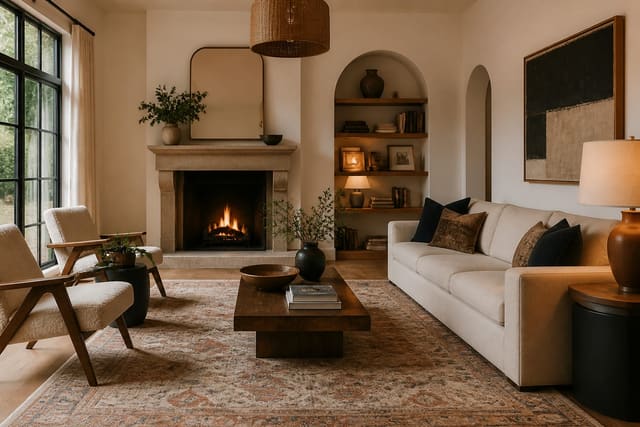
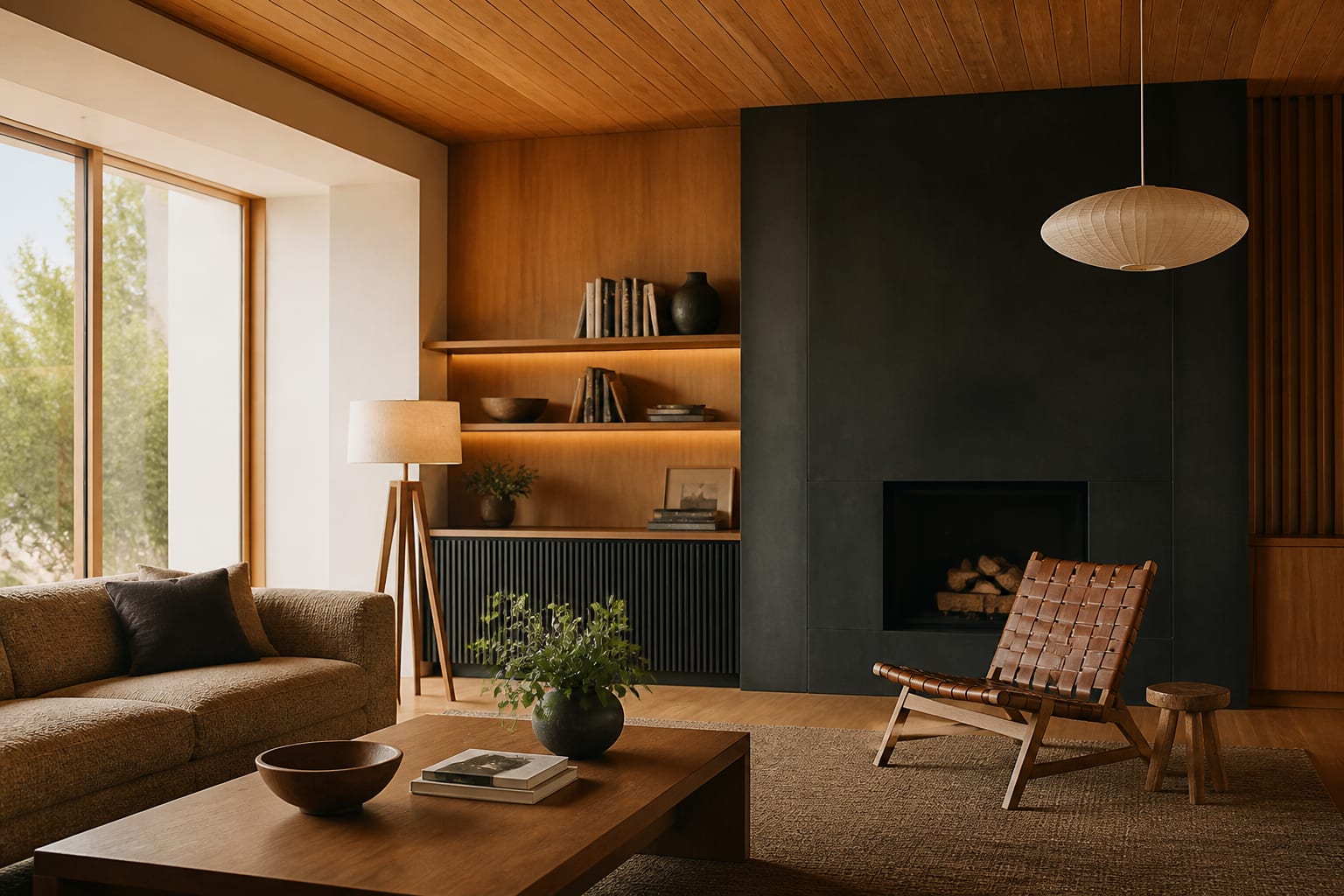
Wood almost never stands alone, and the mistake is matching every wood element to one identical tone, which flattens a room. Let one wood lead and others vary in tone or grain direction so the space has depth. A walnut table over a white oak floor works precisely because the two woods differ; force them to match and the eye reads the mismatch as a mistake rather than a choice.
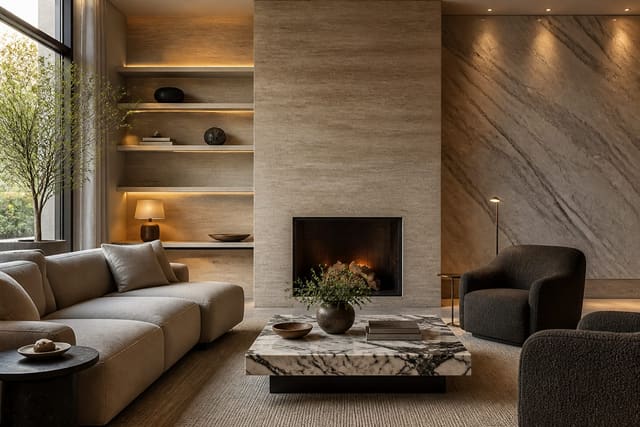
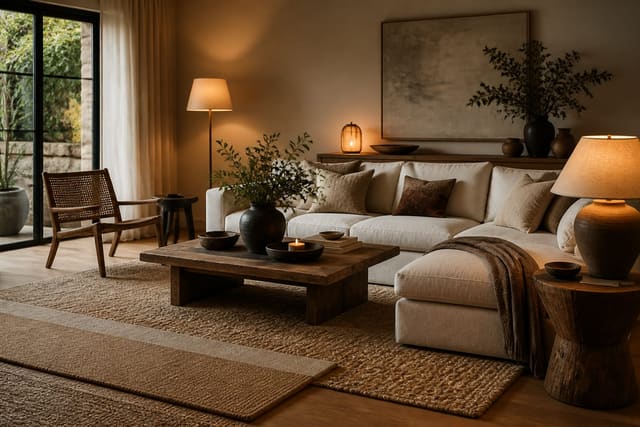
Anchor the contrast with textiles and stone rather than more wood. A flatweave or wool rug grounds a wood floor and softens the echo; the affordable rug brands guide is a good shortlist if you want that layer without overspending, and a natural-fiber option from the natural fiber rug guide adds texture against a smooth board. For hard contrast, set the wood against a cool surface like the honed marble or quartzite covered in the natural stone interior design guide, which keeps a warm walnut from tipping the whole room amber.
Undertone is the trap inside all of this. Oak runs slightly golden or pinkish, walnut leans purple-brown, and maple skews yellow, so a floor and a cabinet that both look "brown" can clash badly when their undertones fight. The cleanest rule is to keep undertones in the same temperature family across a room: pair warm with warm, cool with cool, and use a neutral stone or textile as the referee when you want to mix.
There is also a value angle for resale. White oak in a mid-tone, low-sheen finish has stayed the broad-appeal default for years, so it is the safer call if you may sell within the decade, while a bold dark walnut floor is a stronger personal statement that a future buyer either loves or wants to refinish.
Use AI design to preview wood tones before you commit
A floor or a run of cabinets is a five-figure commitment you live with for a decade, so previewing the tone in place is worth the minute it takes. A stain that looks rich on a showroom chip can turn orange or muddy under your own bulbs, and that mismatch is far cheaper to catch on screen than after install. Upload a photo of your room to Re-Design and swap in white oak, walnut, or a stained variant to see how each species reads against your existing light, walls, and furniture. You can compare a pale oak floor against a dark walnut one in the very same room, which exposes how much a tone shifts the whole mood before any installer arrives. That side-by-side on your real space is the cheapest insurance against a wood you will resent.
The preview is especially useful for the undertone problem, because a stain chip the size of a credit card never shows you how a color behaves across a whole floor under your own windows. Render the full plank field in your room and the golden-versus-cool question answers itself instantly. Test the wood against the rug and wall colors you already own, and you will know whether to chase oak, walnut, or something stained in between before a single board is ordered.