
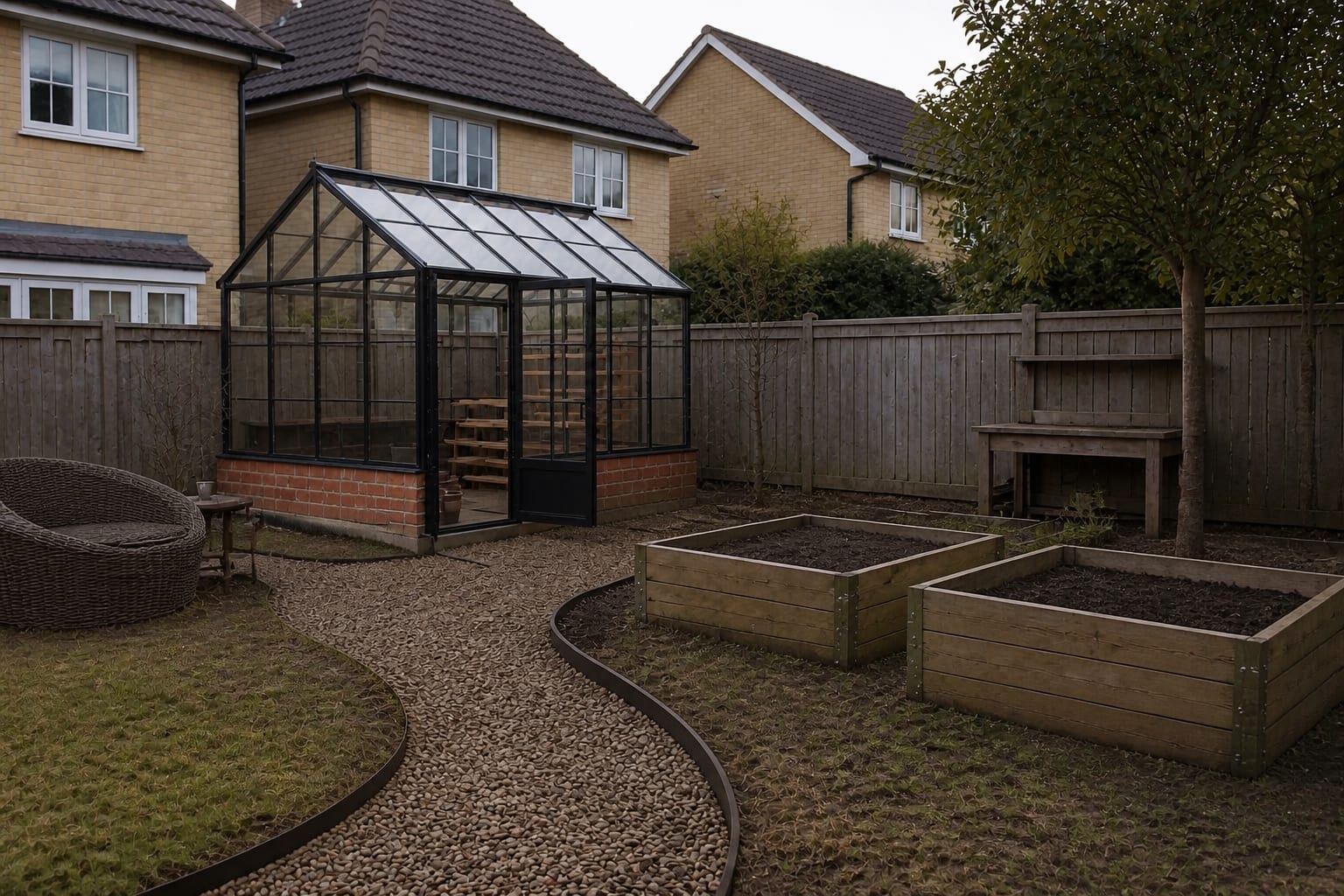
AI biophilic room design is useful because the style has visible rules: natural light, plants, organic forms, wood, stone, cork, water, and views. A good render can show whether your real room wants a moss wall, a calmer plant layout, warmer wood, or only a few natural textures. The point is not to paste a jungle over the photo. It is to test how nature-connected design can work with your existing windows, floor, ceiling height, and furniture.
What AI Can Show Quickly
A room photo already contains the information that matters: where the windows are, how much wall is available, what color the floor is, whether the ceiling is low, and which furniture has to stay. Re-Design uses that room context as the starting point, then applies a biophilic layer over it. That layer might include a larger plant near the window, a wood console replacing a glossy one, a cork or jute texture underfoot, or a living wall on the one blank surface that can handle the attention.
The visual advantage is speed. You can test a full plant wall, decide it is too much, then try a quieter room with one tall tree, linen curtains, and a warm oak table. You can see whether sage paint calms the room or makes it dull. You can compare a curved sofa with your existing rectangular layout. Those decisions are much easier when the preview uses your actual room rather than a generic inspiration image.
AI is especially helpful for renters because it can separate reversible changes from renovation ideas. Ask for no structural changes, no altered windows, and no new flooring if those are off limits. Then test plants, textiles, plug-in lighting, removable wall panels, and freestanding storage.
Prompt The Style Without Losing The Room
A weak prompt says, "make this room biophilic." A stronger prompt names the nature connection and the constraints. Try: "Redesign this living room in a calm biophilic style while keeping the existing window size, floor, ceiling height, sofa, and main walkway. Add layered plants near the window, warm oak storage, linen curtains, a jute rug, curved side table, stone lamp, and soft 2700K lighting. Do not add new windows or change the architecture."
That prompt gives the model permission to improve the room while keeping the real project honest. If the output depends on a floor-to-ceiling glass wall you do not have, reject it. If the output simply adds twenty plants with no better layout, ask for fewer plants and stronger natural materials. Biophilic design is not plant quantity; it is the connection between light, living things, texture, and comfort.
For bedrooms, emphasize refuge: linen bedding, one or two air-cleaning plants, warm wood, dim lamps, and uncluttered surfaces. For home offices, emphasize light direction, a desk near the view, plant placement that does not block work, and materials that make the screen-heavy room feel less synthetic.
The Bold Moves Worth Previewing
Some biophilic ideas are hard to imagine until you see them in your own room. A moss wall may be perfect behind a desk and overwhelming behind a sofa. Cork flooring might warm the room beautifully, or it might fight existing wood trim. A vertical plant shelf can frame a window, or it can steal too much light from the rest of the room. AI lets you test those decisions at low cost.
Preview three versions. First, a minimal biophilic layer with better light, one large plant, and natural textiles. Second, a material-forward version with cork, stone, wood, wool, and curved furniture. Third, a plant-rich version with shelves, hanging plants, and a possible living wall. The winning image is usually the one that still looks livable when the novelty fades.
Use the render as a design brief, not a shopping list. Pull out the repeatable ideas: plant height, rug material, wall color, lamp temperature, furniture shape, and the amount of negative space. Those are the decisions that translate into a real room.
Bring The Look Home With Re-Design
Open Re-Design, upload a straight-on photo, and choose a biophilic direction. Test a calm plant-rich bedroom, a brighter home office, a moss wall in the living room, or a conservatory mood for a sunroom. Keep the room constraints visible in the photo so the preview solves the space you have, not an imaginary one.
Frequently Asked Questions
How do I make my room biophilic?
Start with one real nature connection: daylight, a view, live plants, natural materials, or organic forms. Then layer two or three supporting choices such as linen, wood, stone, cork, curved furniture, or warm light.
Can AI design a biophilic room from my photo?
Yes. AI can preview plants, natural materials, and organic forms in your actual room, but the best results come from prompts that preserve your real windows, ceiling, floor, and furniture constraints.
What should I ask Re-Design to add?
Ask for layered plants near natural light, warm wood or cork, linen or wool textures, stone accents, curved furniture, and no invented architecture unless you are planning a renovation.


