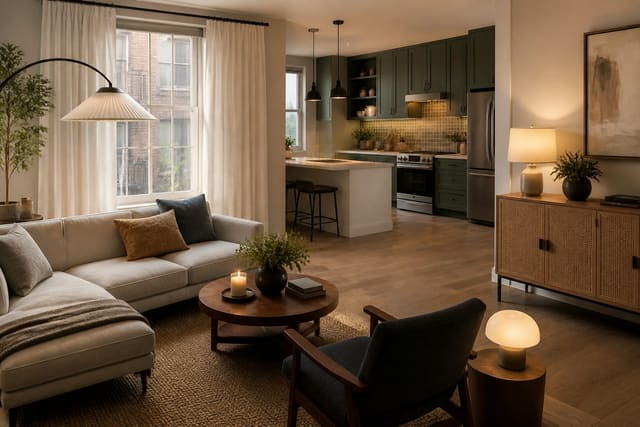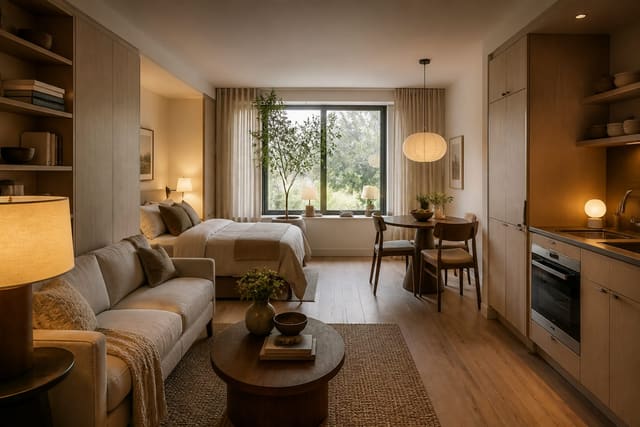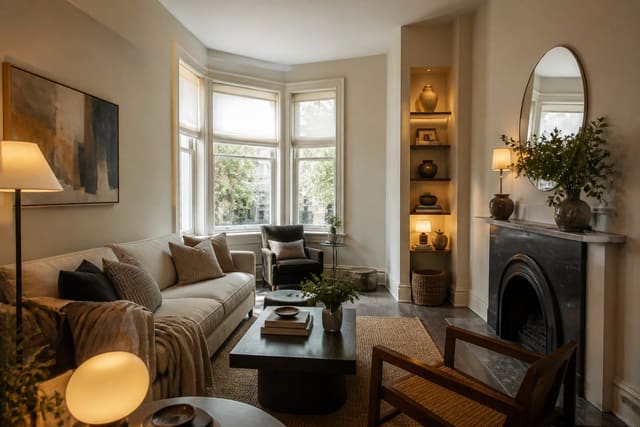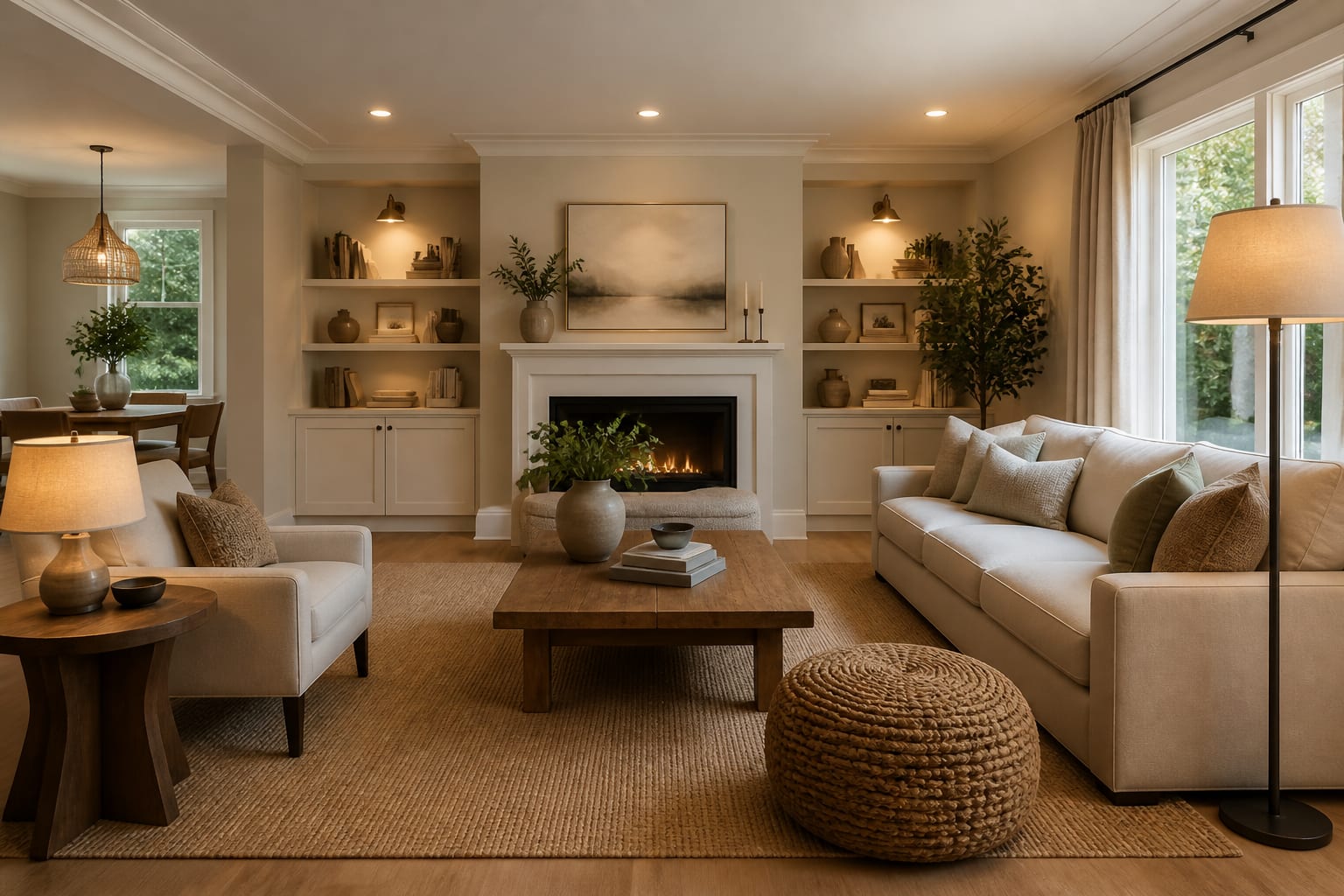
AI home staging design lets you upload real listing photos and preview buyer-ready layouts, colors, and furniture scale before renting furniture or repainting anything. It turns a half-empty, cluttered, or dated room into a clear staging plan, showing exactly what to change so listing photos sell the space instead of confusing buyers.
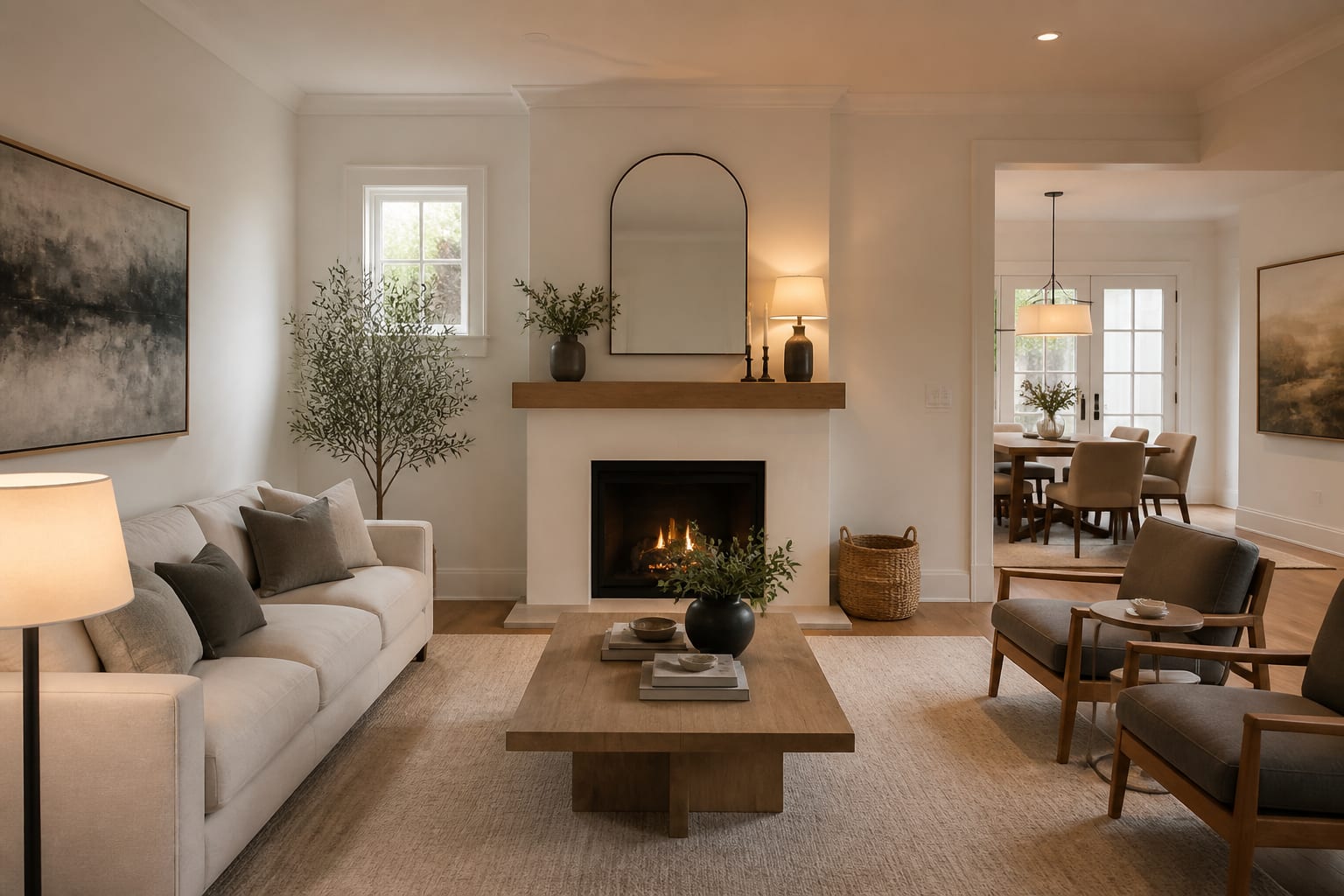
Can AI actually help with home staging?
Yes, but treat it as a visual draft, not a substitute for pricing, repairs, or a local agent's read on buyer expectations. A preview can reveal whether a dining room needs a bigger rug, whether a spare bedroom should become an office, or whether a living room reads better with two chairs than a sectional.
It also stops you from staging the wrong problem. A beige sofa may be fine; the real issue might be a blocked window or a 24-inch walking pinch point. For occupied homes, name what stays and what can change in your prompt; for vacant homes, insist the preview respect real dimensions, door swings, and window placement.
What should a staged home prove in the first photo?
A staged home should prove scale, function, light, and care before a buyer reads a caption. That means the sofa faces a logical focal point, the bed wall feels calm, and storage doesn't look like a daily battle. Stand where the listing photographer will shoot and check whether that view shows clutter, a bare wall, or a stranded piece of furniture.
Scale matters more than trend. An 8' x 10' rug usually connects a living room's furniture better than a 5' x 7' rug, coffee tables need about 16-18 inches from the sofa, and main walkways should stay near 30-36 inches. These numbers decide whether a room reads as generous or cramped.
If you're in a rental or under lease limits, review rental-friendly design constraints before staging with paint or drilling. A freestanding wardrobe, plug-in sconce, or better rug can photograph beautifully without creating a repair bill later.
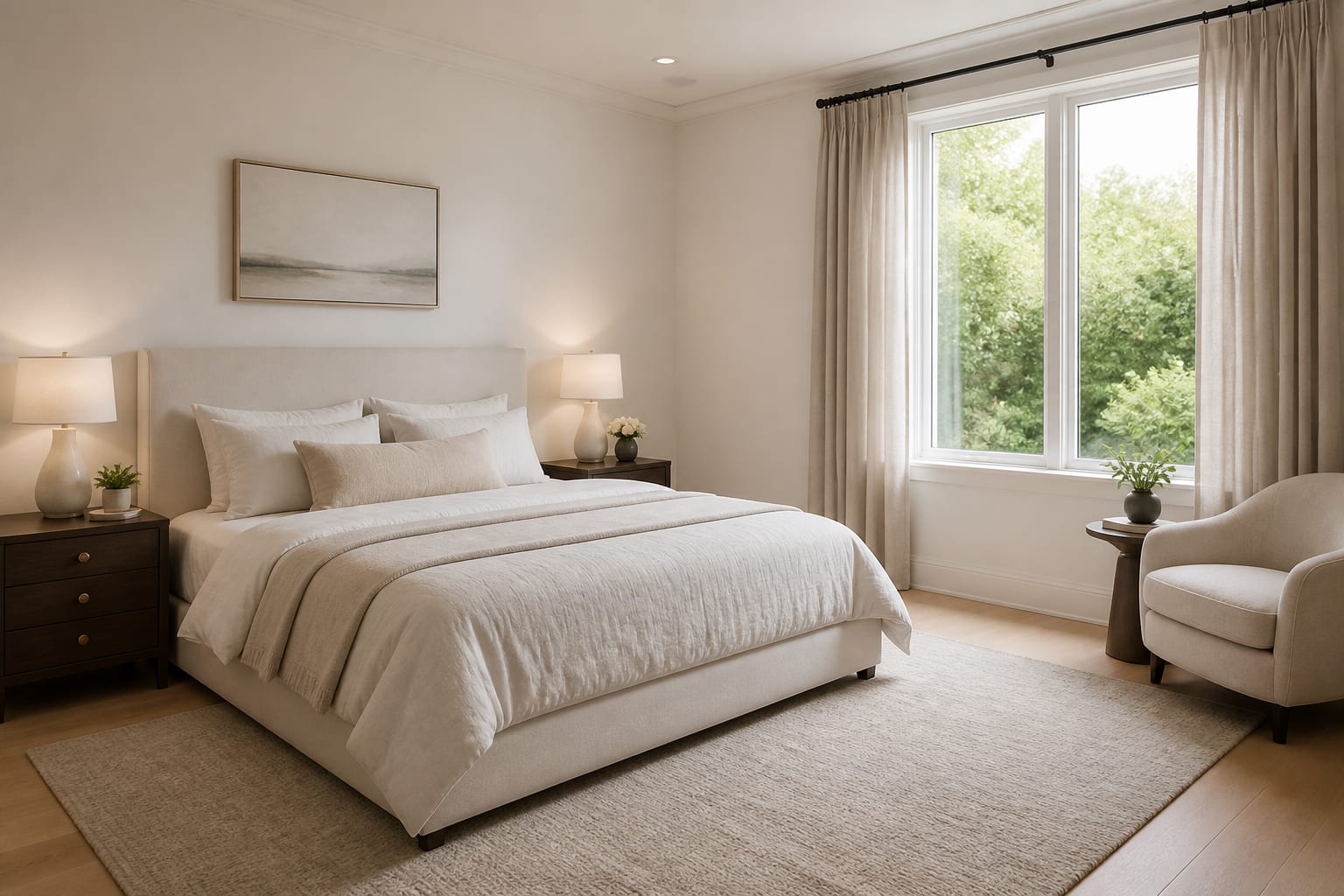
Which rooms deserve staging money first?
Don't spread the budget so thin that every room gets one apologetic plant. Focus on the spaces buyers use to judge daily life, then clean and edit the rest.
| Room | Staging Focus | Key Spec |
|---|---|---|
| Living room | One clear conversation zone | 30-36" walkway; rug under front legs of main pieces |
| Primary bedroom | Calm, restful symmetry | Nightstands 20-30" wide; lamps near seated shoulder height |
| Kitchen | Storage message via clear counters | Leave roughly 70% of counter space empty |
| Entry | Obvious landing zone | Console/bench 24-36"; keep door swing clear |
| Odd or bonus room | One defined job, not "flexible" | 24"-deep desk, one chair, closed storage |
Small or narrow rooms need extra discipline. Borrow the scale guidance in AI interior design for small spaces before requesting a full furniture plan, since over-staging a compact room makes it look smaller.
What staging mistakes make buyers hesitate?
Most mistakes come from decorating the house instead of making it easy to buy. Buyers are deciding whether their life fits, not grading your accessories.
- Ignoring scale. A deep sectional can block a modest living room; a slimmer sofa with two chairs often shows the same seating with better circulation.
- Keeping every room "flexible." A dining room that's also a toy room and gym tells competing stories; pick one identity.
- Using cool, harsh bulbs. Stick to 2700K-3000K in living rooms and bedrooms so photos read warm rather than clinical.
- Pushing furniture to the walls. Pull seating into a group around the rug to create a real focal point instead of a dead center.
- Hiding awkward spaces. Use AI design for awkward spaces to turn an alcove, angled wall, or under-stair void into a bench, desk, or storage nook instead of ignoring it.
How do you use AI to stage a house before you commit?
Clean enough for the camera to read the room, then upload straight daylight photos from the angles buyers will see online. Open curtains, reduce harsh overhead glare, and include the full floor line so the preview understands scale.
A strong prompt: "Stage this occupied living room for resale. Keep the existing wood floor, fireplace, window, and 84-inch sofa. Remove clutter, add an 8' x 10' neutral rug, two lighter accent chairs, warm lamps, simple art, and a 36-inch path from entry to kitchen. Make it buyer-friendly, not a luxury hotel."
Run three versions: a low-cost edit using existing furniture, a stronger staged version with rental pieces, and a cosmetic direction with warm white walls and simplified accessories. For vacant homes, ask for realistic scale rather than oversized showroom pieces, so a small bedroom isn't given a king bed it can't actually fit.
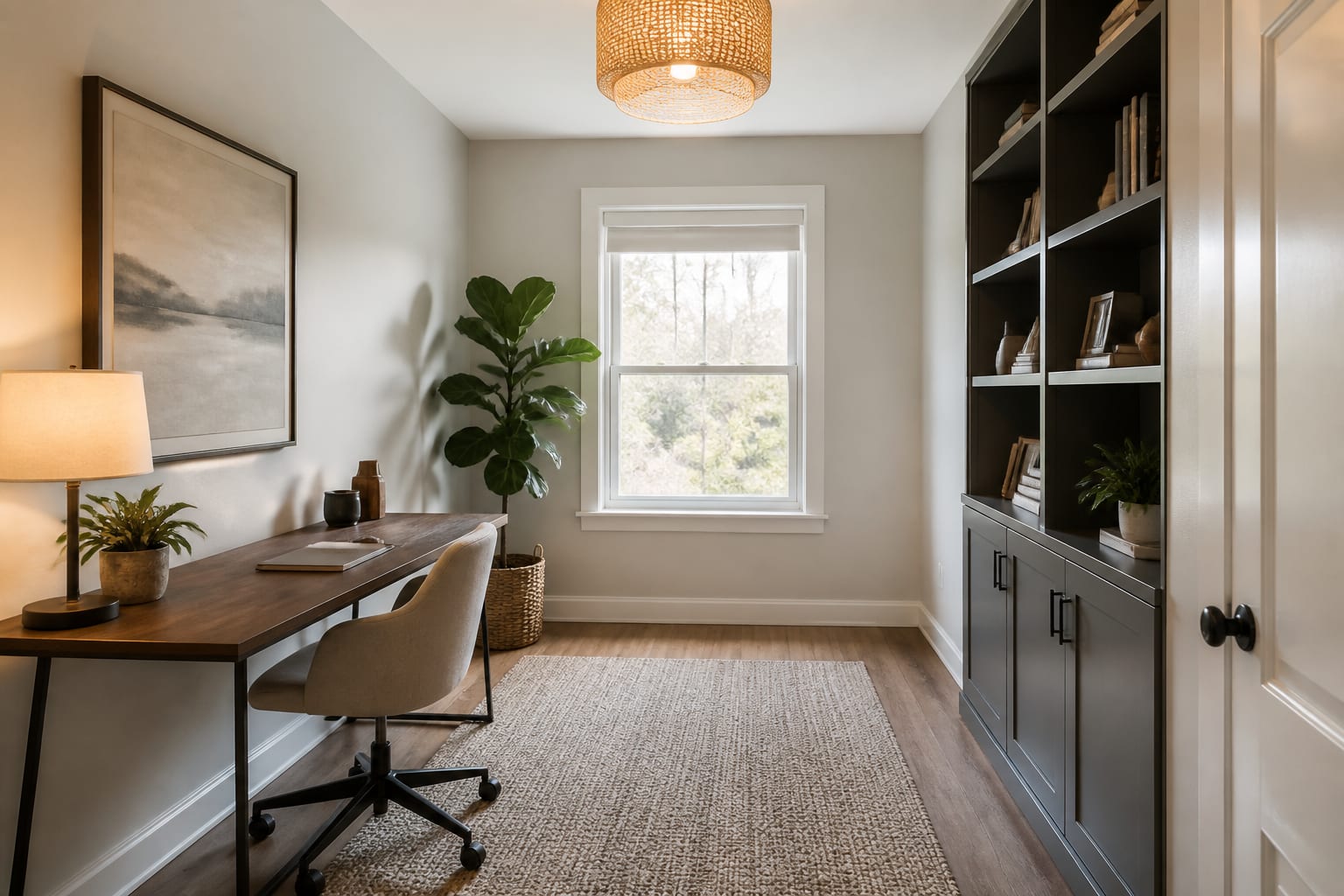
What finishing decisions make a listing feel ready?
The final pass should feel cared for, not personal. Remove family photos, excess countertop appliances, cords, and pet gear, but keep texture through bedding, towels, rugs, and one or two substantial accessories per surface.
Use calming, repeated color: warm white, soft taupe, pale oak, walnut, charcoal, and brushed metal typically photograph better than scattered accent colors. Repeat one dark finish at least three times, such as lamp base, frame, and cabinet pull, so the room feels connected. Before approving the plan, walk the buyer's exact route and confirm each room answers one question fast: sit, eat, sleep, work, or store.
Frequently Asked Questions
What photos should I upload for AI home staging?
Upload straight-on daylight photos taken from the angles a buyer or listing photographer would use, showing the full room including doors, windows, flooring, and ceiling line. Avoid cropped or angled shots, since the AI needs true room dimensions and existing features to produce a realistic, buyer-ready staging preview.
Which rooms should I stage first when selling?
Stage the living room, primary bedroom, kitchen, entry, and any confusing bonus room first, since these spaces sell the story of the home. Give each one a single obvious purpose and enough scale and clearance, then use remaining budget to simply clean and edit the rest of the house.
Does AI staging work for vacant homes?
Yes, as long as the prompt insists on realistic furniture scale rather than oversized showroom pieces. A vacant preview still needs to respect the real room dimensions, door swings, and window placement, or the staged photos will mislead buyers and hurt trust once they tour in person.
What lighting temperature works best for staged photos?
Use 2700K-3000K warm bulbs in living rooms and bedrooms so listing photos feel inviting rather than clinical. Kitchens and bathrooms can handle the cleaner end of that range if the finishes are warm enough to balance it, keeping the whole home feeling consistent room to room.
Can I use AI staging in a rental or leased home?
Yes. Focus on freestanding, non-permanent changes such as a larger rug, plug-in sconces, a wardrobe, or peel-and-stick shades instead of paint or drilling. Review rental-friendly design constraints before staging so the improvements photograph well without creating repair costs at move-out.