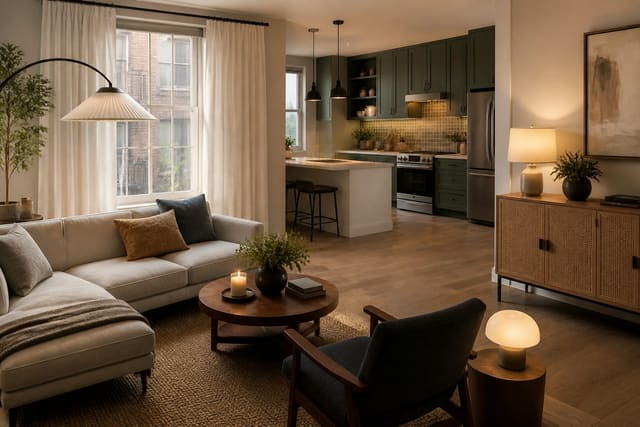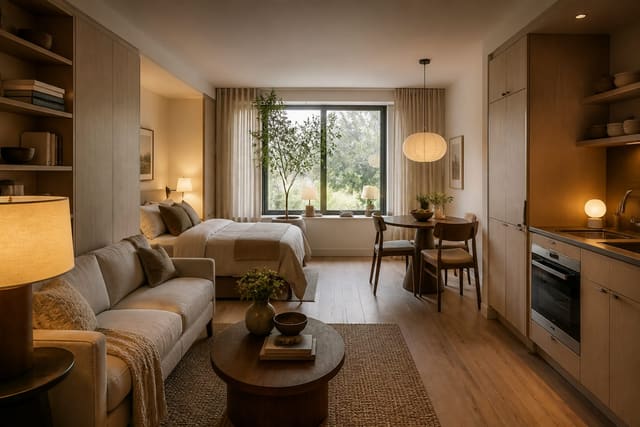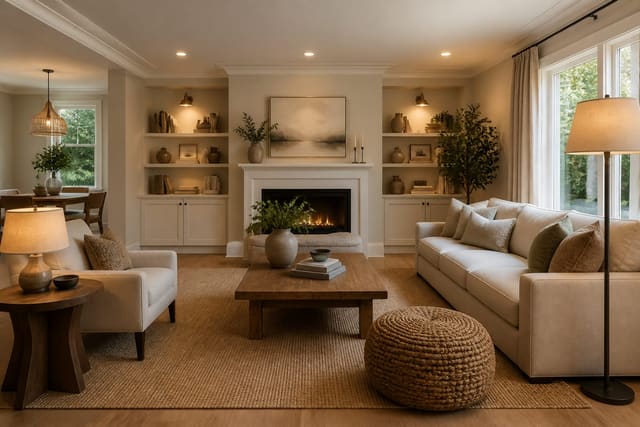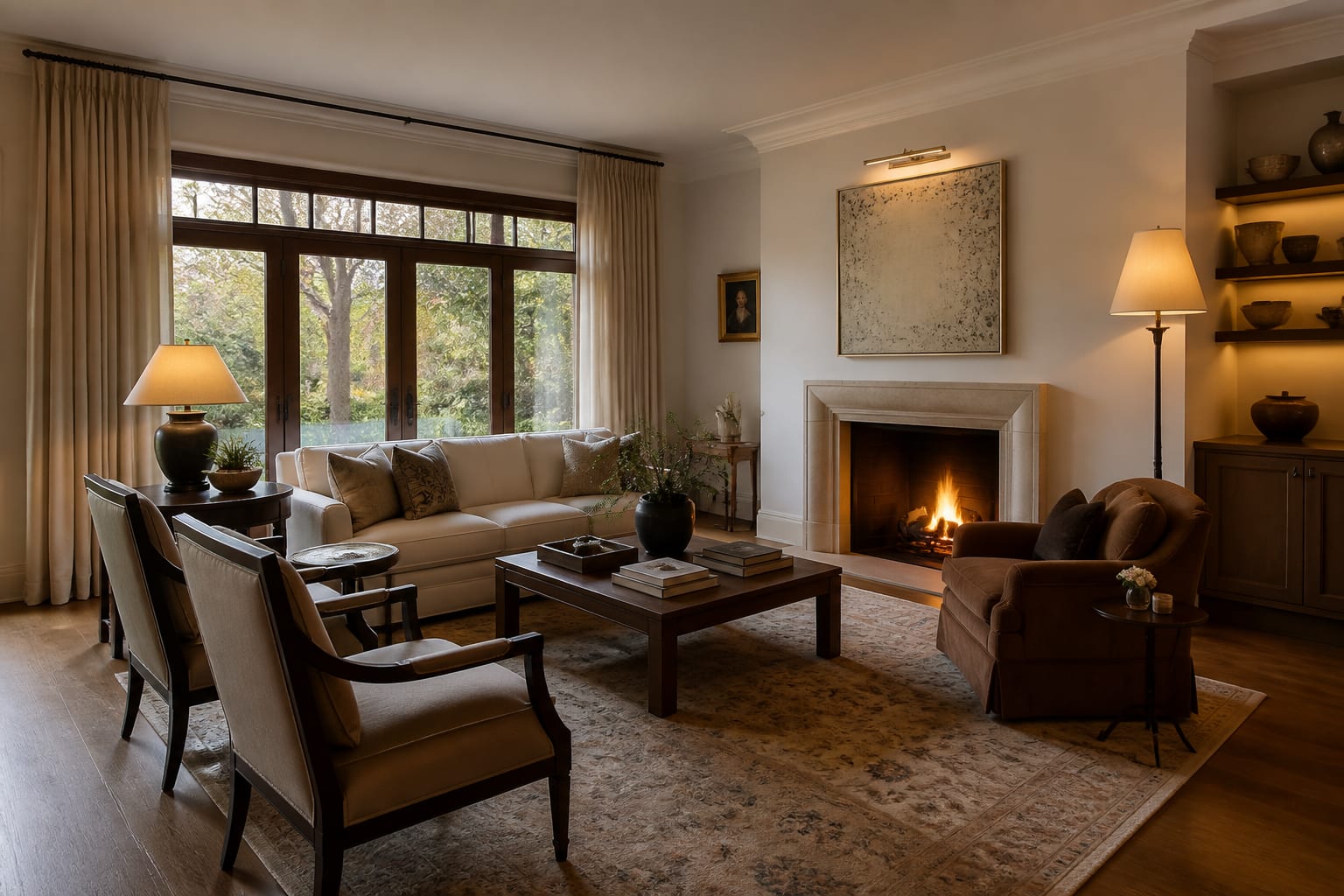
Yes, an AI furniture arrangement tool can suggest layouts for sofas, beds, tables, storage, rugs, and traffic paths using a photo of your room. It won't replace a tape measure, but it lets you compare several plausible arrangements fast enough to decide what's worth testing on your actual floor before you move a single piece.
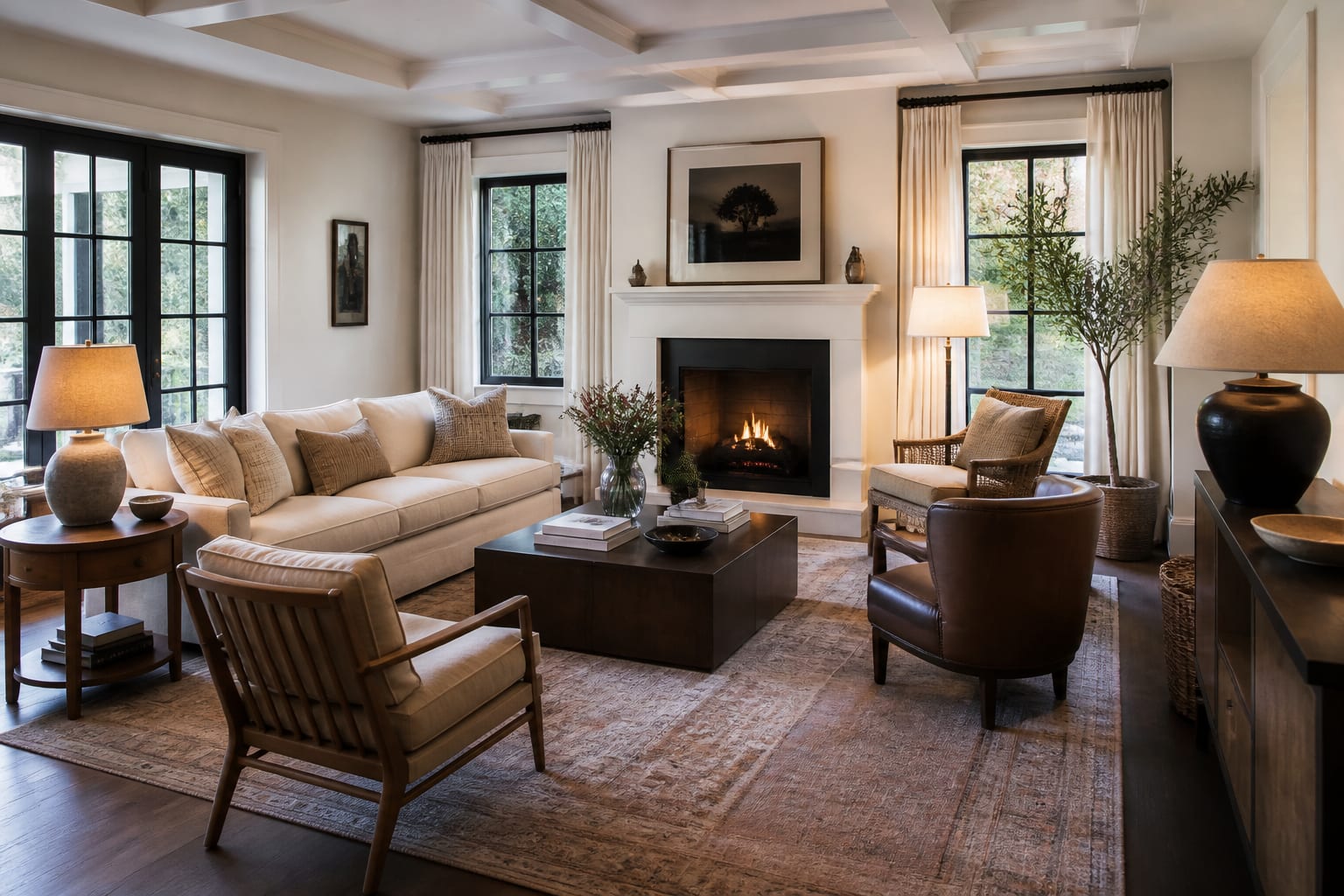
What should you decide before moving furniture?
Decide the room's main job first. A living room serving TV, conversation, toddler play, and work can't give all four equal territory; pick a lead role and let the rest borrow space.
Map the fixed points: doors, windows, radiators, built-ins, closets, and outlets set the chessboard. Then list the non-negotiable pieces, like an 86-inch sofa, queen bed, or 42-inch round table, since real homes aren't empty boxes.
For tight rooms, pull scale rules from AI interior design for small spaces rather than chasing a dramatic layout. Fewer, better-proportioned pieces usually beat a sectional and two side tables that block the only walking lane. If you rent, the constraints in AI room design for rental apartments also apply: no drilling, fixed flooring, and furniture that should work in your next home too.
One good sentence beats a vague prompt: "Family room for five, 84-inch sofa, TV on the long wall, toy storage, 36-inch path from kitchen to patio" will out-perform "make it cozy."
What layout rules fix most placement problems?
Most furniture problems come from choosing the attractive wall before protecting movement. Check these before trusting any preview:
- Main paths: keep 30 to 36 inches wide for daily traffic like groceries or laundry.
- Sofa to coffee table: leave 16 to 18 inches so people can reach drinks without shin-bruising.
- Behind dining chairs: protect 36 inches where possible so guests aren't scraping the wall.
- Rug size: fit the whole seating group (often 8x10 or 9x12), not just the bare floor.
- Drawers and closets: leave at least 24 inches of pullout space or storage becomes decorative.
Once circulation works, pick one focal point, a fireplace, TV, bed wall, or dining table, so every piece answers to a single anchor instead of competing directions.
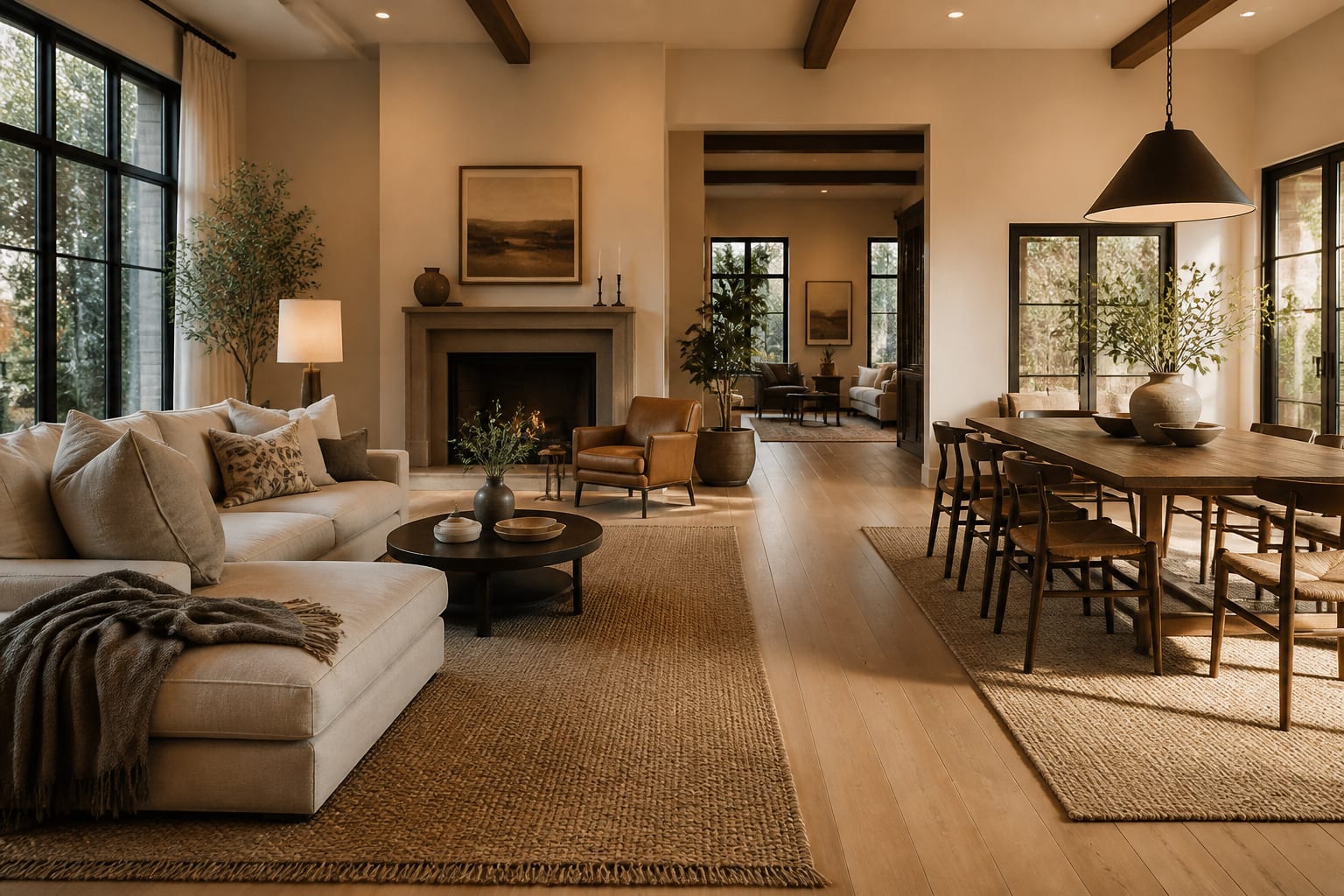
What mistakes ruin AI furniture arrangement results?
Most mistakes happen when the prompt asks for a prettier room instead of a better plan. Four habits cause the most trouble:
- Naming a style before naming furniture. Say which items must stay, with exact sizes, before asking for new placement.
- Cropping the photo too tightly. Show the full floor line, ceiling line, doors, and windows so the tool can read circulation.
- Ignoring outlets. A reading chair without a lamp plug or a desk far from power looks fine in a preview and gets annoying by day two.
- Trusting every scale shown. AI can slim a deep sofa or shrink a king bed in the image, so verify large pieces with tape.
The staging discipline in AI design for home staging is useful for clarifying a room's purpose, but a lived-in home needs more storage and stronger paths than a listing photo shows.
How do you prompt AI to preview a room layout?
Write the room's constraints in plain language first, then upload a wide daylight photo. A strong prompt might say: redesign this living and dining area while keeping the oak floors, 84-inch beige sofa, black dining table, and rental ceiling fixture; add an 8x10 rug, two 28-inch lamps, closed entry storage, and a 36-inch path from the front door to the kitchen; show one version facing the TV, one conversation-focused, and one that maximizes open floor.
That prompt works because it asks for arrangement, not decoration. Revise one variable at a time: keep the layout and change the rug size, or keep the palette and swap in a round table.
The winning version should make the next physical test obvious. Tape the sofa, rug, table, and storage footprints on the floor, pull out a dining chair, and walk the entry path with a laundry basket.
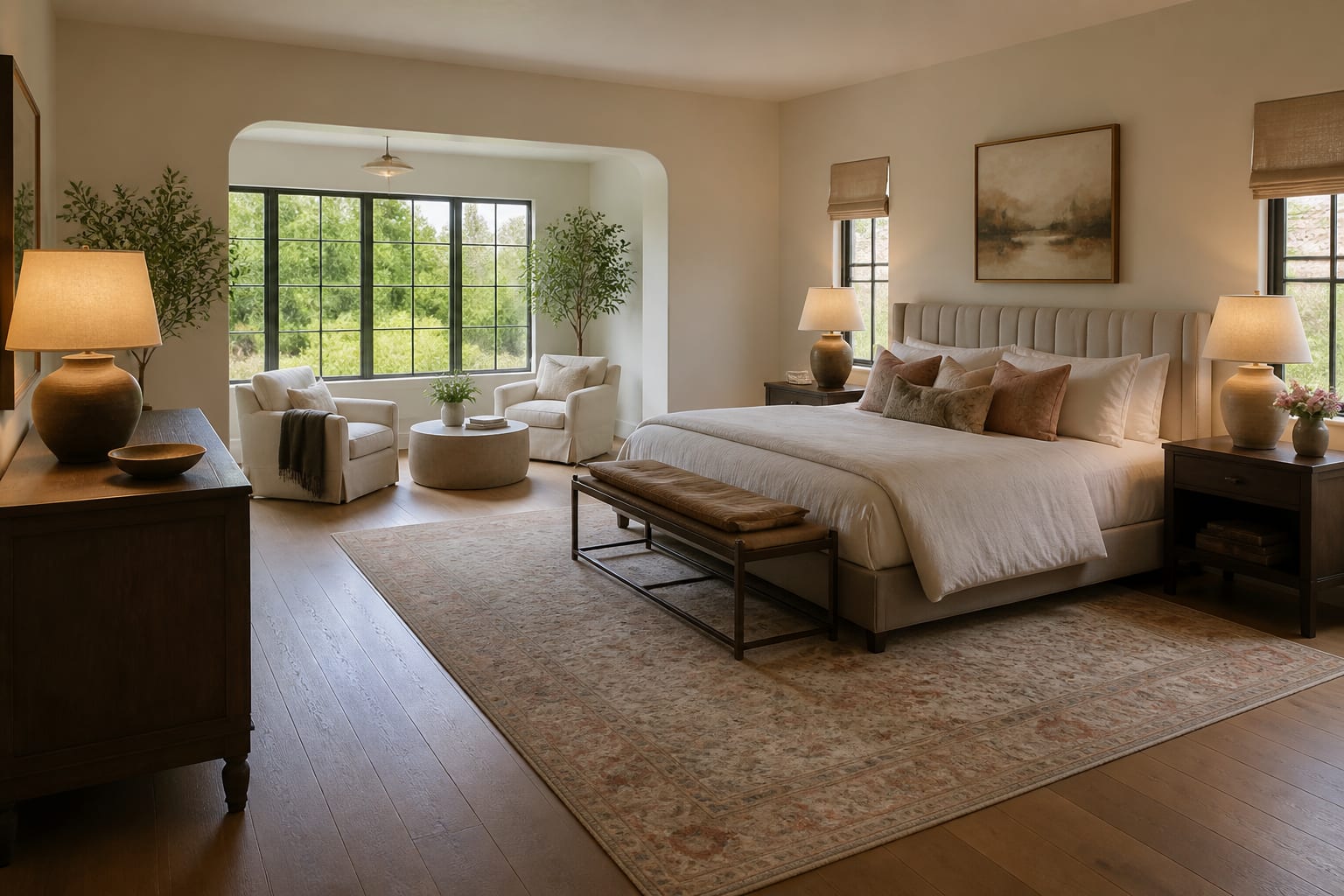
What finishing touches make a layout feel settled?
A layout feels settled when the eye understands why each piece is there, which comes from repetition and scale discipline, not more objects.
- Repeat one finish at least three times (a black lamp base, curtain rod, and frame, for example) to tie furniture islands together in open plans.
- Match lamp height to task: floor lamps around 58 to 64 inches for reading chairs, table lamps around 26 to 30 inches beside sofas and beds.
- Choose bulb temperature by room: warm 2700K for lounges and bedrooms, 3000K for desks and task corners.
- Don't let accessories fix a bad layout. A pillow won't close a conversation gap, and a tray won't fix an undersized rug.
Leave enough blank floor and wall for the arrangement to breathe, especially in open plans where every room is visible from another. A good preview should send you back to the real space with fewer doubts and a layout worth testing.
Frequently Asked Questions
Can AI actually measure my room from a photo?
No. AI can estimate proportions and suggest plausible layouts, but it cannot replace a tape measure. Always verify large footprints (sofas, beds, tables, rugs) with painter's tape on your actual floor before ordering furniture.
What information should I give an AI furniture arrangement tool?
Give it the room's main purpose, exact sizes of furniture that must stay, fixed points like doors and windows, and any constraints such as rental rules, kids, or pets. Specific prompts produce far more usable layouts than vague style requests.
How wide should walking paths be in a furniture layout?
Keep main traffic paths between 30 and 36 inches wide. Anything narrower looks fine in a photo but becomes frustrating daily when you're carrying groceries, laundry, or moving through with a child.
How do I choose the right rug size for a seating area?
Size the rug to the whole seating group, not the bare floor. An 8x10 or 9x12 rug usually connects a sofa, chairs, and coffee table into one zone, while a 5x7 rug often floats and makes the group feel disconnected.
Should I follow an AI layout suggestion exactly?
Treat it as a draft, not a final plan. Use it to compare a few real alternatives, then tape out the largest pieces in your actual room to confirm circulation, chair clearance, and door swing before committing.