AI can produce grandmillennial style interior design, but only when the brief names chintz, skirted furniture, antiques, pleats, and modern restraint instead of asking for "cute grandma decor." A vague prompt yields floral overload; a specific one yields a room that reads as collected rather than costumed.
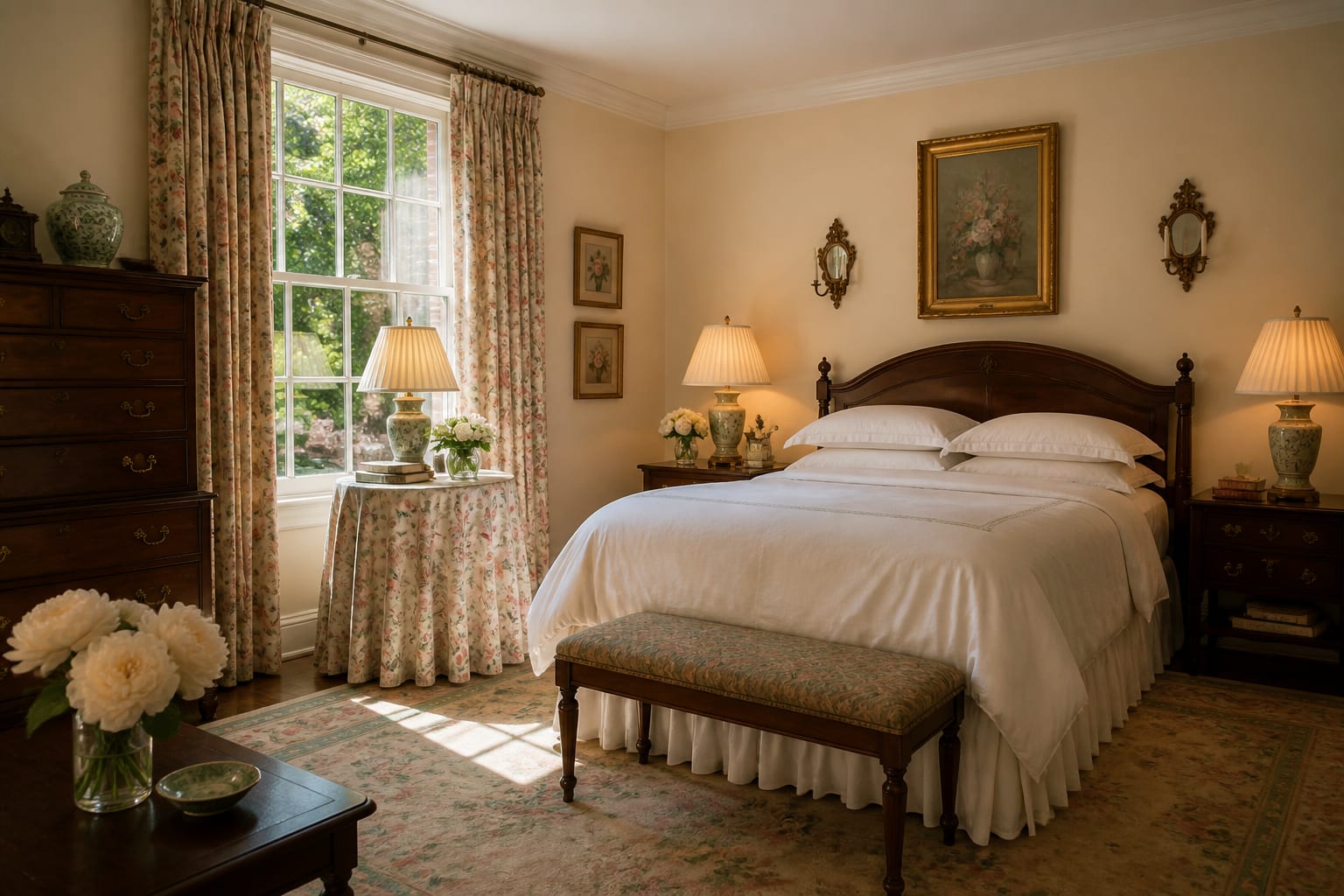
Can AI make grandmillennial look real instead of fake?
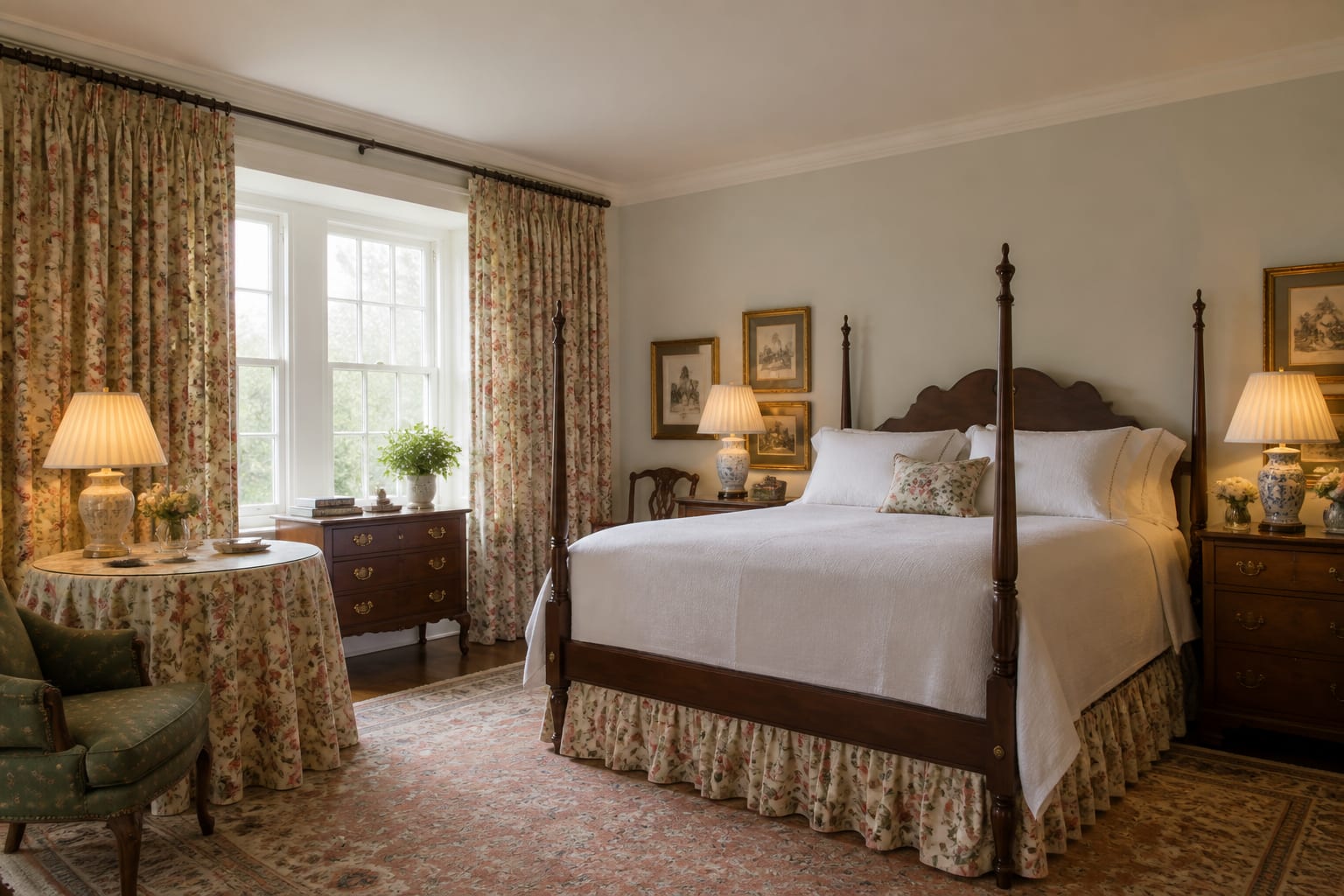
AI recognizes the obvious cues: floral wallpaper, scalloped edges, wicker, chinoiserie, slipcovers, pleated lampshades, blue-and-white ceramics, painted chests, and skirted tables. That's useful for bedrooms, guest rooms, reading corners, and living rooms with existing traditional trim.
The risk is excess. A vague request often returns floral curtains, floral bedding, floral chairs, floral art, and a lamp wearing a tiny floral hat. It's recognizable, but not a room anyone would actually want to live in.
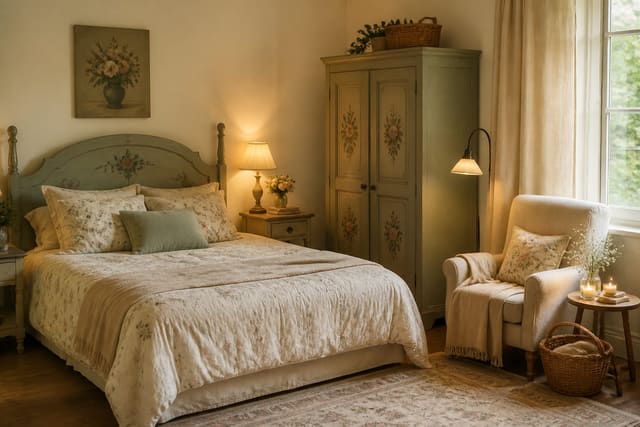
A stronger prompt: "create a restrained grandmillennial bedroom using the existing 8 foot ceiling and warm wood floor, with a 56 inch upholstered headboard, one chintz curtain pattern, 28 inch antique-style nightstands, pleated lampshades, crisp white bedding, blue-and-white ceramics, warm 2700k lamps, and no change to the window size." For a softer, more pastoral version, compare results with AI cottagecore room design ideas — cottagecore tolerates more romance, while grandmillennial needs sharper tailoring.
Which grandmillennial ideas should you test first?
Start with choices that change the room from the doorway: fabric scale, case goods, lighting, and the balance between old and new.
- Lead with one chintz or botanical fabric on curtains, a headboard, or one chair; keep the next two surfaces in ticking stripe, solid linen, or small check so the lead pattern has authority.
- Add a skirted table or sink base for softness and hidden storage — keep the skirt tailored within 1 inch of the floor, placed beside a bed, vanity, or reading chair.
- Bring in one antique wood anchor — a 36 inch chest, 60 inch sideboard, or oval dining table reads more convincing than scattered vintage trinkets.
- Choose pleated lamp shades with warm 2700k bulbs and a shade wide enough not to look pinched on a large nightstand.
- Use blue-and-white ceramics as punctuation — cluster 3 pieces at different heights and leave breathing room around them.
- Keep one modern line in the room — a clean sofa arm, simple black metal picture light, or plain white bedding stops the room from feeling like a period set.
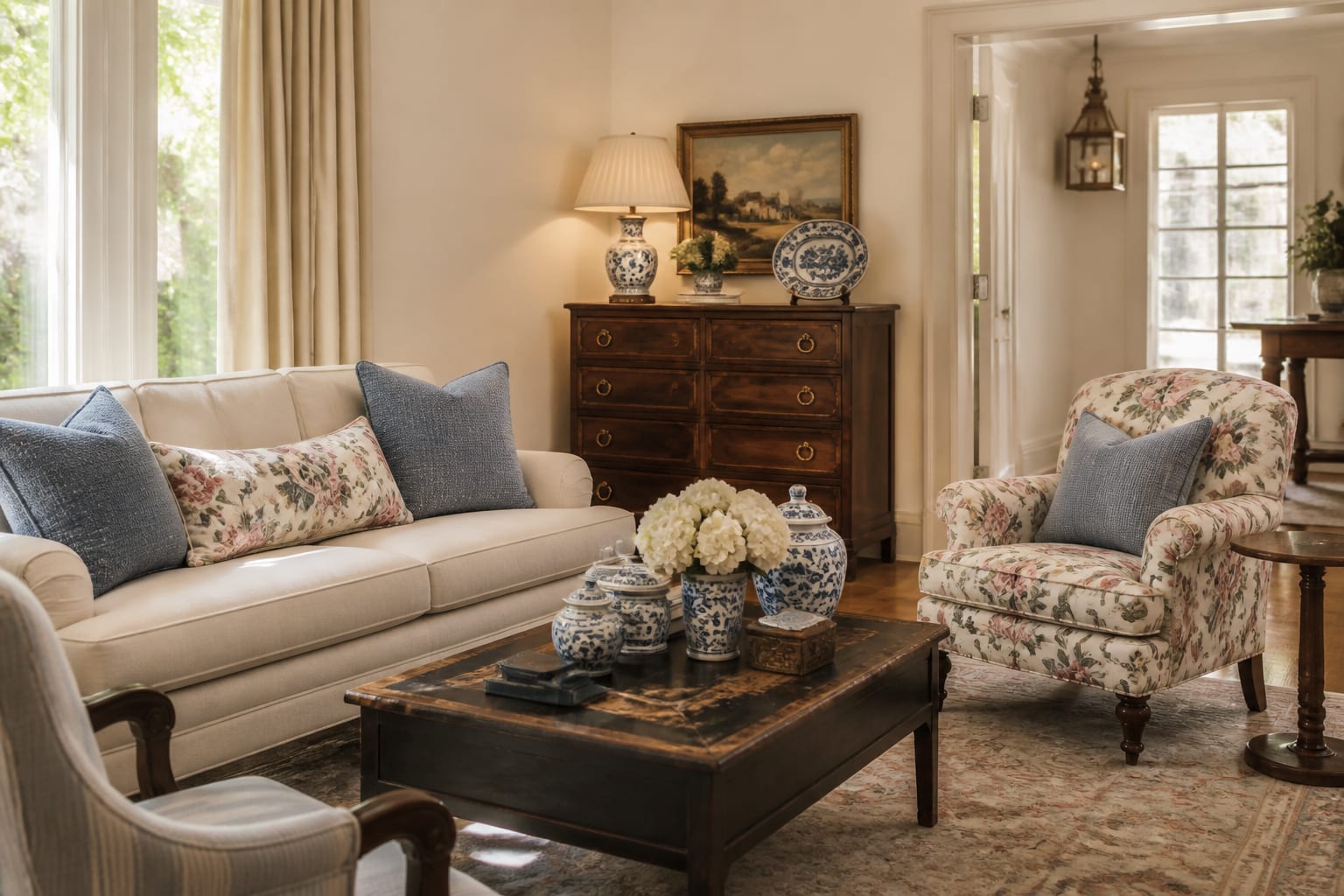
How do pattern and scale keep the room from looking costumed?
Grandmillennial can be layered, but the layers need rank: one lead pattern, one small companion pattern, one woven texture, and one visual rest area per room.
In a bedroom, let the bed wall lead. A 54-60 inch headboard in plain linen, block print, or small stripe can carry the room while chintz curtains do the decorative work. Nightstands between 24 and 32 inches wide keep the style from feeling fussy, since lamps and books still need a real landing zone.
In a living room, the sofa doesn't have to be the loudest piece. An 84 inch slipcovered sofa in cream, moss, or pale blue can sit quietly while a floral chair or scalloped lampshade carries the grandmillennial note. Leave 16-18 inches between sofa and coffee table for usability.
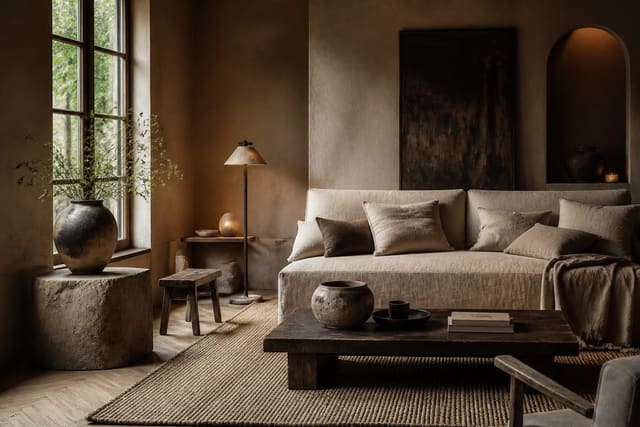
Add one rougher texture — sisal rug, rush seat, wicker tray, or matte painted cabinet — so polished antiques don't turn precious. For a quieter, more imperfect counterpoint, see AI wabi-sabi design.
What mistakes should you avoid with AI grandmillennial prompts?
Four mistakes show up repeatedly:
- Making every fabric the star. Chintz on drapes, toile on the chair, trellis on the rug, gingham on pillows, and block print on bedding only works with tight scale and shared color. Start with one large-scale floral, then add one smaller pattern sharing at least one color.
- Turning "grandmother" into clutter. Books, lamps, and collections are fine, but protect about 30 inches for the main walkway and keep at least one tabletop mostly clear.
- Accepting fake architecture. AI likes adding crown molding, arched built-ins, and perfect sash windows because traditional rooms look easier with better bones. If you rent or have builder-grade trim, ask the tool to keep your actual ceiling, windows, floor, and blinds visible.
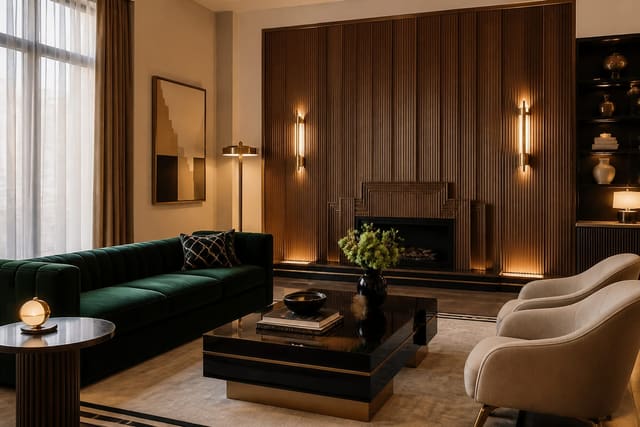
- Drifting into the wrong glamour. Black lacquer, brass fan motifs, mirrored tables, and theatrical symmetry signal AI art deco room design, not grandmillennial. Art deco wants polish and geometry; grandmillennial wants pattern, nostalgia, and comfort.
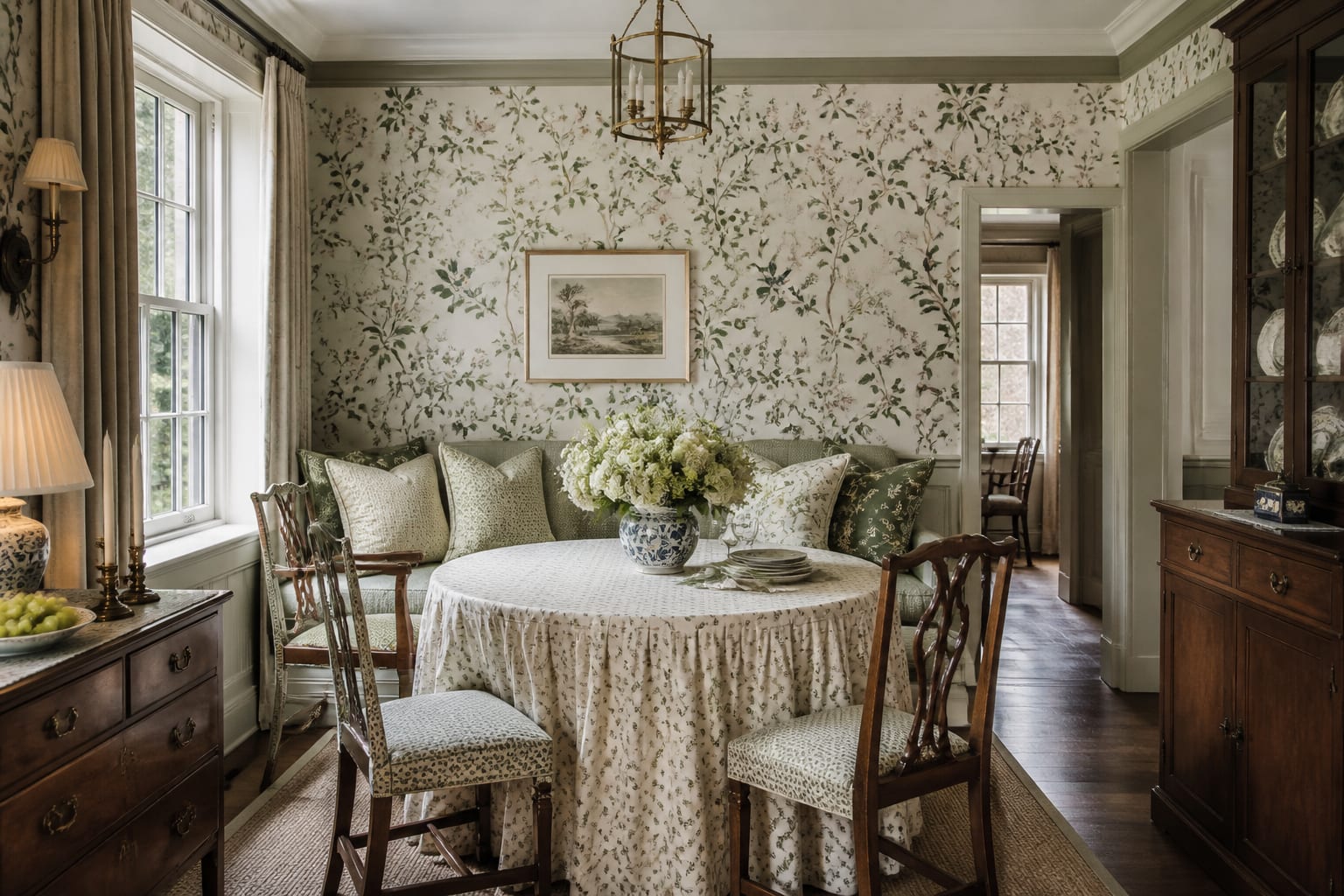
How do you use AI to preview chintz before buying?
Photograph the room from the doorway or main sightline with floor, ceiling, windows, trim, outlets, radiators, and existing furniture visible. Grandmillennial can handle imperfect houses, but the preview should work with those imperfections, not replace them with a fantasy brownstone.
Run three versions from the same image:
- Restrained — mostly plain upholstery, one floral curtain.
- Fuller — wallpaper or a patterned headboard as the lead.
- Fresher — the same antiques with cleaner modern lamps, white bedding, or a simpler rug.
A useful living room prompt: "create a grandmillennial living room while keeping the existing 8 foot ceiling, oak floor, window size, and current sofa; add one chintz chair, full-length curtains mounted 6 inches above the casing, 8x10 wool rug, antique wood chest, pleated lampshades, blue-and-white ceramics, warm 2700k lighting, and no invented built-ins." For a bedroom, name the headboard height, nightstand width, curtain pattern, lamp style, and furniture that must stay.
Translate the winning preview into five decisions before shopping: lead pattern, companion pattern, wood tone, lamp style, and modern pause. If those five agree, the room feels grandmillennial without becoming a costume — personal, layered, and usable, not a raided linen closet.
Frequently Asked Questions
Can AI actually design a convincing grandmillennial room?
Yes, if the prompt names specific signals: chintz, skirted furniture, antiques, pleated shades, and one modern pause. Vague requests for "grandma decor" tend to produce floral overload instead of a tailored, collected look.
How many patterns should a grandmillennial room have?
One dominant pattern, one smaller companion pattern that shares a color, and one plain woven texture. More than that usually reads as a fabric showroom rather than a styled room.
What furniture sizes keep the style from looking twee?
A 54-60 inch headboard, 28-32 inch nightstands, an 8x10 rug, and an 84 inch sofa read as adult-scaled grandmillennial. Undersized furniture and too many tiny objects make the style look fussy instead of collected.
How is grandmillennial different from cottagecore or art deco?
Grandmillennial is tailored traditionalism with chintz, antiques, and pleats; cottagecore leans more pastoral and romantic; art deco wants polish, geometry, and lacquer. Check AI cottagecore room design and AI art deco room design if your preview drifts toward either.
Should I let AI add crown molding and built-ins to my room?
No, unless you actually have or plan to add them. Tell the tool to keep your real ceiling height, windows, floor, and trim visible so the preview reflects your actual room, not a fantasy brownstone.