AI handles wabi-sabi interior design well only when you describe the evidence of age, repair, shadow, and restraint that defines the style. A flawless beige render is not wabi-sabi; the look needs worn surfaces, uneven handmade shapes, and enough visual quiet for those flaws to read as intentional. Brief the AI with specific material and lighting details so the result feels human instead of sanitized.
Why does wabi-sabi confuse AI prompts?
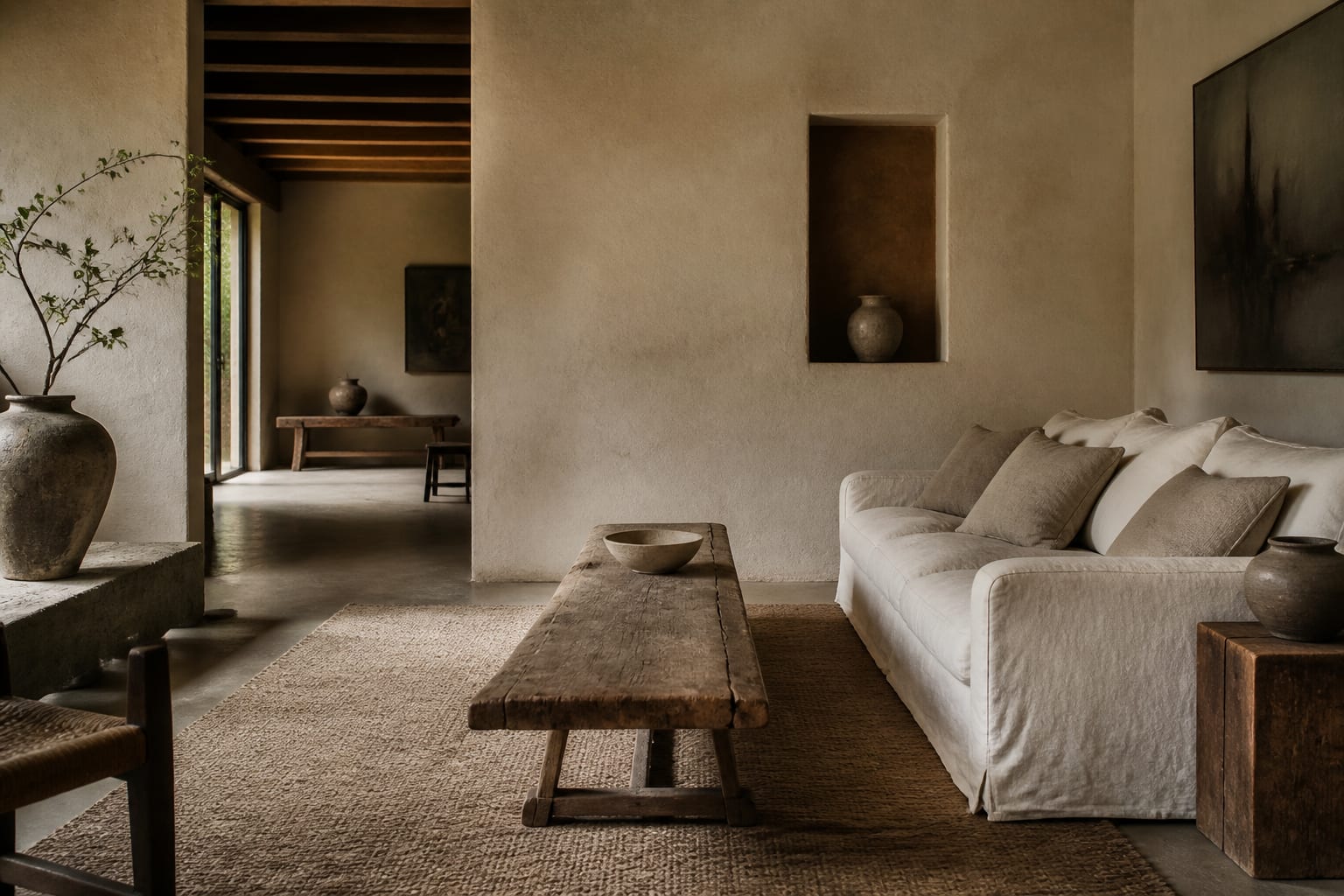
Wabi-sabi is defined by restraint, age, and asymmetry rather than obvious decoration. Image tools recognize pottery, linen, plaster, and rough wood, but they often polish those ingredients until the room looks like a spa showroom. The prompt has to ask for imperfection in concrete terms.
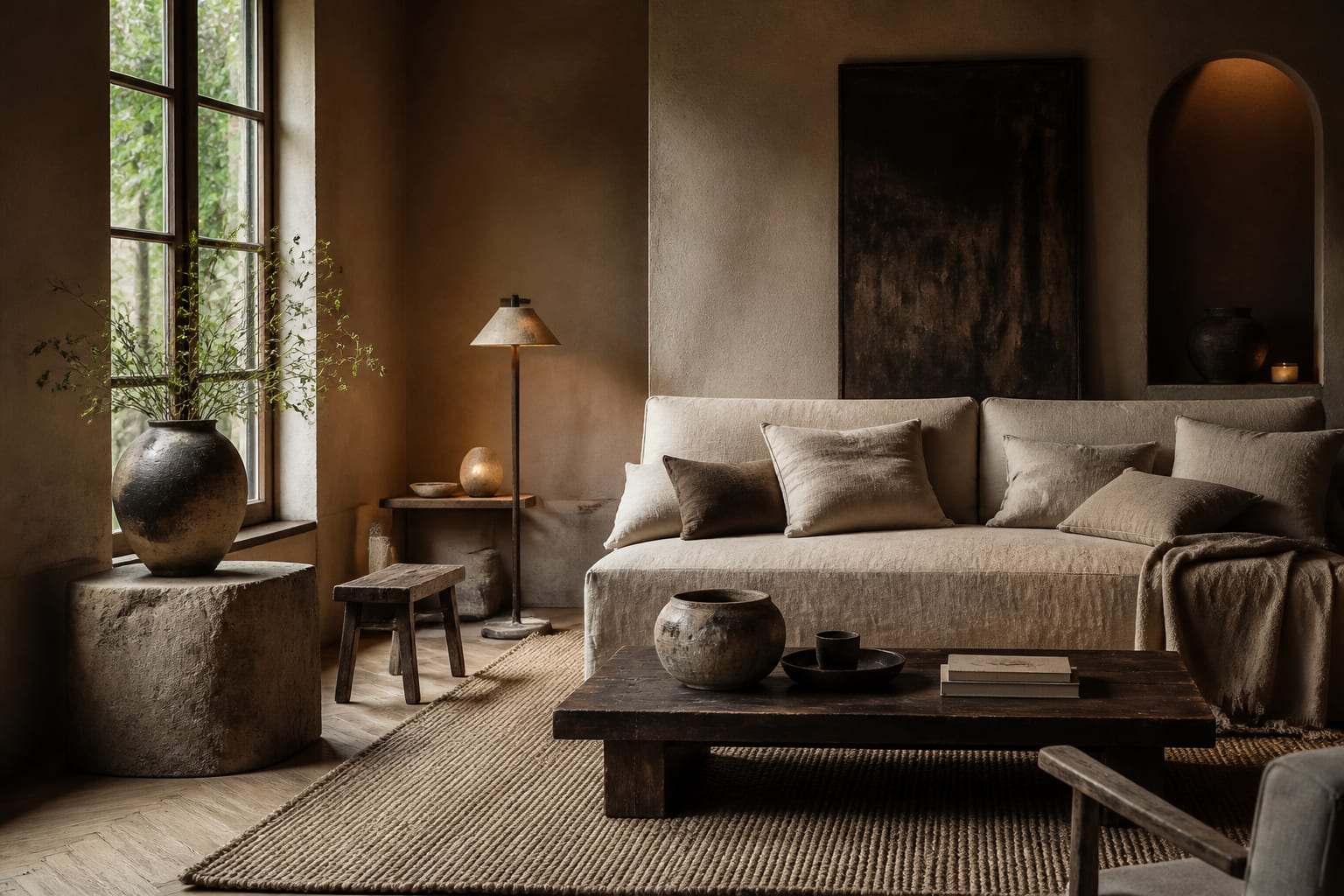
A weak prompt says "make this room wabi-sabi and serene." A stronger one says: "keep the existing 8 foot ceiling and oak floor; create a wabi-sabi living room with a low linen sofa, weathered wood coffee table, uneven handmade ceramics, warm gray plaster-look walls, woven shades, one repaired object, 2700K lamps, and no glossy finishes."
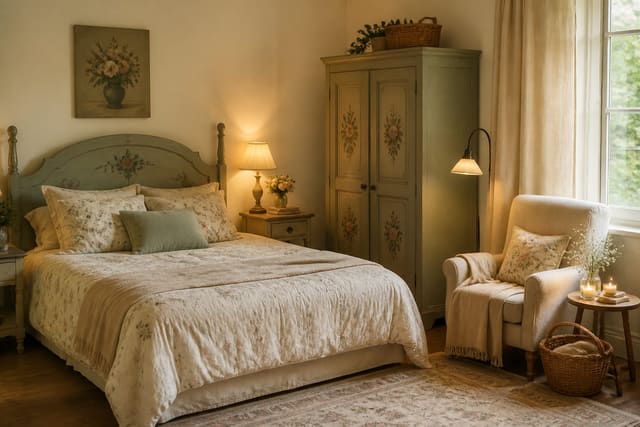
Wabi-sabi also overlaps with other soft, nostalgic styles. If the preview starts adding floral quilts and painted dressers, compare it with AI cottagecore room design. Cottagecore loves romance and abundance; wabi-sabi wants editing, patina, and quiet contact with materials.
Which wabi-sabi ideas should you preview first?
Start with ideas that change the room's atmosphere from the doorway, not scattered small objects.
- One weathered wood anchor. Age needs mass; test a 48 to 60 inch bench, low coffee table, or slab bedside stool before adding decorative pieces.
- An irregular ceramic cluster. Use 3 vessels of varying height, tallest around 14 to 18 inches, with open space around them.
- Linen or cotton with visible rumple. Try full-length curtains, a relaxed duvet, or slipcovered seating in oatmeal, clay, mushroom, or gray-green.
- Wall surface with movement. Preview limewash-style texture or plaster-look paint instead of flat glossy white.
- A correctly sized, quiet rug. An 8 by 10 usually beats a 5 by 7 in a living room, with front seating legs landing on it by at least 6 inches.
- One dark, grounded note. Blackened bronze, smoked oak, charcoal pottery, or a single ink-toned textile keeps the room from dissolving into oatmeal.
What should the room keep imperfect?
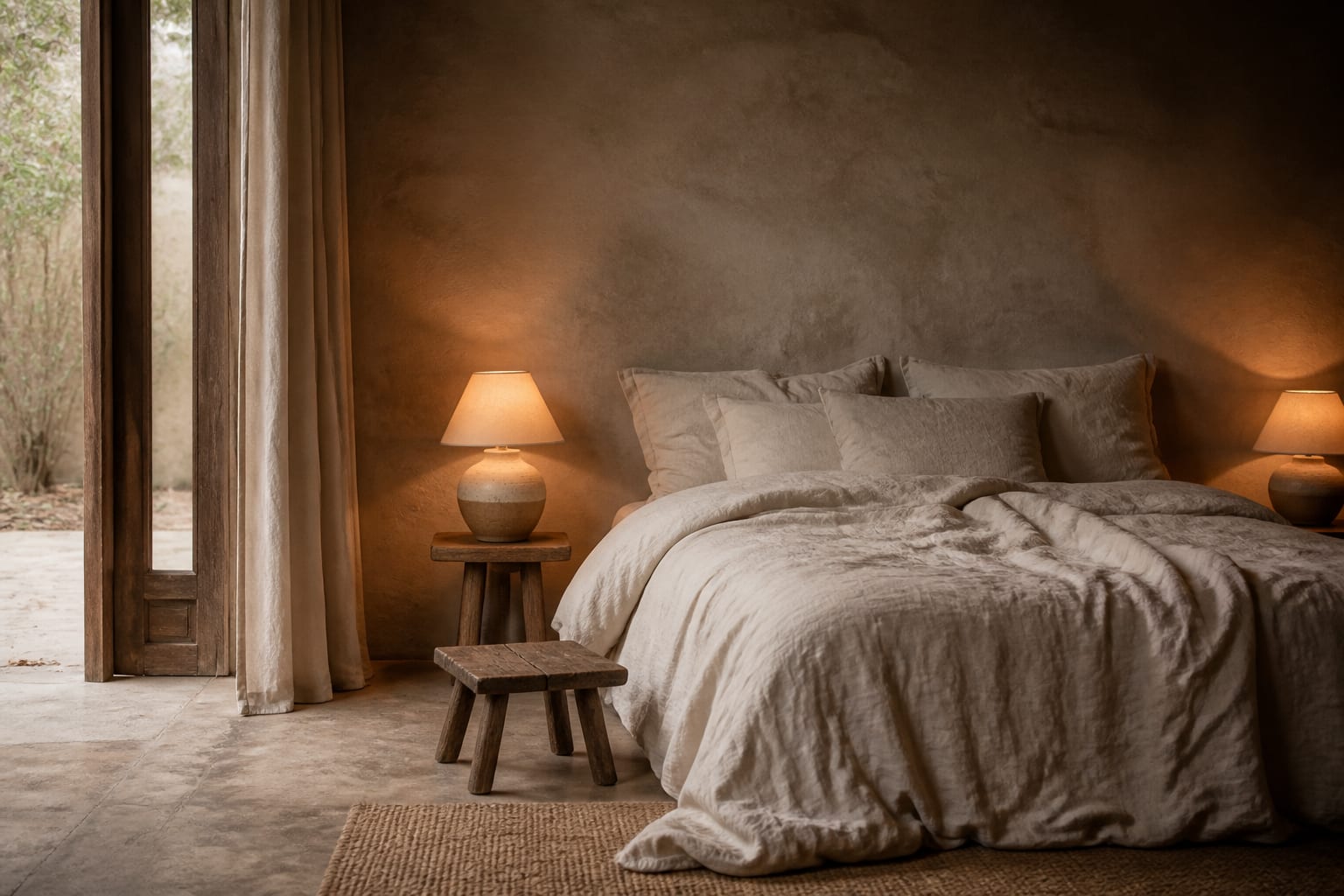
The best preview keeps the house's inconvenient character visible: a low sill, patched floorboard, old radiator, or rental window frame becomes part of the room's honesty. If the AI replaces all of that with perfect plaster and custom millwork, the image may be beautiful but it is not your design plan.
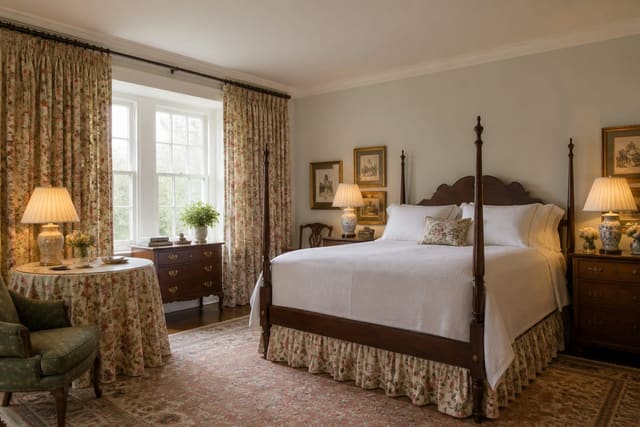
Keep the layout functional so imperfect objects still matter. Leave about 30 inches for the main walkway and 16 to 18 inches between sofa and coffee table. Wabi-sabi does not excuse furniture that blocks daily use, and it needs negative space, not emptiness. If you prefer age paired with more pattern and inherited detail, AI grandmillennial design is the richer cousin, while wabi-sabi stays more spare.
What mistakes make wabi-sabi renders look fake?
- Asking for "perfect imperfection." AI may distress every surface with showroom symmetry. Ask instead for asymmetrical placement and one visible repair.
- Confusing wabi-sabi with luxury minimalism. A beige sofa and travertine table can look expensive without soul. Add a humble material: rush, raw linen, unglazed clay, or reclaimed wood.
- Going too brown and dim. Earthy does not mean muddy. Use warm white, mushroom, stone, clay, and olive with 2700K lamps in lounge areas, 3000K at desks or prep zones.
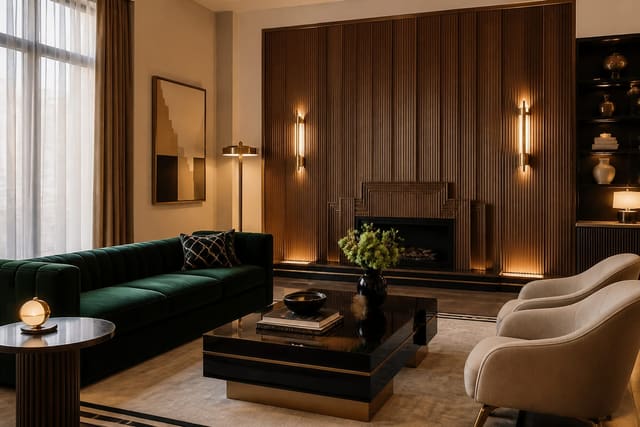
- Borrowing glamour from the wrong style. Brass sunbursts, glossy lacquer, and theatrical symmetry drift toward AI art deco room design, which wants polish where wabi-sabi wants matte restraint.
How do you preview wabi-sabi before you commit?
Photograph the space from the main doorway with floor, ceiling, windows, trim, outlets, and existing furniture visible. Wabi-sabi is especially vulnerable to fantasy architecture, so the boring parts of the room need to stay in frame.
Run three controlled previews instead of one broad request:
- A lighter version with warm plaster, pale oak, linen, and ceramic.
- A moodier version with smoked wood, charcoal pottery, olive textiles, and low lamp light.
- A budget version that keeps the existing sofa, floor, and blinds but changes textiles, lamps, rug, and styling only.
A useful bedroom prompt: "create a wabi-sabi bedroom using the existing 8 foot ceiling and current window location, with a 52 inch linen headboard, 24 inch wood nightstands, wrinkled cotton bedding, uneven ceramic lamps, woven shades, warm 2700K light, one repaired stool, and no change to the floor." For a living room, name the sofa width, rug size, wood tone, wall texture, and the one imperfect object you want the eye to notice.
How do you turn the best render into a real room?
Translate the winning render into five decisions before shopping: wall texture, wood tone, textile weight, ceramic or stone moment, and lighting temperature. If those five choices agree, the room feels wabi-sabi even on a modest budget.
Buy fewer things than the render suggests. One weathered table beats four distressed accessories, and one handmade lamp beats a shelf of tiny pots. Renters can get a convincing version with woven shades, plug-in sconces, a large muted rug, linen bedding, secondhand wood furniture, and ceramic lamps. Owners can test deeper moves such as limewash walls or refinished floors, but let the AI preview prove the mood before permanent work begins.
Frequently Asked Questions
What makes an AI render look authentically wabi-sabi instead of just minimalist?
The render needs named imperfection: weathered wood, uneven handmade ceramics, wrinkled linen, and one visible repair. Minimalist renders with beige sofas and empty shelves can look expensive but lack the humble materials and asymmetry that give wabi-sabi its soul.
How many colors should a wabi-sabi palette use?
Limit the palette to 3 or 4 earthy tones such as oatmeal, clay, mushroom, and olive, plus one darker grounding note like smoked oak or charcoal pottery. Too many colors dilutes the calm, edited feeling the style depends on.
Should I ask AI to remove my room's flaws for a wabi-sabi look?
No. Keep low ceilings, rental blinds, radiators, and off-center windows visible in the prompt, since wabi-sabi depends on accepting real conditions rather than erasing them for a polished fantasy version of the room.
What size rug works best in a wabi-sabi living room?
An 8 by 10 rug usually works better than a 5 by 7, since it lets the front legs of seating rest on it by at least 6 inches. Correct scale keeps the quiet floor plane from looking sparse or temporary.
How is wabi-sabi different from cottagecore or art deco in AI prompts?
Wabi-sabi wants editing, patina, and matte restraint, while cottagecore leans into floral pattern and abundance, and art deco wants polish, brass, and geometric symmetry. Compare AI cottagecore room design and AI art deco room design if your render drifts toward either.