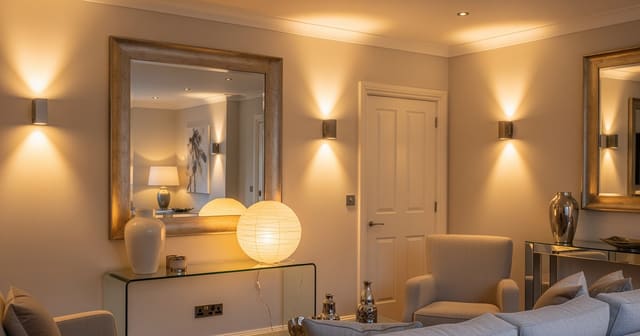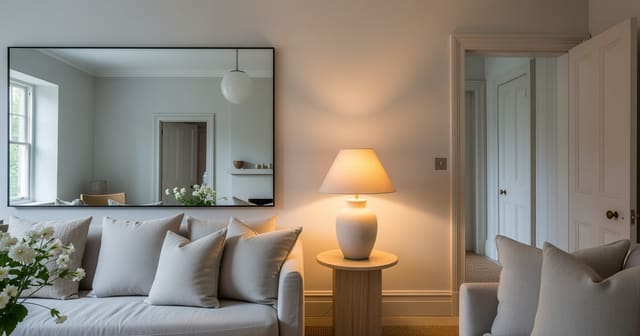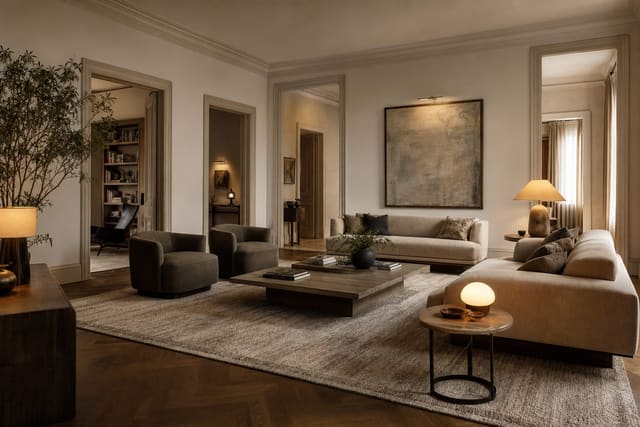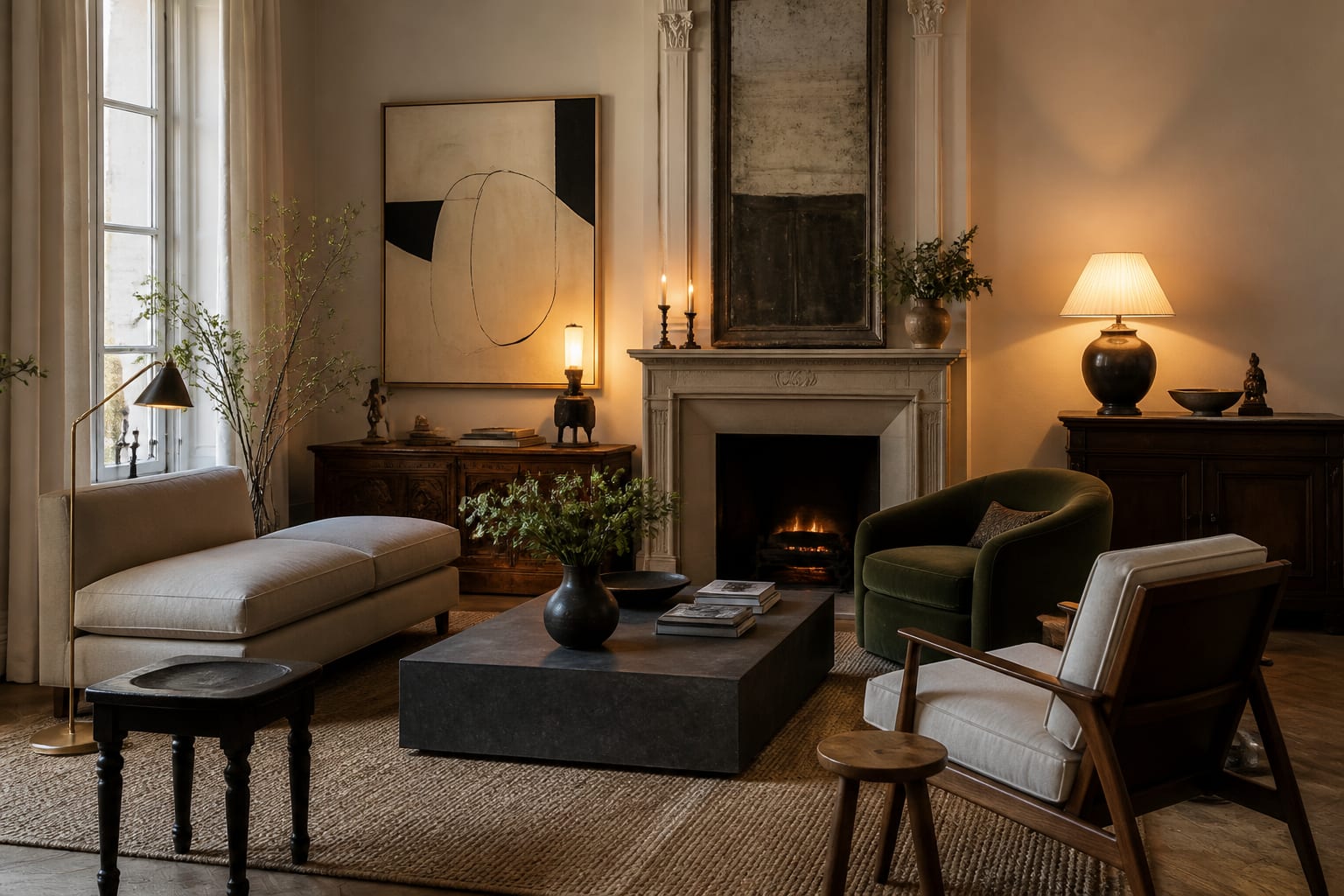
AI can identify your interior design style by analyzing a photo of your existing decor for repeated colors, furniture shapes, materials, and lighting, then naming a primary style plus secondary influence with the visual evidence behind it. Upload one straight-on photo shot from about 48-60 inches high, showing the whole room, not a staged close-up.
What Should Your Photo Show the AI?
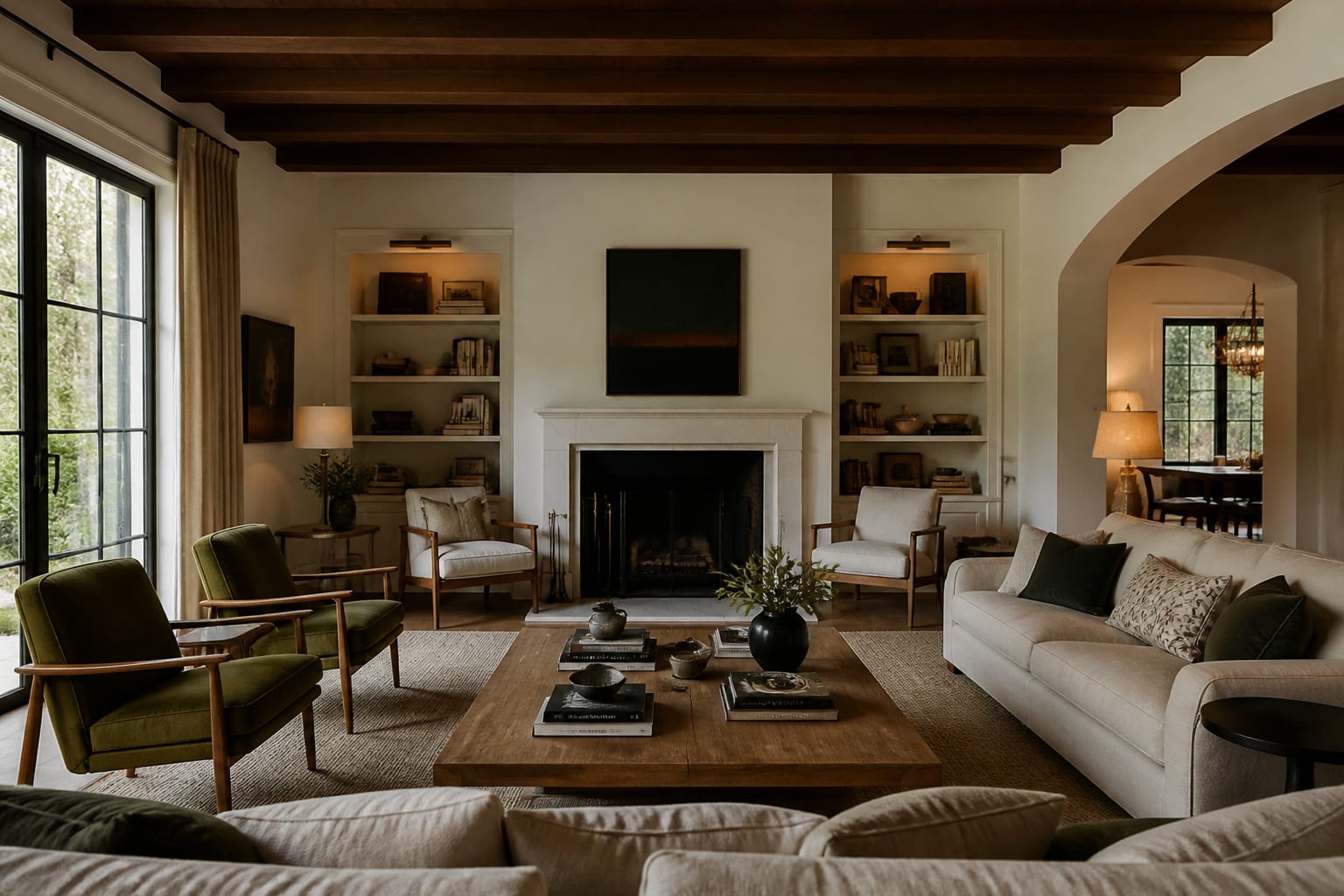
Give the AI the whole room, not a staged close-up: the floor, windows, ceiling line, large furniture, art, and fixed finishes. One straight-on photo from 48-60 inches off the floor gives the tool enough evidence to spot repeated colors, materials, and shapes, plus mismatches you've stopped noticing, like a glass table fighting a chunky sofa. If the room is dim, brighten it first; see making fake natural light feel believable.
Color repetition is the first clue. Ivory, camel, walnut, and matte black usually lean warm modern or modern organic. Navy, brass, rolled arms, and dark wood point toward traditional or transitional. All-white, pale oak, and soft gray may be Scandinavian, but check whether the room has enough texture to avoid looking unfinished.
Shape and material confirm it. Square arms, slab fronts, and thin metal legs signal one direction; turned legs, skirted upholstery, and carved wood signal another. Leather, iron, and reclaimed wood read industrial, while the same black metal with cane and boucle reads softer. Warm bulbs around 2700k-3000k make wood, linen, and brass read true; a stray blue-white fixture can make a warm room look cold and confused.
How Do You Get a Style Diagnosis You Can Trust?
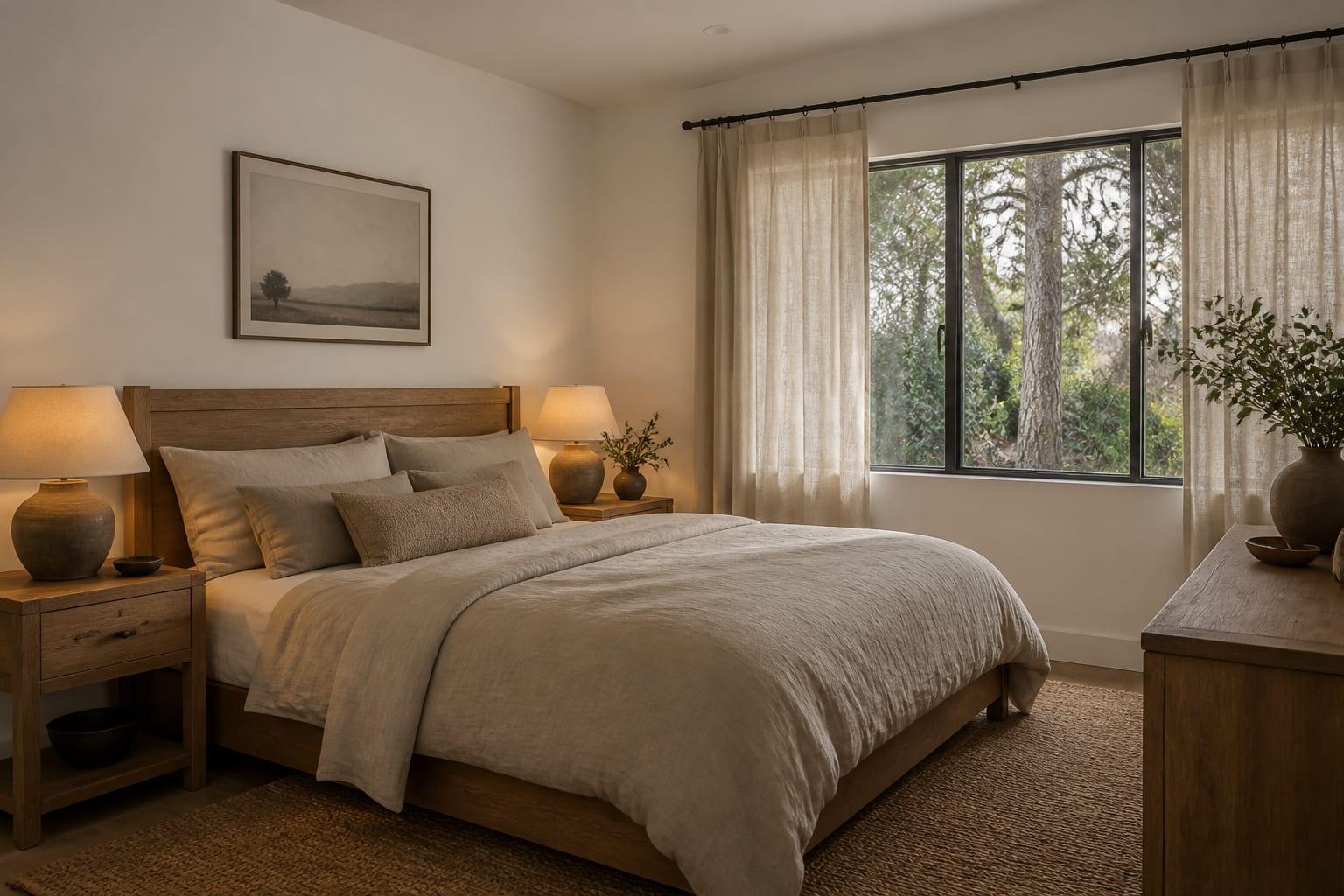
A credible AI diagnosis reads like a designer's note, not a horoscope. Push for specifics with these prompts:
- Ask for a primary style plus a secondary influence, since most rooms are a mix, such as 70 percent warm modern and 30 percent traditional.
- Ask for the five strongest visual clues, like an 8x10 jute rug, black picture frames, or tapered chair legs.
- Ask which piece is breaking the style, since one glass table or oversized recliner can undercut an otherwise intentional room.
- Ask for a tighter palette of 4-6 colors and materials instead of vague words like cozy or classic.
- Ask for one scale correction, like a larger rug; test the footprint with painter's tape and keep 30-36 inches of walking clearance before buying.
Common mistakes to avoid:
- Chasing an admired style that ignores your fixed finishes; orange oak floors and beige tile need a warmer, softer version of minimalism, not a cold copy.
- Uploading a cluttered photo, which teaches the tool to read mess as taste; clear laundry and cords, but keep the sofa, rug, and art.
- Accepting too many labels; hybrid style should be one clear mix, not five style names stacked together.
- Blaming furniture for what is really a circulation problem, covered in handling a room with too many doorways.
- Buying the missing piece before confirming its size against your actual sofa depth, table diameter, or curtain length.
Mirrors can also confuse a read if they only reflect clutter or a dark wall; place them to reflect a window or lamp instead, as in using mirrors to amplify light.
How Do You Preview the Style Before You Commit?
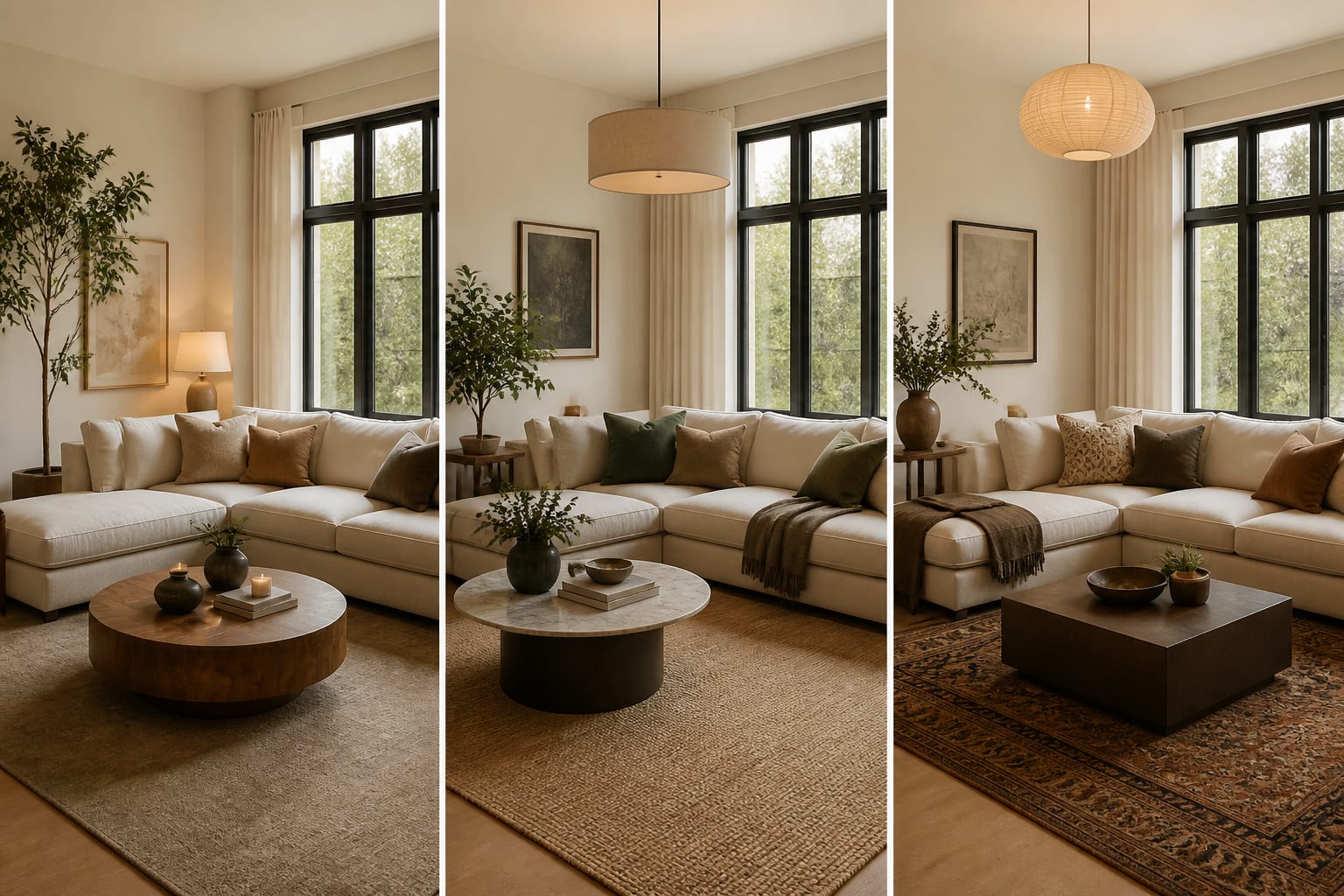
Turn the diagnosis into visible options. Upload the same photo and ask for three style directions that keep fixed features unchanged: one closer to the current look, one more edited, one bolder. A mixed living room might get warm traditional with deeper wood, modern organic with walnut and cream, or tailored transitional with blue-gray textiles and brass.
Keep the prompt physical: note ceiling height, sofa length, trim color, floor material, and window count, and ask the AI to keep those facts visible. If a preview changes the floor or window size, the style answer isn't trustworthy yet. The best result points to one clear next test, like warmer bulbs, a bigger rug, or curtains mounted 4-8 inches above the casing.
How Do You Turn the Label Into a Room Plan?
Translate the style answer into one measured brief before you shop. If the AI says warm modern with traditional influence, spell it out: warm white walls, walnut storage, cream linen curtains, aged brass lamps, one patterned pillow, a 9x12 rug, no glossy chrome.
Decide what stays. Keep pieces that support the diagnosis; remove ones that fight it, like a tiny gray rug that can't work no matter how accurately the AI names the style. Sample paint on a 24x36 inch area and check fabric, stain, and metal finishes beside the furniture you're keeping, not under store lighting.
A usable plan fits in one sentence: warm modern living room, keep gray sofa and oak floor, add 9x12 textured rug, walnut coffee table, cream floor-length curtains, two 2700k lamps, olive pillows, black frames. If the label can't get that specific, ask for a clearer diagnosis before buying another almost-right piece.
Frequently Asked Questions
Can AI really tell me my interior design style from a photo?
Yes. AI analyzes repeated colors, furniture shapes, materials, and lighting in a room photo to name a primary style and secondary influence, then explains the specific visual clues behind that label rather than guessing from a quiz.
What kind of photo works best for a style read?
Use one straight-on shot taken from about 48-60 inches off the floor showing the whole room: floor, windows, ceiling line, large furniture, art, and fixed finishes. Clutter and close-ups give the AI less to work with and can distort the result.
Why does my room feel like it has no style?
Often it's a layout or lighting problem, not a decor problem. Furniture dodging a doorway or a single cool-toned bulb can make an otherwise cohesive room look undecided; fix circulation and light before changing the style plan.
How specific should an AI style diagnosis be?
Specific enough to shop from. It should name a 4-6 color palette, the five strongest visual clues, and the one piece breaking the look, not just a single word like "modern" or "cozy."
Should I trust a style preview that changes my floor or window size?
No. A trustworthy preview keeps your fixed features, like floor material and window dimensions, exactly as they are. If those change, ask the AI to regenerate the preview with those elements locked.