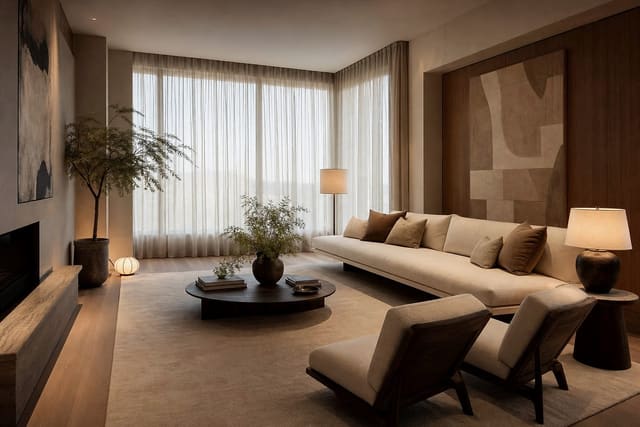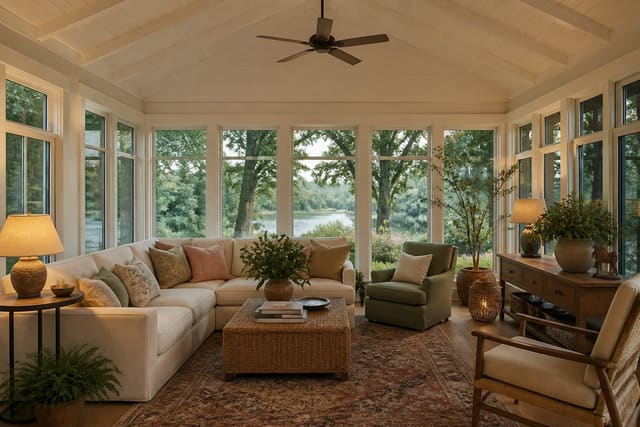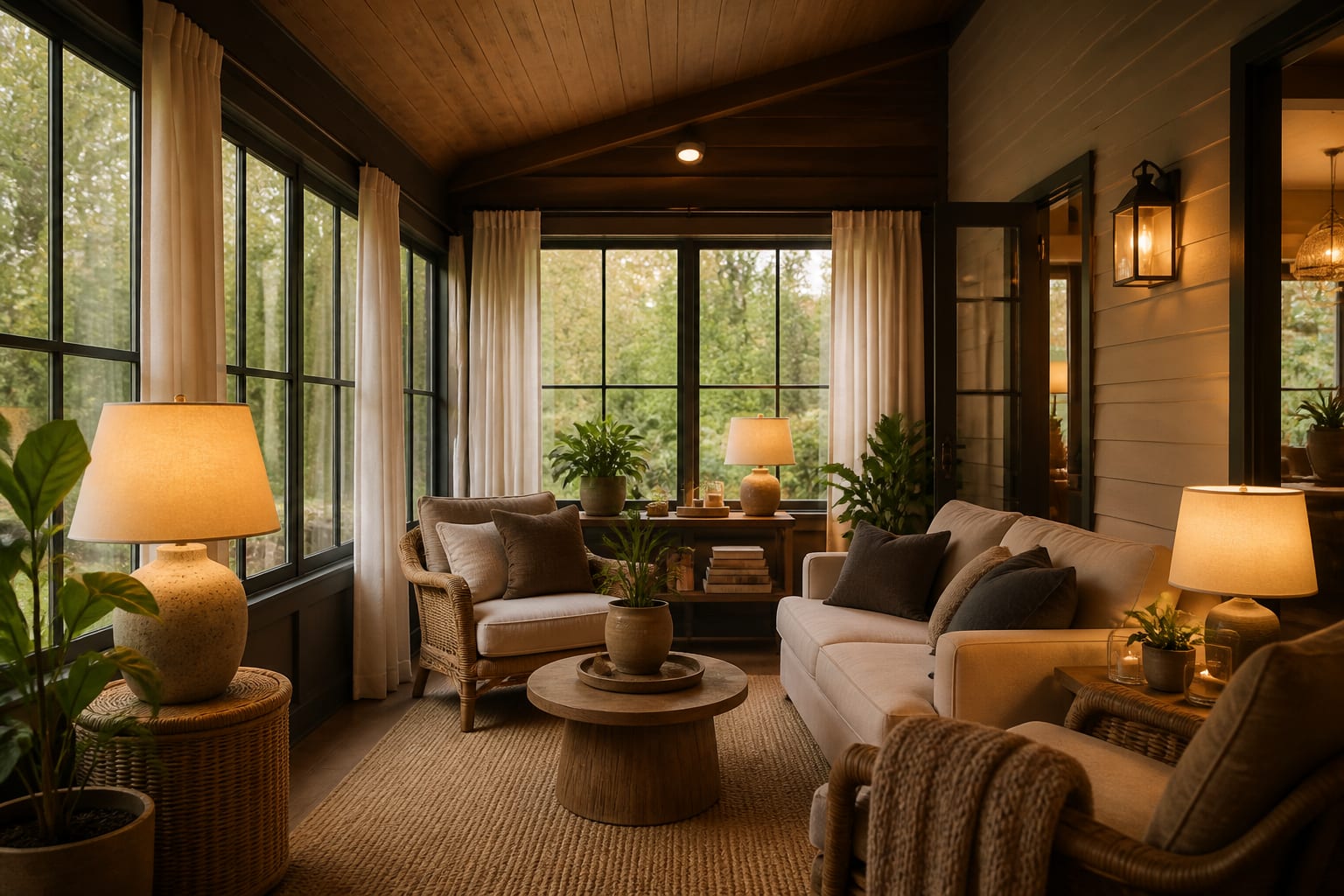
AI room conversion design lets you turn an enclosed porch or sunroom photo into tested layouts for flooring, lighting, and furniture before you buy anything. It won't confirm framing or HVAC, but it will show whether the space can function as a reading room, breakfast nook, or office once glare, floor level, and scale are addressed.
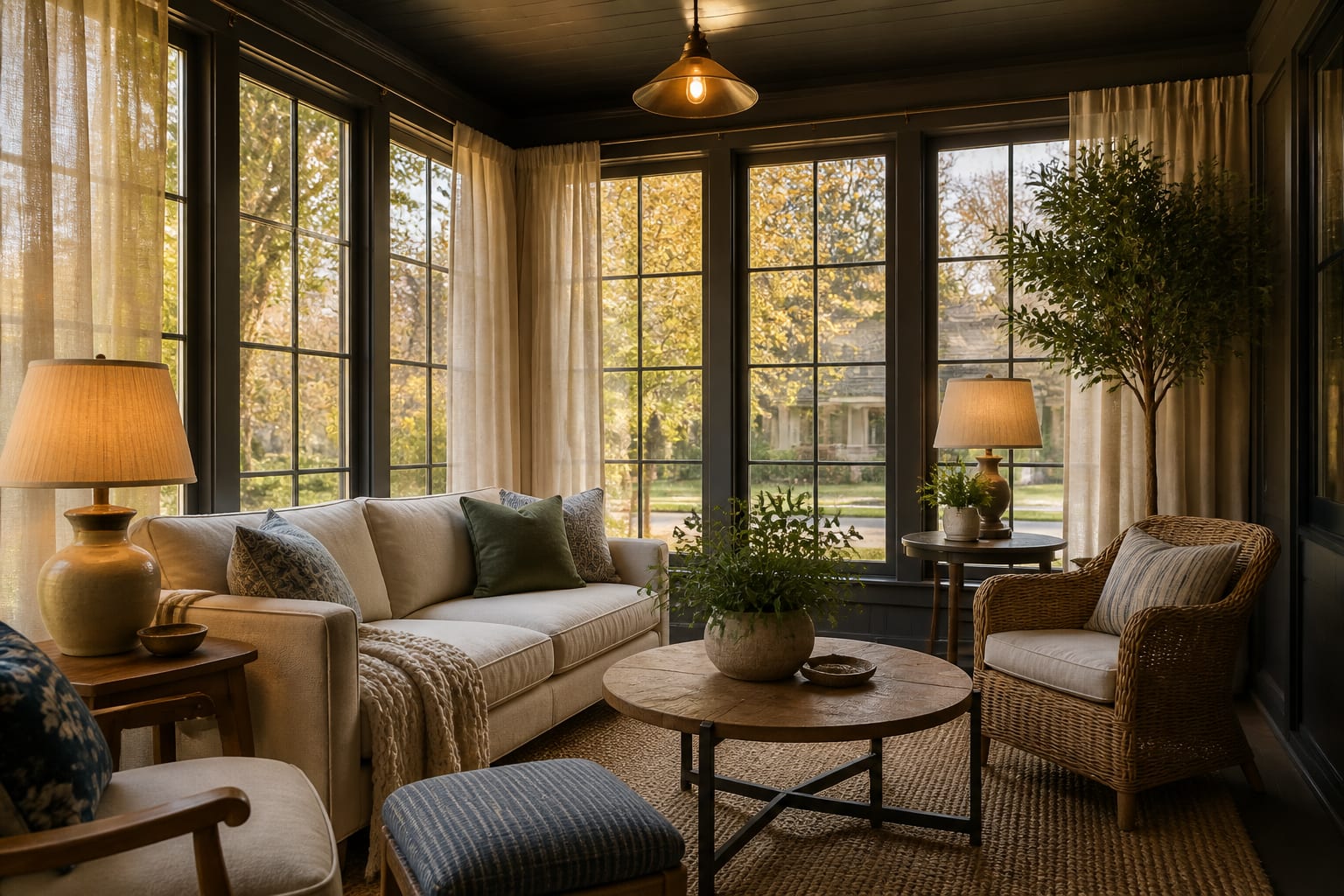
Can AI Design a Room From an Enclosed Porch?
AI can show how the same porch or sunroom could look with different flooring, furniture scale, window treatments, lighting, and functions. It can't confirm permits, insulation, or structural changes, but it makes design consequences visible before you buy the pieces.
The strongest use case is comparison. Upload the porch as it stands, including aluminum tracks, exposed brick, ceiling slope, or an awkward step, then request three options: a reading lounge, a breakfast room, and a compact office. If you already know the space should be a sunroom, cross-check the result against AI sunroom design previews so it doesn't drift into generic living room furniture.
A useful preview keeps the same camera angle and respects the real architecture. If it invents taller windows, removes a support post, or turns a 7-foot-wide room into a spacious conservatory, keep the mood and discard the plan.

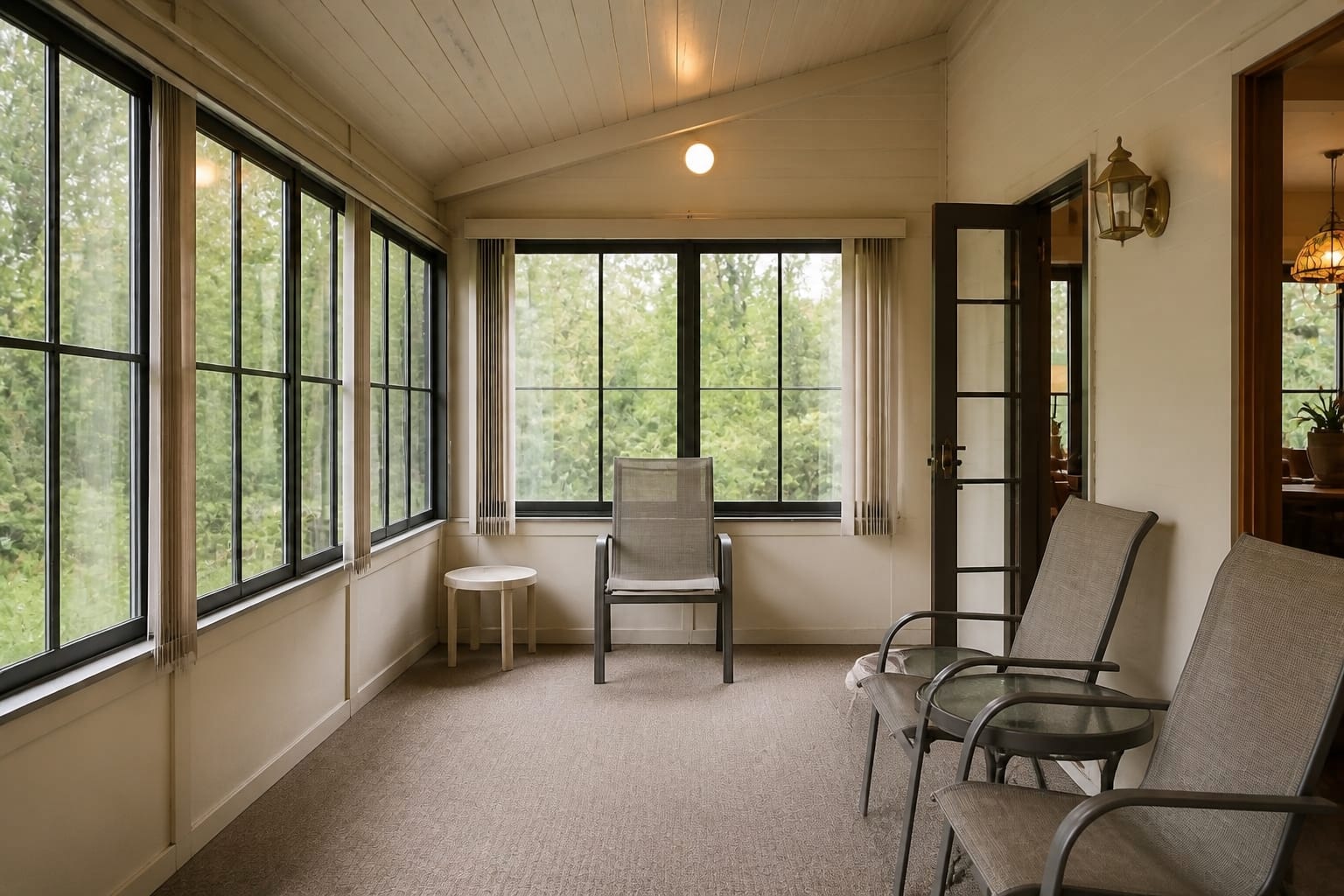
What Does the Porch Need Solved Before Decorating?
Most "before" porches aren't ugly, just undecided: outdoor flooring, patio-scale chairs, a lonely ceiling fan, and a rug that reads as temporary. The first impressions from the doorway are usually glare, thinness, and echo.
Check the threshold first. Even a 1-inch step down tells the body the room is separate from the house. If it can't be leveled, make the transition intentional with a flush-looking runner or a material change that reads as designed, and don't place the main chair where someone must step down and turn around it.
Then check the glass. Enclosed porches often have more window than wall, which backlights every chair and reflects every screen. Full-height woven shades or linen panels mounted near the ceiling soften the edges without blocking the view. For a reality check against porch furniture pretending to be indoor furniture, see sunroom ideas for real living space.
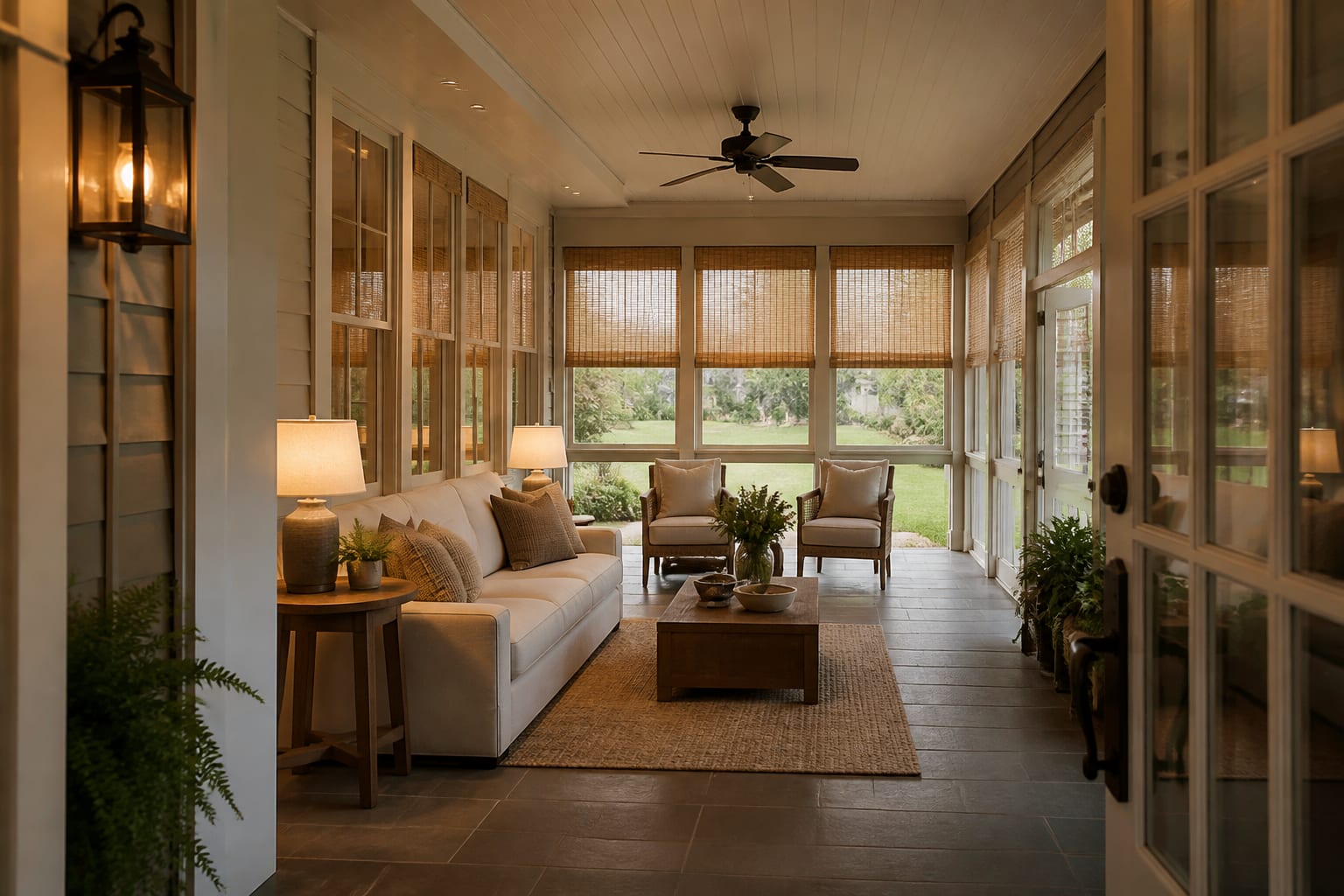
What Should You Fix Before Decorating?
Decide how the room handles temperature, light, moisture, and sound before you decorate. A beautiful design still fails if the floor stays cold, sun bleaches the cushions, or rain turns the ceiling into a drum.
- Flooring: Choose finishes that read as interior but tolerate swings — luxury vinyl plank, sealed wood, cork, or low-pile indoor-outdoor rugs. Skip thick jute where damp shoes and condensation are normal.
- Lighting: Layer at least two lamps around 2700K plus a plug-in sconce if the ceiling fixture sits over the old porch layout instead of new seating.
- Windows: Soften the glass wall with fabric or woven texture; mount panels 4-8 inches above the frame and let them reach the floor.
- Circulation: Protect a 30-inch main path and use chairs around 28-32 inches wide instead of deep club chairs that block the walkway.
If the room is unconditioned or lightly conditioned, say so in the design brief. A three-season room can still be beautiful with fabrics and finishes that tolerate temperature swings better than a fully insulated family room.
How Should the Finished Room Feel?
The after version should feel like a small indoor room with unusually good light, not a porch with better pillows. Give it one primary function: a two-chair reading room can work well in a 7-by-12-foot enclosure, but a loveseat, desk, storage bench, plant stand, and breakfast table together will feel like a storage aisle.
- Lounge: A loveseat 58-72 inches wide, one slim drink table, and a rug large enough for the front legs to land on.
- Breakfast nook: A 36-42 inch round table, which lets people slide around it without clipping corners.
- Office: A desk 20-24 inches deep, positioned so glare doesn't hit the monitor.
Repeat one material from the adjoining room — oak, black metal, cream upholstery, terracotta, or aged brass — so the porch feels connected to the house, then add one outdoor touch on purpose, like plants, stone, or rattan. For a more formal glass-house look, conservatory interior design ideas can add charm without staging.
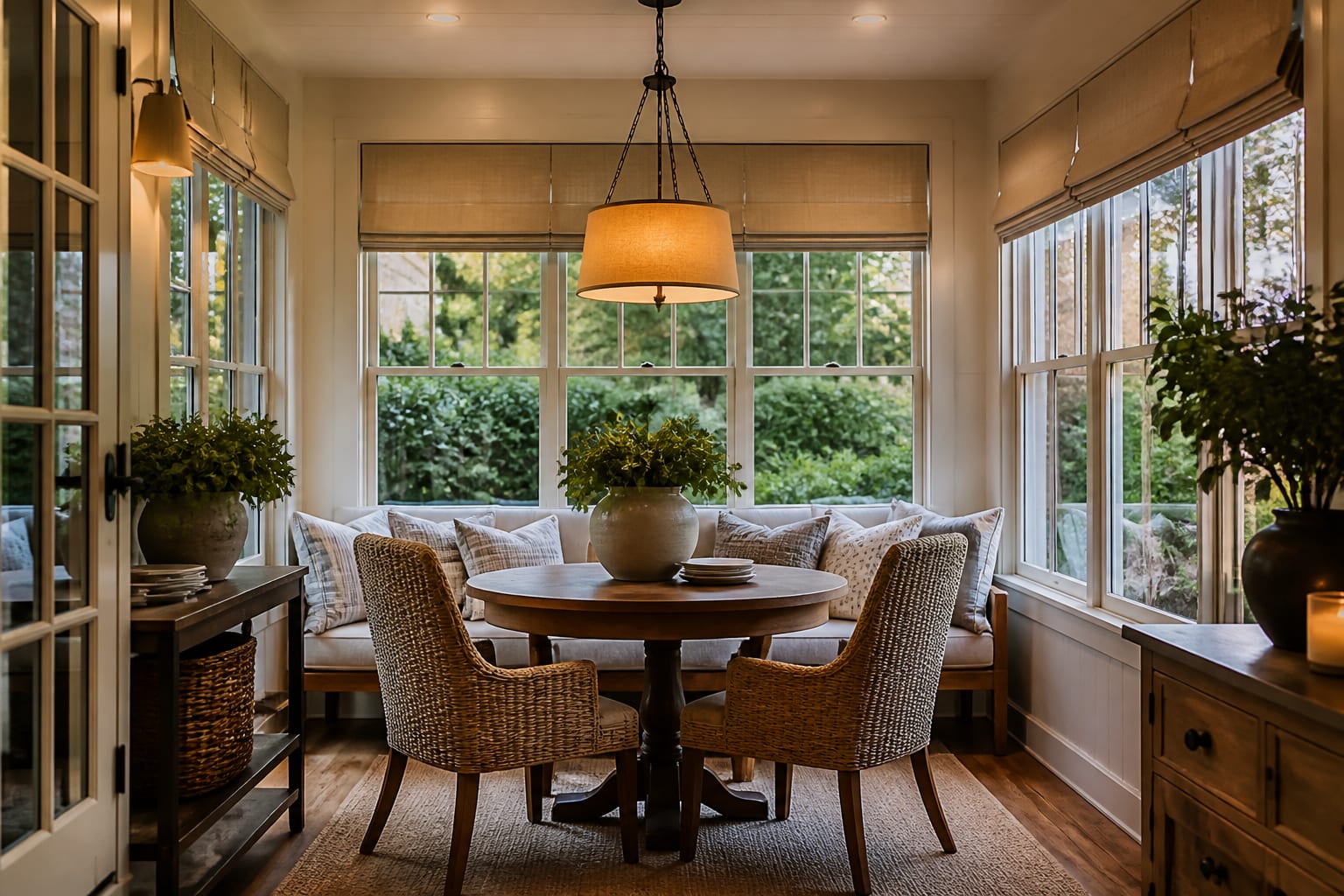
What Mistakes Ruin Porch Conversions?
Mistakes happen when the after image skips the boring physical problems. A porch becomes a room when the shell, comfort, and layout support daily use, not because it contains a sofa.
- Buying living-room-depth furniture (38 inches) in a narrow porch erases the walking path; choose shallower seating and test a 30-inch route from the house door to the far end.
- Relying on the old porch light as the only fixture leaves the room stranded after dark; add lamps or dimmable sconces.
- Skipping window privacy makes the room feel exposed at night; pair light-filtering shades with side panels where neighbors or sidewalks sit close to the glass.
- Assuming moisture is gone because the porch is enclosed risks stained rugs and warped furniture; use washable textiles near sliders and keep plant saucers off wood.
Don't overcorrect by making every finish heavy — a converted sunroom still needs air and light, just with enough interior structure to feel comfortable.
How Do You Use AI Previews Effectively?
Treat AI design as a rehearsal for the visible design, not a permit set. Photograph the porch from the main entry with the threshold, floor, windows, ceiling, and exterior door visible, plus a second angle if there's a step, radiator, low sill, or sliding track that controls the plan.
Write the prompt around constraints: existing window locations, existing ceiling height, a 30-inch walkway, 2700K lamps, full-height linen panels, a 60-inch loveseat, one round side table, and no change to floor level. For an office version, specify a 24-inch-deep desk, glare control, and closed storage under 16 inches deep.
Judge previews by what survives across versions. If every strong image includes woven shades, a warmer floor, lower furniture, and two lamps, those are the real moves. If one dramatic image only works because the tool erased the porch tracks and widened the room, keep the mood and redesign the plan.
Frequently Asked Questions
Can AI actually design a room converted from an enclosed porch?
Yes, AI can generate layout, lighting, and furniture previews using your own porch photo, showing how the space could function as a lounge, office, or breakfast nook. It cannot verify structural, insulation, or permit requirements, so treat the output as a design rehearsal, not a construction plan.
What's the first thing to fix in a porch-to-room conversion?
Solve the shell before decorating: floor level, glare control, outlets, and a heating or cooling plan. Furniture choices only work once these basics are settled, since a beautiful layout still fails if the floor is cold or the sun bleaches every surface.
How do I stop a sunroom from feeling like a porch with furniture?
Replace patio signals with room signals: a real rug, 2700K-3000K lamps, full-height window treatments, and furniture scaled for daily sitting rather than occasional use. Repeating one material from the adjoining room also helps the space feel connected to the house.
How wide should the walkway be in a narrow sunroom?
Protect at least a 30-inch clear path through the room, and choose chairs around 28-32 inches wide instead of deep club chairs. This matters more in narrow enclosures than fitting in extra seating.
Should a converted porch have one function or several?
Give it one primary function first, such as a reading room, breakfast nook, or office, then add a light secondary use only if the footprint allows it. Overloading a small glass-walled room with multiple functions usually makes it feel like storage rather than a finished space.