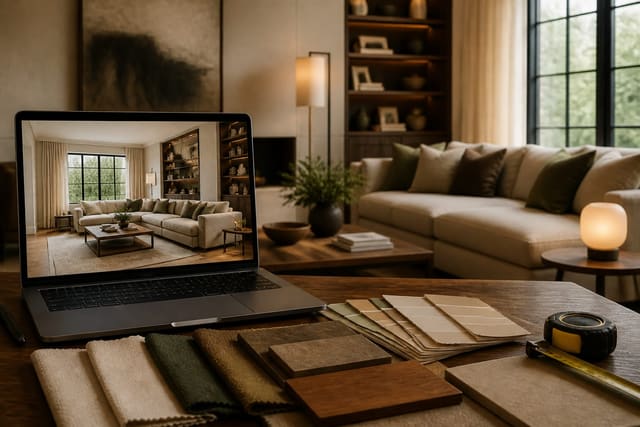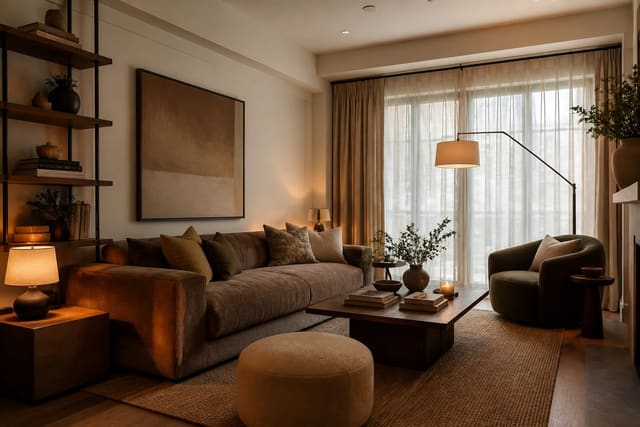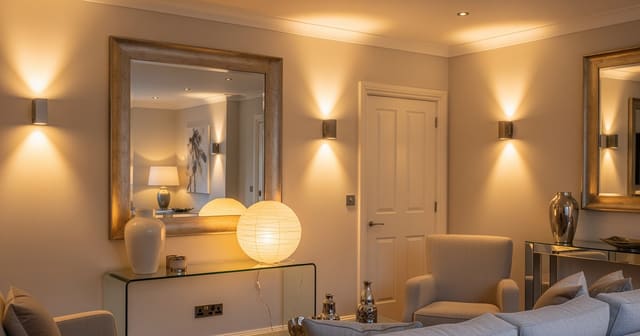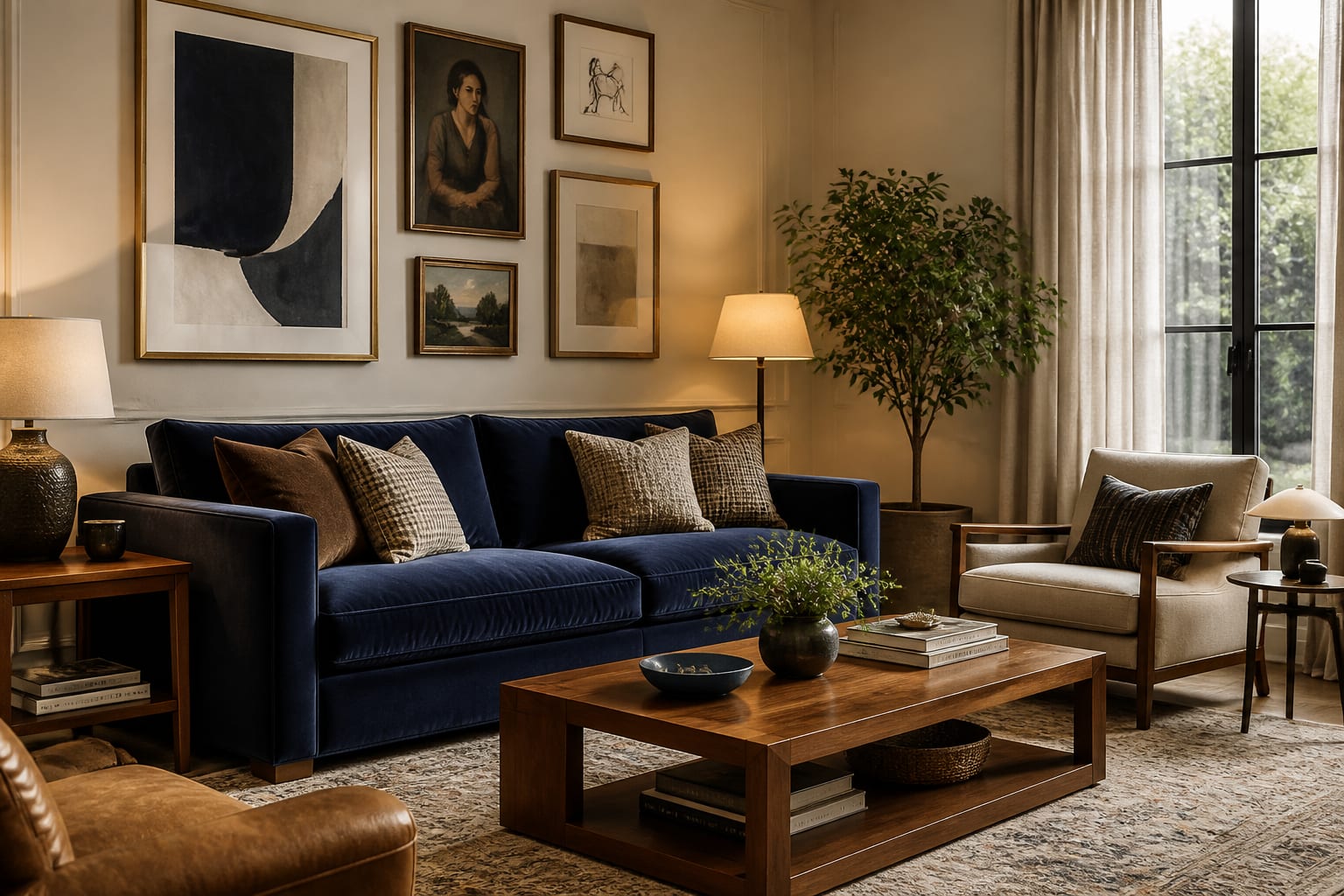
AI room design around one furniture piece works by using that item as the anchor for color, scale, lighting, and layout, then generating supporting options that prove the room belongs to it. Upload a clear room photo and a separate image or description of the piece with real measurements, and ask AI to preview versions that keep it unchanged while everything else adapts.
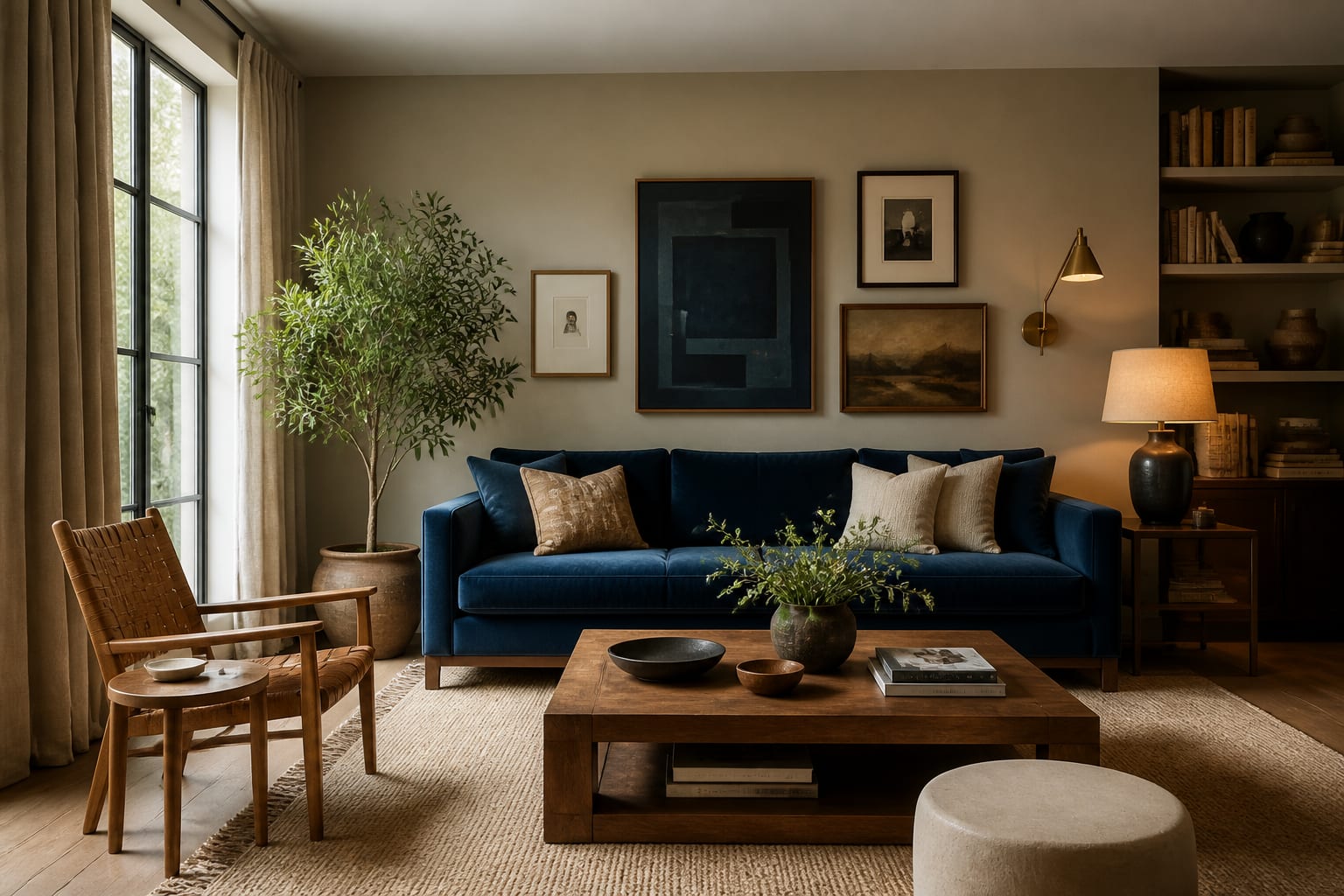
Can AI design a room around a piece you already own?
Yes, but only if you give it a real design brief instead of asking it to "make the room beautiful" around a vague favorite object. Start with two inputs: a clear room photo and a separate image or plain description of the hero piece, including length, depth, arm style, leg finish, and fabric color for furniture, or frame color, dominant tones, and size for art.
The prompt should state what stays, what can change, and what the piece must not become. For a full prompt structure, see how to write better AI room design prompts: room facts first, style language second, exclusions last.
What should the hero piece control in the room?
The hero piece should control the room's logic, not turn the space into a shrine. Give it three jobs:
- Set the palette direction. Pull one dominant color, one support color, and one neutral from it (walnut, blackened metal, and cream for a walnut cabinet, for example).
- Set the material temperature. A glossy lacquer table wants different companions than a worn oak farm table.
- Set the scale mood. Low and loungey, tall and architectural, delicate and leggy, or chunky and grounded.
Protect practical clearances regardless of the piece: 30–36 inches for main walking paths, 16–18 inches between sofa and coffee table, and at least 24 inches behind dining chairs. If the room is dim, don't expect the anchor to fix the light alone; pair the preview with ideas for making fake natural light feel believable before choosing dark paint or heavy drapery.
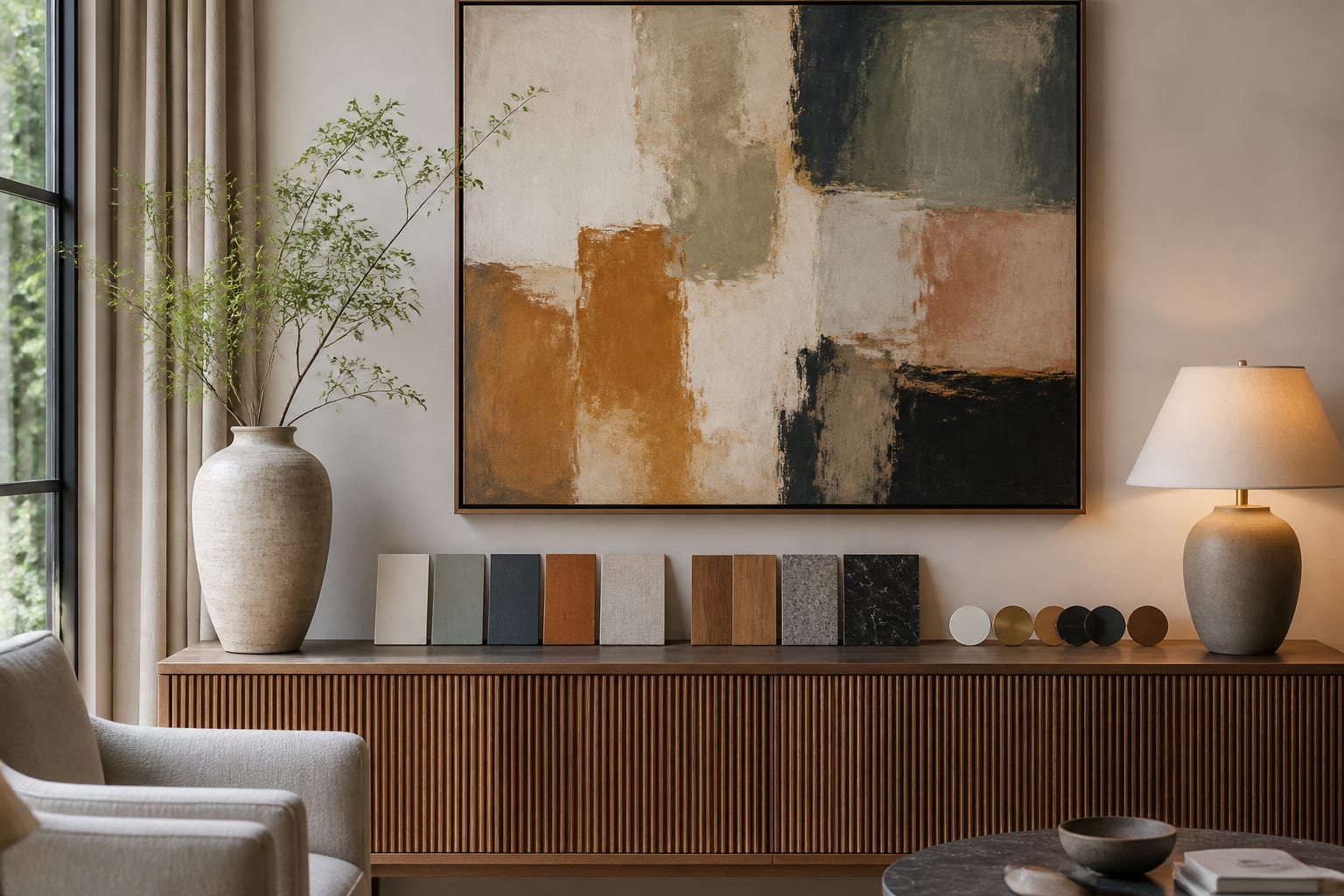
How do you build the room outward without making a shrine?
Build in rings: closest companions first, background surfaces next, accents last.
- Match furniture by proportion. A 96 inch sofa often wants a 36–42 inch coffee table; a small vintage chair needs a 16–20 inch side table, not a bulky cube.
- Pull color with restraint. If art has cobalt, rust, cream, and black, repeat cobalt once in a pillow, use rust in a textile, and let cream handle the walls.
- Use contrast to frame the piece. A dark wood cabinet may need a pale wall behind it; a pale sofa may need a darker side table or patterned rug.
- Let lighting flatter, not spotlight. Use warm bulbs around 2700K–3000K and a shaded lamp or sconce so the piece has shape after dark.
- Stop repeating before the room feels themed. If the chair is floral, repeat its curve or color, not floral curtains and floral art too.
Ask AI for one version that leans into the piece, one that quiets the room around it, and one that uses it as contrast. The winning direction is often the middle one.
What mistakes make the anchor piece disappear or take over?
- Confusing emotional size with visual size. A small watercolor can't carry a 15-foot wall without matting, framing, or a gallery grouping.
- Matching everything to the piece. Green sofa, green curtains, green art, and green lamps erase the original piece's specialness; pull the undertone instead.
- Ignoring physical scale. A deep sectional or 9x12 rug must dictate the layout. Tape the footprint on the floor and check door swings and outlet access before committing.
- Writing a soft prompt. Say the piece must remain visible and unchanged: "keep the existing blue 84 inch sofa," not just "warm modern living room."
- Treating art as only color. A graphic black-and-white print calls for sharper silhouettes; an oil portrait tolerates pleated shades and darker wood.
How do you preview the room around the anchor piece with AI?
Upload the room photo, describe the anchor with measurements, and ask for two or three versions that keep the item unchanged. If a preview is close but not right, revise one variable at a time using the process in iterating an AI room design instead of generating visual noise.
A strong prompt: "Redesign this 12x15 foot living room around the existing 88 inch rust velvet sofa, keeping the oak floor, white trim, black window frames, and 8 foot ceiling. Add a 9x12 rug, warm white walls, walnut tables, two shaded lamps, linen curtains mounted 6 inches above the casing, and no gray walls or glass coffee table."
After the first result, check: Does the palette make the piece look richer or louder? Does the scale let it breathe? If AI buries it under matching colors, revise for contrast; if it looks lonely, revise for one repeated color, shape, or material.
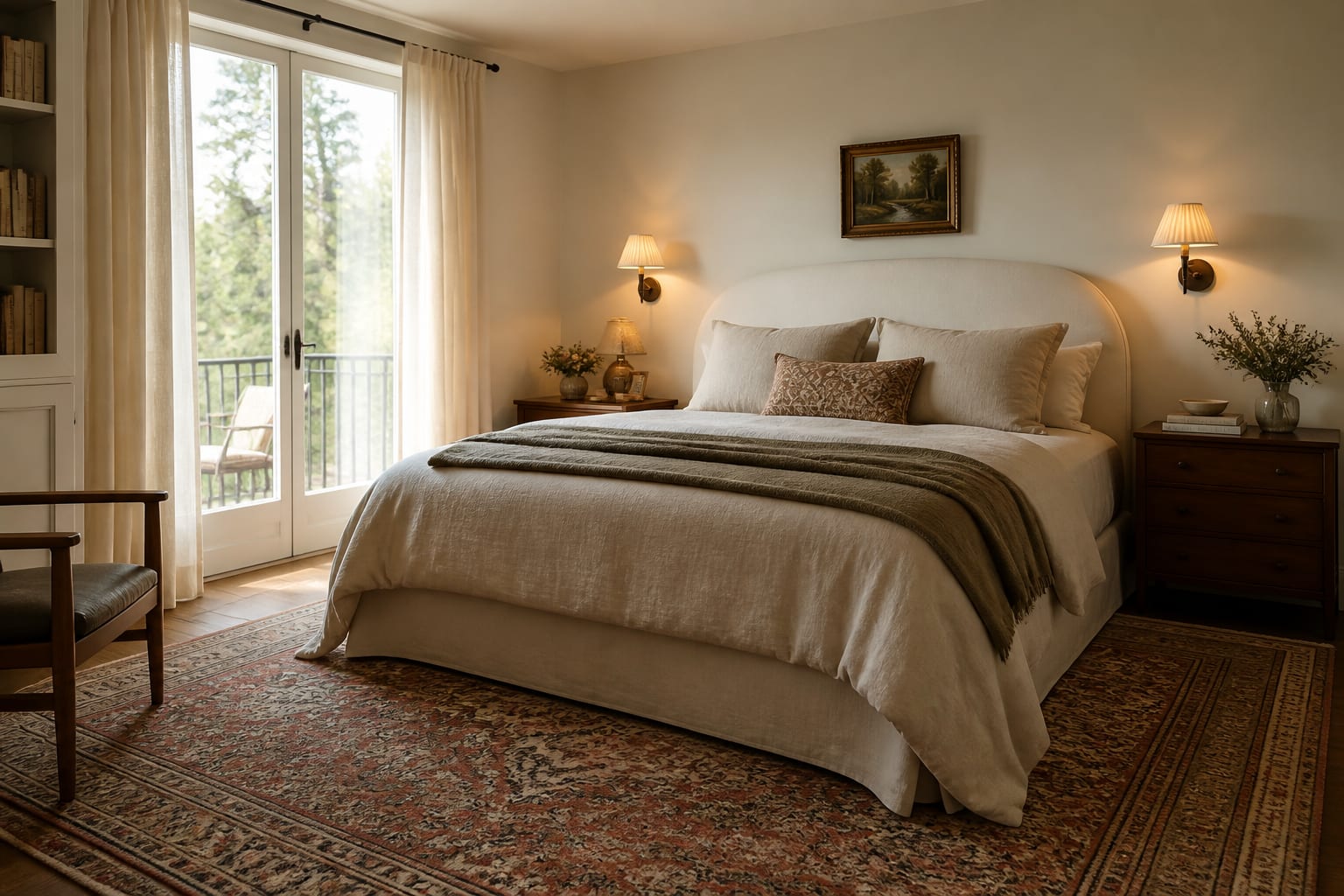
When is the room finished enough to buy or move things?
The room is ready when you can describe it in measured, boring language: "keep the blue 84 inch sofa, add an 8x10 wool rug, use a 32 inch round walnut coffee table, hang cream curtains to the floor, add two 2700K table lamps, and repeat blue once in the art."
Test that sentence in the room. Tape the rug and table footprint, hold samples next to the piece in morning and evening light, and check whether the lamp shade flatters the fabric or wood tone. If the anchor is fragile or sentimental, choose supporting pieces that protect it: washable textiles near kids, closed storage near clutter, and stable side tables near heirloom ceramics.
The goal isn't a room that worships one object. It's a room where the object you love feels inevitable.
Frequently Asked Questions
Can AI room design work with just one furniture photo?
Yes, but results improve when you add measurements and a separate room photo. A single photo without dimensions forces AI to guess scale, which often produces a piece that looks too small or too large once placed against real walls and furniture.
How many colors should I pull from my favorite piece?
Pull three: one dominant, one support, and one neutral. Repeating more than that flattens the room and makes the piece look like it's part of a matching set instead of the reason the room exists.
What if AI keeps changing my hero piece instead of the room around it?
Your prompt is too soft. State explicitly that the piece must remain unchanged and central, include its measurements and color, and list what should NOT change alongside what can.
Should lighting match the era or style of the anchor piece?
Not exactly, but it should flatter its material. Warm bulbs around 2700K–3000K suit wood, velvet, and traditional pieces, while slightly cooler light can suit glossy or modern finishes without washing out the piece's detail.
How do I know if my room design is too matched to the anchor piece?
If every surface repeats the same color or shape as the hero piece, it has lost its authority. Add contrast through a paler wall, a darker table, or a differently shaped accent to make the piece stand out again.