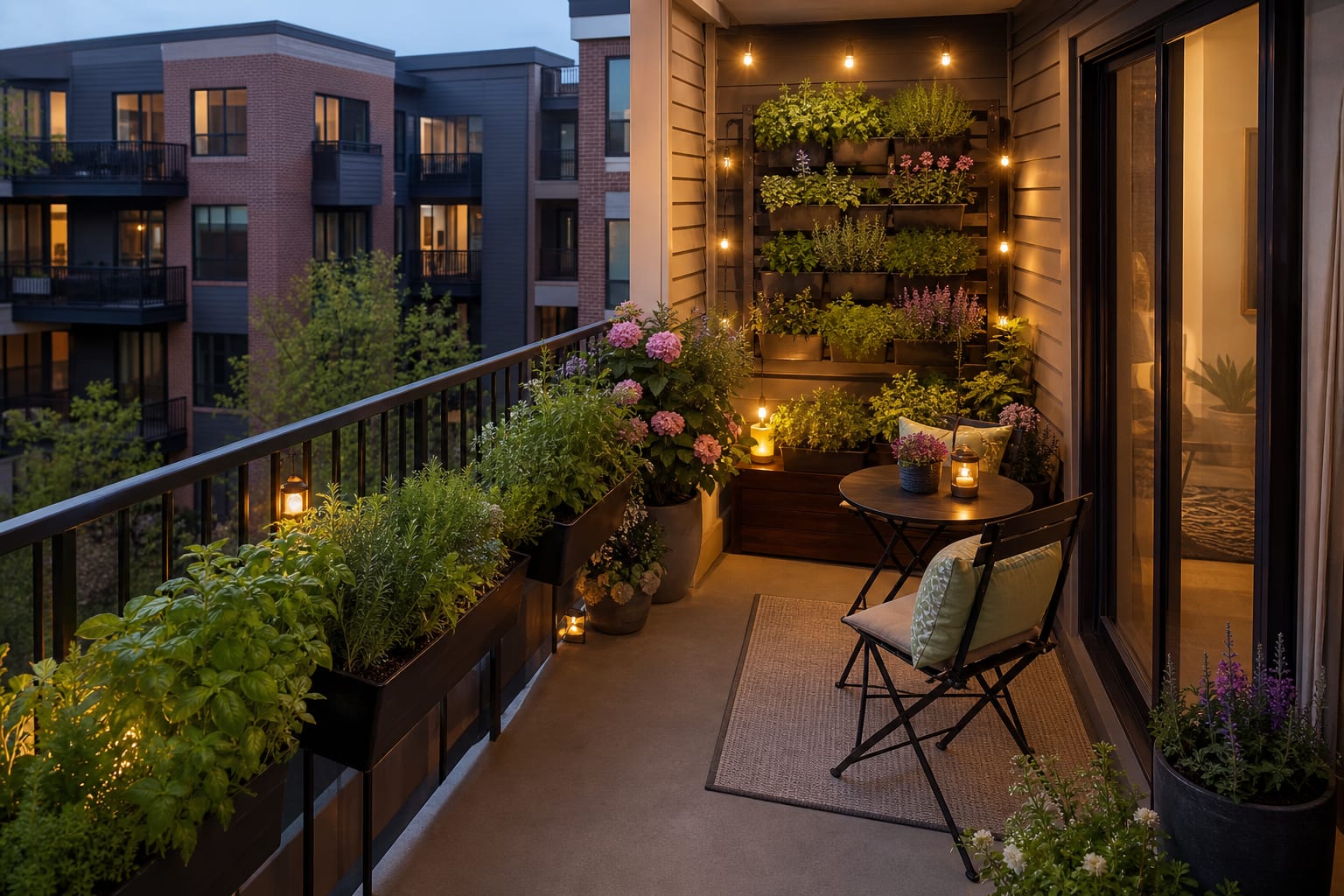
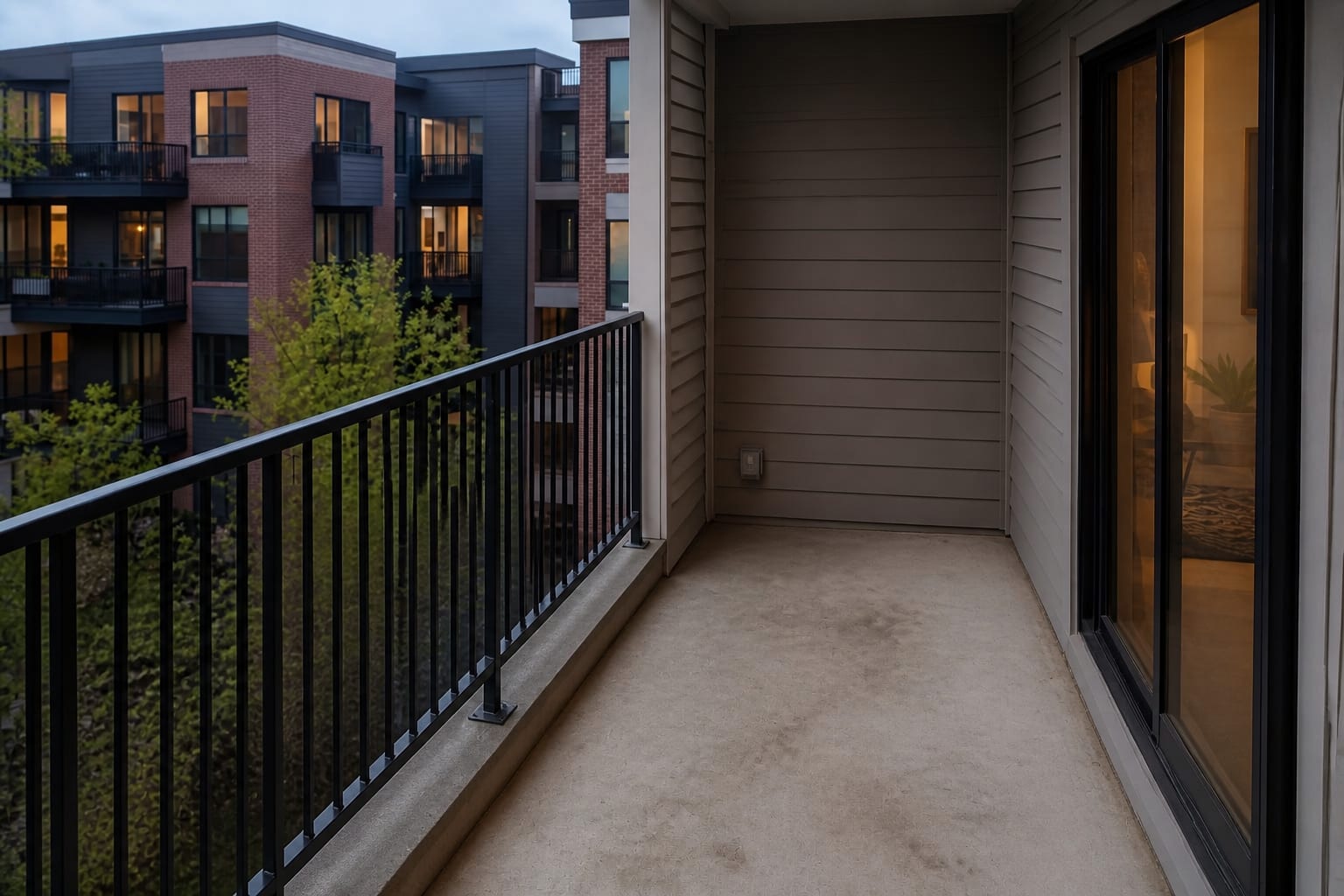
The best apartment balcony garden ideas start with limits, not plants: check weight rules, map sun and wind, use containers 8-15in deep with drainage, and keep one 30-inch path clear. Within a 4x6ft footprint you can grow herbs, salad greens, dwarf tomatoes, strawberries, and flowers without blocking access or bothering neighbors below.
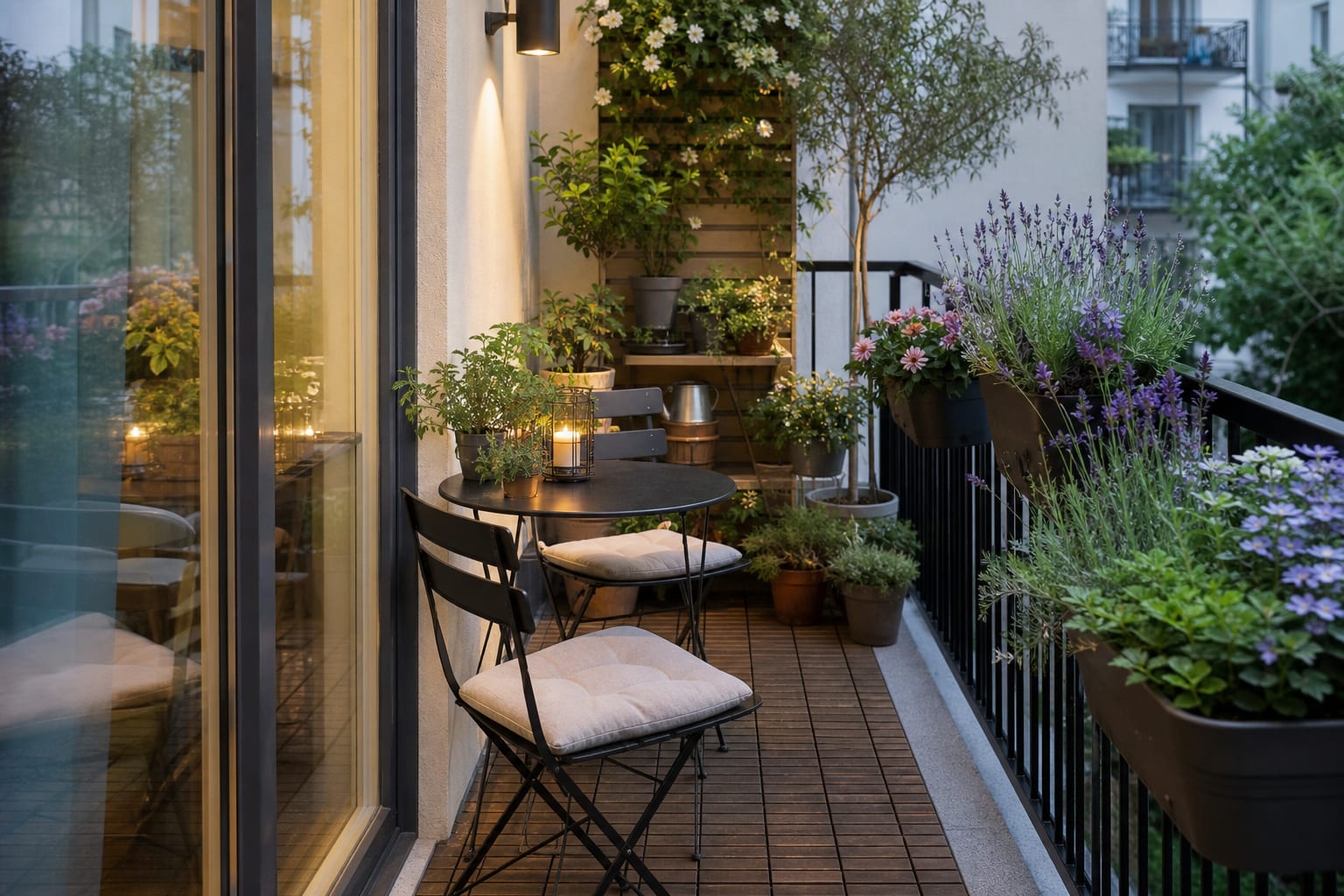
How do I garden on an apartment balcony without a yard?
Check your balcony's weight limit, map sun and wind exposure, choose containers with drainage, keep a 30-inch path clear, and start with compact edibles and tough ornamentals. Measure the usable floor, door swing, railing height, and sunniest wall before buying anything.
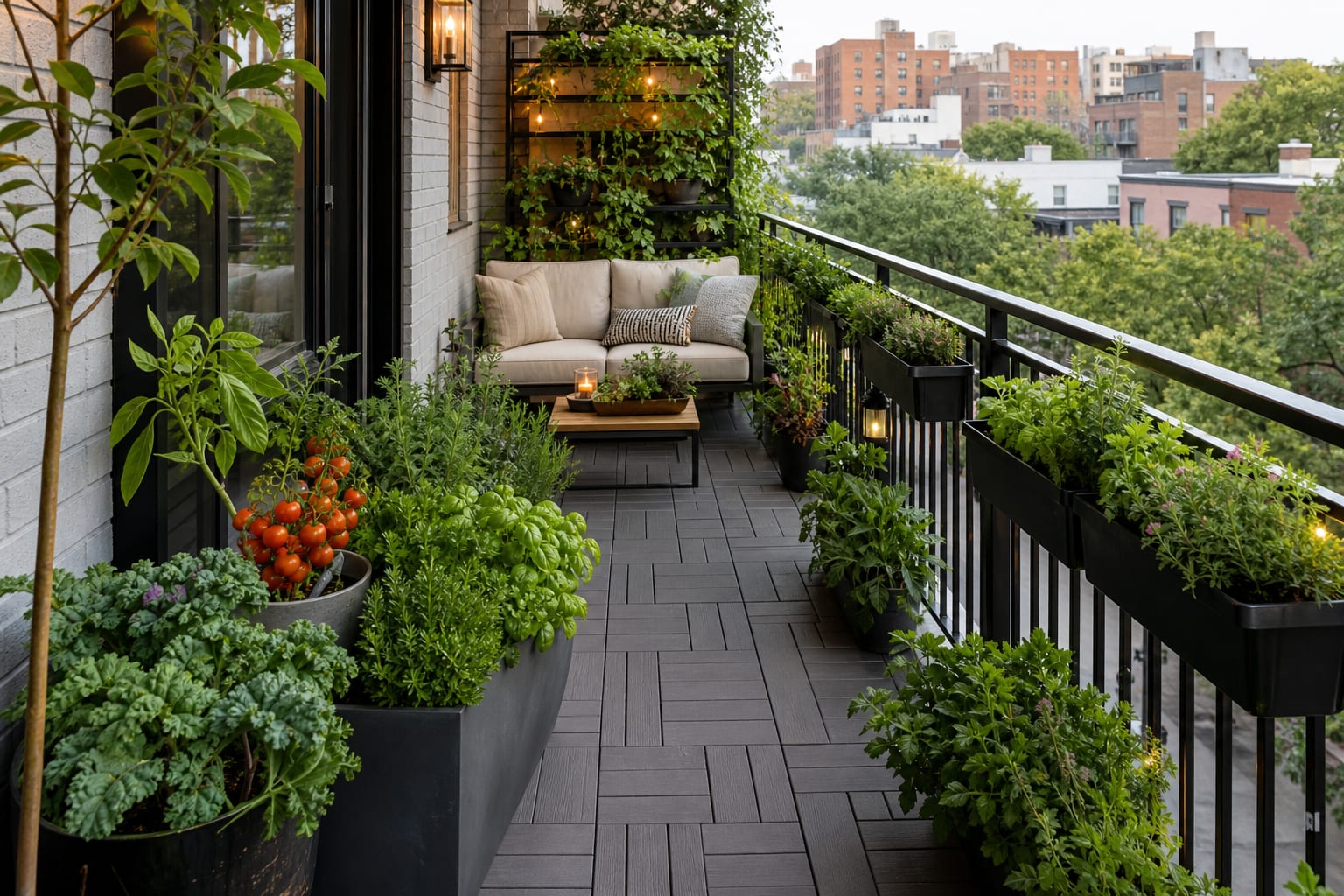
One long edge should become the growing zone while the other stays open for movement and seating. A 4ft-deep balcony can fit a 12-18in planter zone; a 6ft-deep balcony can add a chair, a 24in round table, and a tiered plant stand.
Containers need drainage holes and potting mix, never garden soil, which stays too wet and can rot roots. Use at least 8-10in depth for herbs, 6-8in for leafy greens, and 5-10 gallons per plant for tomatoes, peppers, blueberries, or dwarf citrus. On windy balconies, choose heavier low containers over tall lightweight pots and keep top-heavy plants away from the railing.
Floor pots or vertical growing: which works better?
The real choice isn't herbs versus flowers, it's floor containers versus vertical growing. Floor pots are steadier, hold more soil, and give vegetables a better root run. Vertical racks and railing pots save space but dry faster and catch more wind, so the smartest renter setup mixes both: heavy pots low, lightweight herbs at rail height, nothing that requires drilling unless the lease allows it.
| Balcony garden move | Best when | Watch the tradeoff |
|---|---|---|
| Floor planters | You want vegetables you can actually harvest | Large pots need weight approval and steady watering |
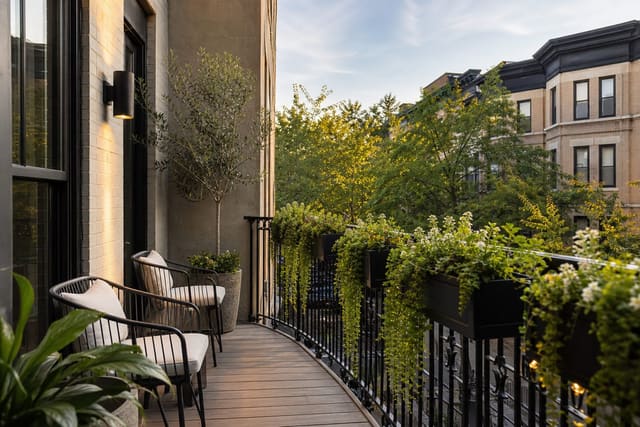
| Railing planters | Herbs need to be within reach and floor space is tight | Wind exposure and building rules matter more than the photo |
| Tiered plant stands | You have a sunny wall for mixed herbs and flowers | Upper shelves dry fastest and may shade lower plants |
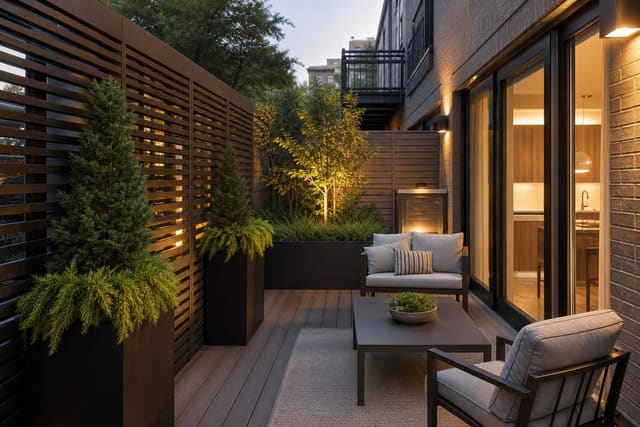
| Privacy planting | You need screening from a neighboring balcony | Tall pots need ballast and a safe railing setback |
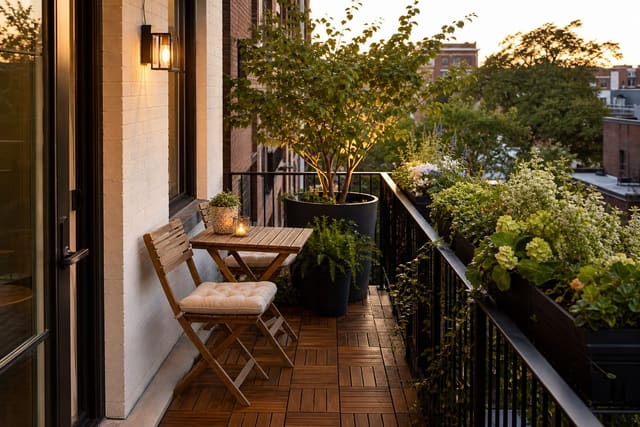
A small edible setup goes far: one 24in rectangular planter for greens, a 12in pot for basil, a 10in pot for parsley or chives, and a 5-gallon grow bag for a compact tomato. If that fills the sunny side, stop there. More pots mean uneven watering and a cluttered look, not more garden.
Five moves earn their space on most balconies:
- Run a low planter bench 14-18in deep along the least-used wall, leaving the middle open for a chair.
- Use railing planters rated for your railing type for shallow-rooted crops like thyme, strawberries, and lettuce; see these railing planter ideas for small outdoor spaces.
- Add one tall screening pot (20-24in) where the view is worst rather than lining the whole railing; bamboo or clumping grass works well.
- Choose furniture that folds or tucks under the planting edge. A slim bistro chair and 24in table leave room for both plants and knees, per these small balcony furniture ideas.
- Repeat pot colors and finishes in clusters of three so the garden reads as designed from indoors.
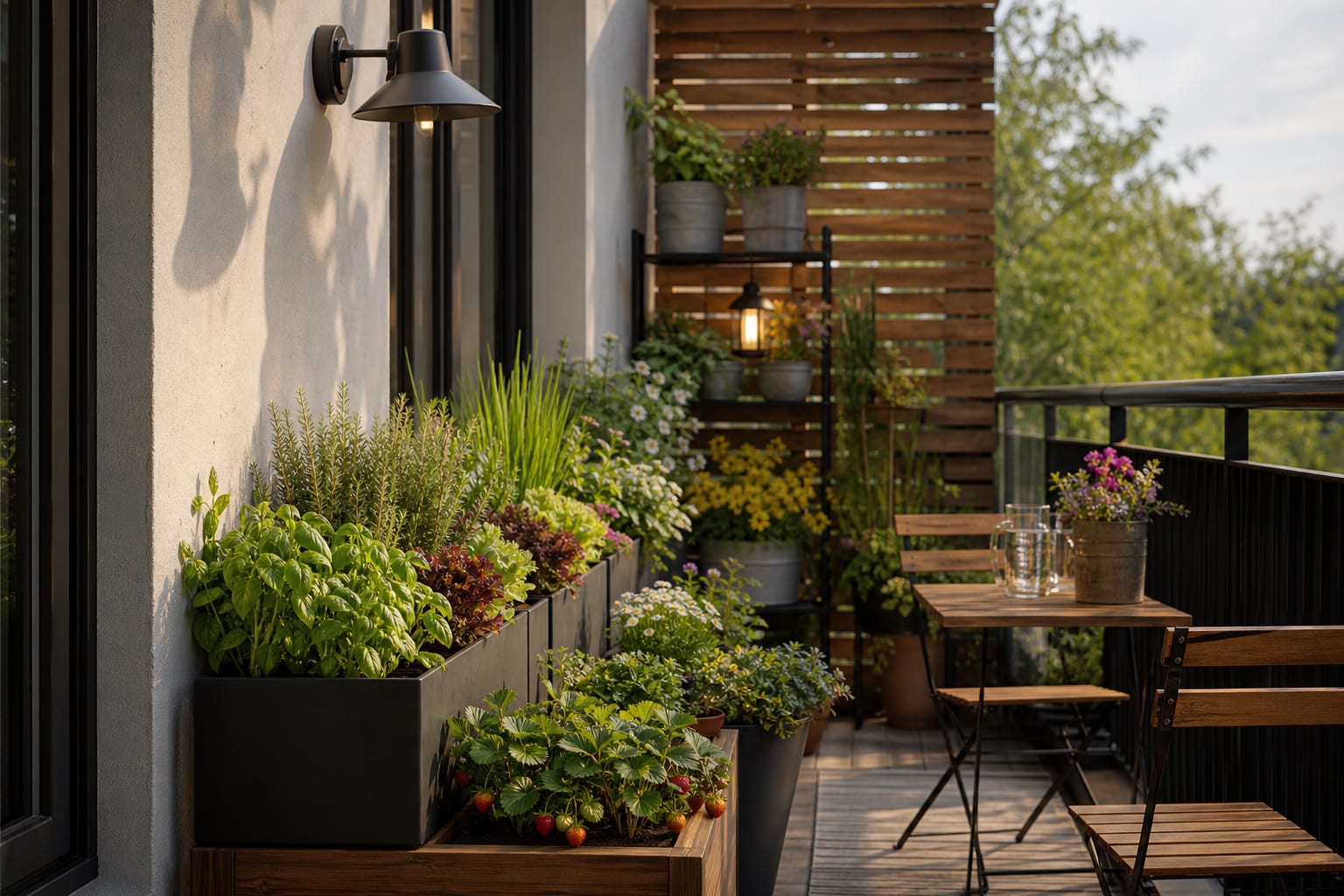
What balcony garden mistakes should I avoid?
Picking plants before checking sun leads to fast disappointment: basil, tomatoes, and rosemary need strong direct light, while mint, parsley, lettuce, and begonias tolerate gentler exposure. Ignoring wind damages leaves and topples light pots on upper floors, so keep heavy containers low and add a securely attached screen only if the building allows it; see balcony privacy screen ideas that still let air move before installing a solid panel.
Letting water drain onto neighbors below is both rude and against most leases, so use saucers or self-watering planters and water slowly enough that soil absorbs it. Planting every seedling in its own tiny pot creates daily maintenance; combine compatible plants instead, like basil with parsley or strawberries with thyme. Finally, leave room to fully open the door, reach every pot, and move a chair without bruising plants, because a balcony that can't be cleaned won't stay charming.
How can AI design help plan a balcony garden?
Upload a straight photo of your balcony to Re-Design and test layouts before buying containers: a planter wall, a railing-heavy herb setup, a vertical shelf garden, or a mixed edible-and-flower scheme. Be specific in the prompt: ask for a 30-inch clear path, 16in-deep planters along one wall, railing herbs on the sunny side, a 24in bistro table, no drilling into exterior walls, and mention your light conditions.
The preview won't confirm your building's weight limit or replace local plant advice, but it will show the crowded version early, whether the tomato pot blocks the chair or the privacy planter darkens the space. That's the moment to adjust the plan, while the garden is still a picture instead of twenty heavy containers.
Frequently Asked Questions
Which plants grow best on an apartment balcony?
Herbs (basil, parsley, mint), compact tomatoes, salad greens, dwarf peppers, and trailing flowers like petunia and bacopa grow best in containers. Skip plants needing more than 6 hours of direct sun if your balcony is north-facing.
How much sun does a balcony garden need?
Most edibles need 4-6 hours of direct sun. Leafy greens and herbs tolerate 3-4 hours, while flowering annuals like impatiens and begonias thrive in 2-3 hours of bright shade.
How do I water a balcony garden without a hose?
Use self-watering containers with 1-2 gallon reservoirs (3-4 days of summer capacity), a 2-gallon handheld watering can, or a drip line off a balcony spigot if one exists. Saucer trays prevent runoff onto neighbors below.
What weight limit applies to a balcony garden?
Most residential balconies handle 40-60 psf live load. A 4x6ft garden zone with wet containers, soil, and one adult averages 350-500 lbs, which is within range, but check your building's rules before adding heavy stone planters.
Do I need a balcony rail liner to grow vegetables?
No. Clean potting mix, sealed containers, and a saucer tray prevent soil drift, and railing planters with built-in saucers add extra containment for HOAs concerned about debris.
Three transformations to try
- Edible balcony garden with herbs and tomato
- Flowering balcony garden in bright shade
- Vertical balcony garden with wall planter