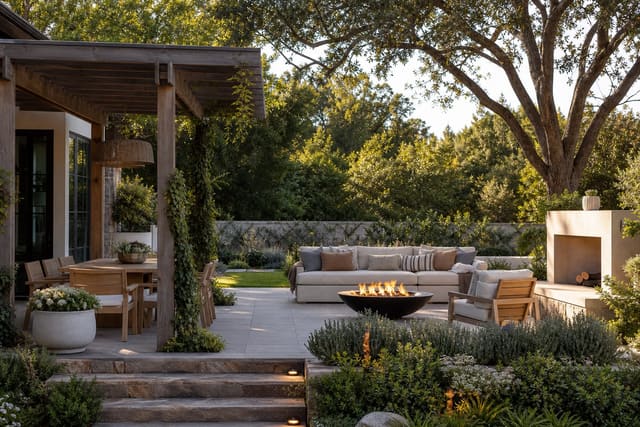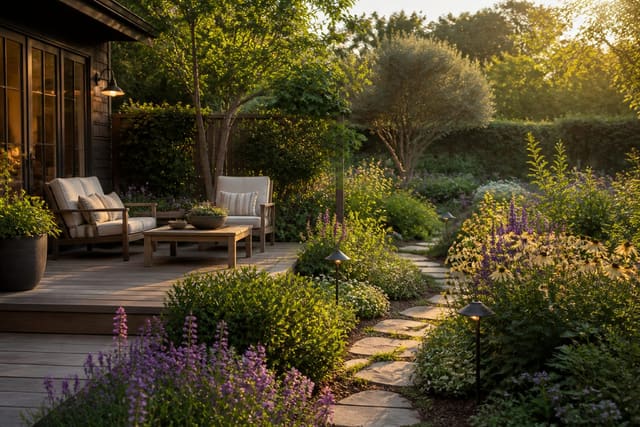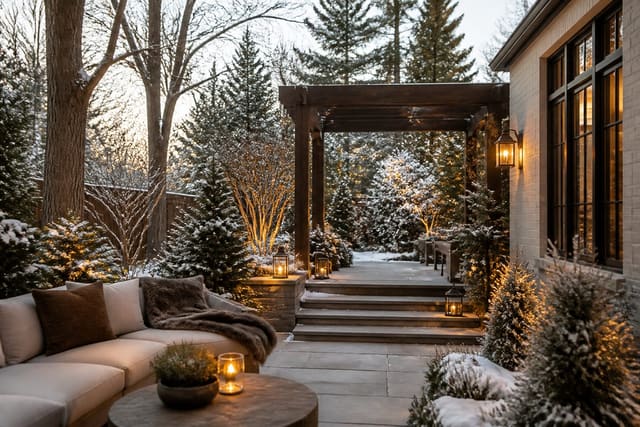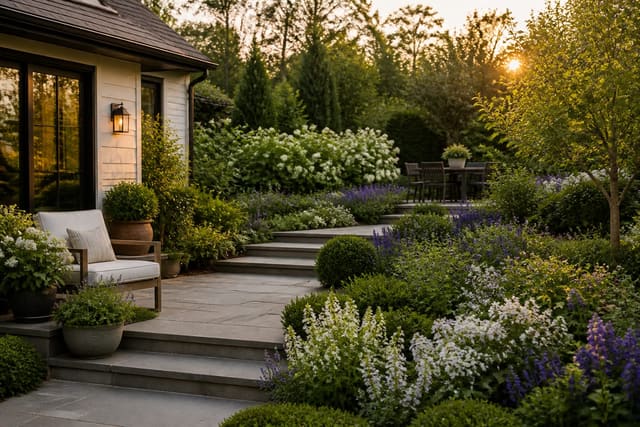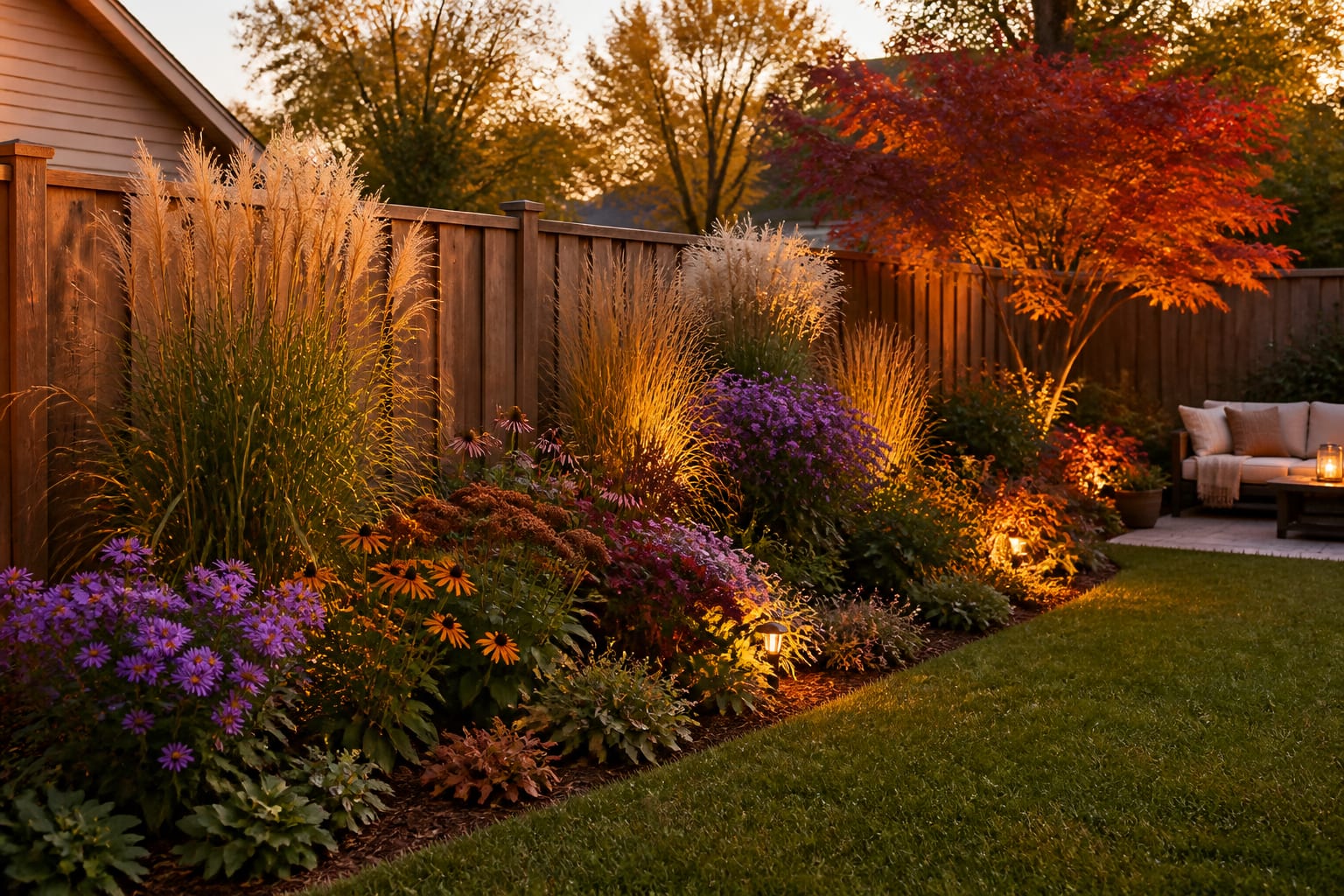
Most gardens peak in June and look exhausted by September, but that is a planting choice, not a law of nature. A garden built for autumn can hold its color and structure well into October and beyond, often looking better than it did at midsummer. The trick is to plant for the second act on purpose: late bloomers, ornamental grasses, and seedheads you deliberately leave standing rather than cut down.
Why Most Gardens Quit Too Early
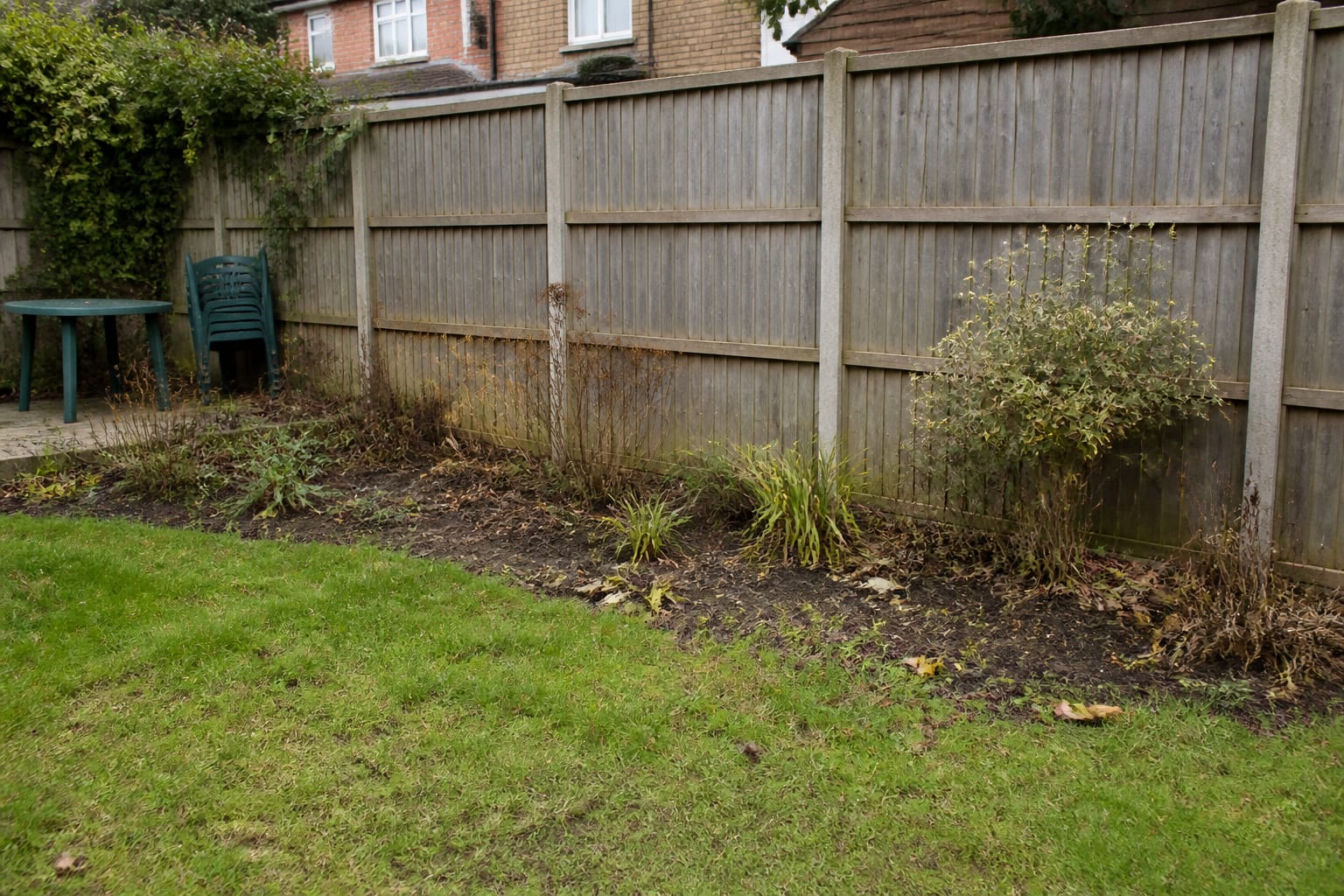
The bare, finished look that arrives in early September is almost always a design gap rather than bad luck. A border stocked entirely with summer perennials will, predictably, go over in summer. Gardens that stay handsome into autumn simply include a wave of plants timed for September and October, plus structural elements that look good with or without flowers. The fix is rarely dramatic; adding two or three well-chosen late performers to an existing bed can change its whole September character without a full replant.
Think of the year in acts. Spring and summer are the loud, floral chapters; autumn is quieter and more about texture, warm tone, and low golden light hitting grasses and seedheads. Once you accept that the autumn garden trades flower power for structure and color, the planting choices follow naturally. You stop deadheading everything, you let some things go to seed, and you add plants whose whole purpose is to peak when the rest is fading.
There is a practical payoff beyond looks. A border left standing through autumn shelters insects, feeds seed-eating birds, and protects plant crowns from the first frosts, so the wildlife value rises just as the maintenance demand falls. Autumn is the season where doing less actively makes the garden better, which is a rare and welcome thing for anyone tired of midsummer deadheading. The gardens that look saddest in October are almost always the ones that were cut to the ground the moment the last summer flower dropped.
Planning across seasons is what keeps this from being a one-time scramble. The bones you set down now connect to what you sowed earlier; if you followed a spring planting plan, the perennials you put in then are exactly what you let stand into autumn for their seedheads and silhouettes.
Autumn Garden Ideas That Carry the Season
Choose several of these and your garden will read as intentional through October rather than abandoned after Labor Day.
- Plant drifts of late-flowering perennials such as asters, Japanese anemones, and rudbeckia, which open just as summer bloomers fade and run for weeks.
- Add ornamental grasses like miscanthus or panicum that catch low autumn light and keep moving and glowing long after the flowers stop.
- Resist cutting back sedum, echinacea, and grasses; their seedheads hold form through frost and feed finches and other birds.
- Work in a Japanese maple, a fothergilla, or an amelanchier for foliage that turns scarlet and amber rather than simply dropping green.
- Underplant with autumn-flowering bulbs such as nerines or colchicums for a surprise of color at ground level in October.
- Fill containers near the door with ornamental kale, heuchera, and trailing ivy so the entrance stays dressed even as borders wind down.
- Leave a few teasels and alliums to stand as dark architectural silhouettes, especially striking when rimmed with morning frost.
The common thread is that you are designing for texture and warm tone, not chasing one more flush of summer flowers. Grasses, seedheads, and turning foliage do the heavy lifting, and they hold up against wind and rain far better than late blooms.
Color theory helps here more than people expect. Autumn light is warm and low, so it flatters the warm half of the wheel: amber, rust, gold, deep burgundy, and bronze. Plants in those tones seem lit from within at dawn and dusk, while cool pastels that sang in June now look washed out and out of step with the season. Lean your autumn palette warm on purpose. A drift of orange rudbeckia and bronze grasses backlit by a low October sun is a sight no summer border can match, and it costs nothing extra once you have chosen plants with the season in mind. Pay attention to the order plants peak in, too, so that as the asters fade the grasses and seedheads are already taking over, keeping the border in continuous interest rather than letting it stall between waves.
Setting Up Now for the Months Ahead
Autumn is also the moment to plant for what comes next, which is why a good autumn garden never feels like a dead end. Cool soil and reliable rain make fall the ideal window for putting in shrubs, trees, and spring bulbs; roots establish while the top growth rests. Get tulips and daffodils in the ground now and you bank next spring's display while this season is still going.
Structure is the other priority before winter. A border with a few evergreens, a clipped box or yew shape, and standing grasses keeps its outline once the soft growth collapses. That skeleton is what carries a garden through the coldest, barest weeks, and it pairs directly with the planting in winter garden design, where bark, berries, and evergreen form take over the show.
Autumn is also prime division season. Lift and split overgrown clumps of perennials such as hostas, daylilies, and grasses now, and you get free plants to fill gaps next year while reinvigorating tired crowns. Move shrubs that ended up in the wrong place too, since the cool, damp soil lets them re-root before the cold sets in with far less stress than a spring move. Sketch your spring tasks while the autumn garden is fresh in mind, and a spring garden checklist will be far easier to act on when the weather turns.
Preview Your Autumn Garden in Re-Design
Frequently Asked Questions
How do I keep my garden looking good in autumn?
Plant a wave of late performers and lean on structure. Add asters, rudbeckia, and Japanese anemones for September and October color, ornamental grasses for movement and light, and shrubs that turn rather than just drop. Then leave seedheads and grasses standing so the garden keeps its form into frost.
Should I cut back my garden in autumn?
Mostly no. Leaving perennials such as sedum, echinacea, and grasses standing gives you structure through winter and food for birds, and the dead stems protect the crown from frost. Cut back only plants that flop, rot, or harbor disease, and save the big tidy-up for late winter.
What can I plant in autumn for color?
Asters, rudbeckia, Japanese anemones, and ornamental grasses all peak now, while Japanese maples and fothergilla deliver fiery foliage. For ground-level surprises, plant autumn-flowering bulbs like nerines and colchicums. Containers of ornamental kale and heuchera keep doorways colorful as the borders fade.