A boho kitchen is harder to pull off than a boho living room because the kitchen has to function—it needs clean surfaces, adequate storage, and a layout that does not get in the way of actual cooking. The style works when the decorative layer sits on top of an organized, functional foundation rather than replacing it.
The ideas below treat function as the constraint that makes the design better, not worse. Open shelving only works if what is on it is worth looking at. Natural materials only work if they can handle heat, moisture, and daily use. Start with the structural choices—cabinets, surfaces, lighting—then add character through objects, plants, and textiles in that order.
Cabinet Color And Open Shelving Strategy
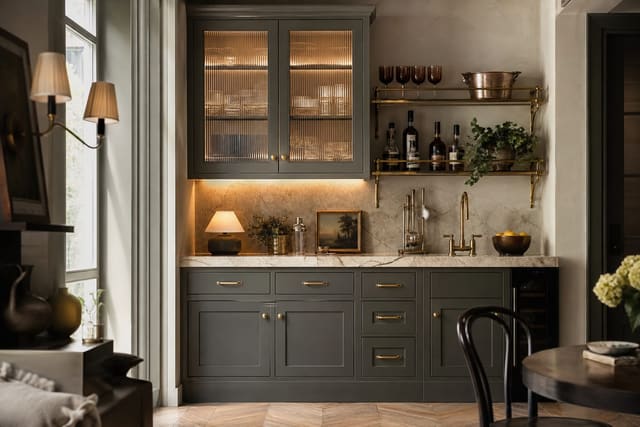
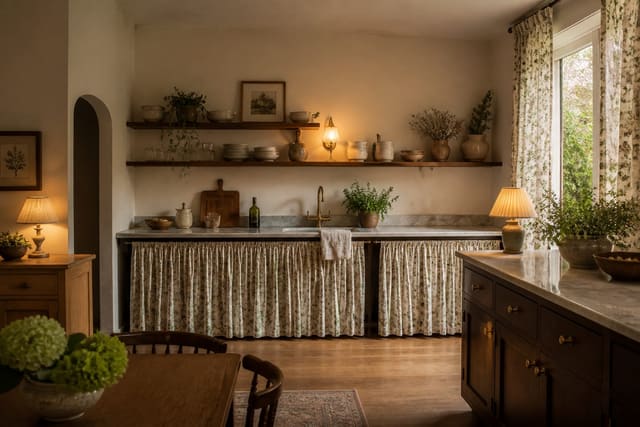
Lower cabinets in warm white, cream, or sage green paired with open upper shelving is the most practical boho kitchen structure because it gives you concealed storage where you need it most (pots, cleaning supplies, bulk goods) while making the upper zone a display surface. The open shelf material should be solid wood—walnut, white oak, or pine with an amber stain—on simple brackets in matte black or brushed brass.
Shelf depth matters for both function and aesthetics. A 10 to 12 inch deep shelf holds standard dinner plates upright and allows mugs to be stacked two high without the shelf reading as a wall-hung pantry. Shallower than 10 inches and you lose the ability to store anything useful; deeper than 14 inches and the shelves start to block light and create visual heaviness that kills the airy feeling the style needs.
What goes on the open shelves defines the room's character more than any other single decision. The most effective approach is to limit the shelf to items you actually use—ceramic and stoneware dishes, glass jars with dry goods, a small plant, a ceramic pitcher—and treat each cluster as a still life. Group objects in odd numbers with intentional negative space between clusters. Edit twice: once after placing everything, and again after living with it for a week.
See also our guide to Kitchen Home Bar Design for more on boho kitchen ideas.
Surfaces, Countertops, And Backsplash
Butcher block or wood countertops in walnut or maple are the most boho-compatible surface choices because they introduce the natural material language of the style directly into the most-used work zone. A 1.5 inch thick walnut butcher block on a kitchen island reads as warm and intentional; the same island in cold gray quartz reads as generic. Wood counters require sealing with food-safe oil every 6 to 12 months, which is a real maintenance commitment—factor that in before choosing.
For the perimeter counters where water and heat contact is higher, honed marble, matte cement tile, or a warm travertine-look porcelain slab are more practical. Honed rather than polished finishes are essential—polished stone or tile reflects overhead light and makes the room feel harder and more formal than the style calls for. A matte or leather finish on stone absorbs light and contributes to the organic, tactile quality that boho kitchens depend on.
Backsplash options that read as boho without being costume-y include hand-painted Talavera or Moroccan-style tiles in warm tones, zellige ceramic in off-white, cream, or sage, and simple subway tile in a warm white with a natural stone or putty-colored grout. The grout color matters as much as the tile itself—white grout on white tile creates a pattern that reads as contemporary; putty grout on the same tile reads as artisan and aged.
For a related angle on boho kitchen ideas, read Cottagecore Kitchen Ideas.
Lighting, Plants, And Bringing The Outdoors In
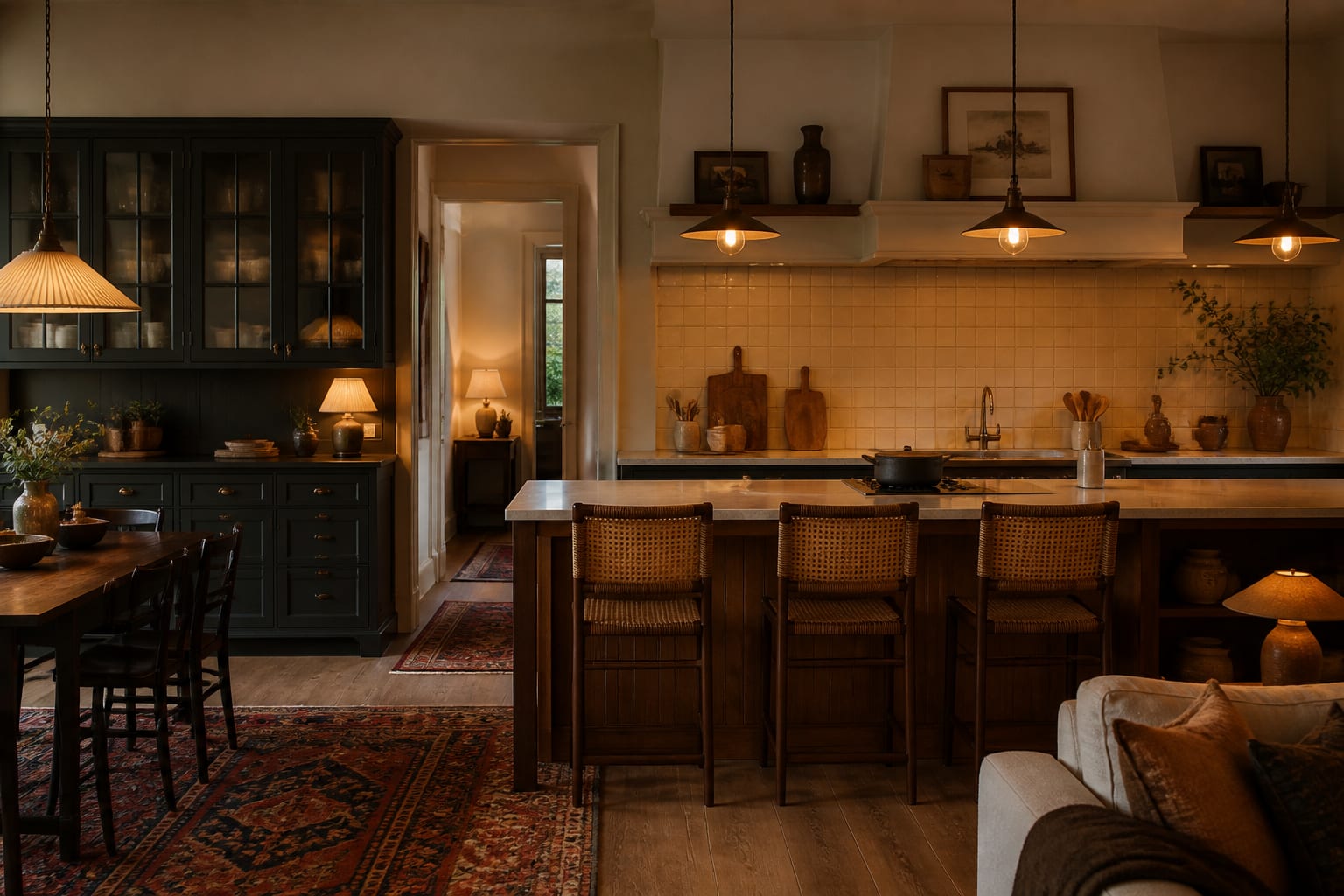
Lighting in a boho kitchen should solve a functional problem—task light over the prep area—while contributing to the warm palette. A rattan or woven pendant at 30 to 36 inches above the island countertop provides both. The warm shadow pattern cast by woven pendant shades adds texture to an otherwise flat ceiling plane and is one of the style's most recognizable signatures.
Under-cabinet lighting in warm white LED strip at 2700K illuminates the backsplash and countertop without the harsh ceiling-shadow problem of recessed cans. The combination of pendant over the island and strip under the cabinets creates three light levels—ambient from pendants, task from strips, and accent from any small lamp or candle on open shelves—which makes the room work at every time of day.
Plants in a kitchen have practical advantages beyond aesthetics: fresh herbs on the windowsill reduce grocery trips, trailing pothos above the cabinets adds green without taking counter space, and a small fiddle-leaf fig in a terracotta pot in a corner warms up the hardest-to-decorate zone in a kitchen. Terracotta pots are the correct container choice—they breathe well in a humid cooking environment and their warm orange-brown tone is exactly the accent color the palette needs.
Textiles And Small Objects That Finish The Room
Textiles in a kitchen serve function first: a cotton runner in a printed warm stripe or abstract pattern on a hard floor reduces fatigue and adds a layer of warmth underfoot. Choose a flat-weave cotton or a thin wool kilim rather than a pile rug, which traps food debris and is difficult to clean. A 2 by 4 foot runner in front of the sink, and a 2 by 6 foot runner in front of the stove-and-island zone, covers the two highest-traffic areas without interrupting cabinet access.
Dish towels hung from the oven handle or a hook are the most visible textile in daily kitchen use—choose linen or cotton waffle weave in warm neutrals or a single muted print and replace them when they show wear. They are inexpensive enough to update seasonally, which makes them one of the cheapest ways to refresh the room's accent color without repainting.
Small objects on the counter should pass a dual test: do you use it, and does it look worth displaying? A worn wooden cutting board leaned against the backsplash, a ceramic crock of wooden spoons, a glass jar of dried pasta, and a small terracotta plant are all functional objects that contribute visually. A collection of twelve decorative objects that serve no purpose reads as clutter regardless of how individually beautiful each piece is. The restraint is the style.
- Install 10-to-12-inch deep open wood shelves on the upper wall and style them with ceramic dishes and glass jars.
- Hang a rattan or woven pendant at 32 inches above the island countertop for warm task light with texture.
- Plant fresh herbs in terracotta pots on the windowsill for both palette color and kitchen utility.
- Swap white cabinet hardware for brushed brass or matte black pulls to warm up existing cabinetry instantly.
- Lay a flat-weave cotton or kilim runner in front of the sink and stove to ground the work zones.
- Display a worn wooden cutting board, a ceramic utensil crock, and one plant as your counter trio.
- Use putty or natural stone-colored grout on any white tile backsplash to make it read as artisan, not builder.
Bring the look home with Re-Design
Visualizing new open shelving, a rattan pendant, or a different cabinet color in your actual kitchen is nearly impossible from samples and inspiration photos alone. Re-Design lets you upload a photo of your kitchen and preview boho kitchen ideas rendered against your real cabinets, counters, and lighting. You can see whether walnut shelves and terracotta pots work in your specific space before buying a single bracket.
Frequently Asked Questions
What cabinet color works best for a boho kitchen?
Warm white, cream, and soft sage green are the three most dependable choices because they create a calm background that lets natural materials and open-shelf objects carry the visual interest. Avoid cool gray or high-gloss white, which fight the warm, matte material palette the style requires.
How do I add boho character to a rental kitchen I cannot renovate?
Focus on the elements you can take with you: a rattan pendant swapped for an existing fixture, a jute runner on the floor, open wooden shelves on a freestanding unit, terracotta plant pots on the windowsill, and linen dish towels. These four moves change the room's character without touching anything permanent.
Are open shelves practical in a boho kitchen or just a styling choice?
They are both, and the key is editing what goes on them to items you reach for daily. Plates, bowls, mugs, glass jars with dry goods, and a small plant are all genuinely useful and visually interesting. Limiting the shelf to things you use means it gets reorganized naturally, which keeps it looking curated rather than dusty.