Bouclé is a looped, nubby fabric woven from yarn that loops back on itself to create a soft, knotted surface, and it became the defining upholstery texture of the late 2020s for one reason: it makes a hard modern shape feel inviting. My honest position is that bouclé is worth it on the right piece and a regret on the wrong one, so the whole point of this guide is matching the fabric to a piece that can actually live with it.
The texture is gorgeous in a showroom. Whether it survives a household with kids, pets, and the occasional spilled glass of red wine depends entirely on the weave, the fiber, and where you put it. Treat those three variables seriously and bouclé pays you back for years.
What bouclé actually is and how it performs
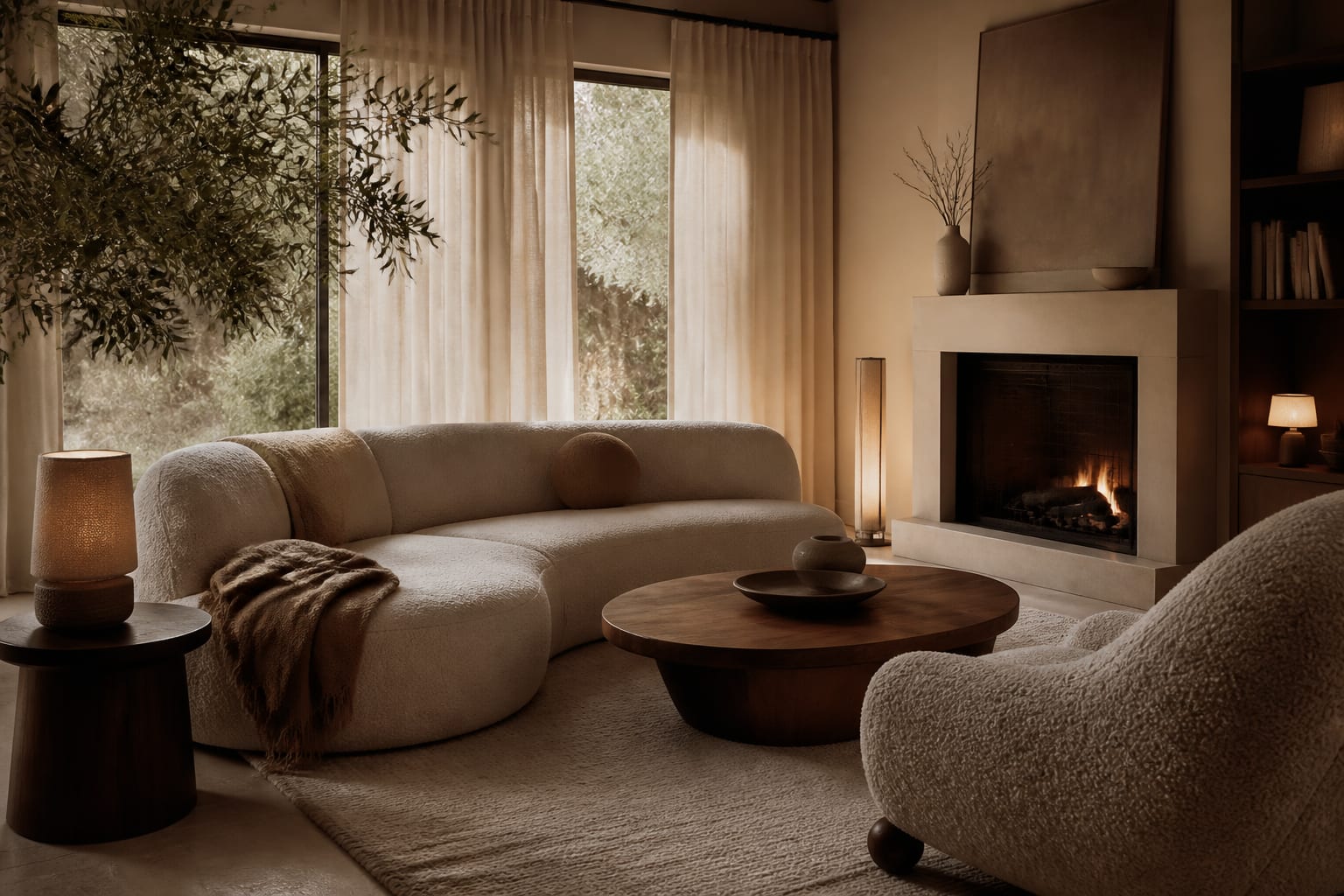
Bouclé gets its look from the loop. The yarn is spun with deliberate curls and knots, then woven so the surface stands proud in tiny bumps rather than lying flat. That structure traps light and softens edges, which is why a boxy chair upholstered in bouclé suddenly looks friendly instead of severe.
Performance varies wildly between weaves. A rating you should learn is the double rub count, the standard abrasion measure printed on most upholstery specs. For a piece that gets daily use, look for 40,000 double rubs or higher; anything under about 15,000 belongs on a decorative chair nobody actually sits in. That single number separates a sofa that lasts a decade from one that pills within a year.
Fiber matters as much as weave. Wool and wool-blend bouclé feels luxurious but stains and pills, while polyester or performance-acrylic bouclé shrugs off spills and typically runs $30 to $60 per yard, often less than the wool version. A performance blend of roughly 70% polyester also holds color better in sun than pure wool. Performance bouclé also resists fading, which matters if the piece sits anywhere near a window. If a fabric has both a high double-rub rating and a synthetic fiber, it can handle a real family.
Boucle furniture ideas that actually work in a real home
The fabric flatters some shapes far more than others. Bouclé loves a curve, because the texture follows a rounded form without the seam puckering you get on sharp corners. A few applications worth considering:
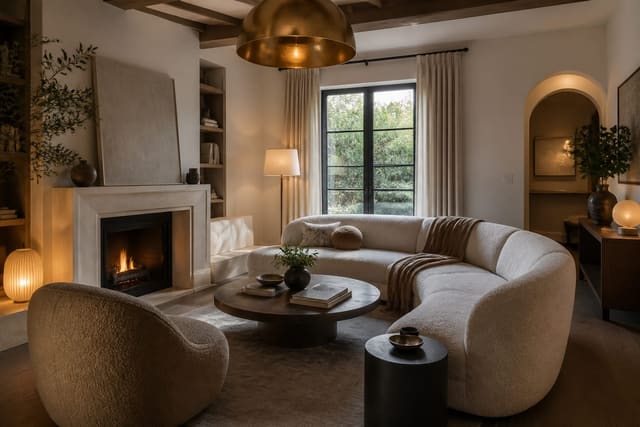
- A curved 84-inch sofa in cream performance bouclé as a living-room anchor
- A single barrel accent chair, where a wool bouclé can stay because it sees light use
- A bouclé-upholstered headboard, which sees almost no abrasion and ages slowly
- An ottoman or bench in a 50,000 double-rub weave for high-traffic durability
- A window-bench cushion in synthetic bouclé that resists sun fading
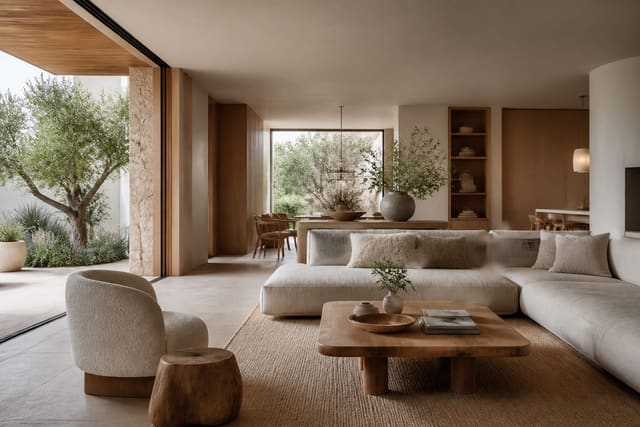
Bouclé and curved silhouettes are a natural pairing, which is why the texture shows up across our curved furniture ideas. The looped surface softens a sweeping arm in a way flat fabric never manages. It is also a cornerstone texture of a broader look; if you are building a calm, tactile room, see what is organic modern for how bouclé sits alongside wood, stone, and linen.
Color choice shapes how the fabric ages. Cream and oatmeal are the classics, but they show grime fastest, so clay, camel, and soft sage hide daily life better while keeping the organic feel. A mid-tone bouclé is the practical compromise between the showroom look and a real household.
Pairing matters as much as the piece itself. Bouclé is a quiet texture, so it shines next to materials with their own character: warm oak legs, a travertine side table, an unlacquered brass lamp. Set a cream bouclé sofa against a flat white wall with nothing else going on and it can read like an unfinished plaster blob. Give it a wood floor, a textured rug, and one stone surface, and the loops suddenly have a conversation to join.
Scale is the last lever. A full bouclé sofa plus a bouclé chair plus a bouclé bed in the same room is too much of one note, and the texture loses its impact through repetition. Use bouclé on one or at most two pieces per room and let smoother materials carry the rest. The fabric works best as a punctuation mark, not the entire sentence, which is exactly why a single barrel chair often does more for a space than a matching three-piece set.
Common mistakes to avoid with bouclé
Most bouclé regret traces back to a handful of avoidable errors. Here are the mistakes to avoid before you buy:
- Putting wool bouclé on a primary sofa in a home with cats, which shreds the loops.
- Buying a loose, low-density weave under 15,000 double rubs for everyday seating.
- Choosing bright white in a sunny room, where bouclé yellows and shows every crumb.
- Skipping a fabric-protector treatment, which adds stain resistance for about 25 dollars.
Cleaning is its own trap. Never rub a spill into the loops, because rubbing drives the stain deeper and flattens the texture. Blot it instead, then treat it with a 1-to-4 vinegar-to-water solution or a fabric-specific cleaner, and let it air dry. A soft brush, not a vacuum beater bar, keeps the texture from flattening over the first 6 months of ownership. These habits cost nothing and add years to the piece.
Test the fabric before you buy if a showroom lets you. Press your palm hard into the weave and drag it; a quality bouclé springs back without snagging, while a cheap one pulls a loop loose on the spot. That five-second check tells you more about real-world durability than any marketing copy on the tag. If a single firm drag pulls a thread, imagine what a year of a household does to it.
Budget honestly, because bouclé spans a wide range. A small accent chair in a decorative wool bouclé can run $400 to $700, while a full performance-bouclé sofa from a mainstream brand often lands between $1,200 and $2,500. Reupholstering an existing frame in bouclé can cost as much as a new sofa once you add 12 to 16 yards of fabric, so price the redo against a fresh piece before committing the old frame to it.
Use AI design to preview boucle before you commit
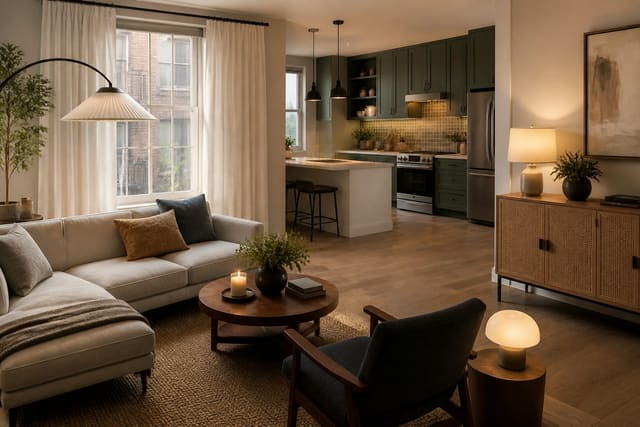
A cream bouclé sofa is a four-figure decision, and a swatch the size of a coaster tells you almost nothing about how it reads at full scale. Upload a photo of your room to Re-Design and drop a bouclé piece into the actual space first. You can test cream against oatmeal against clay on your floor, see whether a curved bouclé sofa fits the wall it has to sit against, and judge how the texture plays with your light, which is especially useful for a rental apartment where you cannot repaint the walls to compensate. Seeing the fabric in your own room beats guessing from a tiny square every time.