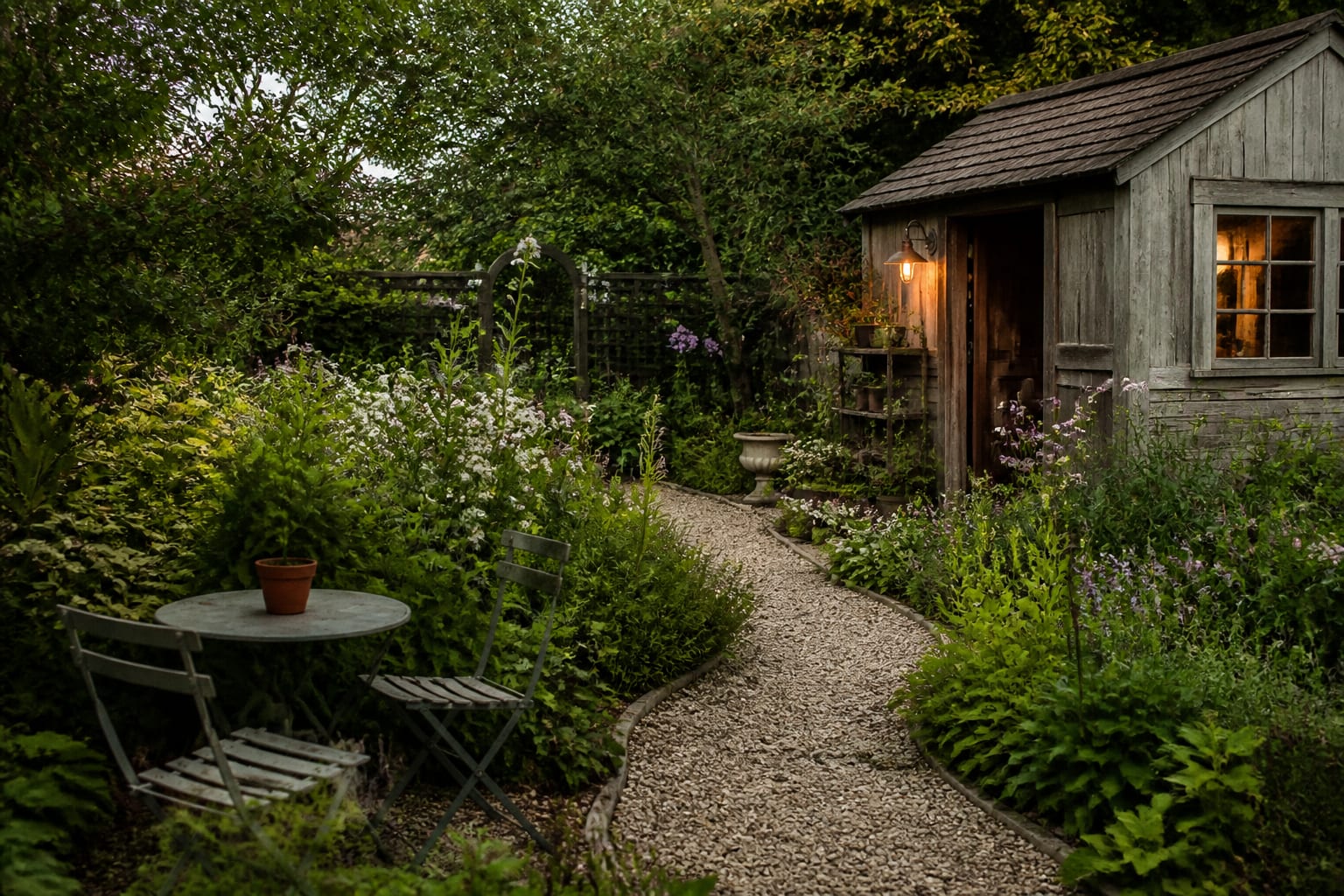
Cottagecore garden ideas turn a plot romantic by pairing generous wildflower planting with curved paths, aged timber, soft seating, and a small potting shed that earns its space. Let planting lead and props follow: a garden of signs, lanterns, and crates becomes theater instead of a working space for bees, boots, and cut flowers.
What Makes a Garden Feel Cottagecore Instead of Overgrown?
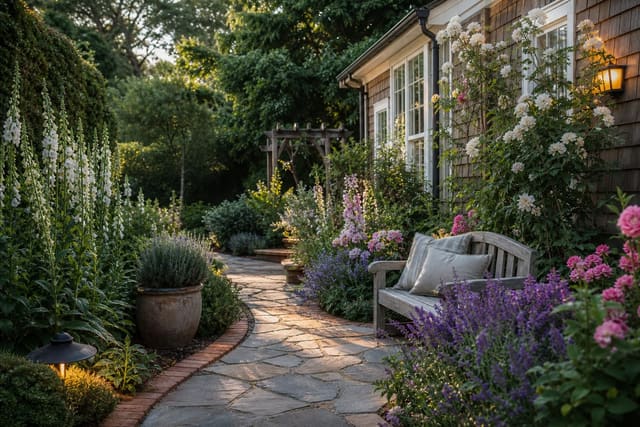
A cottagecore garden feels intentionally abundant: layered flowering plants, edible herbs, weathered materials, and paths that keep the looseness usable. "Wild-looking" isn't the same as neglected — a romantic garden still needs edges, repeat plants, water access, and room to move a wheelbarrow without crushing foxgloves.
Think in three layers: structure (fence, shed, arbor, path, raised bed), planting volume (perennials, annual wildflowers, herbs, bulbs, climbers), and human evidence (bench, potting table, watering can, pots). One 4 ft x 8 ft wildflower bed beside a gravel path often reads more convincing than thin flowers scattered everywhere. In larger plots, repeat the same plant family in drifts every 6 ft–10 ft so the garden looks designed from the house. For more planting vocabulary, see romantic cottage garden layouts, then edit down to what your climate and weekends can support.
Which Cottagecore Garden Ideas Carry the Romance?
The strongest ideas change the garden's bones, not just the shopping basket. Pick five or six that suit your sunlight, drainage, and storage needs.
| Idea | Size / Spec | Why It Works |
|---|---|---|
| Mixed wildflower border | 30 in deep, repeat 3 anchor plants (cosmos, salvia, yarrow, foxglove, nepeta) | Repetition keeps it romantic instead of chaotic |
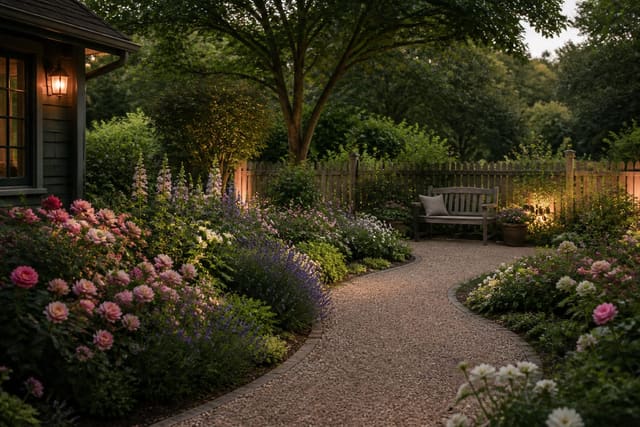
| Curved gravel or brick path | 36 in wide | Slows the eye; width keeps trugs from snagging stems |
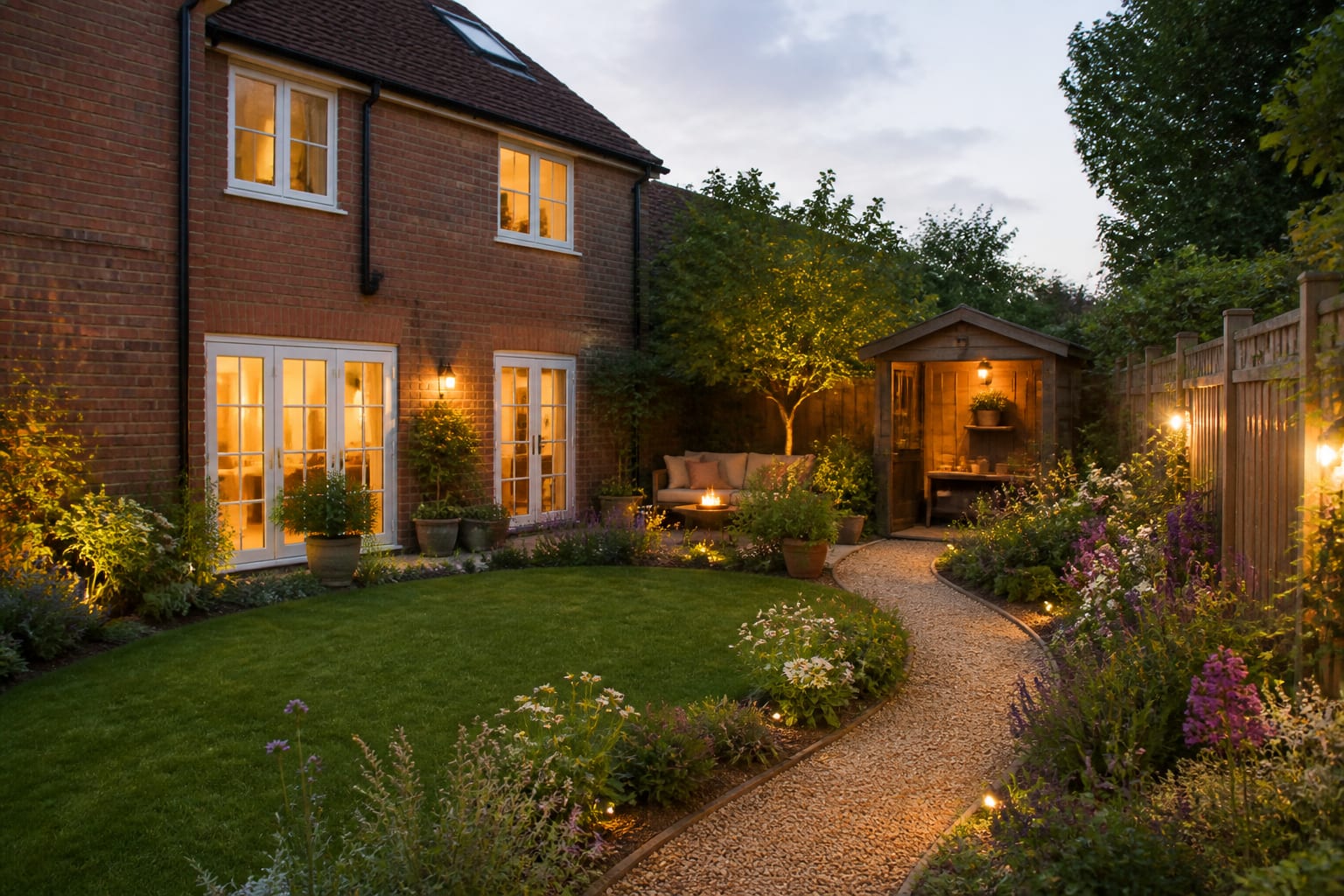
| Small potting shed | 6 ft x 8 ft, painted sage/cream/mushroom | Reads as part of the planting, not a plastic box |
| Arbor with climbing rose, jasmine, or clematis | 84 in high | Extra headroom once vines thicken |
| Grouped terracotta pots | 10–16 in for herbs, 18–24 in for dahlias/roses | Varied heights look gathered, not lined up |
| Bench in morning or late-day light | 48–60 in wide | Seats two and gives the garden a destination |
| Low bed edging | 4–8 in high, brick/steel/hazel | Lets flowers spill while marking the mower line |
| Path lighting | Every 6–8 ft, low-voltage | Ankle-height glow, not driveway floodlighting |
A potting shed earns its footprint only when it's used: store tools, twine, gloves, and seed trays inside, and let one exterior wall carry a trellis or peg rail. It should make gardening easier, not become a stage set you're afraid to scuff.
How Should Paths, Beds, and Seating Work Together?
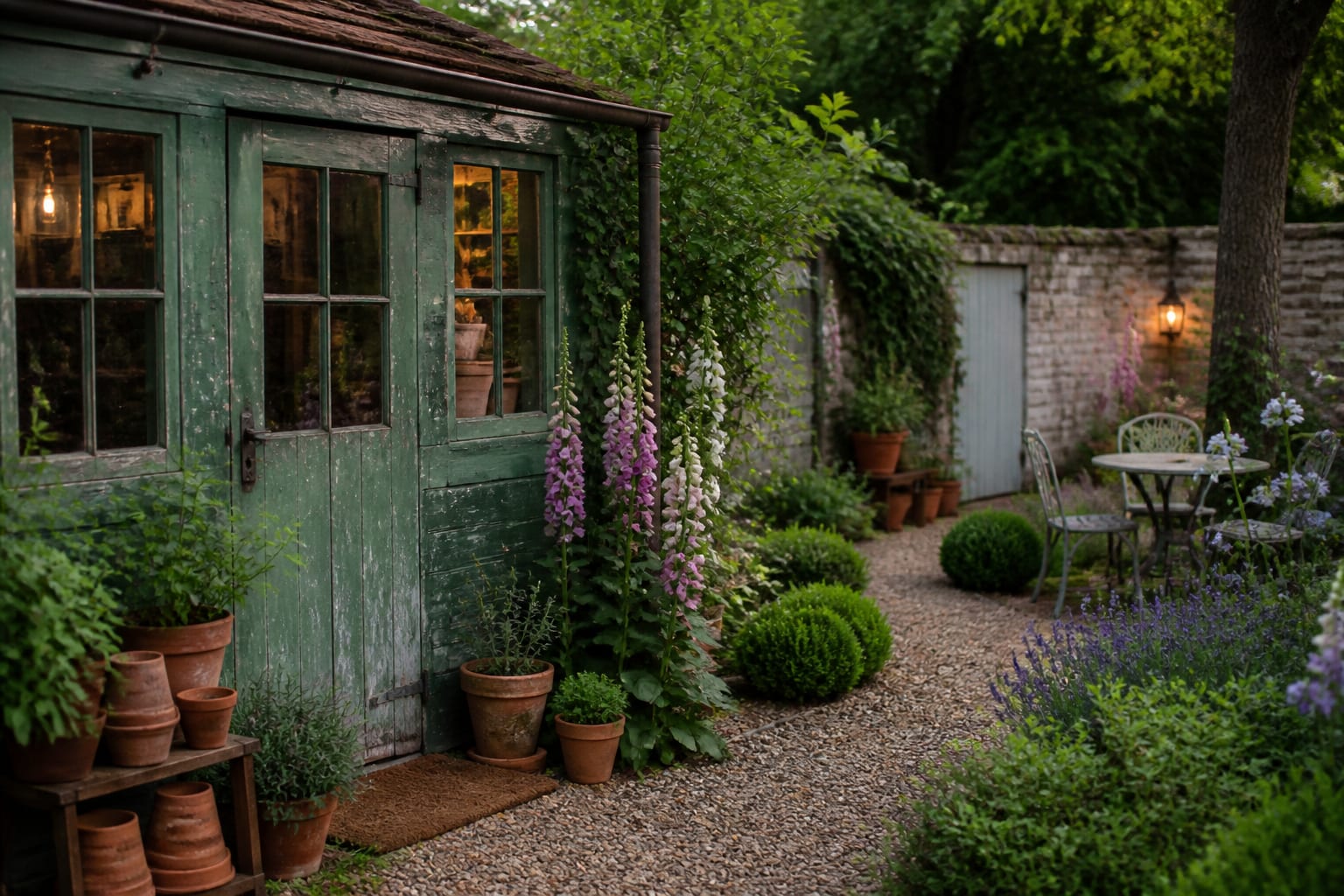
The layout should feel meandering to the eye and efficient underfoot. Start with routes you already take: back door to bin, gate to hose, patio to shed. Main paths carrying daily traffic should stay 36 in–42 in wide; stepping-stone routes can narrow, but leave 18 in–24 in between stone centers for a natural stride. Gravel needs a compacted base and metal or brick edging, or it scatters into soil and looks messy.
Beds along a fence can run 24 in deep for climbers and herbs, but mixed borders want 36 in–60 in where space allows, with taller plants toward the back and lower edging near paths. In windy corners, skip top-heavy flowers in favor of sturdier perennials or woven supports. Give seating a reason to exist: a bistro table on a 6 ft x 6 ft gravel pad, or a bench tucked where a border frames the view. If your taste leans calmer than floral abundance, the restraint in Japandi outdoor ideas can simplify the hardscape while keeping planting soft.
What Are Common Cottagecore Garden Mistakes?
Cottagecore is forgiving, but a garden still punishes vague decisions. Most mistakes confuse romance with clutter or underestimate maintenance.
- Sowing a random wildflower mix over poor soil looks thin by midsummer; clear weeds, loosen the topsoil, and mix seed with plug plants or perennials for structure after the first bloom.
- Buying a shed before planning circulation can steal the best corner; mark the footprint with string for a week and check doors, bins, and mower routes still work.
- Too many pastels without dark foliage washes the border out; add deep green shrubs, bronze fennel, or dark timber for contrast.
- Letting climbers cover every surface creates damp, tangled maintenance; train one or two moments and keep air around windows and gutters.
- Filling beds with tiny vintage objects makes mowing and cleanup irritating; keep décor large enough to read from the house and tough enough to survive weather.
The most common failure is the instant "cottage" corner: a flimsy arch, three pots, a sign, a seed packet. It photographs for a month, then collapses into weeds. Build soil, paths, and repeated planting first, and the charm has somewhere to land.
How Can AI Help You Preview a Cottagecore Garden?
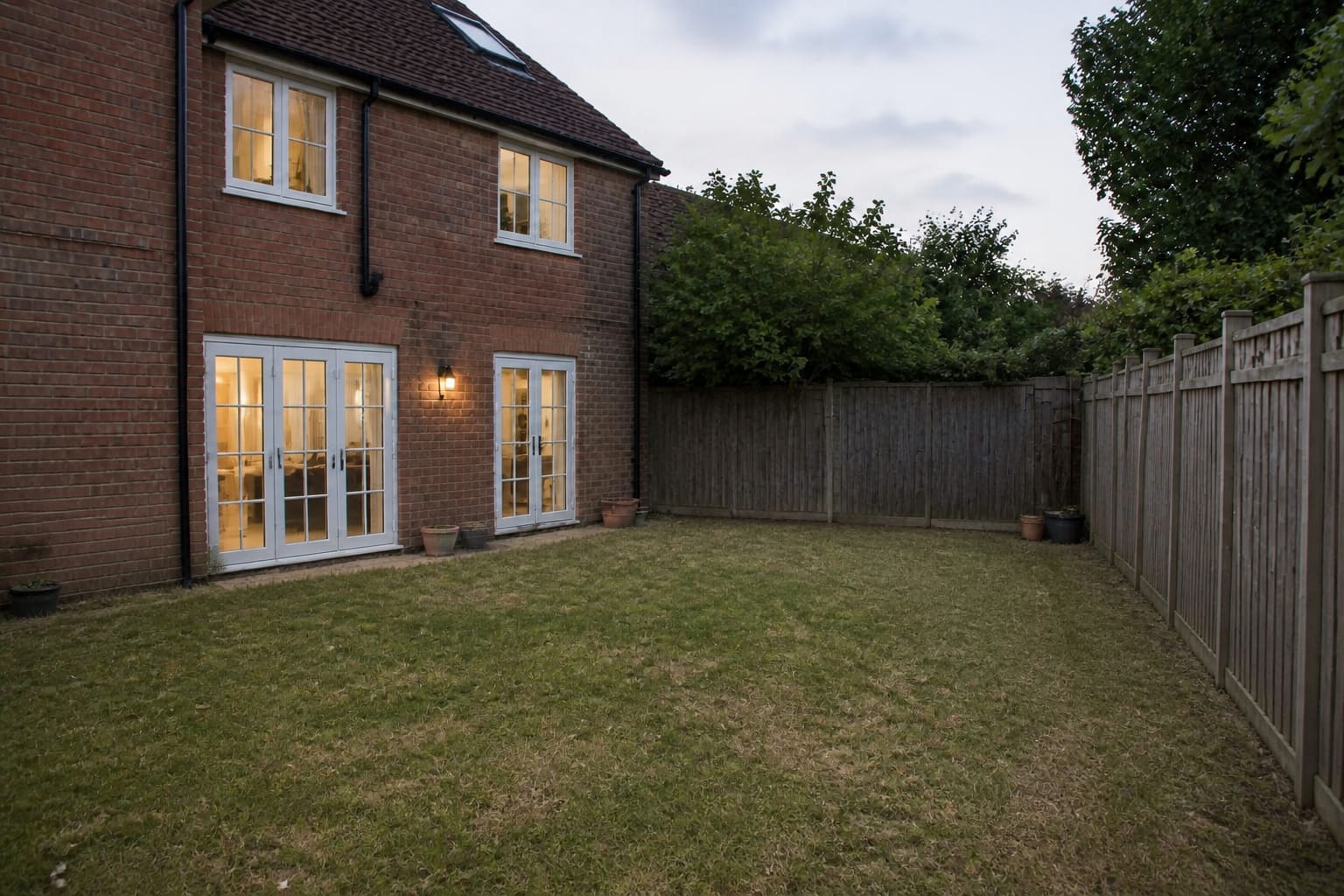
Outdoor choices depend on proportion: shed size against fence height, border depth against lawn width, flower volume against the view from indoors. Upload a photo of your garden to Re-Design and test two or three versions before ordering a shed, path material, or a cart of plants. Use the view from the kitchen or patio door, since that's where the garden works every day.
Try one version with a larger wildflower border and no shed, one with a 6 ft x 8 ft potting shed as the anchor, and one with a slimmer arbor plus seating. This isn't about inventing a fantasy estate — it's confirming a curved path fits, the shed doesn't block evening light, and the planting feels lush rather than crowded. For a more targeted workflow, see AI cottage garden design previews.
What Finishing Details Make a Garden Feel Loved, Not Staged?
Choose materials that age well: terracotta, galvanized metal, oak, cedar, stone, brick, and linen cushions brought indoors when it rains. Avoid anything that only looks charming when spotless. Near the shed, mount tool hooks 48 in–60 in high, keep a boot tray by the door, and use a potting bench around 34 in–36 in high to spare your back.
Near seating, add a side table 16 in–20 in wide for two mugs and a book. Near the kitchen, plant herbs you'll actually cut: thyme, rosemary, chives, mint in a pot, parsley, or summer basil. Edit from the house window: a clear path, one generous planting gesture, a useful shed or seat, and flowers that spill rather than scream mean the cottagecore garden is working.
Frequently Asked Questions
How deep should a wildflower border be to look intentional?
Aim for at least 30 in–36 in. Shallower borders read as a thin sprinkle of flowers rather than a designed drift, especially once stems flop toward the path in midsummer.
What size potting shed fits a small cottagecore garden?
A 6 ft x 8 ft shed is usually enough for tools, pots, and a small potting bench, and it stays proportional to typical suburban plots without crowding paths or seating.
How wide should garden paths be?
Main paths carrying daily traffic should be 36 in–42 in wide. Secondary stepping-stone routes can narrow, but keep 18 in–24 in between stone centers so the stride feels natural.
What plants give a cottagecore garden its signature look?
Repeat anchor plants like cosmos, salvia, yarrow, foxglove, and nepeta through the border, plus a trained climber such as a rose, jasmine, or clematis over an arbor or shed wall.
How do I stop a cottagecore garden from looking messy?
Give it structure first: defined bed edges 4 in–8 in high, a clear path, repeated plant groupings, and dark foliage for contrast. Wildness works only inside a frame.