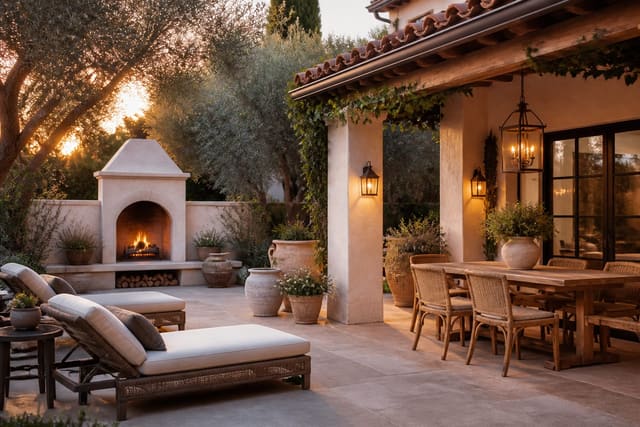
Formal garden design uses geometry to make an outdoor space feel composed. The classic language is symmetry, clipped hedging, axial paths, parterres, urns, fountains, allées, topiary, gravel, and planting beds that obey a visible structure. It can be grand, but it does not have to be large; even a small courtyard can feel formal when the layout is disciplined.
What is formal garden design?
Formal garden design is an outdoor planning style based on order. It arranges paths, hedges, planting beds, and focal points around a clear axis or mirrored composition. Instead of looking wild or naturalistic, the garden announces that it has been drawn, clipped, and maintained.
The tradition comes from Italian Renaissance gardens and French classical gardens, but the useful lesson for homes is simpler: structure first, planting second. A centered path, pair of clipped shrubs, framed view, fountain, urn, or hedge can make a small outdoor room feel intentional long before the flower palette is complicated.
This style works well beside Mediterranean homes because both traditions value stone, plaster, terracotta, shade, courtyards, and outdoor living. Where Mediterranean patio design is loose and social, the formal garden adds a backbone: straight lines, repeated pots, clipped greenery, and a strong view from the house.
The layout moves that matter most
Begin with the axis. Stand at the most important view point, usually a back door, kitchen window, terrace, or gate, and decide what the eye should land on. A fountain, large urn, citrus tree, bench, sculpture, or clipped topiary can become the end point. Then let paths, beds, and hedges support that view.
Use symmetry where it can be maintained. Two planters flanking a door, four square beds around a gravel cross path, or a pair of clipped olive trees can read as formal without requiring an estate. If perfect symmetry fights the site, use balanced repetition instead: the same pot, hedge height, gravel color, or plant rhythm repeated down both sides.
Keep plant variety disciplined. Formal gardens can include flowers, but the structure should come from evergreen mass: boxwood alternatives, yew, privet, rosemary, germander, clipped olive, lavender, bay, or Japanese holly. Seasonal color can fill the beds after the framework is clear.
Small-space formal garden ideas
A courtyard can use one square of gravel, four matching pots, and a central water bowl. A narrow side yard can become an allée with repeated planters and a clipped hedge on one side. A front path can feel more formal with two low hedges, symmetrical lavender, and a single urn at the porch.
For patios, repeat terracotta pots in a consistent size rather than mixing every container you own. Use the same plant form in each one: clipped bay, olive, rosemary standard, citrus, or boxwood alternative. The repetition reads formal even if the furniture is relaxed.
If the garden is attached to a Mediterranean room, echo the interior materials outside. Limestone, gravel, terracotta, plaster-colored walls, wrought iron, and olive or citrus planting create continuity. If the house is simpler, keep the formal moves modest so the garden does not feel like a costume attached to plain siding.
Practical rules before planting
- Box (Buxus sempervirens) clipping schedule: first clip in late May/early June after new growth has hardened; second clip in August–September before first frosts.
- Box blight (Cylindrocladium buxicola and Volutella buxi) is a significant disease risk for box hedging in wet climates — consider alternative Ilex crenata (Japanese holly) which has similar appearance but disease resistance.
- Parterre path width: minimum 60cm (24 inches) for maintenance access; 90cm (36 inches) for comfortable visitor walking paths.
- Clipped yew (Taxus baccata) topiary alternatives to box: slower growing but more disease-resistant and long-lived; trim once per year in late summer.
- All parts of Taxus baccata (yew) are toxic to humans and animals — note in garden content.
The maintenance is real. Formal gardens depend on edges, clipping, and clear paths. If you do not want seasonal pruning, use fewer clipped forms and more fixed hardscape: gravel beds, stone borders, repeated pots, and one sculptural plant. If box blight is common where you live, do not force boxwood just for tradition; disease-resistant substitutes are more practical.
Use Re-Design before you commit
Upload a straight-on photo from the door, patio, or garden gate and test one formal layout before moving soil or buying hedging. Ask for the existing fence, slope, doors, utilities, mature trees, and path widths to stay visible. A good preview will show whether the symmetry helps the space or makes it feel too stiff.