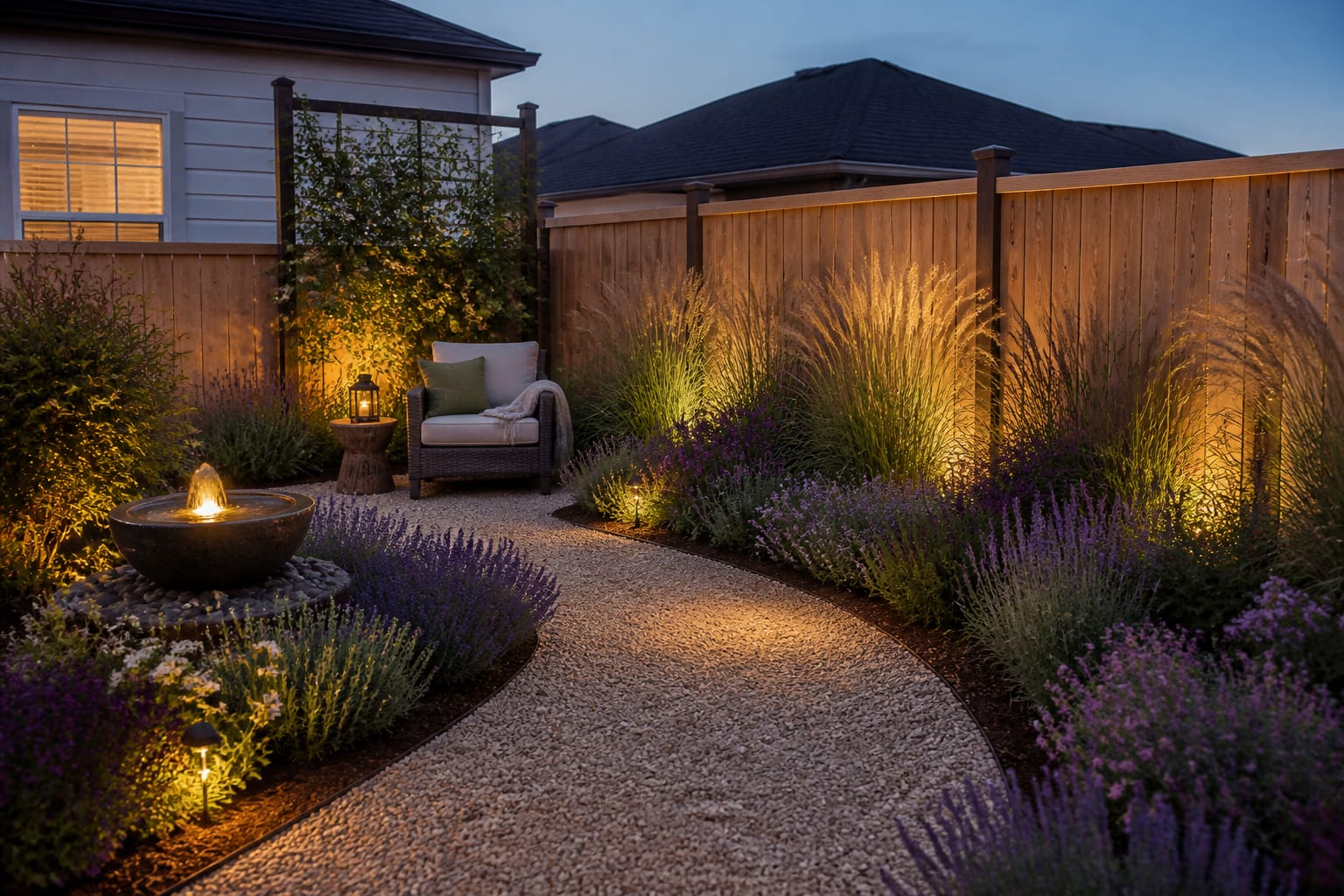
Plan a sensory garden around the senses you most want to wake up, not around a plant list you found online. A sensory garden is a space designed to engage sight, scent, touch, sound, and taste, and you design one by zoning the plot into those layers and choosing plants that deliver each on purpose. My read is that the best ones feel calm rather than busy, because they pace stimulation instead of cramming every sense into one bed.
I think the secret is restraint and timing. A single drift of lavender brushing a path does more than a dozen unrelated fragrant plants, and staggering bloom across the seasons keeps the garden working when a one-shot summer display has gone over.
Build the garden one sense at a time
Designing for the senses works best when you treat each as its own design job. For scent, lean on plants that release oils when touched or warmed: lavender, rosemary, thyme, and scented pelargoniums along the sunny edges where they bake and perfume the air. For touch, set lamb's ear, ornamental grasses, and the soft seed heads of fountain grass at hand height beside the path so fingers find them without bending.
Sound is the layer people forget. Tall grasses of 3 to 5 feet rustle in the lightest breeze, bamboo knocks in a stronger wind, and a small recirculating water feature adds a steady trickle that masks street noise. Position the sound layer upwind of the seating so the breeze carries it toward you. Pairing planting with a quiet water element draws birds too, which overlaps neatly with a wildlife garden approach that earns its sound from visiting life rather than hardware.
Taste and sight finish the set. Tuck edible strawberries, mint, and cherry tomatoes where they can be picked and eaten safely, and reserve the brightest, most saturated flowers for the spots the eye lands first. A vertical element keeps a small plot from feeling flat; training scented climbers up a frame, as in many vertical garden layouts, lifts fragrance to nose height and adds a tactile wall you can run a hand along.
Think about the order in which the senses unfold as someone walks through, not just which plants you own. I like to open the path with a soft scent that pulls people in, build to the loud rustle and color in the middle, then end on a quiet edible corner where they pause and pick something. That arc gives the garden a beginning and an end instead of one undifferentiated wall of stimulation. A bench placed at the far point lets people sit inside the planting rather than viewing it from outside, which is where the touch and scent layers finally pay off and the garden stops being a display and becomes a place.
Plant for spacing, height, and reach
A sensory garden has to be touchable, so the layout rules differ from an ornamental border. Keep main paths at least 36 inches wide, firm, and level so a wheelchair or a cane can pass and so a hand can reach planting on both sides. Set the most-touched plants 12 to 18 inches off the path edge; any farther and people stop reaching for them.
Grade the heights deliberately so nothing hides behind something taller. The planting that rewards each sense should be reachable, so I build it in three tiers:
- Low tier at 6 to 12 inches: creeping thyme, alpine strawberry, and lamb's ear right at the path edge.
- Mid tier at 18 to 30 inches: lavender, salvia, and catmint that scent and color the middle of the bed.
- Tall tier at 3 to 5 feet: ornamental grasses and a scented climber on a frame for the sound and the vertical interest.
Leave breathing room between drifts. Crowding kills the calm a sensory garden is meant to create, so give each sense its own 3-foot pocket rather than blending them into one busy bed. A pollinator-friendly mix overlaps well here, since many of the best scent and color plants are exactly what a pollinator garden wants, and the bees and butterflies add living movement to the sight layer.
Contrast is what makes the texture layer read. Set a fine, feathery grass next to a broad, fuzzy lamb's ear leaf and the difference under your fingers becomes obvious; plant two soft textures together and neither stands out. The same goes for sound: a steady water trickle reads clearly only against quieter planting, so do not surround a fountain with grasses that compete for the same ear. Repeat your anchor plants in three or four spots along the path rather than scattering one of everything, because repetition gives the eye and hand something familiar to return to and ties a small space together instead of leaving it reading as a sampler bed of singles.
Common mistakes to avoid
The common mistakes to avoid in a sensory garden mostly come from overloading it. Planting every fragrant species you can find creates a muddle where no single scent reads; pick three or four anchor fragrances and repeat them in drifts instead. Crowding the same way ruins the touch layer, because plants packed shoulder to shoulder lose the individual texture you wanted people to feel.
The second big error is ignoring the seasons and the path. A garden that peaks for three weeks in June and goes silent the rest of the year is a missed chance; stagger bloom so something is working spring through fall. And a narrow, soft, or stepped path quietly excludes the people sensory gardens most often serve, so keep it 36 inches wide and firm underfoot. Finally, never place toxic plants like foxglove or oleander within a touch-and-taste garden where hands and mouths are invited in.
Use AI design to preview your sensory garden
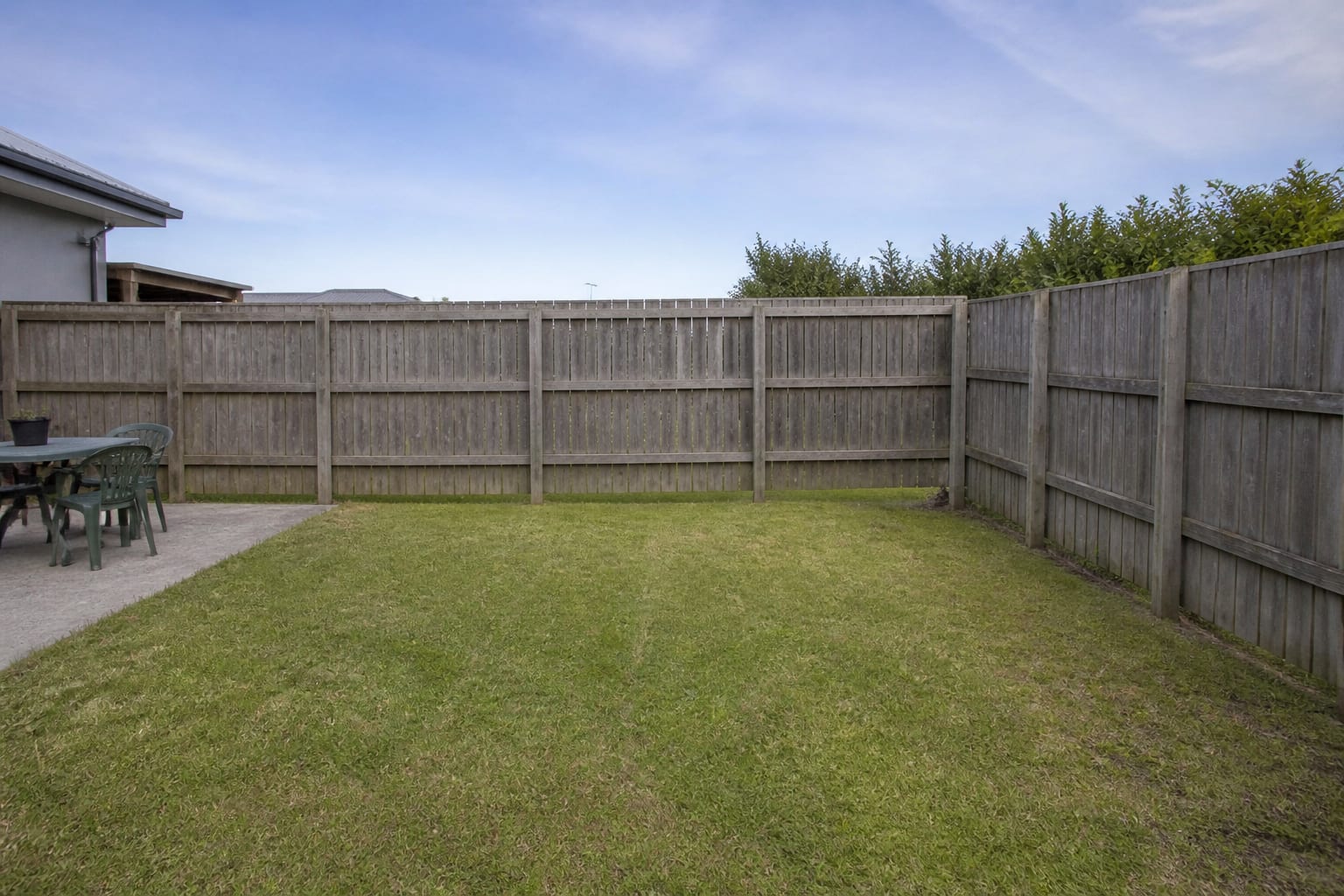
A layered planting plan is hard to hold in your head, which is where a preview helps. Re-Design lets you upload a photo of the plot and the AI design tool re-renders the same space as a planted sensory garden, so you can see whether a lavender-lined gravel path or a grass-and-water corner suits the spot before you buy a single plant.
Try the senses one at a time. Upload the photo, ask the AI to add a tall rustling grass border along the windward edge, then compare it against a version with a scented climber on a frame and thyme spilling over the path. Seeing both against your real fence and soil makes the layout choices concrete and saves you a season of moving plants that landed in the wrong place.


