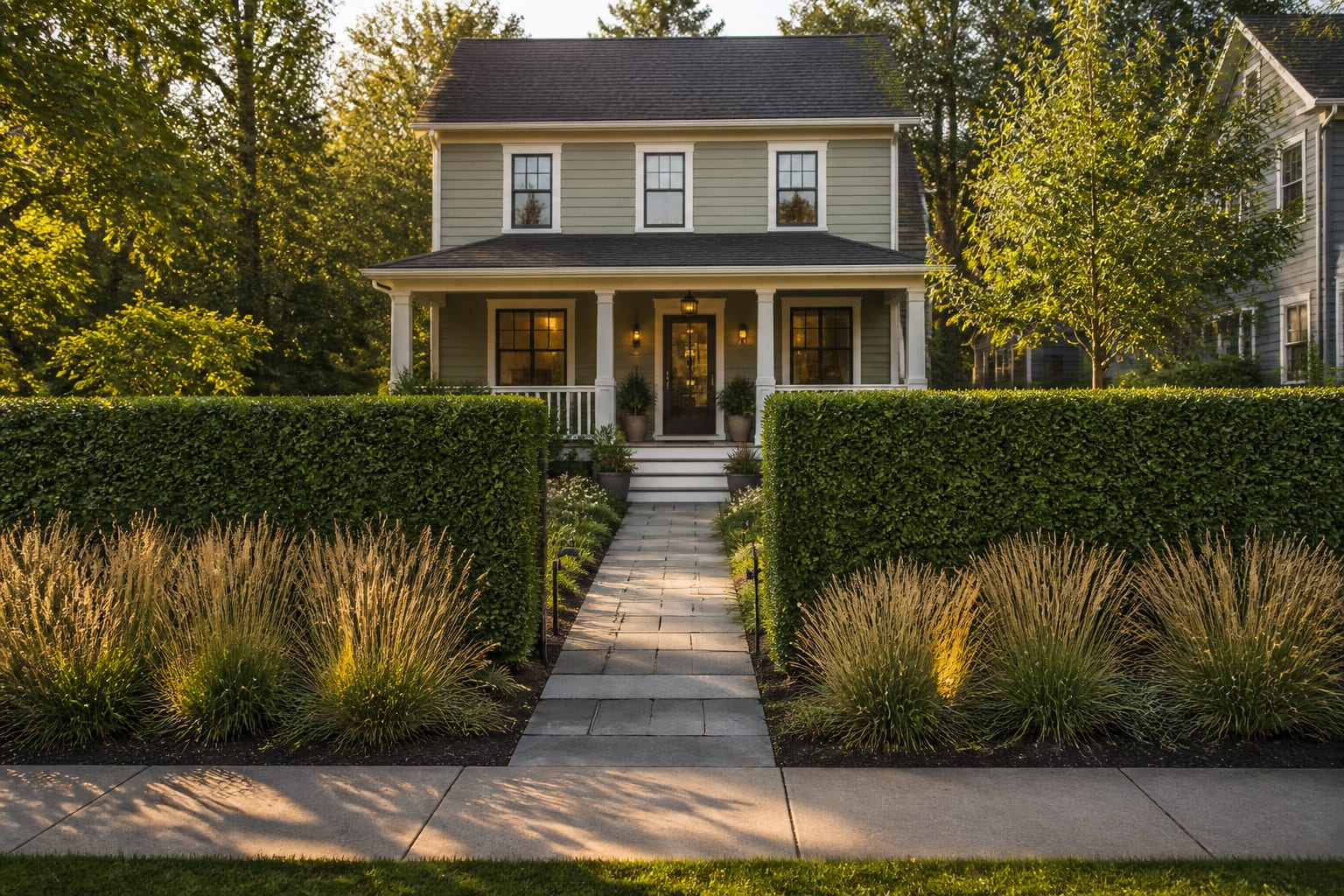
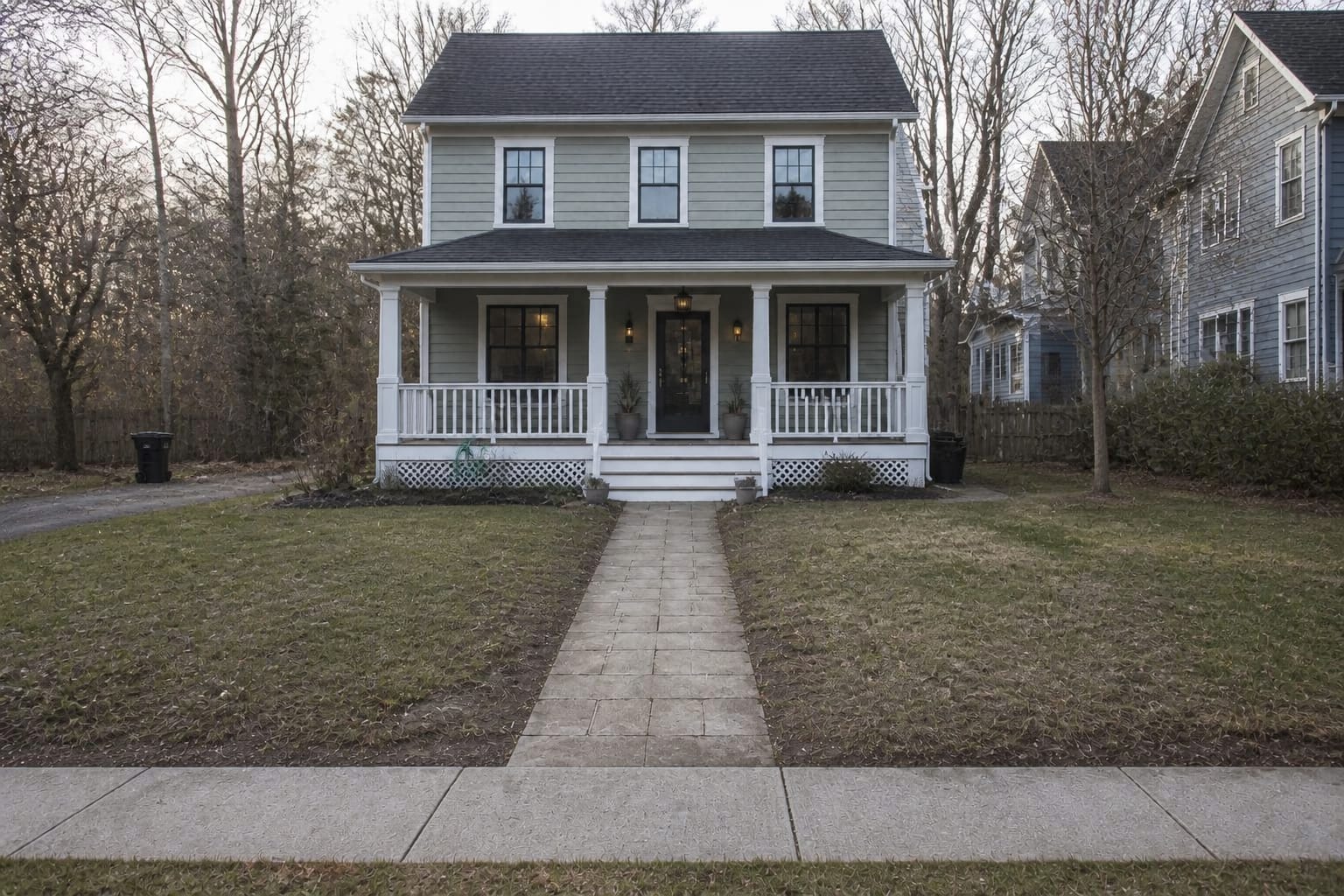
The best way to add front yard privacy is to screen sightlines at seated eye level, roughly 4 to 5 feet, rather than build a wall that announces you're hiding. Block the view from a passing car or the neighbor's porch, not the whole sky, using layered hedges, slatted fencing, and low berms that still read as landscaping.
What plants give the best front yard privacy screen?
A single row of one shrub reads as a wall and dies in patches; a layered screen reads as a garden and forgives a gap. Start with evergreen structure, then add height and texture in front so the eye stops at the planting instead of searching past it.
- Plant a clipped hornbeam or beech hedge for a formal 5-foot screen that keeps its coppery leaves through winter.
- Use upright evergreens like Sky Pencil holly or Emerald Green arborvitae, spaced 24 to 30 inches apart, for a narrow year-round wall in tight beds.
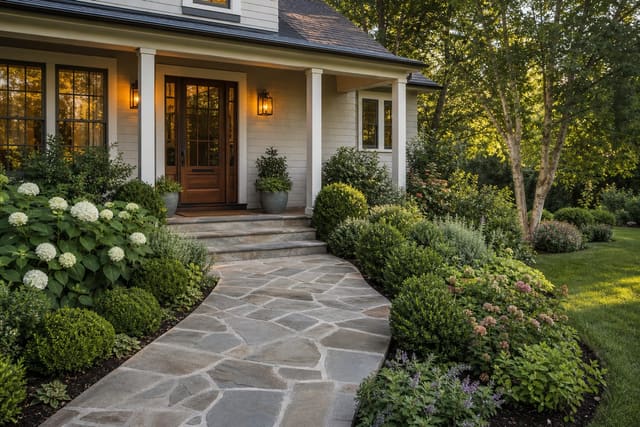
- Set a mixed border of viburnum, ninebark, and Karl Foerster grass for a softer, four-season screen.
- Train star jasmine or clematis up a 6-foot trellis to screen a porch corner in just 12 inches of depth.
- Build an 18-inch berm and plant on top so a 4-foot shrub blocks a 5-foot-plus sightline.
Mix these rather than relying on one type. A hedge backed by a berm and fronted by grasses adds depth, which is what makes a screen feel intentional instead of defensive. This layering logic runs through front yard landscaping ideas if you want to extend planting beyond the screen itself.
What kind of fence adds privacy without closing off the yard?
Choose a fence that lets light and air through. A horizontal-slat cedar fence at 5 feet with 1-inch gaps blocks a direct view but never feels like a stockade. Slatted screens, laser-cut metal panels, and vine-topped lattice all break a sightline without darkening the yard.
Position matters more than height. A 5-foot screen set 8 feet back from the sidewalk, with planting in front, blocks more than a taller fence at the property line because it works with the angle of view. A 4-foot panel two feet behind a porch chair hides more than a 6-foot fence at the curb, so use a freestanding panel to cover just the spot that needs it.
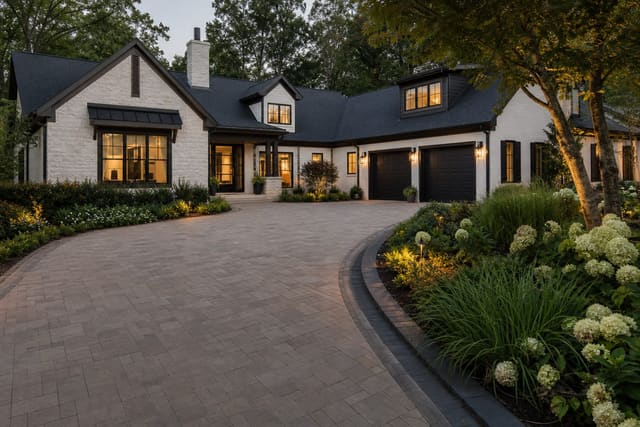
Material sets the mood as much as height does: warm cedar slats read soft and residential, black powder-coated steel reads crisp and modern, and vine-clad lattice reads almost like a hedge within two seasons. Driveways are the usual weak point; the buffer planting in these driveway design ideas shows how to close that gap without blocking your own view backing out.
Can you add privacy without plants or a fence?
Height doesn't have to come from tall plants or tall fences. A raised berm of 18 to 24 inches, planted with mid-size shrubs, lifts the whole green mass closer to eye level for free and sheds water away from the house as a bonus. Berms also soften a flat front lawn and give a garden a sense of maturity.
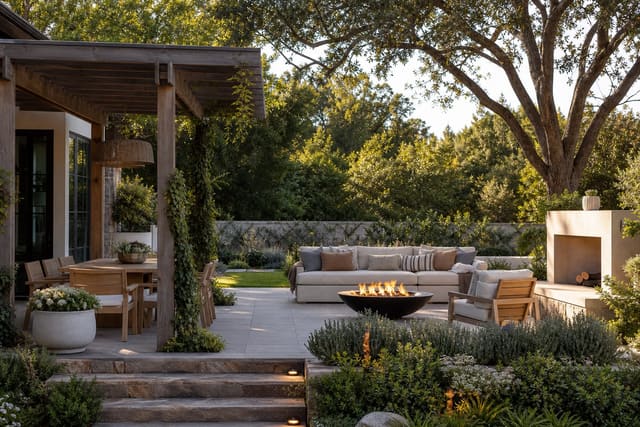
Pergolas, arbors, and a deep covered porch create privacy by giving you an enclosed spot the street can't fully see into. A pergola over a front patio with a climbing rose reads as a feature, not a barrier, yet screens you from above and the side. These structural moves also drive curb appeal; the entry-focused tips in these curb appeal ideas pair naturally with a privacy plan so the result still invites people up the walk.
How do you keep a private front yard from looking walled off?
The failure mode is a fortress: a tall solid fence flush to the sidewalk that tells everyone to keep out. Avoid it by keeping the path to your door open and concentrating screening on the spots you actually sit. Keep one clear sightline from your door to the street for safety and openness, and screen the rest.
Mixing materials helps screening disappear into the garden. A length of hedge, a short run of slatted fence, and a planted berm together read as landscaping rather than a barricade.
How can AI design help you plan a privacy screen?
Guessing how a hedge or fence will change your frontage is hard from the ground. Re-Design lets you upload a photo of your front yard and re-render the same view with a 5-foot hornbeam hedge, a slatted cedar screen, or a planted berm in place, so you can see how much of the street disappears before you plant or build anything.
Run a few versions on the same photo: try a layered evergreen screen along the sidewalk, then compare it against a horizontal fence with grasses in front. Seeing both on your real house makes it obvious which approach screens enough without turning the place into a bunker.
Frequently Asked Questions
How tall should a front yard privacy hedge be?
Most front yards only need a 4 to 6 foot hedge to block seated and standing sightlines from the street. Hornbeam, beech, or boxwood planted 24 to 30 inches on center fills into a dense screen within 2 to 3 seasons, well short of the 8-foot height people assume they need.
What's the best fence height for front yard privacy?
A 5-foot horizontal-slat fence with 1-inch gaps blocks most direct views while letting light and air pass through. Setting it back 8 feet from the sidewalk with planting in front works better than a taller fence at the property line, since it interrupts the actual angle of view.
Are there front yard fence height limits?
Many towns cap front fences at 3 to 4 feet in the front setback, though rules vary by municipality. Hedges are usually not restricted the same way, which is one reason a planted screen often gets you more usable privacy height than a fence permit allows.
How do you add privacy to a front porch without blocking light?
Use a freestanding slatted panel, a vine-covered trellis, or a pergola positioned close to the seating area rather than fencing the whole frontage. A 4-foot screen placed just behind where you sit blocks more of the sightline than a much taller structure at the property line.
Can a berm really replace a taller fence or hedge?
Yes. An 18 to 24 inch berm planted with mid-size shrubs lifts the green mass closer to eye level, so a 4-foot shrub on top can block a sightline that would otherwise need a 5-foot-plus plant or fence, with no permit required.