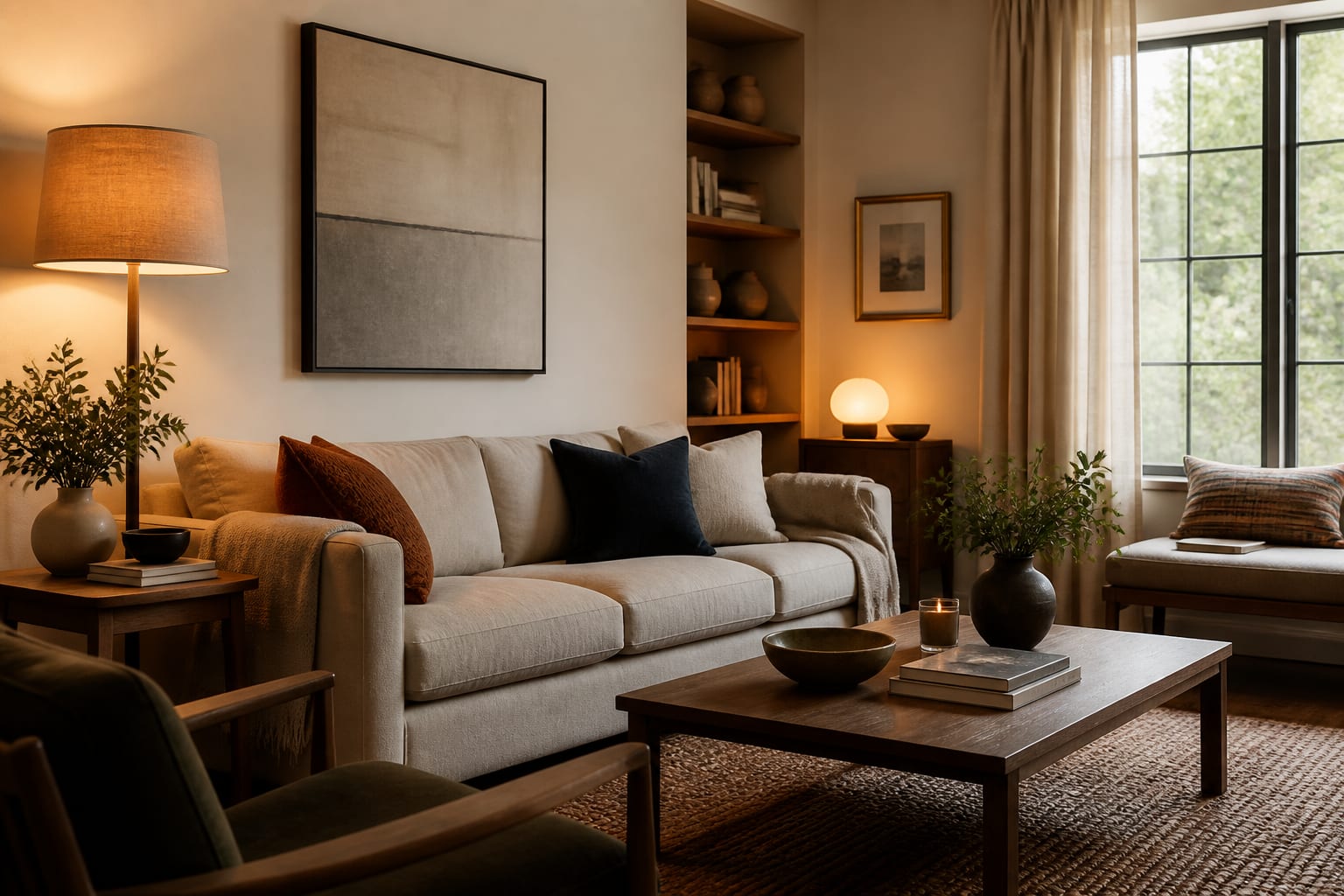
Furnishing an empty house tempts you to buy everything at once, and that is the fastest way to overspend on pieces you will replace within a year. The disciplined approach is to furnish in phases, room by room, starting with the items you use every day. A bed, a sofa, and a dining table earn their cost before a single decorative tray does. Buy the structural pieces to last, fill the gaps with secondhand and budget finds, and let the rest arrive over months instead of one frantic weekend. Done this way, a whole house comes together for a fraction of the showroom estimate and looks collected rather than rushed.
Furnish in priority order, not all at once
The single biggest budget mistake is treating every room as equally urgent. It is not. You sleep, sit, and eat every day, so the bed, the sofa, and the dining table are the first three purchases, in that order. Everything else, including the guest room, the entry console, and the wall art, can wait until those anchors are in place. Spending your early budget on a quality mattress and a sofa you actually like means you are comfortable on day one and not living around a placeholder.
This order also protects you from the trap of furnishing with cheap stand-ins you swap out twice. A $200 sofa bought in a panic gets replaced within a year, so you pay twice for one seat. Buy the daily-use pieces well the first time and fill the secondary rooms slowly. If a single space has to serve two functions while you build out the rest of the house, the strategies in our dual-purpose room ideas help one room cover sleeping, working, or hosting until the budget reaches the next room.
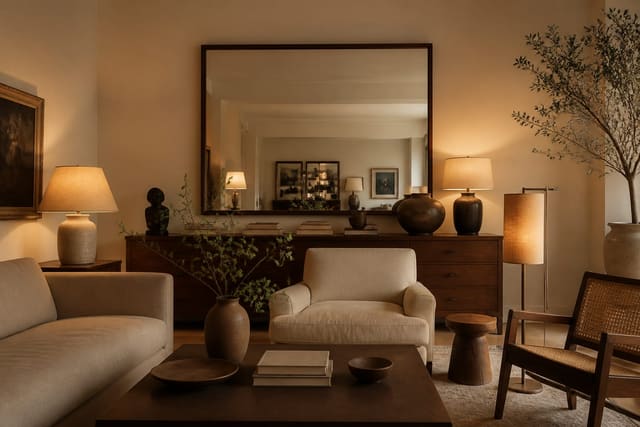
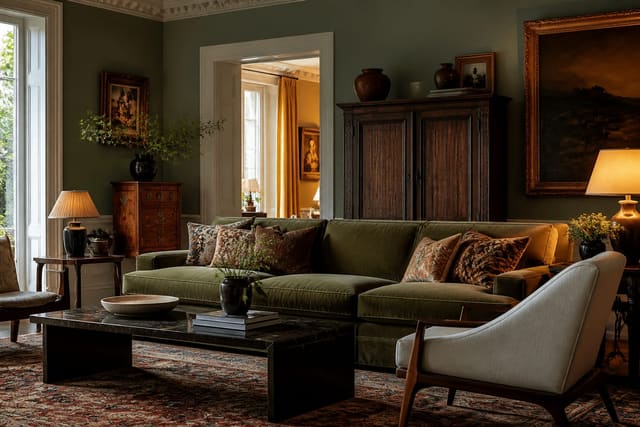
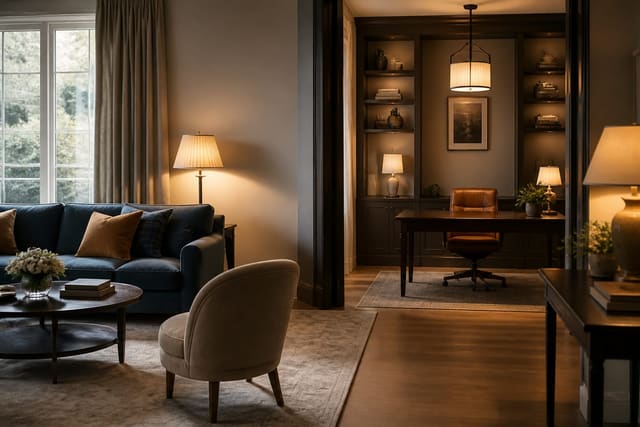
A budget house does not have to look budget, and the cheapest way to make it look pulled together is to commit to a single, coherent style story across the rooms. Buying a sofa here and a table there from whatever was on sale leaves a home that feels random, so decide early whether you are going warm-modern, traditional, or something in between, and let that guide every purchase. The principles in our guide to mixing design styles keep a cheap sofa, a thrifted table, and a budget rug reading as one deliberate room rather than three unrelated sales. Light is the other free lever: a dim, under-furnished room reads cheaper than it is, and the fixes in our dark room solutions guide, like a large mirror and warm lamps, make a sparse early-phase room feel finished long before the budget catches up.
A room-by-room buying sequence
Here is the order that keeps you comfortable while spreading the cost over months. Work straight down the list and resist jumping ahead to decorative items before the essentials land:
- Bedroom first: a supportive mattress at $500 to $1,200 and a simple frame, since sleep quality affects every day.
- Living room second: a comfortable sofa at $600 to $1,400 that fits the room and suits how you actually sit.
- Dining third: a sturdy table and four chairs, often $200 to $500 secondhand for solid wood.
- Storage fourth: dressers, a media console, and shelving, almost all worth buying used to save 50 to 70 percent.
- Lighting fifth: a few lamps and warm 2700K bulbs at $30 to $80 each to make the rooms feel finished.
- Soft goods and decor last: rugs, curtains, art, and pillows that layer in personality once the bones are set.
The logic behind the order is daily contact. The mattress and sofa touch your body every day, so they come first and justify a splurge. Storage and lighting finish the rooms, and the soft goods are the cheapest, easiest layer to add or change later. Following this sequence, most people furnish a two-bedroom home for $3,000 to $5,000 rather than the $10,000-plus a single showroom trip would cost.
Within that order, know where a dollar earns its keep. Splurge on the mattress and the sofa, since a worn-out mattress costs you sleep and a sagging sofa gets replaced fast, and both are hard to fix once bought wrong. Save aggressively on the table, the dressers, the lamps, and the art, where secondhand and budget options look identical to expensive ones once they are in place. A solid-wood dining table thrifted for $150 seats guests just as well as a $900 store version, so the money you save there funds the better mattress that actually changes your day.
Common mistakes to avoid
Most budget furnishing goes wrong in predictable ways. Steer clear of these and your money lasts twice as long:
- Buying a cheap placeholder sofa or mattress in a rush, then paying again to replace it within the first year.
- Furnishing every room at once, which drains the budget before the daily-use pieces are right.
- Buying new particleboard storage when solid-wood dressers and shelving sit secondhand for half the price.
- Splurging on decorative pieces like art and trays before the bed, sofa, and table are handled.
- Ignoring measurements, so an online sofa arrives too deep for the room or too wide for the doorway.
- Matching everything from one collection, which costs more and leaves the house looking like a showroom floor.
The measurement error is the most expensive surprise on the list. Before any large purchase, measure the room, the doorway, and the path the piece must travel, since a sofa that will not fit through the door is a return fee and a wasted week. Buy structure to last and decor to change, and the inevitable mistakes stay small.
Preview your whole-house plan in Re-Design
Frequently Asked Questions
What should I buy first when furnishing a house on a budget?
Start with the pieces you use every single day: a supportive mattress, a comfortable sofa, and a sturdy dining table, in that order. These anchor your daily routine and justify spending more, while decorative items can wait. Getting the big three right first means you are comfortable from day one and not living around cheap placeholders you will replace.
What furniture should I buy used versus new?
Buy structural storage like dressers, side tables, and shelving secondhand, where solid wood costs 50 to 70 percent less than new retail and lasts for decades. Buy the mattress new for hygiene and support, and weigh a sofa carefully, since used upholstery can hide stains and odors. The rule is simple: buy used where construction matters and new where comfort and cleanliness do.
How long should it take to furnish a whole house?
Plan on three to six months rather than a single weekend. Phasing your purchases spreads the cost, lets you wait for secondhand deals, and stops you from buying placeholders you regret. Furnish the daily-use rooms first, then add storage, lighting, and soft goods over time so the house comes together deliberately instead of all at once.