Furniture trends matter more than paint trends because the buys are expensive and you live with them for years. My take on 2026 is that the direction is genuinely good: softer curved silhouettes, warm real woods, durable performance fabrics, and modular pieces that adapt as your life changes. The era of hard-edged, disposable furniture is closing, and that is worth celebrating because it rewards buying fewer, better things. Below is what I would actually spend on this year and what I would skip.
The shift toward curves and warmth
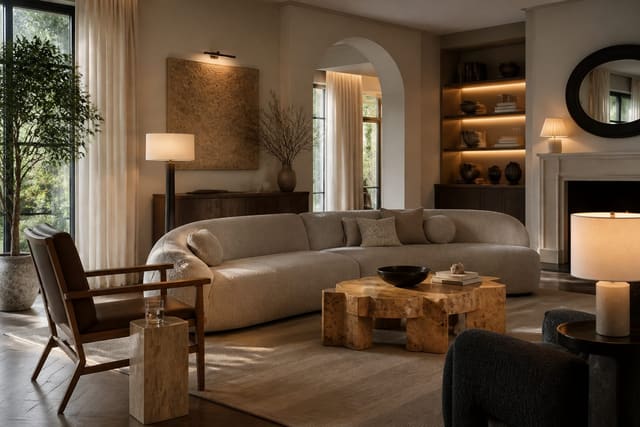
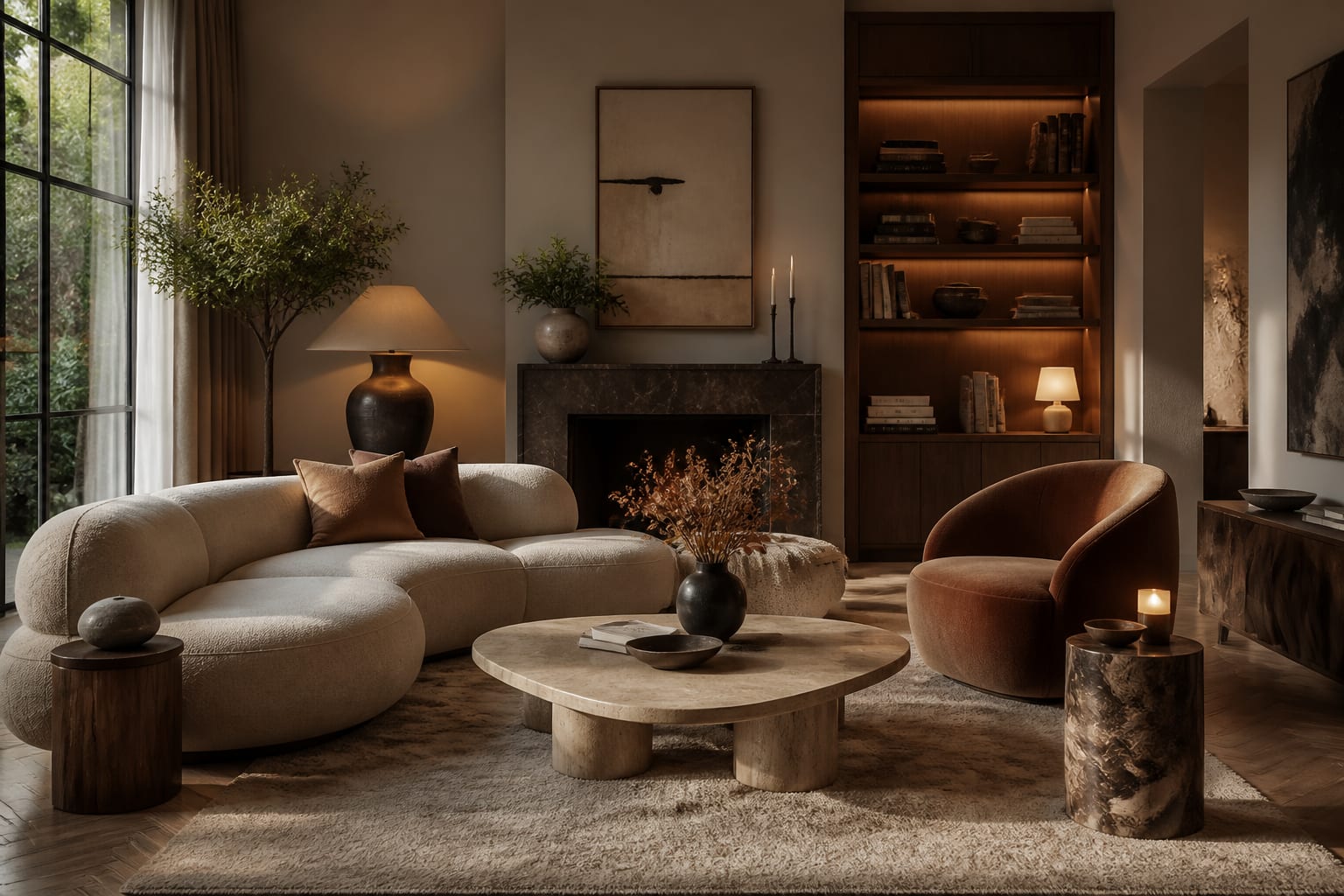
The defining shape of 2026 furniture is the curve. Rounded sofa arms, kidney and crescent shapes, barrel chairs, and tables with softened or organic edges are replacing the sharp, boxy forms that dominated recent years. The reason is partly practical and partly emotional: curves are safer in tight spaces, easier to move around, and they read as calmer and more inviting than hard corners. A curved sofa anchors a room with a softness that a rectangular one cannot match.
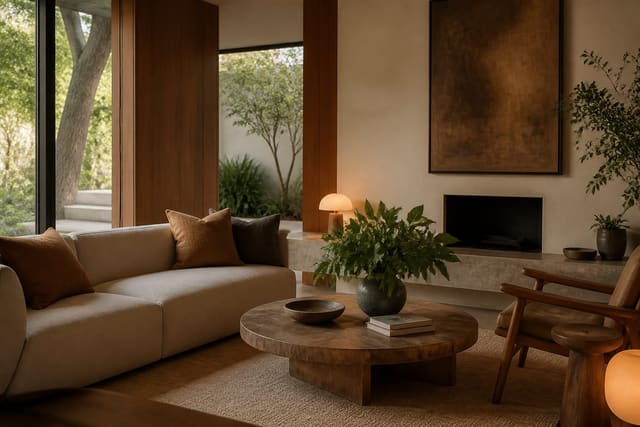
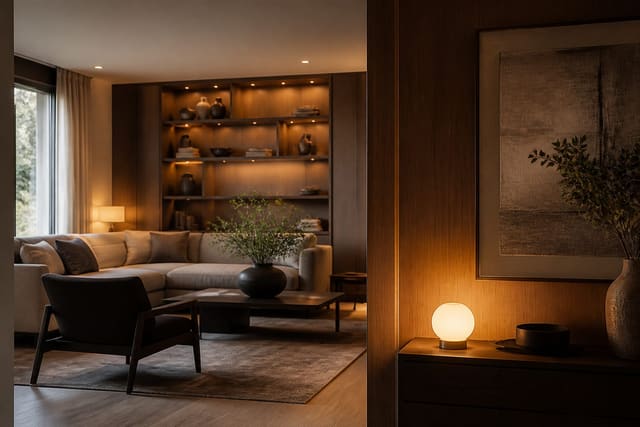
Materials are warming up alongside the shapes. White oak and walnut are the woods of the moment, valued for visible grain and a tone that warms a room, while cold chrome and heavy glass feel increasingly dated. Aged and unlacquered metals, brass especially, are acceptable accents because they develop character rather than staying clinically shiny. The throughline is warmth and tactility over the cold, reflective look of the previous cycle. Solid wood also ages in a way veneers cannot, picking up small marks that read as character rather than damage, which is part of why the collected look favors it.
Upholstery follows the same instinct toward touch. Bouclé remains strong, joined by chunky weaves, brushed cottons, and solution-dyed performance fabrics that survive kids and pets without looking industrial. The smart buy pairs a tactile fabric with a durable construction so the piece feels good and lasts; our overview of new furniture trends 2026 goes deeper on specific silhouettes worth tracking.
Underneath the fabric, the construction is what separates a piece that lasts a decade from one that sags in a year. A kiln-dried hardwood frame, eight-way hand-tied or sinuous-spring suspension, and high-density foam wrapped in down are the markers worth asking about before you buy. These details rarely show in a product photo, which is why a curved sofa that looks identical to another can cost $900 or $2,400. The shape is the trend; the frame is the value, and paying for the frame is what keeps a trendy silhouette from becoming landfill.
Furniture trends worth buying in 2026
Here are the pieces and features I would prioritize this year, roughly in order of impact on a room. Choose based on what your space actually lacks rather than buying across every category.
- A curved or barrel-back sofa as the room's anchor, ideally in a performance fabric.
- A warm-wood piece, such as a white oak sideboard or a walnut coffee table, to ground the space.
- One tactile accent chair in bouclé or a chunky weave for contrast and comfort.
- A modular sectional or nesting tables that reconfigure for different uses.
- A multifunctional piece, like a storage ottoman or a sofa that handles occasional guests.
- Aged brass or matte black hardware and legs instead of bright chrome.
- A statement light fixture with an organic or sculptural form to echo the curves.
That list is deliberately a menu. One curved anchor piece and one warm-wood grounding piece are enough to make a room feel current; chasing all seven at once produces a showroom, not a home. Because these are multi-year buys, restraint is the whole game. A calmer, wellness-minded room leans on these softer forms and natural materials, a connection our piece on wellness design trends draws out in detail.
What to skip this year
Not every trend deserves your money, and a few 2026 looks are traps. Highly sculptural, oversized curved pieces can photograph beautifully and then dominate a real room, eating floor space and limiting layout. Be wary of fashion-forward shapes that only fit one arrangement; a sofa you can place exactly one way is a liability when your needs change. The fastest way to regret a furniture buy is to prioritize a striking silhouette over how the piece actually functions day to day.
Disposable fast furniture is the other thing to leave behind. The whole point of the 2026 direction is durability and fewer, better pieces, so a $300 sofa that sags in a year works against the grain of where things are heading. If budget is tight, buy one quality anchor piece and fill in with secondhand solid-wood finds rather than a full set of flimsy new items. Connected and smart features are worth it only when they genuinely serve you, a distinction our guide to smart home design trends helps sort out.
Finally, resist matching everything. A fully matched furniture set in identical wood and fabric reads as dated and impersonal in 2026, where the look is layered and collected. Mix wood tones, vary your fabrics, and let pieces feel gathered over time rather than bought in one showroom trip. The collected look is both more current and easier on the budget.
Scale is the trap inside all of this. A curved sofa with a deep seat and a low back can read as generous in a showroom and swallow a normal living room, so measure your space and your doorways before you fall for a silhouette. Note the depth as well as the width, since the rounded forms trending now tend to push furniture farther into the room than a boxy equivalent. A piece you love but cannot walk around comfortably is a daily irritation, and no trend is worth tripping over for years.
Preview 2026 furniture in your room with Re-Design
Frequently Asked Questions
What furniture shape defines 2026? The curve, in all its forms: rounded sofa arms, barrel chairs, kidney shapes, and softened-edge tables. These organic forms replace the sharp, boxy look of recent years because they feel calmer and work better in tight spaces. One curved anchor piece updates a room instantly.
Which materials are trending for 2026 furniture? Warm woods like white oak and walnut lead, paired with tactile upholstery such as bouclé and solution-dyed performance fabrics. Cold chrome and heavy glass are fading, while aged brass works as a warm accent. The overall direction favors warmth and texture over cold, reflective surfaces.
Is it worth buying trendy furniture if it might date? It is worth buying quality pieces in trend-aligned shapes, but keep the most expensive items in versatile forms and bring sharper trends through smaller pieces. A well-made curved sofa in a neutral fabric stays relevant for years. Reserve bold, fashion-forward shapes for lower-cost accent pieces.