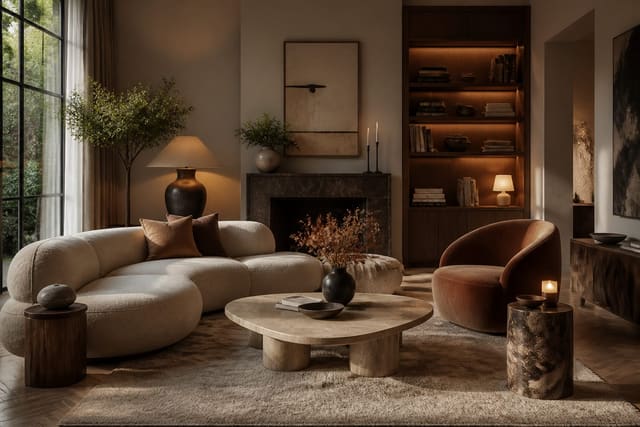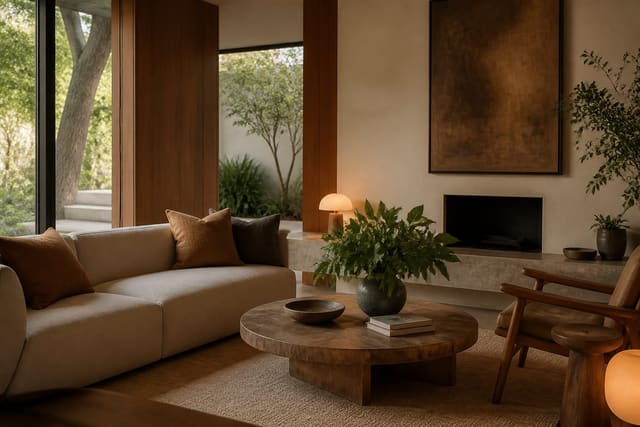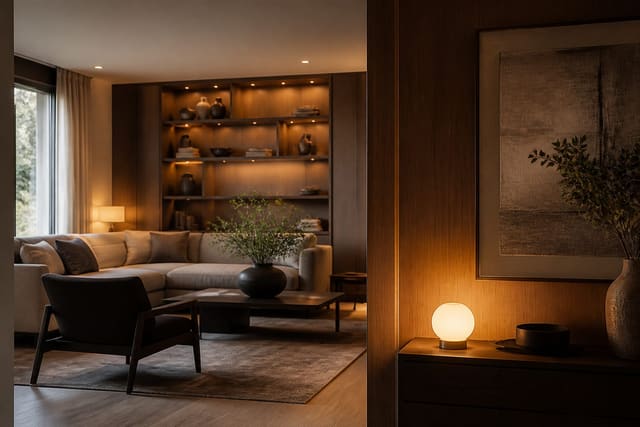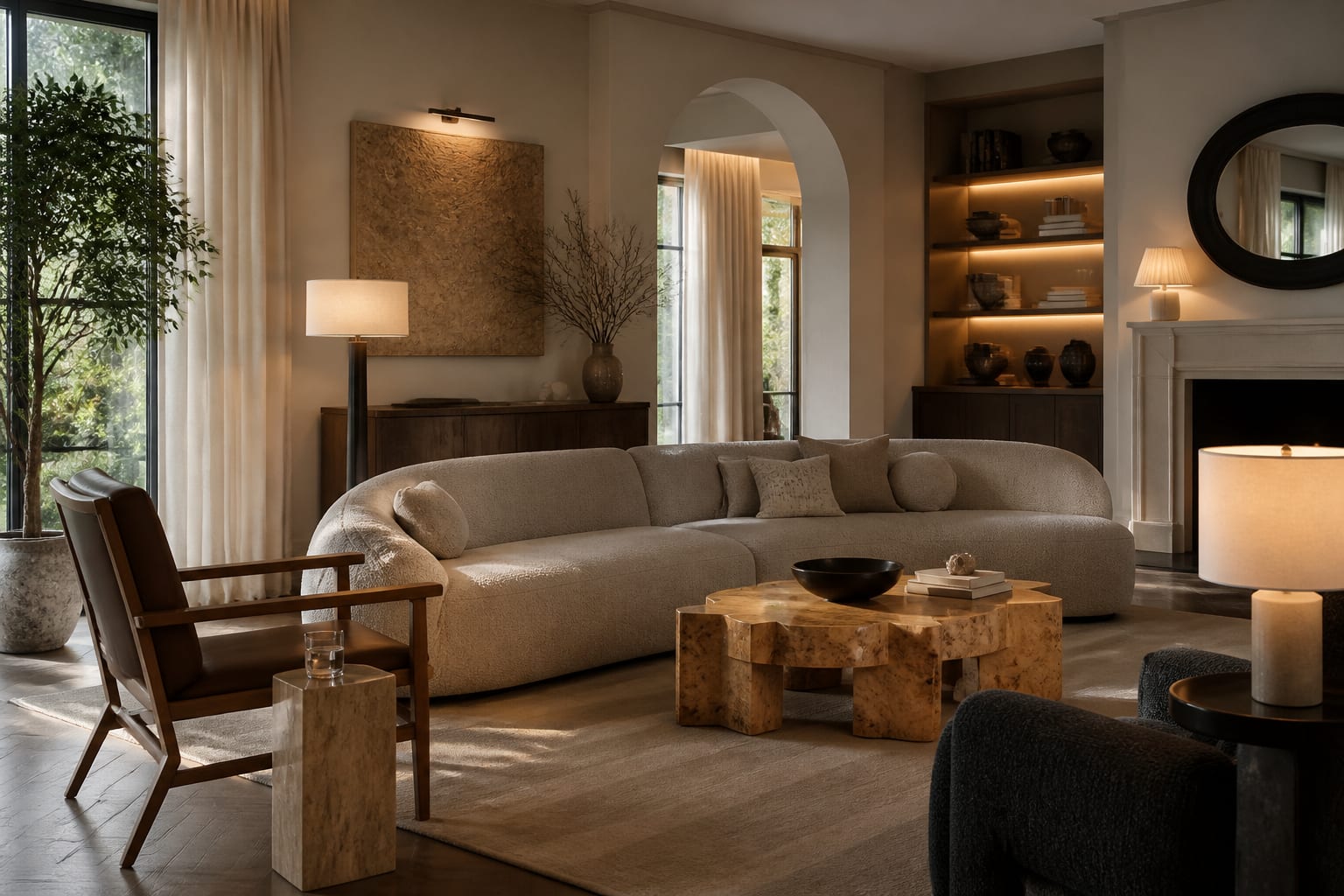
Furniture in 2026 is getting lower, softer, and rounder, and the sharp-cornered minimalism of the last decade is quietly being retired. Showroom floors at Salone del Mobile and IMM Cologne pushed sculptural seating and warm woods to the front, and the big retailers followed within a season. If you are replacing one anchor piece this year, buy the shape that reads calm and tactile rather than the one that reads glossy and hard.
My blunt take: skip anything with a high-gloss lacquer or a chrome leg, because both already feel dated next to the matte, hand-finished pieces leading the 2026 catalogs. The market has shifted toward comfort you can see, and that shift rewards patient buyers who pick one strong shape over a cart full of small upgrades.
The silhouettes leading every 2026 catalog
The clearest signal this year is height. Seat decks are dropping to around 16 to 17 inches, and backs are getting lower and more enveloping, which changes how a whole room feels the moment you sit down. Curved sofas with a single continuous arm, kidney-shaped settees, and barrel chairs are the pieces retailers put in the first photo of every email. Rectangles still exist, but they have softened edges and roughly a 2-inch radius on every corner.
There is a reason this is happening now. After years of hard, architectural furniture, buyers are tired of pieces that look better than they feel. The new silhouettes are designed to be lived in, with deeper seats and more forgiving angles.
Here are the shapes appearing across nearly every major 2026 release:
- Curved and serpentine sofas with one sweeping arm instead of two boxy ends
- Barrel and tub accent chairs with a deep 22-inch seat
- Plinth-base beds and sofas that float a few inches off a recessed pedestal
- Pebble and kidney-shaped coffee tables in solid wood or cast stone
- Puffy, pillow-stacked modular sectionals you can rearrange room to room
This is the same direction tracked in our broader furniture trends 2026 breakdown, which goes deeper on the move away from hard geometry. The curve is not a gimmick; it is the through-line connecting almost every category, from dining chairs to nightstands.
Dining furniture is following the living room. Round and oval pedestal tables are replacing rectangular four-leg designs, partly because a pedestal opens up legroom and partly because the soft shape echoes the curved seating next to it. Chairs are getting upholstered backs and gentle scoops instead of flat wooden slats, so a dinner that runs long stays comfortable. Even case goods, the dressers and sideboards, are arriving with rounded fronts and fluted faces that catch a shadow line.
Materials and finishes that signal the new year
Color and material matter as much as shape in 2026. Warm-toned woods are the headline. White oak with a slightly warmer stain, walnut, and even reddish cherry are back after years of gray-washed everything, and they instantly date a room as current. The cool, ashy finishes that defined the early 2020s now read like a time stamp.
Texture is doing heavy lifting on upholstery. Bouclé is still around, but it is sharing space with chunky knit, brushed mohair, and tactile linen-cotton blends in oatmeal, clay, and putty. These fabrics catch light and invite touch, which is exactly the opposite of the flat, smooth microfibers that came before them.
Stone is the surprise of the year. Travertine and honed limestone are showing up on plinths, side tables, and lamp bases, usually paired with a soft fabric so the room does not feel like a quarry. Metal has not vanished, but it went quiet: think aged brass and blackened bronze at a low sheen rather than mirror chrome. A 60-40 split between soft and hard materials keeps a room from tipping into either coldness or clutter.
There is also a clear overlap with comfort-first thinking. Many 2026 pieces are designed around how a body actually rests, which is the same logic behind wellness design trends that prioritize ergonomics, softness, and calm over visual drama. When a chair supports your lower back and still looks sculptural, you have found the sweet spot the new collections are chasing.
How to actually buy into the trend without regret
You do not need to replace a room to read as current. Pick one anchor and let it carry the update. A single curved sofa, one barrel chair, or a plinth-base coffee table will shift a space more than five small accessories ever could. Trends fail when people buy a dozen trendy small things; they succeed when one confident piece sets the tone.
A few rules I give clients buying in 2026:
- Choose curve or plinth, not both, on a single piece, or it starts to look like a prop.
- Keep your largest item in a warm neutral and save bold color for a 200-dollar accent chair.
- Match wood undertones within one room, since a cool-gray oak next to a warm walnut fights.
Scale is the quiet killer. A serpentine sofa needs breathing room to show its curve, so measure for at least 18 inches of clearance behind it and on each side before you fall for the silhouette. A gorgeous shape crammed against three walls loses everything that made it worth buying.
Budget realistically, because the 2026 look does not require designer prices. Mainstream retailers have already copied the curved silhouettes and warm woods at accessible price points, so a barrel chair in the 300-dollar range or a fluted-front nightstand near 250 dollars gets you the language without the showroom markup. Spend the real money on the one piece you sit in every day and save on the accents around it. A well-chosen 1,200-dollar sofa surrounded by thrifted wood pieces reads far more current than a room full of expensive but mismatched purchases.
Comfort is also a buying filter now, not an afterthought. Sit in anything before you commit, and pay attention to seat depth: a 22-inch deep seat invites you to curl up, while a shallow 18-inch seat keeps you upright and formal. The 2026 collections lean deep on purpose, so match that depth to how you actually use the room rather than how it photographs.
It is also worth checking how a piece coexists with the tech you already own. The cleaner lines of 2026 furniture pair naturally with discreet smart home design trends, where hidden charging and slim profiles keep the calm look intact. The best modern rooms hide their wires and let the furniture be the only thing you notice.
Use AI design to preview new furniture trends before you commit
A curved 96-inch sofa looks great in a styled catalog and very different in your actual living room. Before you commit to a four-figure piece, upload a photo of your space to Re-Design and drop the 2026 silhouette you are considering directly into the room. You can test a walnut plinth base against your floor, swap a boxy sectional for a serpentine one, and see how a barrel chair reads against your existing wall color, all in a few seconds and with no return shipping involved. Seeing the trend in your own light is the fastest way to tell a keeper from a costly mistake.