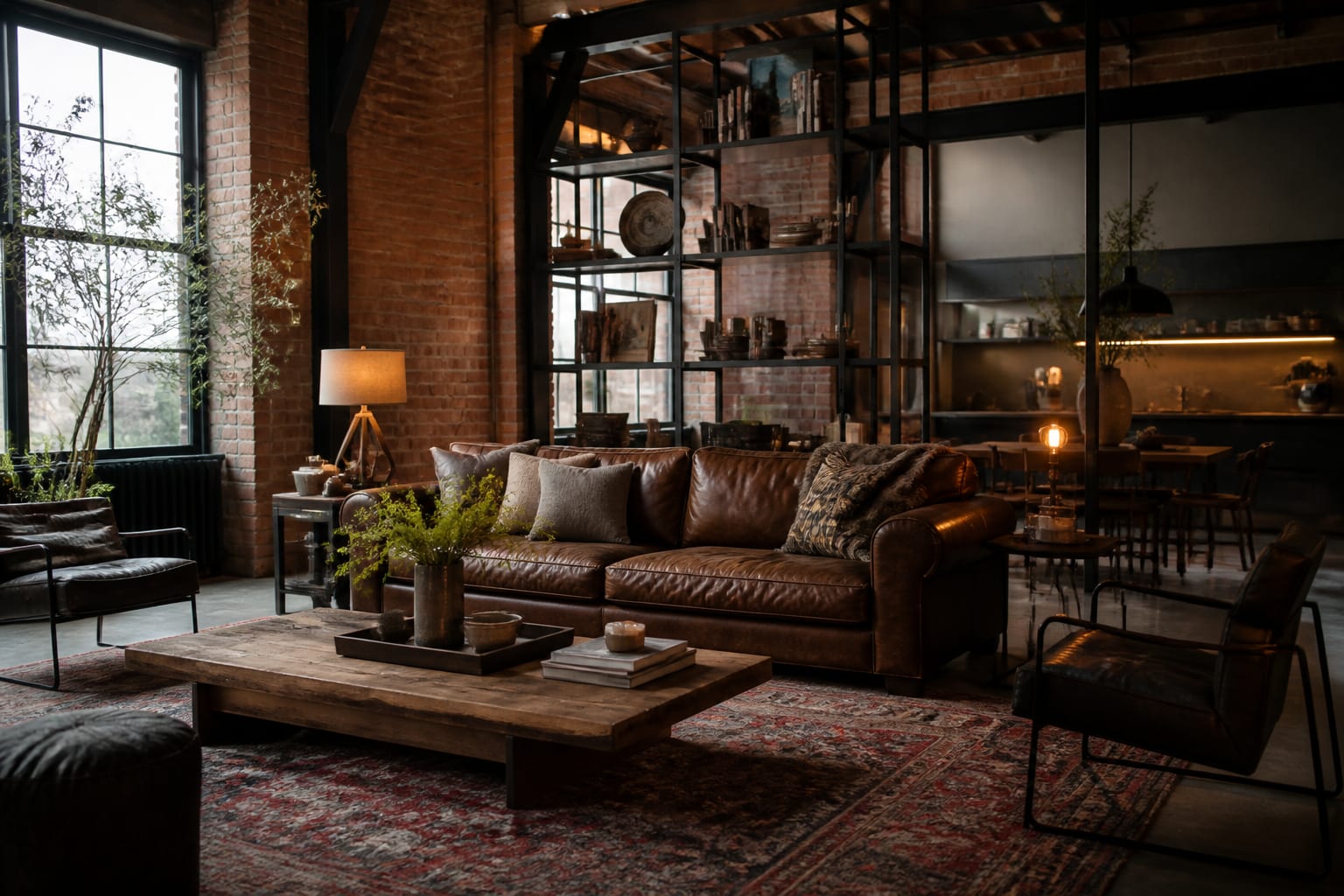
Industrial living room ideas combine exposed brick, black steel, and raw texture with leather, wool, and warm lighting so the space feels lived-in instead of like an unfinished warehouse. The strongest rooms treat brick or concrete as a feature, then balance it with substantial furniture, a large rug, and lighting near 2700K.
What makes a living room feel industrial instead of unfinished?
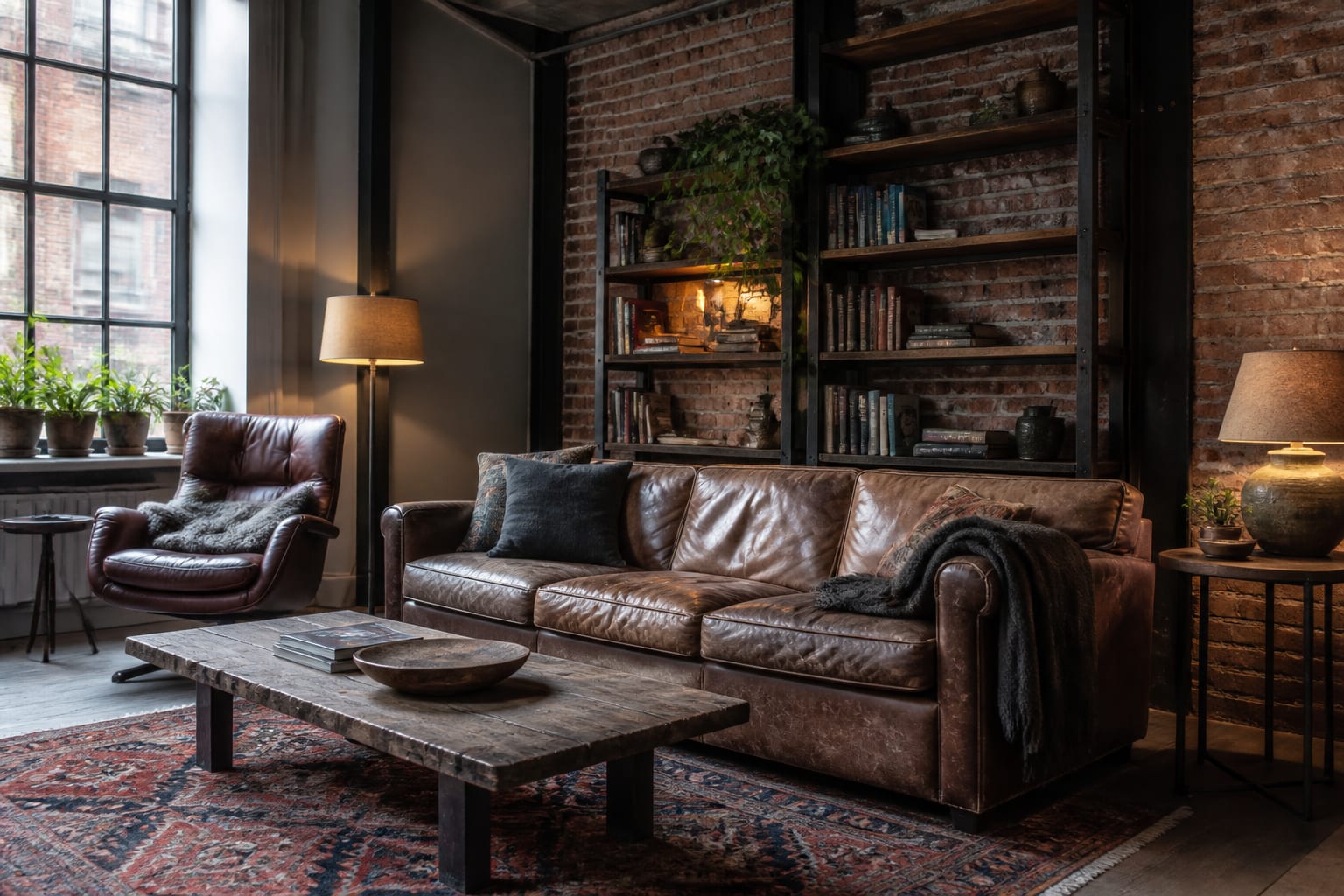
A living room feels industrial when raw materials are used deliberately: exposed brick, steel, concrete, weathered wood, aged leather, and utilitarian lighting all point to the room's structure rather than hiding it. The difference between industrial and unfinished is control. A cracked brick wall with a tailored sofa, a low wool rug, and a black steel coffee table feels intentional; the same wall with undersized furniture and one bare bulb feels unfinished.
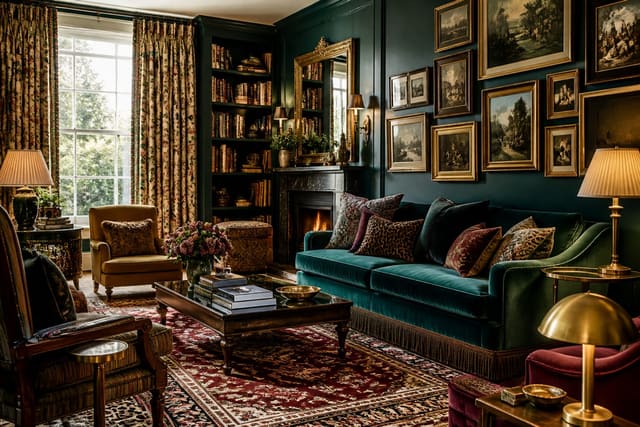
Start with the strongest architectural fact in the room. If you have exposed brick, let it lead; if not, build the mood through blackened metal, reclaimed wood, leather, plaster-look paint, and lighting with visible hardware. Use brick red, charcoal, warm black, tobacco leather, camel, bone, concrete gray, walnut, and tarnished brass rather than flat black and cool gray everywhere. For a louder, more layered take, compare it with maximalist living room ideas; industrial gets its drama from material weight instead of pattern.
Which industrial living room ideas actually create the loft look?
The best industrial living room ideas change the room's bones from the doorway, not just the objects on a shelf. Choose five or six moves that fit your architecture, daylight, and budget.
- Keep exposed brick as the hero wall and cover no more than one third of it; one large artwork or a low console lets the texture stay visible.
- Use a leather sofa in cognac, tobacco, oxblood, or black, softened with a wool throw and pillows so it doesn't read like a showroom.
- Choose a steel, dark wood, or stone-look coffee table with 14 in–18 in of clearance to the sofa for usable seating.
- Install black metal shelving, around 12 in–14 in deep, only where it has a real job like books or media.
- Layer a large low-pile rug under the seating group, 8 ft x 10 ft for a compact room or 9 ft x 12 ft for a larger one, to absorb sound.
- Pick lighting with visible structure, such as an arc floor lamp or metal dome pendant, using warm 2700K bulbs.
- Add one reclaimed wood piece, like a console or bench, so steel and brick don't feel cold.
- Keep window treatments simple, such as linen panels or black curtain rods 6 in–10 in above the casing.
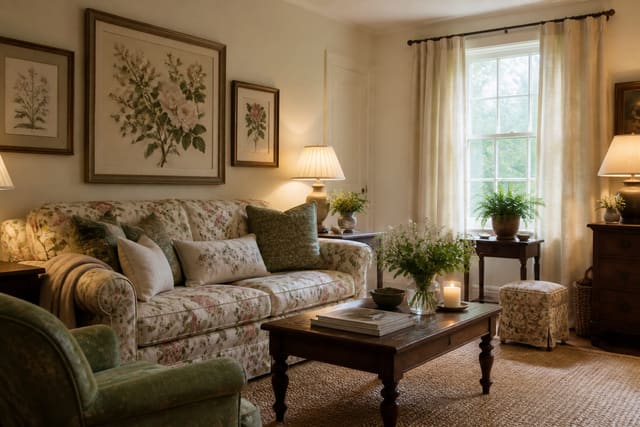
If the look keeps drifting romantic, compare material softness in cottagecore living room ideas; cottagecore leans botanical and gentle, industrial leans structural and tougher.
How should brick, steel, leather, and lighting work together?
Brick should be the warmest rough surface, steel should draw the line, leather should carry the comfort, and lighting should make all three look intentional after dark. Use steel sparingly but repeatedly: one black shelf can look stranded, but black repeated in a lamp, table base, and curtain rod feels designed. Keep silhouettes thin in small rooms; a 1 in metal frame reads industrial without bulk, while thick pipe-style pieces overwhelm 8 ft ceilings.
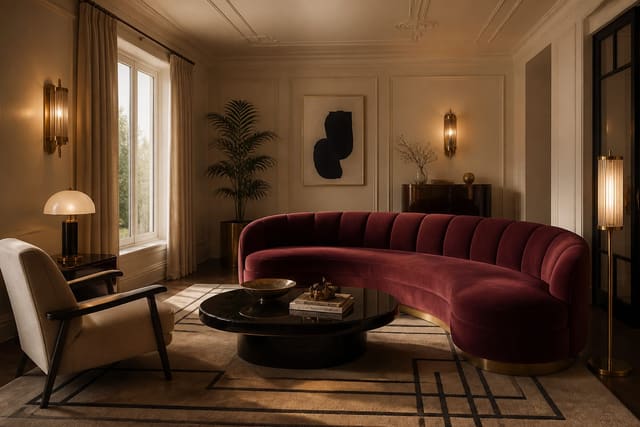
Leather needs neighbors. A leather sofa, chair, ottoman, and brown rug together can feel heavy, so break it up with bouclé, wool, linen, canvas, or ceramic. If you're drawn to brass, arches, and sharper geometry, art deco living room ideas are worth studying before mixing in too much polish.
Lighting is the quiet make-or-break decision. A single exposed bulb over brick can look moody in a photo and miserable on a Tuesday night. Use at least three sources: one overhead or architectural fixture, one lamp near seating, and one accent on shelves or art.
What are the most common industrial living room mistakes?
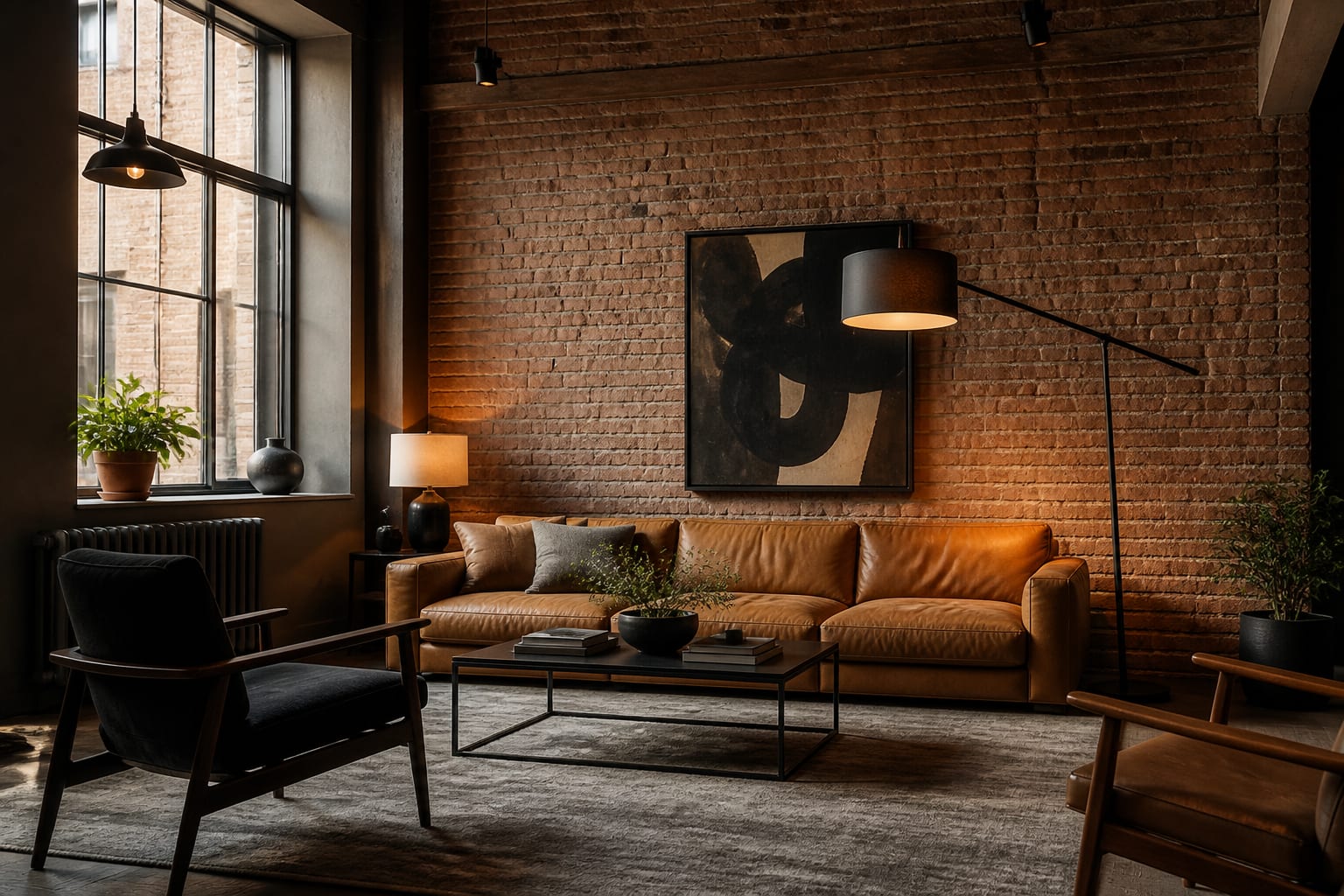
Industrial decor goes wrong when a room copies warehouse symbols instead of solving for daily living. Common mistakes include:
- Too much black metal. Cage lights, pipe shelves, and black hardware everywhere can feel like a themed restaurant; choose two or three metal moments and bring in wood and warm color.
- Furniture that's too skinny. Industrial rooms need mass, so a substantial sofa arm, a 36 in–48 in coffee table, or a deep sideboard reads better against brick or concrete.
- A cold floor. Concrete, tile, or dark wood needs a rug with real size; let at least the front sofa and chair legs land on it.
- Raw mistaken for uncomfortable. Brick and steel windows still need cushions, a throw, a reachable side table, and flattering lighting.
Should you preview an industrial living room before buying furniture?
Yes. An industrial living room is risky to assemble one purchase at a time because the major materials change each other; brick can flatten a gray sofa, and a black shelving unit can cramp a low ceiling. Upload a photo of your room to Re-Design and test full directions before ordering expensive pieces: one with brick as the main feature, one with darker steel shelving and lighter walls, and one built mostly from leather, lighting, and wood.
This is especially useful for rentals or new builds without real loft features. Test peel-and-stick brick, limewash-style walls, a cognac sofa, or a concrete-look coffee table without pretending the room is a converted factory. The best preview tells you which heavy move to skip.
What finishing details make the room feel urban and livable?
The final layer should feel collected from use, not ordered as a matching set. Add weighted objects: ceramic vessels, old books, black-and-white photography, a wood bowl, a metal tray, records, or one plant with a strong silhouette. Hang standalone art around 57 in–60 in on center, and use fewer, larger accessories so the black metal grid doesn't become clutter.
Stand at the entrance and name the strongest material in three seconds. If the answer is brick, steel, leather, wood, or concrete, the room has a point of view; if it's "a lot of dark stuff," edit one layer back and add warmth where people actually sit.
Frequently Asked Questions
What is the easiest way to start an industrial living room?
Start with the strongest architectural feature you already have, usually exposed brick, concrete, or high ceilings, and build around it. If your room lacks those features, introduce the mood through black metal lighting, a leather sofa, and one reclaimed wood piece rather than trying to fake structural elements.
Can a small apartment pull off industrial style?
Yes, but keep dark elements lower and thinner. Use a 1 in metal frame instead of thick pipe-style shelving, choose one brick or concrete-look wall instead of covering the whole room, and let the walls breathe so an 8 ft ceiling doesn't feel boxed in.
How do I keep an industrial living room from feeling cold?
Pair every rough surface with a soft one. Wool throws, linen curtains, a large rug, and warm 2700K lighting offset brick, steel, and concrete, while leather and reclaimed wood add tactile warmth that pure metal and stone can't provide.
What colors work best in an industrial living room?
Use brick red, charcoal, warm black, tobacco leather, camel, bone, concrete gray, walnut, and tarnished brass. Avoid pairing pure black with cool gray throughout the room, since that combination drains warmth instead of adding urban character.
How much rug do I need for an industrial living room?
Size the rug so the front legs of the sofa and chairs sit on it, typically 8 ft x 10 ft for a compact room or 9 ft x 12 ft for a larger seating group. A rug that only fits under the coffee table makes the layout look accidental.