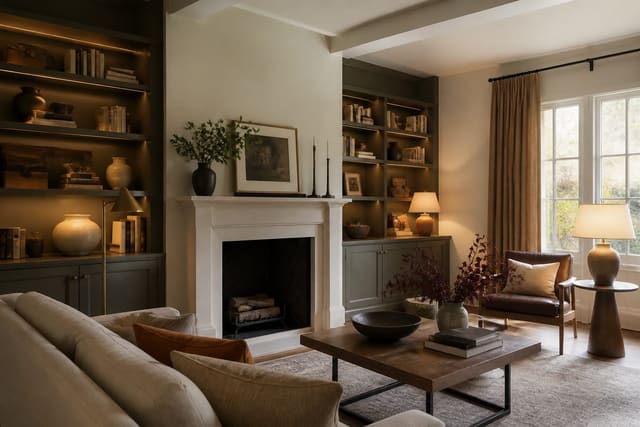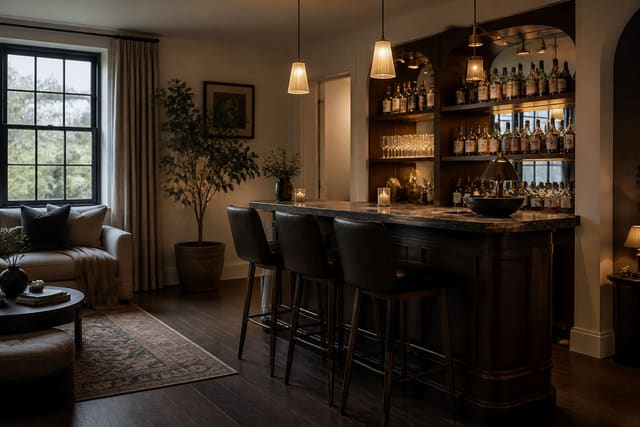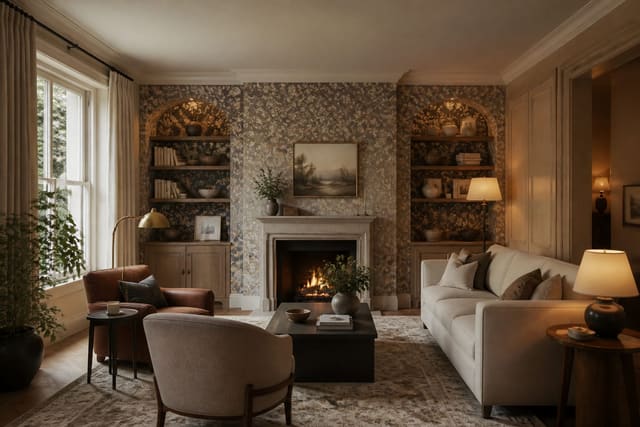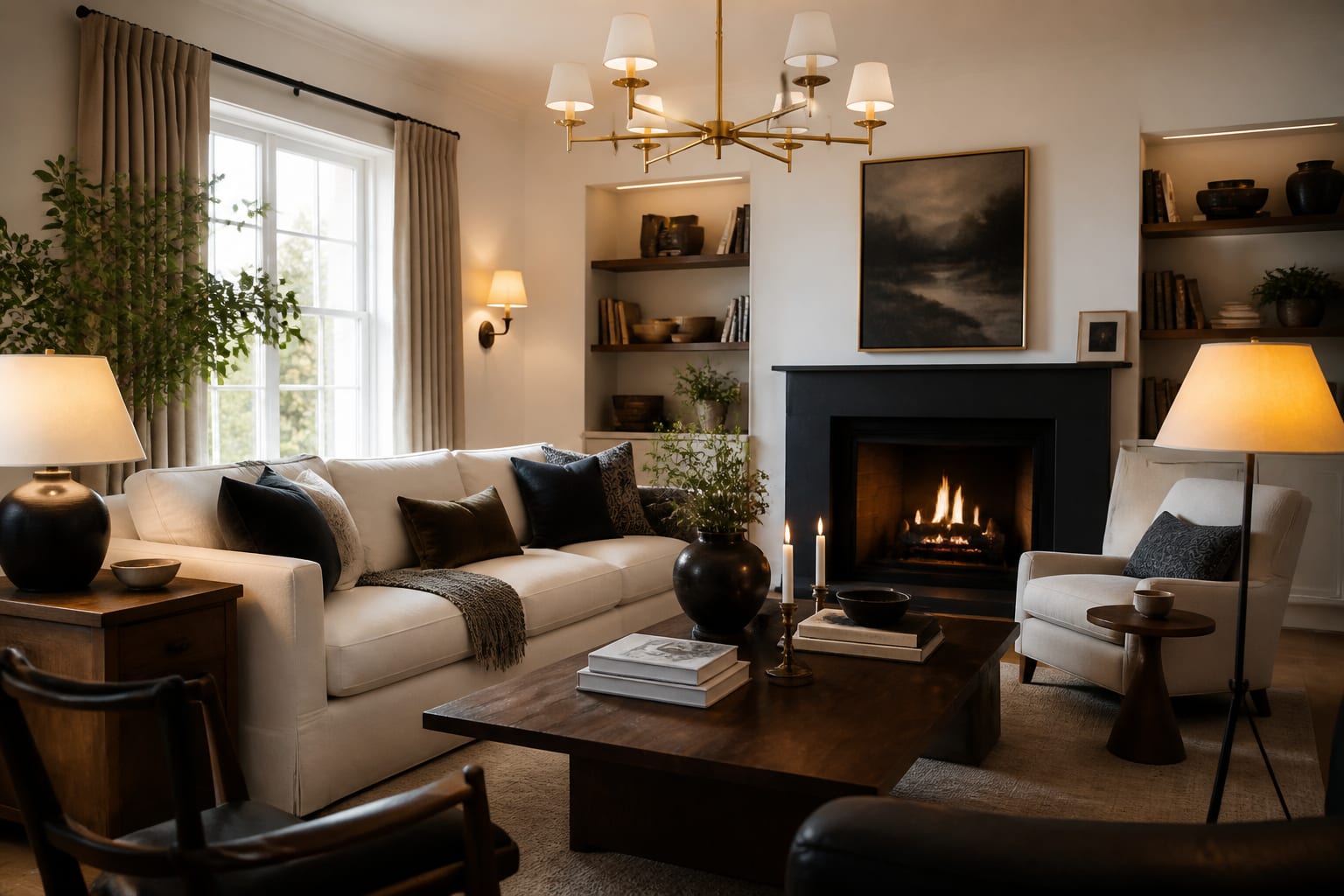
Replacing a light fixture is the most underrated upgrade in home design, and I will argue it beats new paint dollar for dollar. A single builder-grade dome light, the kind that looks like a glowing breast on the ceiling, drags down an otherwise nice room, and swapping it for a real pendant or flush mount costs less than a nice dinner out. Lighting is the one change that touches a space at every hour, so it earns its keep more than almost anything else you can buy. Start at the ceiling and work down.
Why lighting changes a room faster than furniture
Furniture defines how a room functions, but light defines how it feels, and feeling is what you notice the second you walk in. A flat, single-source overhead light flattens everything beneath it, washing out the texture of a sofa and the depth of a wall color you spent a weekend choosing. The fix is rarely more wattage; it is better placement and warmer tone. When you trade one cold fixture for a layered scheme, the same room reads calmer, larger, and more finished, and you have not moved a stick of furniture.
There is also a budget argument that is hard to ignore. A quality flush mount runs $40 to $120, a decent pendant $80 to $250, and a table lamp $30 to $90, which means you can re-light an entire room for less than the cost of a single accent chair. Compare that to repainting, where the paint is cheap but the labor and the weekend are not. Lighting gives you a visible before-and-after in an afternoon, and that fast feedback is what keeps a project moving instead of stalling out.
There is a quieter benefit, too, which is how lighting interacts with everything else you have already bought. A warm fixture flatters a wood floor and brings out the undertone in a paint color, while a cold one drains the life out of both. Renters get the most from this, since a fixture swap is one of the few high-impact changes a lease usually allows, and a $20 set of plug-in sconces leaves no holes in the wall. Even in a home you own, starting with light before you touch furniture or paint often makes the bigger spends unnecessary, because the room you disliked was simply lit badly.
Light fixture upgrade ideas worth copying
These are the swaps I reach for first because they deliver the most visible change with the least drama. None of them require an electrician beyond a basic fixture replacement, and most take under an hour.
- Trade the flush builder dome in an entry or hallway for a small lantern-style pendant; it adds a focal point where there was none.
- Hang a single statement pendant over a kitchen island at 30 to 36 inches above the counter so it lights the work surface without blocking sightlines.
- Add a pair of plug-in sconces beside the bed instead of bulky table lamps to free up the nightstand and frame the headboard.
- Replace a dining chandelier with one roughly two-thirds the table's width, hung 30 to 34 inches above the surface for the right scale.
- Tuck a slim floor lamp into the dead corner behind a reading chair to create a second, softer light source after dark.
- Swap every cool-white bulb in a living space for 2700K warm-white LEDs so the whole room shares one consistent, flattering tone.
Work through a room one fixture at a time. The cumulative effect of three or four small swaps reads as a deliberate redesign even though no single change was expensive or complicated.
How to layer light room by room
Good lighting is layered lighting, and the rule is simple: combine ambient, task, and accent sources so the room can shift with the hour. Ambient light fills the space, usually from the ceiling. Task light does a job, like the pendant over an island or a lamp beside a chair. Accent light adds mood, often a small lamp on a console or a strip behind a shelf. A living room with all three feels designed; a living room with one overhead fixture feels like a rental.
Apply this per room rather than all at once. In a bedroom, that might mean a soft flush mount for ambient, bedside sconces for task, and a low lamp on a dresser for accent. In a kitchen, layer the overhead with under-cabinet strips for the counters and a pendant over the island. Put the ambient layer on a dimmer so one room can serve breakfast at full brightness and wind down at 30% by evening. The goal is options, not maximum lumens, and a room you can dial down is a room you actually want to spend time in.
Think about how each room is used at different hours before you finalize the layers. A home office needs strong task light during the day but benefits from a softer lamp for evening calls, while a living room flips the priority and wants warmth after dark more than brightness at noon. Position the task layer where the activity actually happens, not where the existing junction box sits, since a plug-in lamp or sconce can land light exactly where you read, cook, or work. The rooms that feel professionally designed almost always have at least three switchable sources, and the ones that feel flat almost always have one.
Preview light fixture upgrades in Re-Design
Frequently Asked Questions
Do I need an electrician to swap a light fixture?
For a like-for-like replacement where a junction box already exists, many homeowners handle it themselves after cutting power at the breaker. If you are adding a fixture where none existed, moving the box, or touching aluminum wiring, hire a licensed electrician. The labor for a simple swap usually runs $75 to $150.
What bulb color temperature should I buy?
For living spaces, bedrooms, and dining areas, choose 2700K to 3000K for a warm, relaxing glow. Reserve cooler 3500K to 4000K bulbs for garages, laundry rooms, and task-heavy work areas. Keep every bulb in one room at the same temperature so the light never looks mismatched.
How big should a pendant or chandelier be?
Over a dining table, aim for a fixture about two-thirds the table's width and hang it 30 to 34 inches above the surface. For a room overall, a quick rule is to add the room's dimensions in feet and use that number in inches as a rough fixture diameter. When in doubt, slightly larger reads more intentional. For more pattern and texture ideas behind your new lighting, see our wallpaper ideas guide.