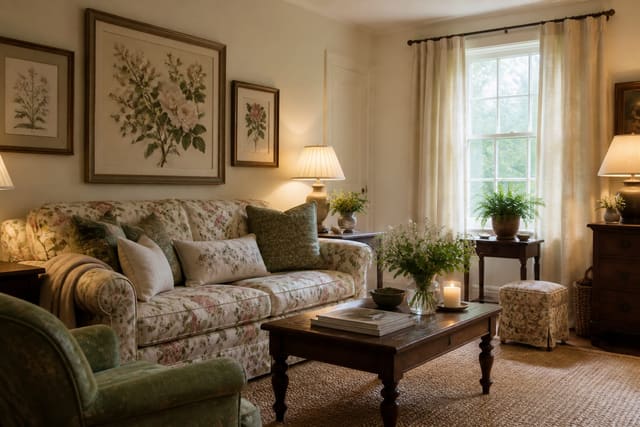
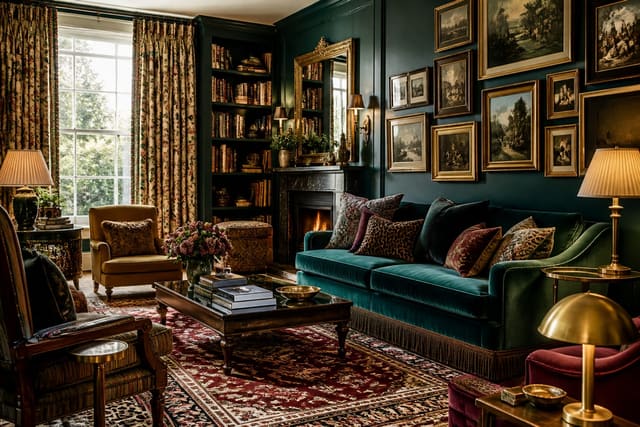
A modern coastal living room comes from warm whites, sun-bleached wood, and woven natural texture, not anchors and rope. Keep the palette quiet, repeat one wood tone, layer linen and jute for depth, and use blue sparingly in muted, sea-glass shades. The result is a calm, current space that feels relaxed rather than themed or dated.
What Colors Work Best in a Modern Coastal Living Room?
Use warm whites, soft greige, and oatmeal on the largest surfaces so the room bounces daylight instead of competing with it. Cool grays and stark builder white read clinical, so save them for hardware or trim. Bring in blue sparingly, favoring muted, dusty tones pulled from sea glass or driftwood over bright navy.
Match undertones carefully: a yellow-based beige next to a gray-based white will make the room look muddy. Test paint and fabric swatches against your actual window light throughout the day before committing. Reserve any stronger contrast for one grounding piece, like a charcoal lamp base, and skip a saturated blue feature wall that would undercut the breezy palette.
See also our guide to Cottagecore Living Room Ideas for more on modern coastal living room ideas.
Which Materials Give Coastal Rooms Their Texture?
Pick one primary wood tone, such as pale white oak or sun-bleached ash, and repeat it on the coffee table, shelving, and a chair frame. A second, darker wood can ground the scheme, but avoid stacking five competing finishes. Add woven texture with a jute rug, a rattan chair, and seagrass baskets, plus stone or ceramic pieces like a travertine side table or hand-thrown vessels.
The formula is contrast in texture, consistency in palette: nubby linen, smooth wood, and coarse jute sit together while colors stay quiet. Skip high-gloss lacquer and chrome, which read urban rather than coastal; choose aged or unlacquered brass instead, since it patinas softly over time. Give each material one job: wood for structure, woven fiber for softness, stone for weight.
For a related angle on modern coastal living room ideas, read Maximalist Living Room Ideas.
How Should Furniture Silhouettes Look?
Choose sofas with clean track arms or relaxed slipcovers over tufted, ornate frames. Low profiles open sightlines to windows and make ceilings feel taller. Float seating slightly off the walls when space allows, and pick coffee and side tables with open bases or slim legs so the floor reads through them.
Edit accessories ruthlessly: a few meaningful objects beat a scattering of small ones. One large framed piece or an oversized mirror outperforms a gallery wall. Tapered wood or simple metal legs lift furniture visually, while skirted bases read heavier, and a modest overall furniture count keeps sightlines open.
How Do Lighting, Plants, and Soft Goods Finish the Look?
Keep window treatments sheer with white or oatmeal linen panels that filter sun without blocking it; skip heavy drapes. For evening, layer table lamps, a floor lamp, and a woven or plaster pendant with soft white bulbs, and add dimmers so you can lower the mood at night.
Bring in a fiddle-leaf fig, olive tree, or trailing pothos in simple terracotta or ceramic pots. Layer a chunky knit throw, linen lumbar pillows, and a flat-weave runner, keeping accent colors to sandy beige, sage, and washed indigo. Style the coffee table with just two books, a small vessel, and one sculptural object, and rotate throws seasonally to keep the room feeling fresh.
- Slipcover the main sofa in washed linen for an easy silhouette.
- Repeat one pale wood tone across coffee table, shelving, and a chair frame.
- Layer a jute rug under a low, glass-top coffee table.
- Hang sheer oatmeal linen panels to filter daylight.
- Group three muted sea-glass cushions instead of a wall of nautical motifs.
- Add a tall olive tree in terracotta for living texture.
- Finish with aged brass accents that patina over time.
Bring the Look Home with Re-Design
Upload a photo of your living room to Re-Design and preview warm whites, pale oak, and breezy linen layered over your existing layout. The tool keeps your windows and proportions while showing how a lighter palette, low-profile seating, and woven texture would read in your room. Test whether sun-bleached wood or a muted sea-glass accent suits your light before committing to any purchase.
Frequently Asked Questions
What colors define a modern coastal living room?
Modern coastal rooms lean on warm whites, soft greige, and oatmeal as the base, with muted blues pulled from sea glass or driftwood used sparingly. Skip stark navy and bright primaries, and let natural wood and woven texture supply most of the visual interest instead of bold color.
How is modern coastal different from traditional nautical decor?
Traditional nautical leans on literal anchors, rope, stripes, and bright blue, while modern coastal treats the beach as a mood. It favors clean, low silhouettes, layered neutrals, and honest materials like oak and jute, keeping any ocean reference restrained to one or two subtle accents.
Do I need a lot of blue for a coastal look?
No, blue is optional and works best in small, muted doses. A modern coastal living room can read fully coastal through warm whites, sun-bleached wood, linen, and jute alone. When you do add blue, choose dusty, washed shades and limit them to cushions or a single piece.