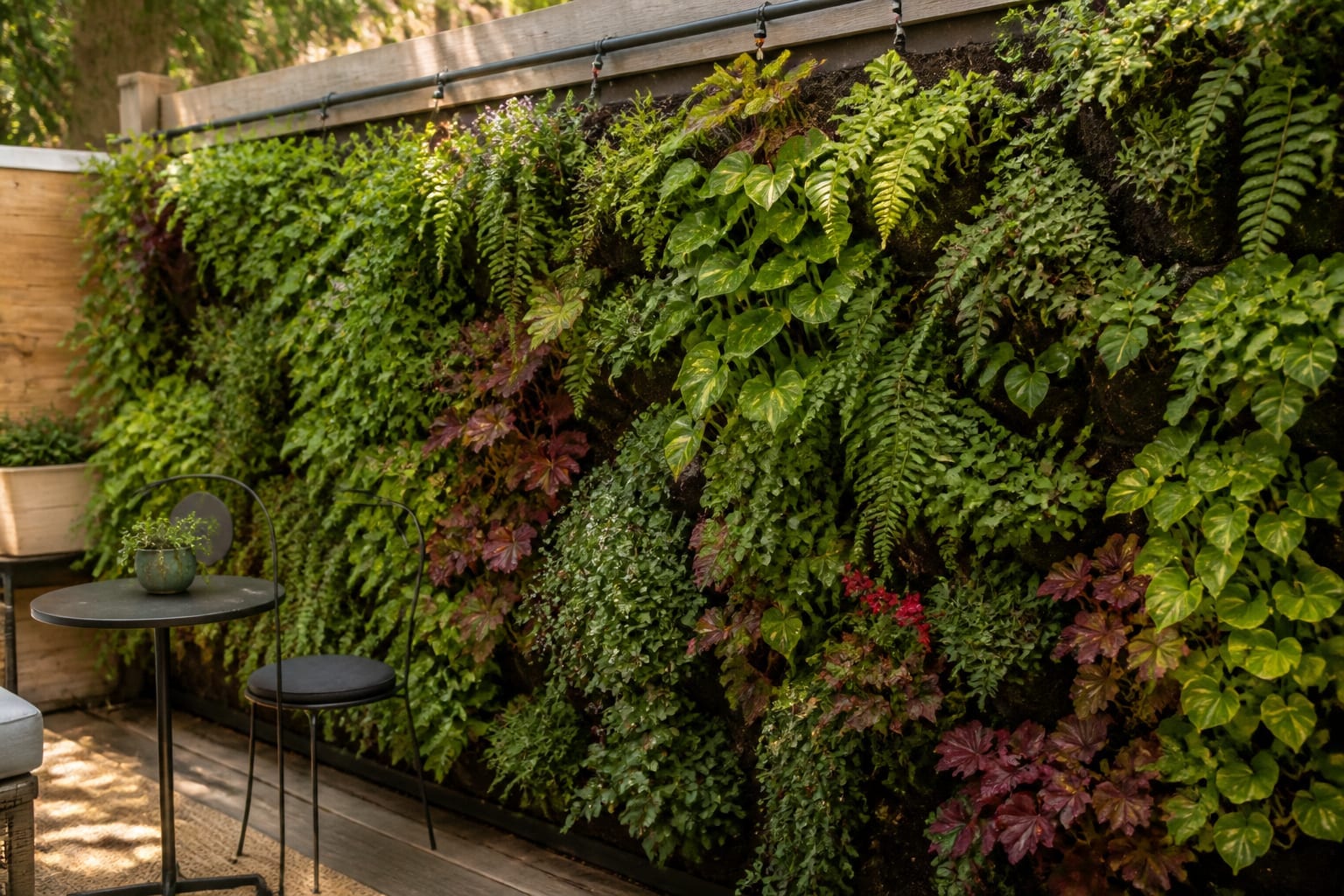
Moss wall design is compelling because it gives a room instant nature, texture, and acoustic softness without asking every surface to become green. For most homes, the practical answer is a preserved moss wall: real moss treated to hold its color and texture without irrigation, soil, or light. Living moss walls can be beautiful, but they behave like plant infrastructure, not wall art, so they belong in projects with the budget and maintenance plan to support them.
Preserved Moss Versus Living Moss
The first decision is whether the wall should be alive. Preserved moss starts as real moss, then is stabilized so it keeps its color and pliable texture indoors. It does not grow. It does not need water. It should not be misted. That makes it ideal behind a sofa, in a stair landing, around a reception desk, or on the solid wall of a home office where a plant-rich feeling would otherwise be hard to maintain.
Living moss walls are different. They need moisture, light, airflow, and a system that keeps roots or growing medium healthy. Some living walls use moss, but many successful green wall systems mix tropical plants, ferns, and small foliage rather than relying on moss alone. A living wall can feel extraordinary, yet it also introduces plumbing risk, humidity demands, and replacement care. If you want one in a home, treat it like a small indoor garden installation and ask how it will be watered, drained, lit, and serviced.
The design mistake is confusing these two categories. A preserved moss panel is closer to a natural textile or dimensional artwork. A living wall is a horticultural system. Both can be biophilic, but they ask very different things from the room.
Where A Moss Wall Looks Most Intentional
Moss walls look strongest when they have a clear boundary. Think of a single panel framed in oak, a full niche lined in green texture, or a rectangular feature behind open shelving. The edge matters because it tells the eye that the moss is part of the architecture. Without that boundary, a small moss accent can look like an afterthought.
In a living room, place the feature where the seating already faces: behind a media console, beside a reading chair, or on the wall that anchors the conversation area. In a home office, a preserved moss wall can soften the camera background while adding a calm, natural note to a screen-heavy room. In an entry, a narrow vertical panel can create the feeling of a garden threshold without blocking circulation.
Avoid wet zones unless the product is rated for them. A powder room can work if ventilation is good and the panel avoids splashes, but a shower wall is the wrong place for preserved moss. Direct west sun is another problem because UV exposure can fade the color. If the room gets intense afternoon light, move the moss to a protected wall and let other plants take the window.
Installation Rules That Keep It Looking Good
Most preserved moss panels mount to a rigid backing such as plywood, MDF, or a manufacturer-supplied panel. For a small DIY piece, construction adhesive and a flat backing can work; let the assembly cure for 24 to 48 hours before hanging it. For a large feature, use mechanical fastening into studs or rated wall anchors rather than relying on adhesive alone.
Scale is the detail that separates custom from crafty. A panel that is too small can disappear on a big wall, while a wall-to-wall installation can overwhelm a room that also has patterned rugs, open shelving, and many plants. Start by matching the feature to a furniture width: a panel as wide as a console, desk, or sofa zone usually feels intentional. Add warm grazing light if the wall needs drama, but keep the fixture far enough away that it does not heat or bleach the moss.
Preserved moss performs best in normal indoor conditions. Keep humidity stable, avoid direct sunlight, and dust lightly with cool air rather than scrubbing. Under stable conditions, many preserved moss products can last for years, sometimes far longer, but that lifespan depends on product quality, UV exposure, humidity swings, and touch.
Bring The Look Home With Re-Design
A moss wall is a bold move, which makes it exactly the kind of idea worth previewing first. Upload a photo to Re-Design and test whether a framed moss panel belongs behind your sofa, beside your desk, or on the single blank wall that needs texture. You can compare preserved moss with a broader plant wall, add oak or black metal framing, and decide whether the room wants one green feature or a quieter mix of plants and natural materials before you buy panels.
Frequently Asked Questions
Are moss walls good for interior design?
Yes, when the system matches the room. Preserved moss walls are especially useful because they bring real natural texture indoors without water, soil, or plant care.
Does preserved moss need light or watering?
No. Preserved moss is no longer growing, so water can damage it and light is not required. Keep it away from direct sun so the color lasts longer.
How long does a preserved moss wall last?
Many products are sold with multi-year lifespans, and some can last much longer under stable indoor conditions. Direct UV, very dry air, high humidity, and frequent touching shorten that life.


