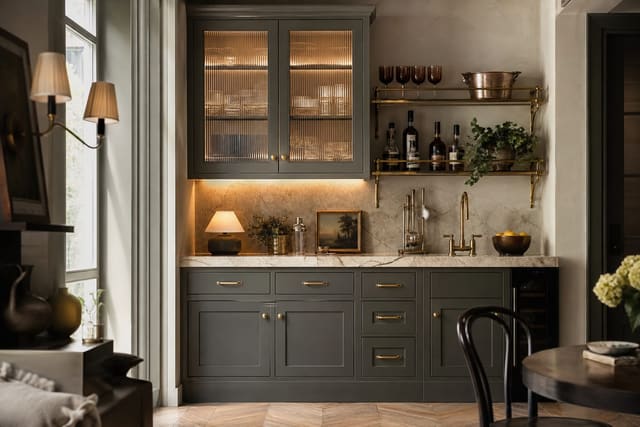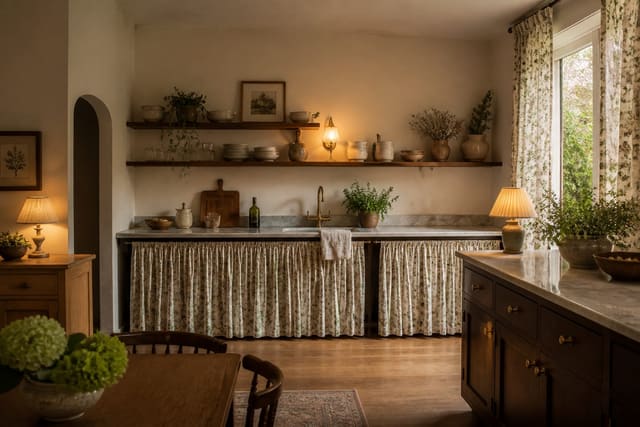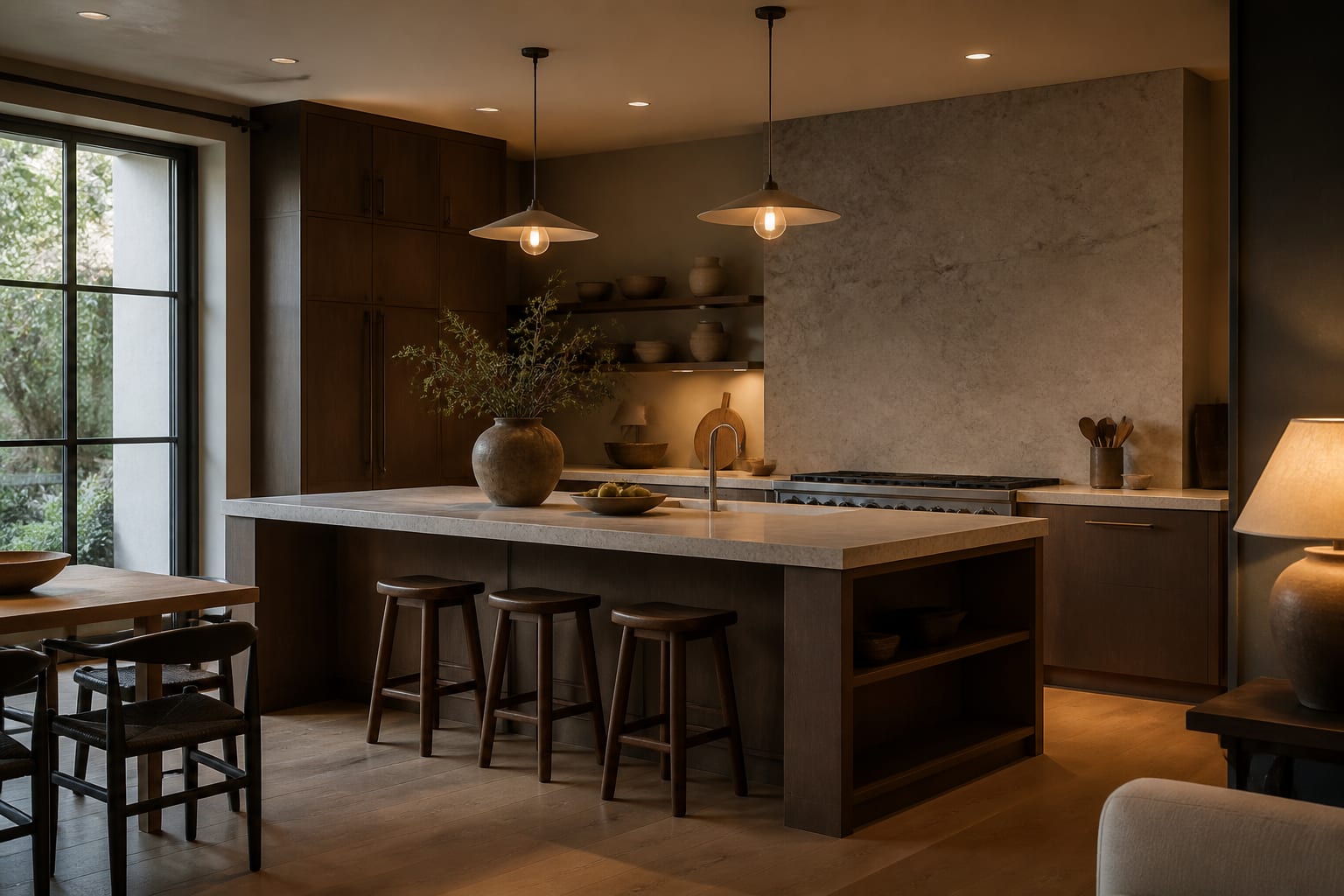
A kitchen full of glossy white cabinets and cold quartz can feel more like a lab than a place to gather, which is the gap organic modern kitchen ideas set out to close. This style keeps the clean, functional bones of modern design but warms them with natural wood, honed stone, curved edges, and an earthy palette. The look is timeless rather than trendy, prioritizing real materials and tactile texture over high shine. Done well, it gives you a kitchen that works hard yet still feels soft, grounded, and genuinely welcoming.
Center the Kitchen on Natural Wood
Wood is the defining material of an organic modern kitchen, so it deserves a starring role rather than a supporting one. Consider timber cabinetry in white oak, walnut, or ash with visible grain, which instantly warms the room in a way painted doors cannot. Even a single run of wood lower cabinets or a wood-fronted island shifts the whole feel from clinical to inviting, and it gives the eye a natural focal point.
Keep the cabinetry clean and simple to honor the modern half of the equation. Flat-front or lightly grooved slab doors, integrated or minimal hardware, and uninterrupted runs let the grain do the talking. A handleless push-to-open lower cabinet looks especially seamless and keeps the lines calm and quiet across the room.
If full wood cabinets feel like too much, blend them with a soft, earthy painted color. Warm greige, sage, mushroom, or clay on the perimeter cabinets paired with a wood island gives you warmth and balance at once. Open shelves in solid timber are another easy way to bring the material in, displaying a few ceramic pieces while reinforcing the natural theme. However you use it, real wood with honest grain is the surest path to the grounded, welcoming character that separates organic modern from a cold contemporary kitchen, and it only improves with a little age and the patina that everyday cooking quietly builds into the surface over time.
See also our guide to Kitchen Home Bar Design for more on organic modern kitchen ideas.
Pair Stone and Earthy Surfaces
Stone is the natural partner to wood, and choosing it well makes the kitchen feel both luxurious and grounded. Favor honed or leathered finishes over high-gloss polish, since a matte surface reads as more organic and hides smudges better day to day. Marble with soft veining, warm-toned quartzite, or travertine all bring natural movement that a flat engineered slab lacks, and that movement is what makes the surface feel alive.
The backsplash is a chance to extend the material story. A full-height slab of the same stone as the counter creates a calm, cohesive surface, while handmade zellige tiles in an earthy tone add gentle texture and subtle color variation. Either choice keeps the eye relaxed rather than busy, which suits the pared-back spirit of the style and avoids a fussy grid of small tiles.
Carry earthy tones into the harder finishes too. Plaster or limewash walls in a warm neutral soften the room and pair beautifully with both wood and stone. Flooring in wide timber planks or warm natural stone grounds the whole space underfoot and ties the lower half of the room together. When the counters, backsplash, walls, and floor all draw from the same natural, muted family, the kitchen feels considered and serene, and the genuine materials give it a richness and longevity that trend-driven finishes rarely deliver across the years of heavy daily wear a working kitchen has to absorb.
For a related angle on organic modern kitchen ideas, read Cottagecore Kitchen Ideas.
Soften the Lines With Curves
Curves are what tip a natural kitchen from merely warm into distinctly organic modern. The island is the easiest place to introduce them, with a rounded or waterfall end, a curved breakfast bar, or a softly radiused corner that invites people to gather without bumping a sharp edge. This single gesture changes how the whole room feels to move through, especially in a busy household.
Architectural openings offer another opportunity. An arched doorway, a curved pass-through to a dining area, or a rounded niche set into a wall introduces gentle geometry that echoes the soft forms found in nature. These arches read as timeless and add character that a plain rectangular opening never would, giving the space a sense of crafted permanence.
Smaller curved details reinforce the theme throughout the room. Choose rounded bar stools, a fluted or curved range hood, arched cabinet fronts, or a circular pendant cluster over the island. Even the hardware and tap can lean toward soft, organic shapes that catch the hand kindly. The goal is not to eliminate every straight line, but to balance the kitchen's necessary geometry with enough curve that the space feels relaxed and human. When clean modern function meets these softened forms, the kitchen achieves the easy, grounded elegance that defines the organic modern approach and makes the room a genuine pleasure to cook in and gather around at the end of the day.
Layer Warm Light, Greenery, and Texture
Lighting brings an organic modern kitchen to life and should feel warm and layered rather than flat and bright. Combine recessed task lighting over work zones with a sculptural pendant or two above the island, choosing warm bulbs that flatter wood and stone. A pendant in rattan, ceramic, or aged brass adds a natural, handcrafted note while it lights the room and softens the overhead glare.
Greenery and natural touches keep the space feeling alive. A potted herb on the counter, a branch in a stoneware vase, or a trailing plant on an open shelf adds living color that suits the nature-led palette. Keep these accents restrained and let the plants feel like a gentle nod to the outdoors rather than a crowded display competing with your work surfaces.
Texture in the finishing layers ties everything together. A woven runner, linen window treatments, handmade ceramic dishware on open shelves, and a wooden cutting board left out all add tactile warmth. Mix matte and lightly tactile surfaces so the room has depth without any high shine bouncing back at you. When warm light, a touch of greenery, and layered natural texture come together over the wood and stone foundation, the kitchen feels complete, inviting, and like the genuine heart of a home rather than a showroom display nobody dares to cook in or truly live with from one busy day to the next.
- Install white oak or walnut cabinetry with visible grain and minimal integrated hardware
- Pair wood perimeter cabinets with a clay or sage painted island for warmth and balance
- Choose honed or leathered stone counters with soft veining over high-gloss polished slabs
- Run a full-height stone or handmade zellige backsplash for cohesive, textured calm
- Add a curved or waterfall island end so people can gather without sharp corners
- Introduce an arched doorway or rounded niche to echo soft, organic geometry
- Hang sculptural rattan or ceramic pendants over the island with warm-toned bulbs
- Style open timber shelves with handmade ceramics and a potted herb for living texture
Bring the look home with Re-Design
Kitchen finishes are expensive to get wrong, so previewing helps before any order goes in. With Re-Design you can upload a photo of your kitchen and instantly test an organic modern direction, swapping in oak cabinetry, honed stone counters, and a curved island against your actual layout. Seeing the wood tone and stone veining in your own light lets you commit to combinations that truly work instead of gambling on samples.
Frequently Asked Questions
What defines an organic modern kitchen?
It keeps modern design's clean, functional layout but warms it with natural wood, honed stone, curved forms, and an earthy palette. The emphasis sits on real, tactile materials and soft shapes rather than the glossy finishes and cool colors of a strictly contemporary kitchen.
Do I need all-wood cabinets for this look?
No. A single run of wood cabinets or a wood-fronted island is often enough. Many organic modern kitchens blend timber with soft painted tones like sage, greige, or clay, which gives you the warmth of wood while keeping the scheme balanced and practical.
How do I add curves without a full renovation?
Start small with rounded bar stools, a circular pendant cluster, arched cabinet fronts, or a softly radiused island corner. Curved accessories and a fluted range hood introduce organic geometry without structural work, letting you soften the room's lines on almost any budget.