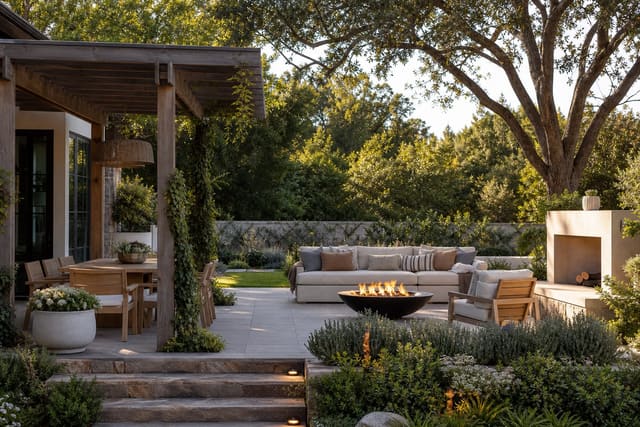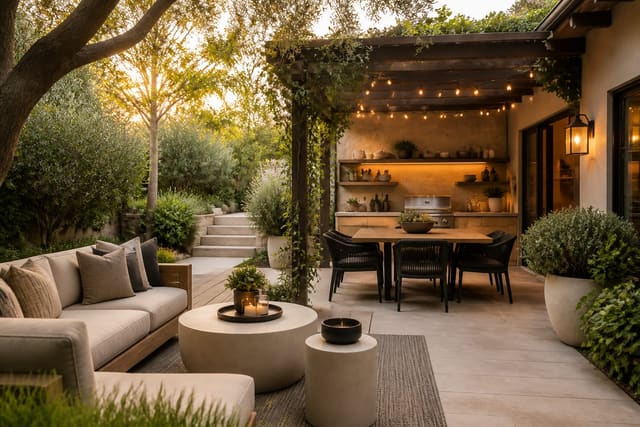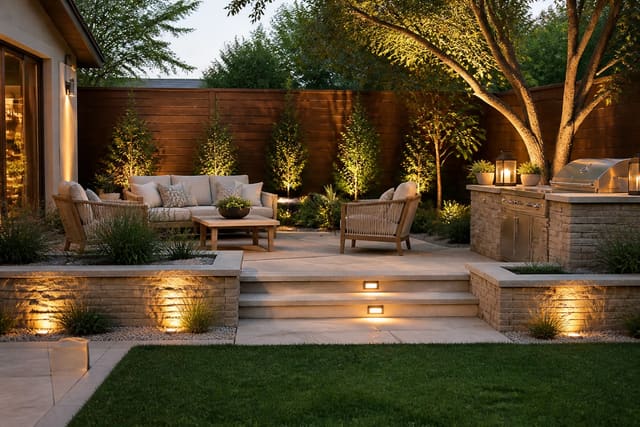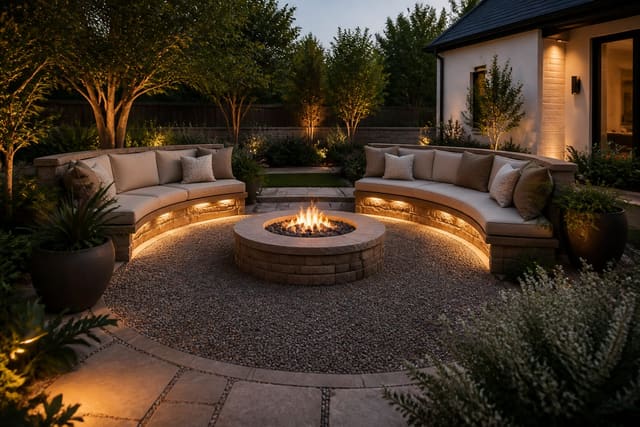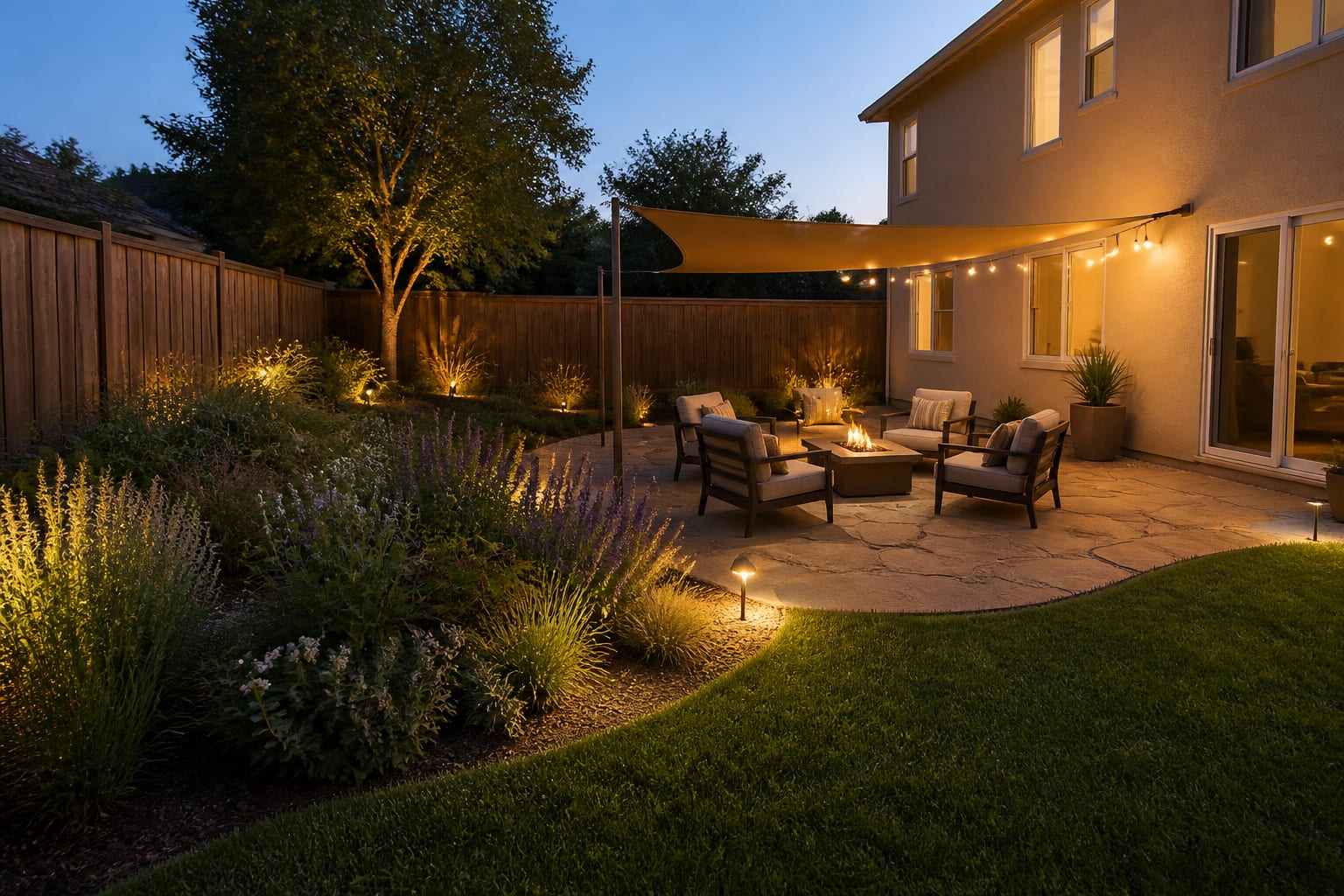
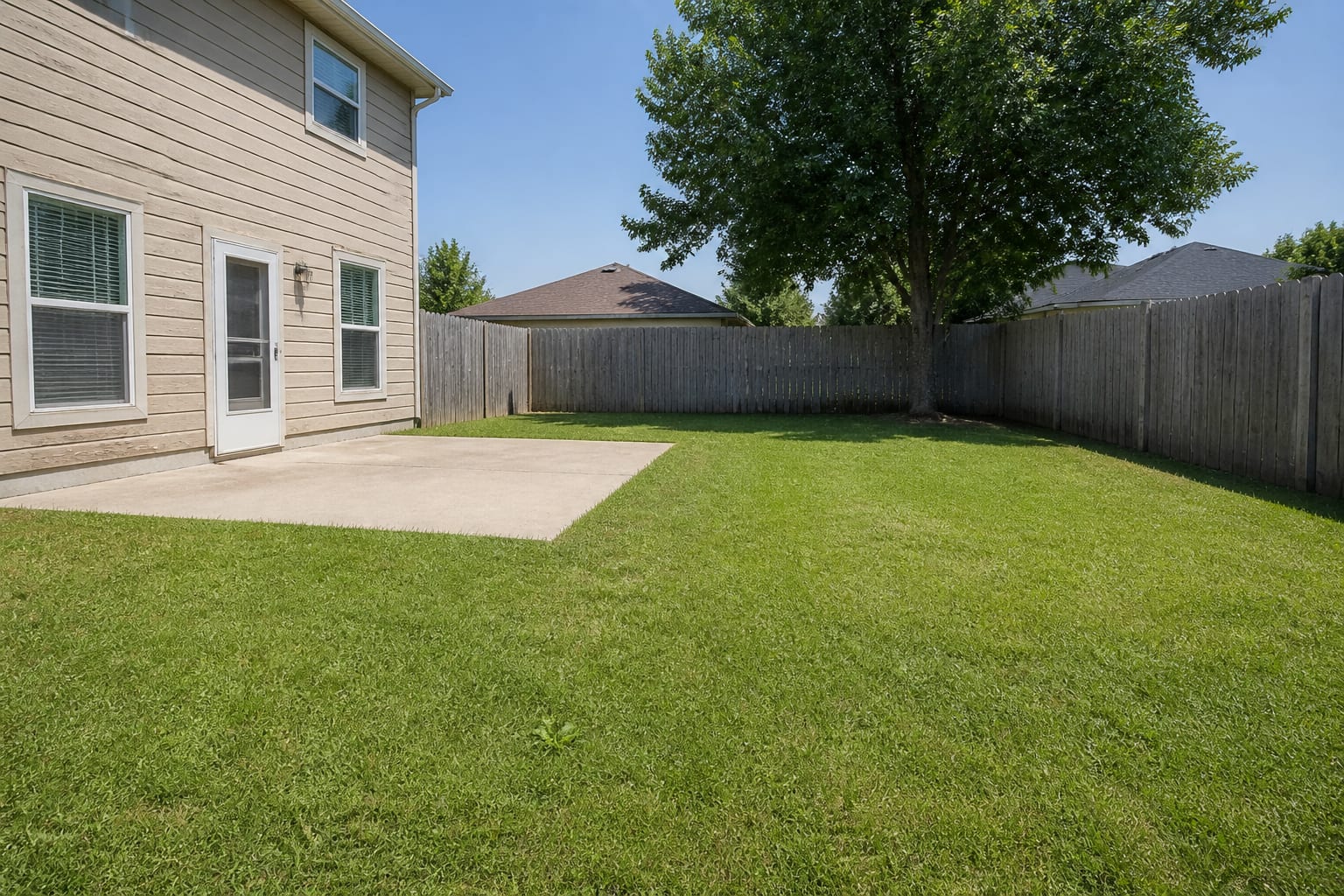
The 2026 backyard is loosening up. The dominant move this year is away from the manicured, chemical-green lawn and toward gardens that look a little wild on purpose: native plants, layered textures, and hardscape that frames nature instead of paving over it. The other big shift is treating the yard as a genuine outdoor room you use in three seasons, not a patch you mow on Sundays. If you are planning a project, design for how you will actually sit, eat, and gather outside.
What is changing outside in 2026
The biggest force is a rethink of the lawn. Water costs, climate pressure, and plain boredom with mowing are pushing homeowners toward planting that does more with less input. The 2026 garden mixes ornamental grasses, native perennials, and drought-tolerant shrubs into drifts that move in the wind and feed pollinators, rather than a flat green carpet that demands weekly maintenance and chemicals. The aesthetic reads as relaxed abundance, not neglect, because it is still composed in layers and repeated groupings.
At the same time, the hard surfaces are warming up. Uniform gray poured concrete is giving way to gravel courtyards, irregular flagstone, and reclaimed brick laid in patterns that feel collected over time. These materials drain better, run cooler underfoot, and patch more gracefully than a single concrete slab that cracks across its whole face. The yard starts to feel like an extension of the home's interior materials rather than a parking pad behind it.
The third driver is time spent outside. People who got used to working, eating, and relaxing in their yards now want those activities supported properly. That means shade structures, a real cooking zone, comfortable seating you would keep indoors, and lighting that works after sunset. The backyard is being designed with the same intent as a living room, which is why the strongest 2026 yards feel composed rather than assembled from big-box clearance furniture.
The fire feature sits at the center of this thinking, because it is the single element that pulls people outside on a cool evening and gives a seating arrangement a reason to face inward. Picking the right one matters: a portable gas table suits a small deck, a built-in pit with a 14-inch seat wall anchors a larger gravel courtyard, and a wood-burning bowl trades convenience for crackle and smell. A focused walkthrough of ai fire pit design helps you weigh size, fuel, and clearances before you pour a footing you cannot move.
The outdoor trends worth copying in 2026
- Replace part of the lawn with a planted bed of ornamental grasses, native perennials, and a few evergreen shrubs for winter structure.
- Anchor a seating area with a fire feature, either a gas fire table for instant use or a built-in pit framed by a low seat wall.
- Zone the yard into clear rooms: a dining area near the kitchen, a lounge around the fire, and a quieter garden corner.
- Choose warm hardscape such as gravel, flagstone, or reclaimed brick over a single expanse of gray concrete.
- Add a pergola or sail shade so the space is usable in midday heat and feels enclosed like a room.
- Layer low-voltage 2700K lighting: path lights, uplighting on a key tree, and a warm glow on the seating zone.
- Bring in container plantings and a few weather-tough textiles so the patio reads furnished, not bare.
You do not need to redo the whole yard at once. Carving out one zone, adding a fire table, and planting a single generous bed will shift the space toward 2026 in a weekend or two. For larger projects, settle drainage and the hardscape layout before planting, since moving stone later is far costlier than moving plants.
Scale is where most backyard projects go wrong. A seating zone needs roughly 12 by 12 feet to hold a sofa, chairs, and a fire feature without feeling cramped, and a dining area wants about 10 by 10 feet so chairs can pull out behind a table. Undersizing these zones to save on paving is the most common regret, because the furniture ends up jammed against the edges. Map the footprint with stakes and string before you commit, and you will avoid the most expensive outdoor mistake of all.
How outdoor living is blurring the indoor line
The deeper story in 2026 is that the wall between inside and outside is thinning. Wide sliding or folding doors, matching floor materials that carry from the kitchen to the patio, and outdoor furniture upholstered to indoor standards all push the yard to behave like another room. The most-requested feature is a covered outdoor kitchen with a grill, counter space, and often a small refrigerator, so cooking does not exile the host from the party.
Durability is what separates a yard that stays nice from one that fades by August. Powder-coated aluminum and teak frames, solution-dyed acrylic fabrics, and porcelain pavers rated for outdoor use all shrug off sun and rain in a way that cheaper sets cannot. Planning for this from the start, including where power and water runs go, is exactly the kind of decision covered in the broader outdoor living trends 2026, and getting it right early saves expensive retrofits.
The planting side of the blur matters just as much. Bringing the garden right up to the seating, with raised beds or pots of herbs and grasses framing the patio, dissolves the hard line between paving and lawn that made older yards feel like two separate zones stapled together. Evergreen structure carries the look through winter, while a few seasonal bloomers keep it from reading static. The result is a yard that looks intentional in February and lush in July, instead of one that only works for the three months around the cookout.
Preview your 2026 backyard in Re-Design
Visualizing the result also makes budgeting realistic, because outdoor projects sprawl in cost the moment hardscape and built features enter the plan. A clear-eyed backyard landscaping cost breakdown helps you sequence the spend so the structural pieces happen first and the plants and furniture follow within budget.
Frequently Asked Questions
What is the biggest outdoor trend for 2026? Naturalistic, low-water planting paired with livable, zoned outdoor rooms is the headline. The perfectly manicured chemical lawn is the look most clearly fading as people prioritize biodiversity, lower maintenance, and usable space.
Are fire pits still popular in 2026? Yes, and more so as year-round anchors rather than summer novelties. Gas fire tables are rising fastest because they light instantly and suit smaller patios, while built-in pits with seat walls remain popular for larger yards.
Is concrete patio out of style for 2026? Large expanses of plain gray concrete are losing favor to warmer, more textured surfaces like gravel, flagstone, and reclaimed brick. Concrete still works when broken up with planting joints or paired with warmer materials.