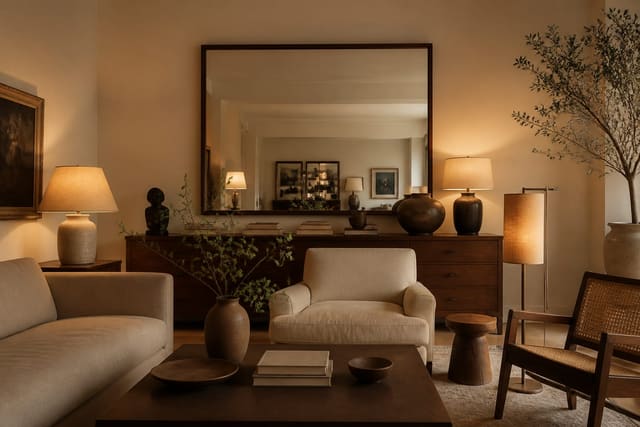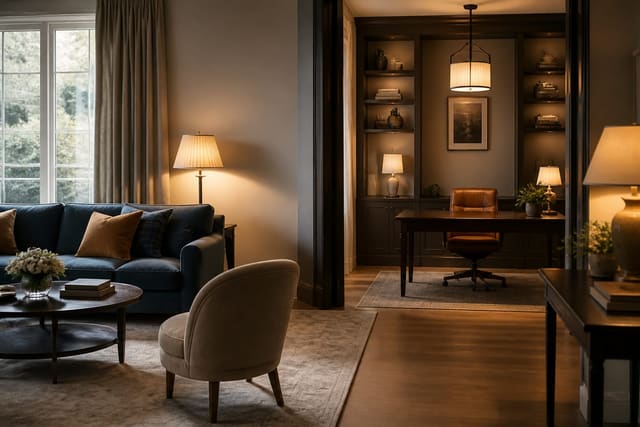
Paint is the only renovation that returns more than it costs, and I will argue that most rooms people want to gut actually just need a smarter color and a clean coat. For roughly $250 to $400 in materials, you can change the entire mood of a 12-by-14 space in a single weekend, no contractor required. The trick is knowing which surfaces to paint and which colors hold up under your specific light. Done right, a paint-only makeover beats a furniture splurge every time.
Why paint beats almost every other upgrade
No other change touches as much visible surface area for as little money. A gallon of solid mid-grade interior paint covers roughly 350 to 400 square feet and costs $35 to $55, which means the walls of an average bedroom take about two gallons. Compare that to new flooring at $6 to $12 per square foot installed, or a furniture refresh that quietly climbs past $2,000, and the math is not close. Paint also forgives mistakes: if you hate the color, you repaint, and you are out a weekend instead of a paycheck. That low risk is exactly why I push people toward paint before any other change when money is tight.
The psychological return is just as real. A dim north-facing room reads cold and small in builder-grade flat white, but a warm greige with a hint of yellow undertone makes the same space feel deliberate. If your room fights you on light, the fix is often pigment, not lumens, and our AI dark room solutions walk through which tones bounce the most usable light. Start there before you assume you need to knock down a wall or add windows. The cheapest fix usually wins, and paint is almost always the cheapest fix.
There is also a payback nobody talks about: a clean, current paint job photographs well, which matters whether you are selling, renting, or just tired of how a room looks on a gray Tuesday. Real estate agents routinely list interior paint as one of the highest return-on-investment projects before a sale, often recouping more than its cost. You will not get that from a $2,000 sectional that the next owner hauls to the curb.
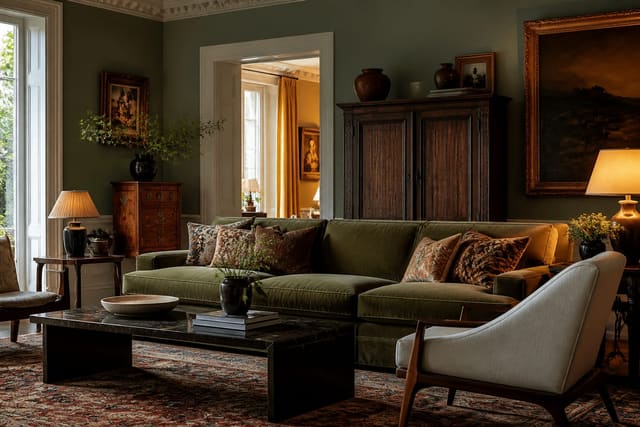
I will go a step further and say color is the single most underused free tool in design. A $45 gallon of the right deep green can make a builder-grade box feel like a library, while the wrong off-white makes a beautiful room feel like a clinic. The pigment costs the same either way, so the only thing standing between you and a better room is the decision, not the budget. That is why I treat color choice as the real project and the rolling as the easy part.
A paint-only makeover plan that works
The sequence matters as much as the color. Work top to bottom so drips fall onto unfinished surfaces, and never skip the prep that nobody photographs. Here is the order I use on every room:
- Patch nail holes and dents with lightweight spackle, then sand smooth once dry, usually 30 to 45 minutes total for a standard bedroom.
- Wipe walls with a damp microfiber cloth and let them dry; dust ruins adhesion and shows through the topcoat.
- Cut in the ceiling line and corners with a 2.5-inch angled brush before rolling the broad fields.
- Roll two thin coats rather than one thick coat, waiting at least 2 hours between them.
- Paint trim and doors last in a semi-gloss so they wipe clean and read crisp against the matte walls.
That order saves you time and rework. Most people rush the patch-and-sand step because it is boring, then spend the rest of the day staring at dimples that catch the light. A standard 12-by-14 bedroom with one closet realistically takes a focused person about six to eight hours spread over two days, with the second coat going on after the first has cured for at least two hours.
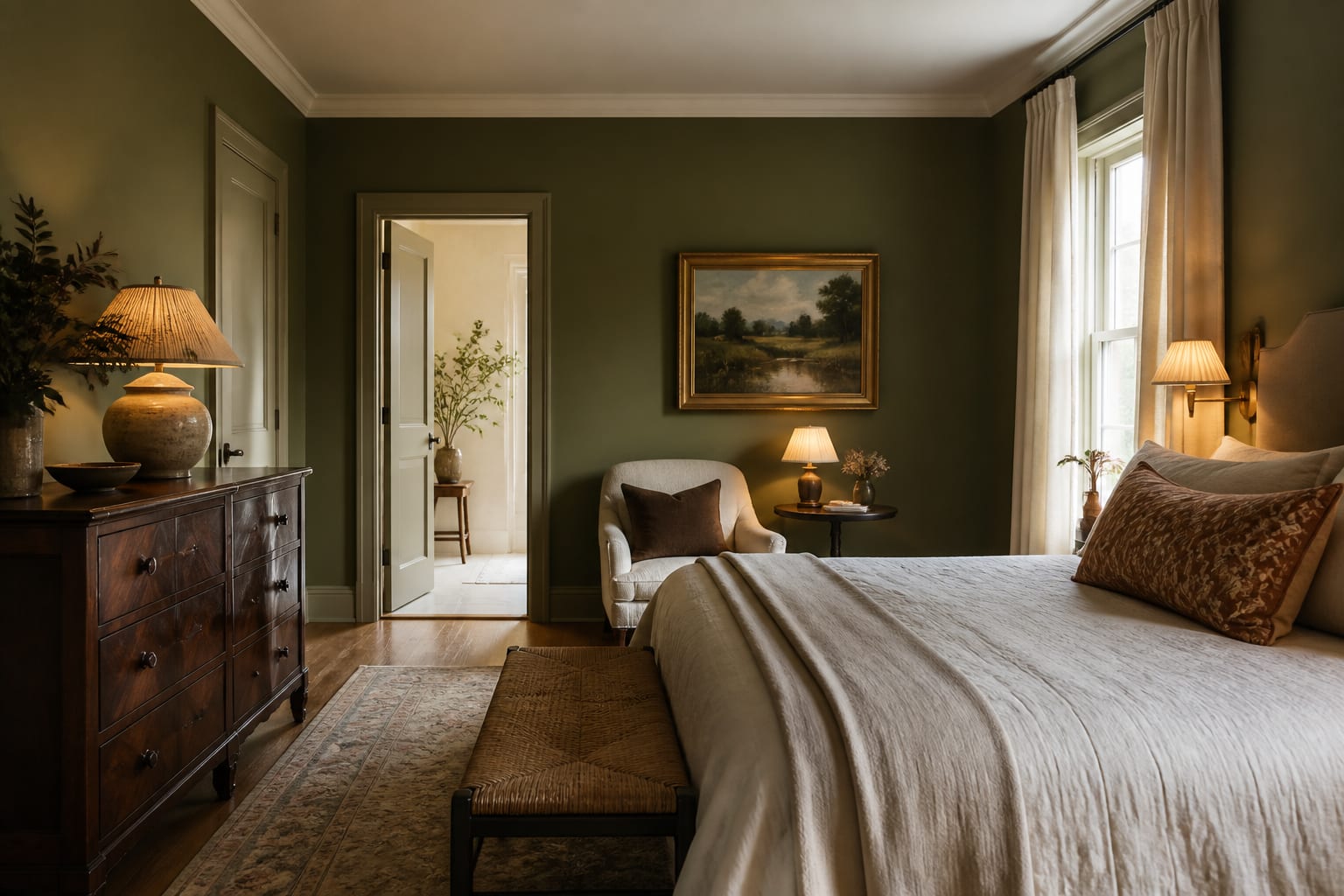
If you want a layered, collected look instead of one flat color, you can mix finishes and even eras within a single palette. Pairing a moody wall color with lighter trim borrows from techniques in our guide on how to mix design styles, which keeps a bold paint choice from feeling like a mistake. The goal is contrast with intention, not chaos. A deep charcoal accent wall behind a bed, with the other three walls in a soft warm white, costs the same as painting all four one color but reads far more designed.
Common mistakes to avoid
The biggest error is choosing a color from a 1-inch chip under store fluorescents. Paint shifts dramatically with your room's light and your existing floors, so buy sample pots, paint a 2-foot square on two different walls, and live with it for 48 hours before buying gallons. A color that looked like soft sage at the store can turn pond-scum green by 4 p.m. Undertones are the silent killer here, and they only reveal themselves at scale and across the day.
The second mistake is painting walls only and leaving yellowed builder trim and a dingy ceiling. The contrast exposes the old surfaces and makes the fresh walls look unfinished. A flat ceiling white and crisp trim cost maybe one extra gallon and two more hours, and they are the difference between a repaint and a real makeover. People skip the ceiling because it is awkward to roll overhead, but a freshly white ceiling is what makes wall color look intentional rather than accidental.
Finally, do not cheap out on tape and a decent roller; $25 of better tools saves you an hour of cutting in and a wall full of jagged edges. Bargain blue tape bleeds, and a fuzzy dollar-store roller leaves stipple you will see every time the sun rakes across the wall. Buy quality painter's tape and a 3/8-inch nap microfiber roller cover, and your lines come out crisp enough that nobody asks whether you hired someone.
Preview your paint-only makeover in Re-Design
Frequently Asked Questions
How much does a paint-only room makeover cost? Materials for a standard 168 sq ft bedroom run about $250 to $400, covering two gallons of wall paint, a gallon each of ceiling and trim paint, plus brushes, tape, and rollers. If you hire a painter instead, expect $400 to $900 in labor for the same room. Doing it yourself is where the dollar-for-dollar value really shows.
Do I really need two coats of paint? Yes, in almost every case. One coat of even premium paint usually leaves a faint shadow of the old color, and the sheen looks uneven under raking light. Two thin coats give you consistent color and a finish that resists scuffs for years longer.
What paint finish is best for walls? Eggshell or satin is the sweet spot for most rooms because it wipes clean without the plastic shine of semi-gloss. Save flat for ceilings and low-traffic adult bedrooms, and reserve semi-gloss for trim, doors, and bathrooms where moisture is a factor.