Most plant shelves fail for the same reason: people choose the shelf first and figure out the plants later. That is backwards. A shelf packed with plants that need bright light but sits four feet from a north window will look great for a month and then slowly decline into a row of sad, leggy stems. The better approach is to read the light in the spot first, pick plants that genuinely want that light, and only then style them into an arrangement. Done in that order, a plant shelf becomes a living feature wall that fills out over time instead of a graveyard you keep replanting.
Read the light before you buy a single plant
Light is the one variable that decides whether a plant shelf thrives or sulks, so measure it honestly before anything else. South-facing windows give the strongest light, east and west give good morning or afternoon sun, and north-facing windows give the gentlest light of all. Crucially, light falls off fast as you move into the room; a spot three feet from the glass can carry less than a quarter of the light at the sill, even though your eyes barely register the difference.
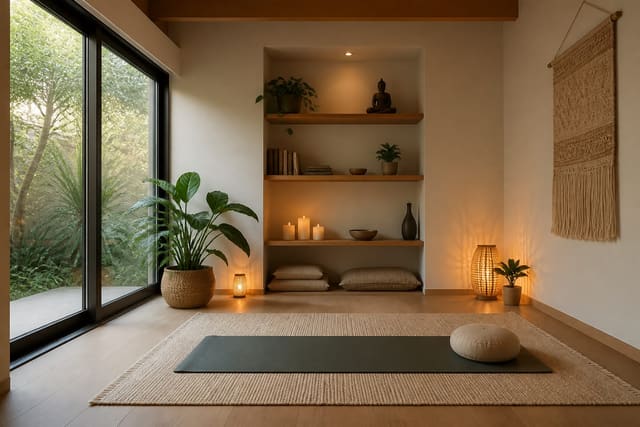
Match plants to what the spot actually offers. For a bright shelf within a few feet of a sunny window, think of light-hungry plants like string of pearls, hoyas, and most succulents. For a shelf in moderate, indirect light, pothos, philodendron, and snake plants are forgiving workhorses. For a genuinely dim corner, lean on tolerant species like ZZ plants and cast iron plants, and accept that flowering or high-color plants will not be happy there. The calming, green-forward feeling a full plant shelf creates is the same effect people chase in a dedicated meditation or yoga space, where living plants soften hard surfaces and make the room feel restorative.
Choose shelves and pots that survive watering
A plant shelf takes more abuse than a book shelf, because every watering is a chance for moisture to find the wood. Plan for it. If you are using real timber floating shelves, seal them with a few coats of polyurethane or a hardwearing oil so the occasional drip beads up instead of soaking in and leaving rings. Better still, stand each plant in a cache pot or on a saucer so excess water never touches the shelf at all. For heavier arrangements, check the bracket rating; a 24-inch shelf loaded with damp-soil pots can easily carry 30 to 40 pounds, which cheap brackets are not rated for.
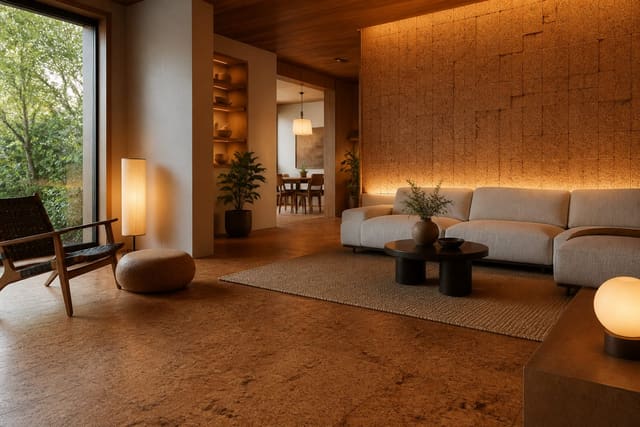
The pots themselves are part of the look and the function. Terracotta breathes and wicks moisture, which suits succulents and anything that hates wet feet, while glazed ceramic holds water longer for thirstier tropicals. Natural, textural materials sit beautifully alongside greenery, which is why so many plant displays lean on woven baskets, cork accents, and raw wood rather than glossy plastic. Keep the pot palette loosely coordinated, two or three repeating colors or materials, so the eye reads the shelf as a collection rather than a jumble.
Plant shelf ideas that look styled, not crowded
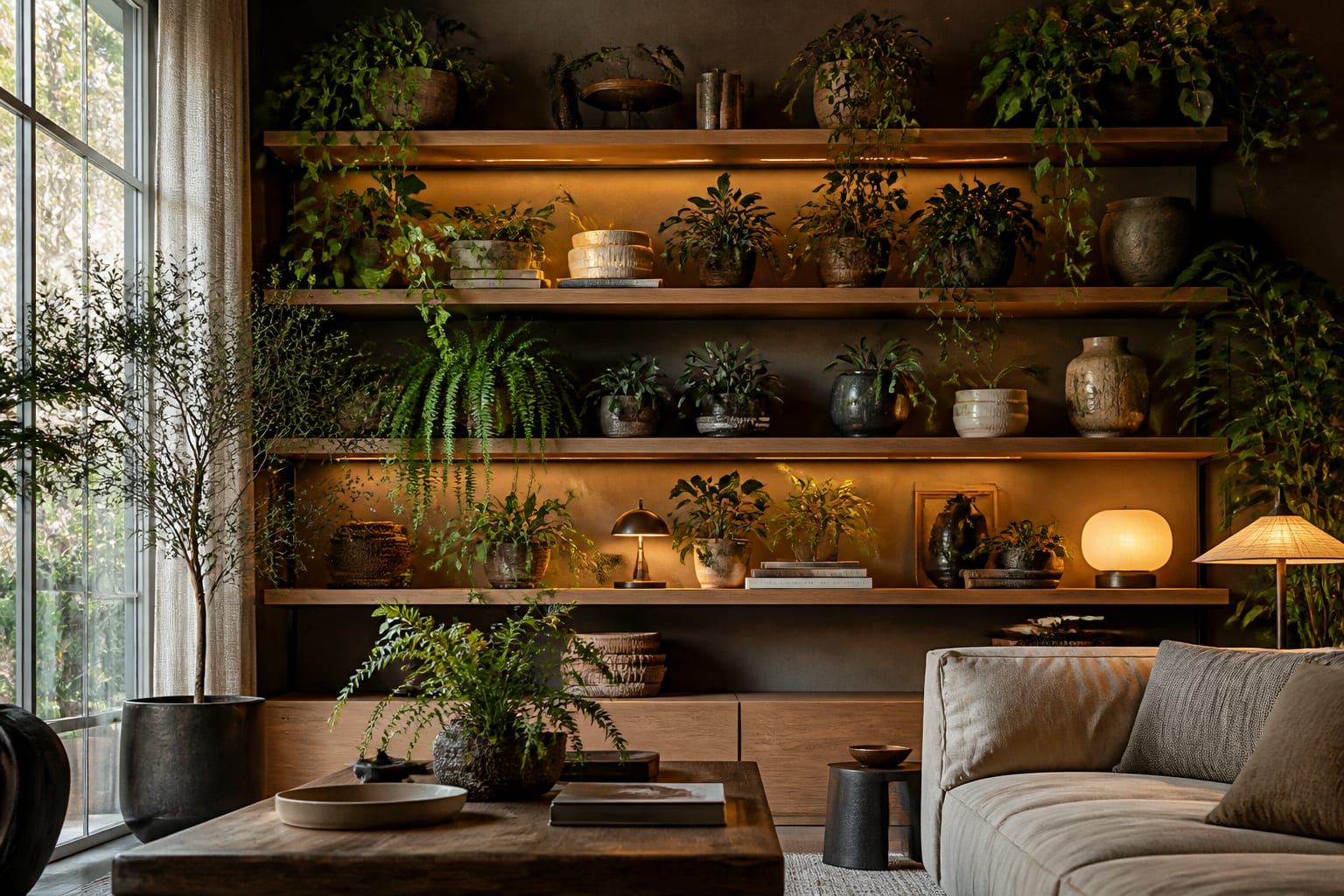
Once the light and materials are sorted, arrangement is where a shelf goes from a row of pots to a feature. Try these: - Run trailing plants like pothos or string of hearts on the highest shelf so the vines cascade down and visually tie the levels together. - Vary pot heights within a shelf using small plant stands or stacked books so the eyeline rises and falls instead of marching flat. - Mix leaf shapes deliberately: pair a spiky snake plant against a round-leafed pilea and a feathery fern so textures play off each other. - Use the rule of odd-numbered groupings, clustering three or five pots together rather than even, evenly spaced rows. - Anchor each shelf with one larger statement plant, then fill around it with smaller supporting pots so there is a clear focal point. - Tuck in a couple of pots with colored or variegated foliage to break up a wall of plain green and add depth. - Leave deliberate gaps; an empty stretch of shelf gives the plants room to grow into and keeps the display from looking stuffed.
Space them out and plan for growth
The most common mistake on a finished plant shelf is cramming it full on day one. Plants grow, and a shelf that looks perfectly balanced when everything is small becomes a tangled, light-starved mess six months later. Leave 4 to 6 inches of clear air between mature plants so leaves are not constantly touching, shading one another, or trapping humidity that invites pests and rot. Good airflow around foliage is one of the simplest defenses against fungus gnats and spider mites.
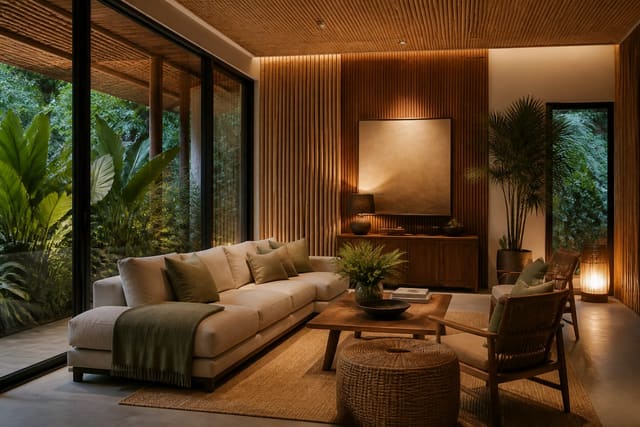
Think in terms of how each plant will fill its space. A pothos planted small will send vines two or three feet down within a year, so give it the top shelf and clear runway below. A snake plant grows mostly upward and stays tidy, making it a good vertical anchor at the end of a row. Rotate each pot a quarter turn every couple of weeks so plants grow evenly toward the light rather than leaning hard in one direction. The same warm, organic, natural-materials sensibility that makes bamboo and natural finishes feel grounding works on a plant shelf too: real wood, woven texture, and living green reading together as one calm, considered display.
Preview your plant wall in Re-Design before you drill
A wall of greenery is one of those ideas that is easy to picture badly and hard to picture accurately, especially when you are deciding how many shelves to hang and where. Instead of guessing, upload a photo of the wall into Re-Design and preview a plant shelf arrangement against your real window, paint color, and furniture. You can test floating shelves versus a ladder shelf, see how a cascade of trailing plants reads next to the sofa, and judge the spacing before you put a single hole in the plaster. Seeing the finished green wall rendered in your own room makes it obvious how many shelves you actually need and where the light will keep the plants happiest.
Frequently Asked Questions
How do you arrange multiple plants on a shelf?
Start by grouping in odd numbers and varying height, so the eyeline moves up and down rather than sitting flat. Place trailing plants on the highest shelves to cascade down, anchor each level with one larger statement plant, and mix leaf shapes and a little variegated foliage for contrast. Leave deliberate gaps so the arrangement looks styled and has room to grow into rather than crammed.
How much space should be between plants on a shelf?
Leave roughly 4 to 6 inches of clear air between mature plants. That spacing keeps leaves from touching, shading each other, or trapping humidity, and the airflow it allows is one of the best defenses against fungus gnats and spider mites. Remember that small nursery plants grow, so plan the gaps around each plant's eventual size, not its starting size.
What plants are best for a low-light shelf?
For a genuinely dim shelf, choose tolerant species like ZZ plants, snake plants, pothos, and cast iron plants, which cope with low, indirect light. Avoid succulents, flowering plants, and high-color variegated types, which need bright light to stay compact and vivid. Even tolerant plants prefer to be within a few feet of a window, since light drops off sharply as you move into the room.
How do you protect a wooden shelf from plant watering?
Seal real timber shelves with polyurethane or a hardwearing oil so drips bead up instead of soaking in, and stand each plant in a cache pot or on a saucer so excess water never reaches the wood. For heavier, damp-soil arrangements, confirm the bracket rating, since a loaded 24-inch shelf can carry 30 to 40 pounds, more than budget brackets are designed to hold.