Shiplap became a farmhouse cliche for a reason: those clean horizontal lines and shadowed gaps add texture and architecture to a flat wall for relatively little money. But the look has grown far beyond plain white planks running sideways. Turning the boards vertical stretches a room taller, wrapping a ceiling adds a cabin-like warmth, and painting the planks a moody color drags shiplap firmly into the present. The details that make or break it are board width, the consistent nickel-gap spacing between planks, and a paint choice that suits your style. These ideas show where and how to use shiplap so it reads fresh rather than tired.
Should shiplap run horizontal or vertical?
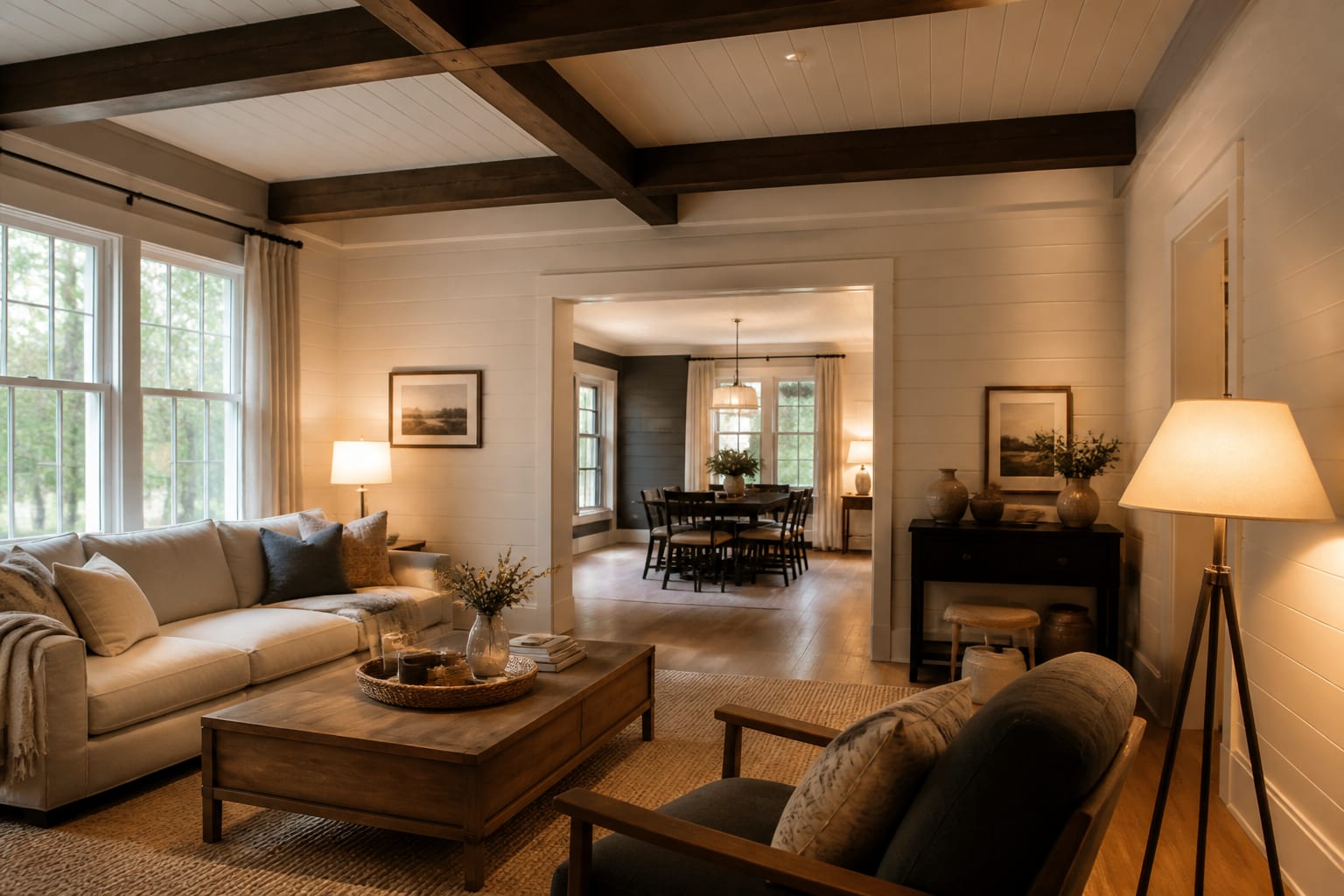
Orientation quietly controls how shiplap changes a room's proportions. Horizontal boards, the most familiar arrangement, pull the eye sideways and make a wall feel wider, which suits a long accent wall behind a bed or sofa. The repeating horizontal lines also reinforce a relaxed, coastal or farmhouse mood.
Vertical shiplap does the opposite, drawing the eye upward to make a room feel taller, a useful trick in spaces with low 8 foot ceilings. Vertical planks also read as slightly more modern and formal, working well in entryways, powder rooms, and behind a vanity. A third option, diagonal or chevron shiplap, makes a bold graphic statement on a feature wall but demands precise cuts and more material. Whatever the direction, keep the planks running consistently across the wall and align the gaps, since mixing orientations on a single surface usually looks busy and undermines the clean effect shiplap is prized for.
See also our guide to Modern Farmhouse Color Palette for more on shiplap ideas.
What board width and gap should you use?
The proportions of the planks themselves shape how refined the wall looks. Standard shiplap boards typically run 5.5 to 7.25 inches wide once installed, a range that reads balanced in most rooms. Narrower 3 to 4 inch boards create a busier, more detailed texture that suits small accent areas, while wider planks feel calmer and more contemporary on large walls.
The signature shiplap detail is the nickel gap, a consistent reveal between boards roughly the thickness of a US nickel, about an eighth of an inch. This even shadow line is what distinguishes true shiplap from tongue-and-groove or flat paneling. Use a spacer such as an actual coin or a cut shim to keep the gap identical down the whole wall, since uneven reveals are the most common giveaway of an amateur install. Plan board runs so end seams stagger like brickwork rather than stacking, which keeps the wall looking solid and intentional. Most shiplap boards are roughly a half inch thick, so account for that added depth around outlets, switches, and door casings before you start nailing.
For a related angle on shiplap ideas, read Accent Wall Ideas.
Where besides accent walls can shiplap go?
Shiplap reaches well past the standard accent wall. Wrapping it across a ceiling is one of the highest-impact moves, adding cabin-like warmth to a bedroom or a sense of shelter to a porch and screened room. A shiplap ceiling makes an otherwise plain overhead plane feel deliberately designed and hides minor surface flaws in the process.
A fireplace surround clad in shiplap, often floor to ceiling, anchors a living room with a strong vertical focal point. Bathrooms take shiplap nicely too, provided you use a moisture-rated material like PVC or primed MDF and seal it well behind a vanity or up to a chair-rail line. Mudrooms, kitchen islands, and the sides of a peninsula all wear shiplap convincingly. Even a stair wall lined with horizontal planks adds rhythm as you climb. The key is reserving it for one or two surfaces per area so the texture stays special rather than blanketing every wall.
What colors work for shiplap beyond white?
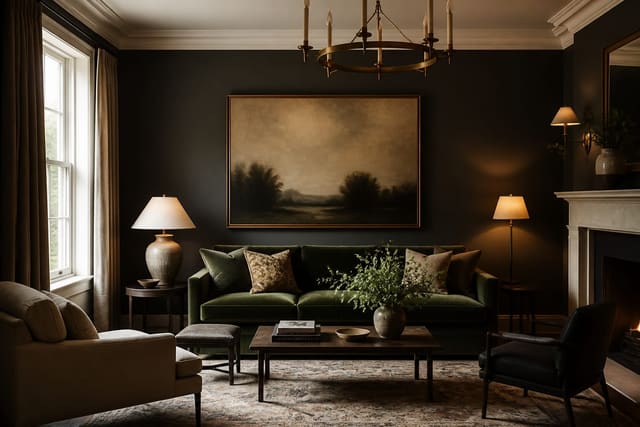
White shiplap earned its popularity, but color is where the look feels current. A deep charcoal or near-black shiplap wall reads dramatic and modern, especially behind a bed or as a media-wall backdrop. Muted earthy tones like sage green, olive, and soft clay give shiplap an organic, lived-in warmth that suits today's nature-leaning interiors.
For a coastal or cottage feel, soft blues and greige tones keep things light without defaulting to stark white. Painting the planks the same color as the rest of the room creates a tonal, textural effect where the shiplap reads as quiet relief rather than contrast. Whatever the color, a satin or semi-gloss finish helps the gaps catch light and makes the surface wipeable, which matters in kitchens and baths. Prime the boards before painting so the grain does not bleed through, and caulk only the corners, never the gaps, so the signature shadow lines stay crisp.
- Run horizontal shiplap behind a bed or sofa to widen the wall visually.
- Install vertical planks in a low-ceilinged entryway to pull the eye upward for height.
- Wrap shiplap across a bedroom ceiling for cabin-like warmth overhead.
- Clad a fireplace surround floor to ceiling to anchor the living room.
- Use moisture-rated PVC shiplap behind a bathroom vanity, sealed against humidity.
- Paint the planks deep charcoal as a dramatic media-wall backdrop.
- Choose a muted sage or clay tone for an organic, lived-in warmth.
- Keep a consistent eighth-inch nickel gap with a coin spacer for a clean reveal.
Bring the look home with Re-Design
Shiplap looks very different horizontal versus vertical, and in white versus a moody color, so previewing it first prevents costly regret. With Re-Design you can upload a photo of your room and see shiplap on an accent wall, the ceiling, or a fireplace surround in seconds. Compare a wide-plank charcoal wall against narrow white boards, or test vertical planks for added height, right in your own space. Seeing the re-design in your actual lighting makes the orientation, board width, and color choices clear before any planks go up.
Frequently Asked Questions
Should shiplap be horizontal or vertical?
Horizontal boards make a wall feel wider and reinforce a coastal or farmhouse mood, ideal behind a bed or sofa. Vertical planks draw the eye upward to add height, helpful with low 8 foot ceilings, and read slightly more modern. Pick the orientation that fixes your room's proportions, and keep it consistent across the surface.
How wide should shiplap boards be?
Standard installed shiplap runs 5.5 to 7.25 inches wide, which looks balanced in most rooms. Narrower 3 to 4 inch boards add busier texture for small accents, while wider planks feel calmer on big walls. Keep a consistent nickel gap of about an eighth of an inch between boards for the signature shadow line.
Where can I use shiplap besides an accent wall?
Shiplap shines on ceilings for cabin-like warmth, on a floor-to-ceiling fireplace surround as a focal point, and in bathrooms when you use moisture-rated PVC or sealed MDF. Mudrooms, kitchen islands, and stair walls all suit it too. Reserve it for one or two surfaces per area so the texture stays special.
What colors look good on shiplap?
Beyond white, deep charcoal reads dramatic and modern, while sage, olive, and clay add organic warmth. Soft blues and greige suit coastal rooms, and a tonal match to the wall makes shiplap quiet texture. Use satin or semi-gloss, prime before painting, and caulk only the corners so the gaps stay crisp.