Flat drywall is the most common reason a finished room still feels unfinished. The light hits it dead-on, nothing catches a shadow, and the eye slides right off the surface. My strong opinion: every main room deserves at least one wall with real surface depth, and you almost never need to gut anything to get it. Texture is the cheapest, most reversible way to make plain paint look intentional and expensive.
The trick is matching the method to the wall's job. A reading nook wants soft limewash that glows; an entry wall wants something graphic and architectural that announces the room.
The best textured wall ideas to start with
If you want a shortlist to choose from, these are the texture treatments that consistently look intentional rather than gimmicky. Each one works on a single accent wall, so you can commit to one surface instead of a whole room.
- Limewash plaster for a soft, cloudy mineral wash that shifts tone through the day.
- Roman clay for an ultra-smooth, suede-like finish with quiet tonal movement.
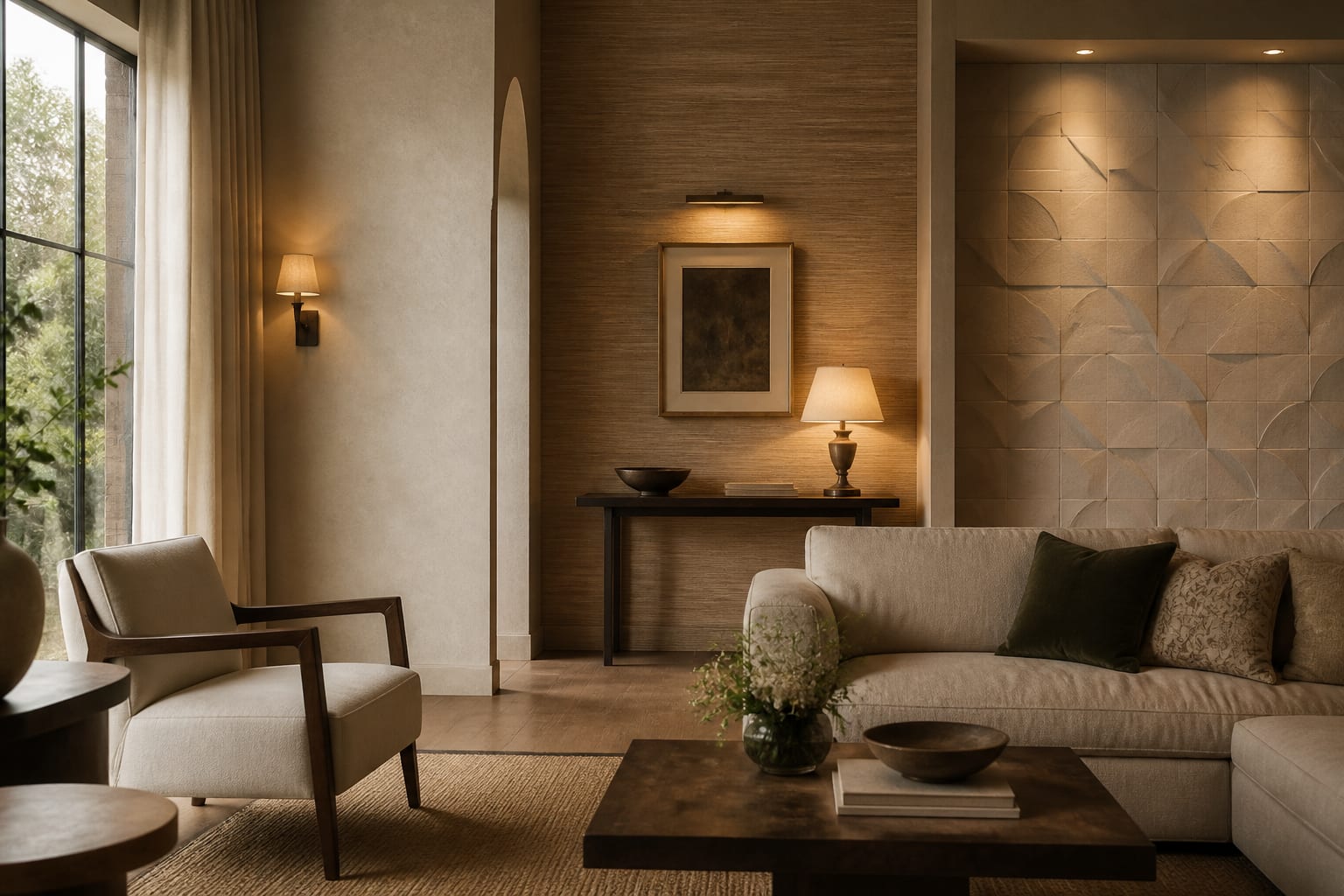
- Grasscloth wallpaper for woven natural fiber that catches light along every blade.
- Fluted or slat wood for crisp vertical shadow lines and a sound-softening surface.
- 3D gypsum or PVC panels for geometric relief that reads as architecture.
- Board-and-batten or shiplap for a built-in, paint-grade pattern with clean lines.
That range covers nearly every style, from quiet and organic to bold and graphic, without forcing a full renovation. The cost spread is wide too: a sand-texture paint job lands under a dollar a square foot, while a custom plaster install or solid-oak slat wall climbs into double digits per square foot installed. Start with the cheapest method that achieves the depth you want, and only step up if the wall is a true focal point.
One more rule of thumb keeps these from looking dated: pick a single texture per wall and let it stand alone. Stacking grasscloth under a fluted half-wall under a plaster ceiling turns a deliberate accent into visual noise. Restraint is what makes texture read as design rather than decoration.
Plaster and paint-based texture
Mineral plasters give you the richest depth because the texture is the finish itself, not a layer sitting on top of it. Limewash dries to a soft, chalky cloud that shifts with the light through the day, reading warmer at sunset and cooler at noon. Roman clay troweles on smoother, with subtle tonal movement that reads like suede from across the room.
For a more dimensional look, Venetian plaster polishes up to a low marble sheen and survives a damp cloth, which makes it usable in a powder room or behind a vanity. Budget roughly $2 to $4 per square foot for limewash materials and $6 to $9 per square foot for a troweled Venetian finish before labor. All three reward two thin coats over a properly primed surface, since a single heavy pass looks blotchy rather than layered.
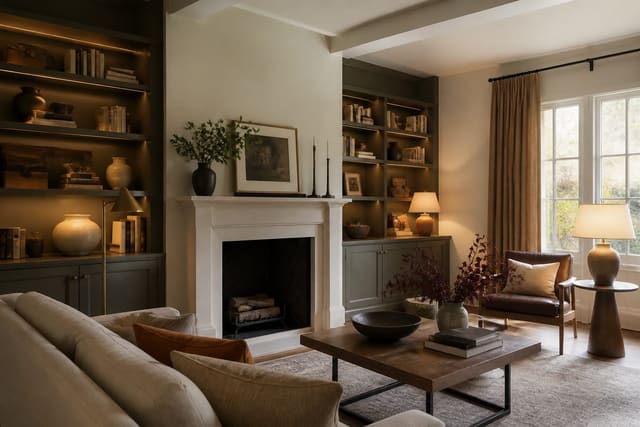
Application matters as much as material here. Limewash goes on with a wide oval brush in loose crosshatch strokes, while clay and Venetian finishes need a flexible steel trowel held at a low angle. A textured plaster wall behind open shelving reads especially well, since the matte backdrop makes objects pop the way a styled set of built-in shelving ideas is supposed to.
Applied texture: grasscloth, panels, and wood
When you want texture without troweling, applied materials do the heavy lifting. Grasscloth wallpaper brings a woven natural fiber that catches light along every blade, and it installs like standard wallpaper over a smooth, primed wall. Expect roughly $40 to $90 per single roll, and order 10 percent extra so the seams and color lots match across the wall.
Fluted wood and slat walls are the most architectural option in this group. Half-round MDF flutes or solid oak slats run floor to ceiling in 1 to 3 inch widths, throwing crisp vertical shadow lines that make an 8-foot wall feel taller. A 3D wall panel system, often gypsum or PVC, snaps together to build geometric relief across a full wall in an afternoon, with most kits covering about 12 square feet per box.
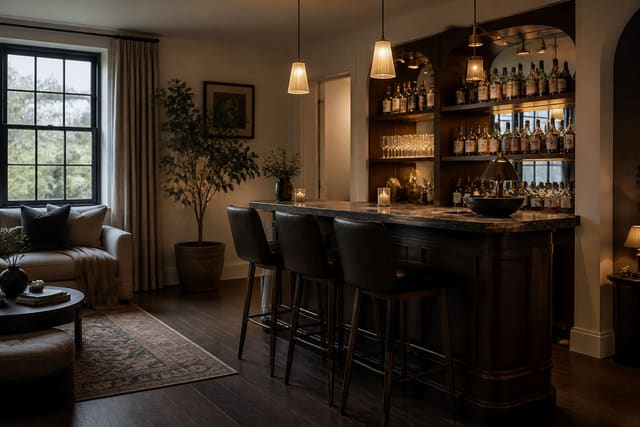
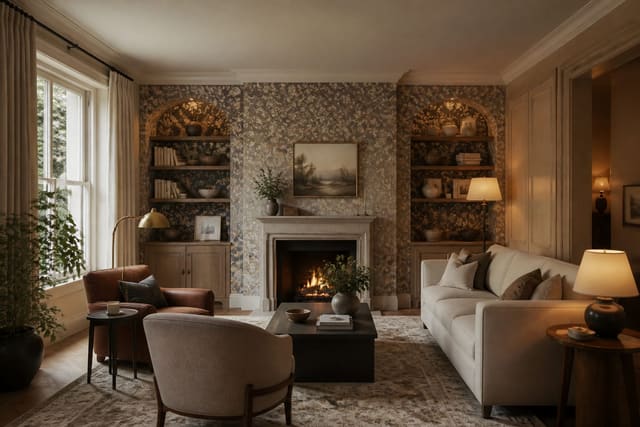
Each material has a clear best use. Grasscloth softens a bedroom or dining room; fluted wood sharpens an entry or a media wall; 3D panels make a flat hallway feel deliberate. Installation effort scales with the look: grasscloth wants careful paste-the-wall technique and matched seams, while slat walls need a level batten and a saw, but reward the work with a finish that looks custom. If you are styling a dramatic dark accent wall, fluted wood pairs beautifully with the moody backdrop you would choose for home bar ideas. For softer rooms, grasscloth sits comfortably alongside the patterns you might browse in broader wallpaper ideas.
Durability is worth weighing before you choose. Grasscloth stains if it gets splashed, so keep it out of cooking zones and away from sinks. Wood slats and gypsum panels shrug off daily life and even take a coat of paint later if your taste shifts. Plaster sits in the middle, tough once cured but harder to patch invisibly than a panel you can simply swap.
Matching texture to the room
Texture has a scale, and getting that scale wrong is the fastest way to make a wall feel busy instead of rich. In a small bedroom, keep the relief shallow: grasscloth or limewash rather than deep 3D panels that crowd the space. In a tall stairwell or a double-height living room, go bigger and bolder, because fine texture simply disappears when viewed from 12 feet away.
Lighting decides everything once the material is up. Raking light from a wall sconce mounted 6 to 8 inches off the surface exaggerates every ridge, which flatters plaster and slats but can look harsh on glossy panels. Aim for a grazing angle rather than a head-on wash, and dim the source so the shadows stay soft. Pay attention to direction too: vertical slats want light from above, while a troweled plaster wall looks best lit from one side so the hand-marks read.
Use AI design to preview wall texture before you commit
Texture is genuinely hard to judge from a tiny swatch taped to drywall, because scale and shadow only make sense at full wall size. Re-Design lets you upload a photo of your actual wall and preview limewash, grasscloth, fluted wood, or 3D panels rendered at room scale against your real trim, floor, and furniture.
That preview answers the questions a sample chip never can: does the slat direction fight your window, does the grasscloth tone clash with the sofa, does the plaster read warm or cold in your specific light. Test three or four directions in minutes, compare them side by side, then buy materials only for the one that actually fits the room you have.