People often treat traditional and transitional as interchangeable, and that confusion costs them money on furniture that never quite fits. Understanding traditional vs transitional interior design clears it up fast. Traditional design embraces history, symmetry, and rich ornamentation, while transitional design keeps the comfort of those classic bones but trades the fussiness for cleaner lines and quieter color. One feels formal and layered; the other feels calm and current. Knowing which camp you actually live in makes every future purchase easier, because you finally have a consistent standard to judge against.
Where the Two Styles Come From
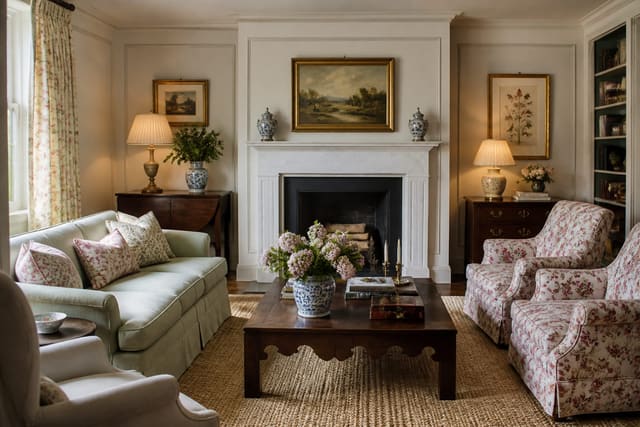
Traditional design draws directly from European decorative history, especially eighteenth and nineteenth century English and French interiors. It values symmetry, formality, and craftsmanship, filling rooms with carved wood, turned legs, and richly detailed millwork. The look signals heritage and permanence, and it rewards homeowners who love layers, history, and a sense of ceremony in their spaces.
Transitional design is the younger response to that tradition. It emerged as people wanted the warmth and comfort of classic interiors without the formality that can feel heavy or precious in everyday life. Rather than inventing a brand-new vocabulary, transitional design edits the traditional one, keeping familiar silhouettes while simplifying their lines and quieting their color.
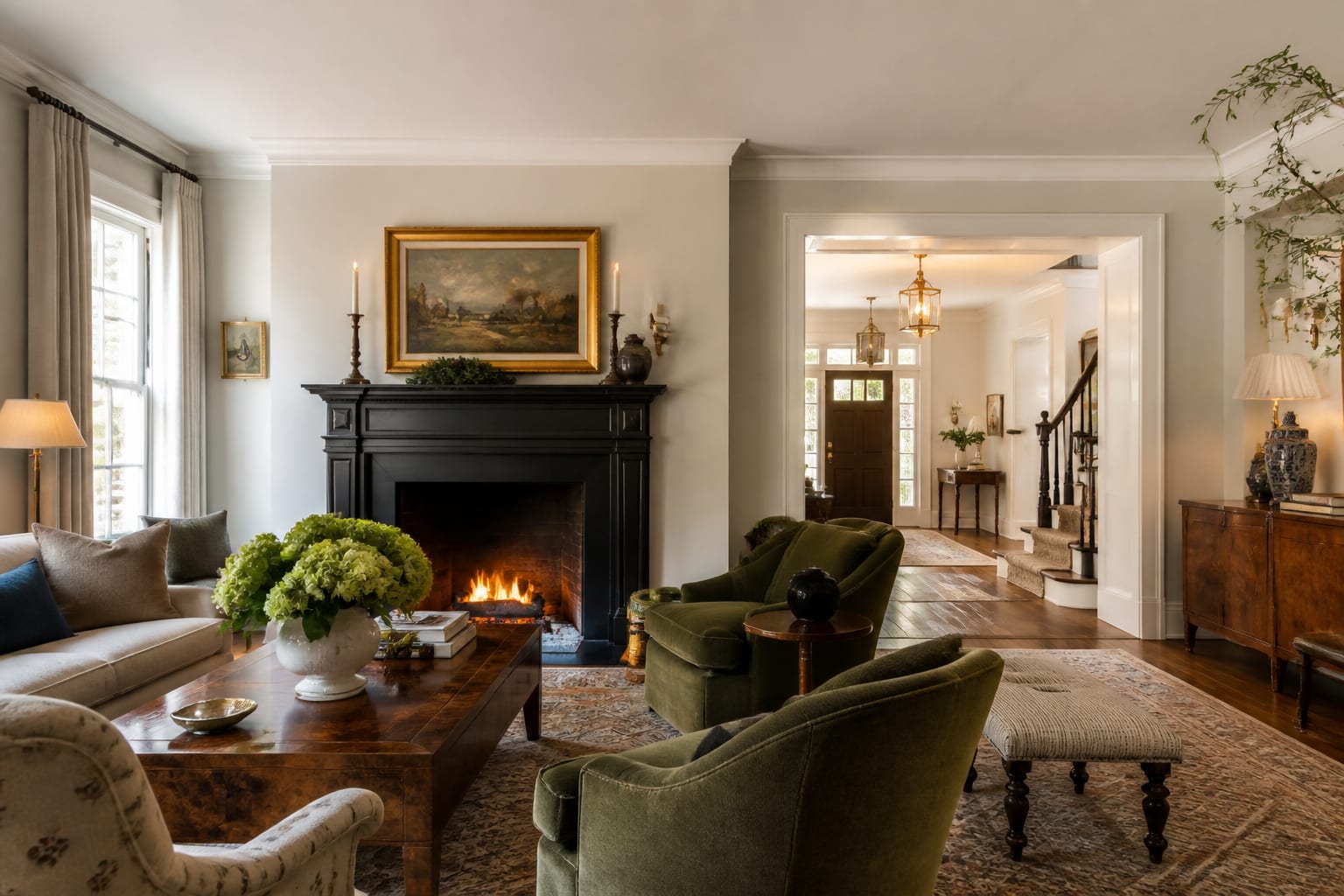
That origin explains why the two styles look like relatives rather than opposites. Both prize comfort, quality, and a collected feel, so a single room can borrow from each. The real distinction is one of degree: traditional turns the dial toward ornament and history, while transitional turns it toward restraint and ease.
Understanding that shared lineage frees you from treating the choice as all or nothing. You do not have to scrap a beloved traditional sofa to move toward a calmer room, nor do you have to add carving and gilt to feel rooted in history. Because the two styles speak a common language of proportion and craftsmanship, you can slide along the spectrum at your own pace. Recognizing them as points on a shared continuum, rather than rival camps, is the key to using either one well and to blending them without the result feeling confused.
See also our guide to What Is Grandmillennial Style for more on traditional vs transitional interior design.
Color, Pattern, and Materials
Color is the fastest way to tell these styles apart. Traditional rooms embrace depth and richness, layering colors like burgundy, forest green, navy, and gold against patterned wallpaper and detailed rugs. The palette feels enveloping and formal, and pattern appears confidently across upholstery, drapery, and floor coverings.
Transitional rooms pull the saturation way back. They lean on warm neutrals such as greige, taupe, ivory, and soft charcoal, then build interest through texture rather than bold pattern. Where a traditional room might use a damask drapery, a transitional room reaches for a natural linen, letting the weave and the light do the work instead of an elaborate print.
Materials follow the same logic. Traditional design favors polished woods, brass, crystal, and ornate stone, all chosen to convey richness and history. Transitional design keeps natural materials but presents them more simply, mixing honed stone, matte metals, and warm woods with cleaner edges.
Finish is the quiet signal that tells visitors which style they have walked into. A high gloss, a gilded edge, or a deeply carved relief reads traditional, while a matte surface, a honed face, or a softly brushed metal reads transitional even when the underlying material is identical. That means you can shift a room's feeling by changing finishes alone, without replacing a single piece of furniture. Knowing which material language you respond to helps you shop without second-guessing, because you can judge each candidate against a clear, consistent standard for color, texture, and sheen.
For a related angle on traditional vs transitional interior design, read Redesign App VS Competitors.
Furniture, Lines, and Ornamentation
Furniture silhouettes reveal the difference most clearly. Traditional pieces carry visible craftsmanship, with carved details, cabriole legs, tufting, nailhead trim, and skirts that hide the frame. Each piece feels substantial and decorative, and the room often arranges them in formal, symmetrical pairs around a clear focal point.
Transitional furniture keeps comfort and quality but strips away most of the ornament. Sofas have cleaner arms, case goods show simpler profiles, and legs are often straight or gently tapered rather than ornately turned. Symmetry still appears, but the arrangements feel more relaxed, and a single sculptural piece may stand in for a matched traditional set.
Ornamentation is ultimately what separates the two. Traditional design treats decorative detail as a feature to celebrate, from elaborate moldings to fringed pillows and gilded frames. Transitional design treats restraint as the feature, letting negative space, proportion, and a few well-chosen objects carry the room.
Arrangement reinforces whichever direction you choose. Traditional rooms tend to compose in tight, symmetrical pairs around a fireplace or a central artwork, signaling order and formality. Transitional rooms keep a loose sense of balance but allow more asymmetry and open floor, which reads casual and current. If you find ornate detail comforting and rich, you lean traditional; if you find it busy and prefer breathing room, you lean transitional. That instinctive gut reaction, more than any rulebook, is the most reliable guide to which side of the spectrum your home truly belongs on.
Pick based on these priorities: - Choose traditional if you love ornate detail, symmetry, and rich layered color in formal rooms - Lean transitional when you prize calm neutrals, clean lines, and low-maintenance everyday flexibility - Pick the style that best preserves and flatters the heirloom or classic pieces you already own
Which Style Fits Your Home
Choosing between these styles starts with how you actually live. A formal household that loves to host, values heritage pieces, and enjoys layered, detailed rooms will feel at home in traditional design. A household that prizes calm, flexibility, and low-maintenance elegance will usually gravitate toward transitional, which forgives changing tastes more easily.
Your existing furniture matters too. If you own inherited antiques or invested in classic upholstered pieces, you do not have to abandon them to go transitional. Lightening the wall color, swapping busy patterns for textured neutrals, and clearing some surfaces can shift a traditional room toward transitional without discarding a thing. The bones often translate beautifully.
Think also about how long you want the look to last. Traditional design is timeless but reads more formal, which suits some homes perfectly and feels stiff in others. Transitional design tends to flex with trends and rooms, making it a safer bet for open floor plans and households that redecorate often.
The architecture of your house can also nudge the decision. A center-hall colonial with deep moldings and formal proportions often carries traditional furnishings naturally, while a renovated loft or an open-plan new build tends to welcome the cleaner transitional hand. Working with the bones you already have, rather than against them, almost always produces a more convincing result. There is no universally correct answer, only the one that matches your daily life, your treasured pieces, your home's character, and the feeling you want to walk into each day.
| Aspect | Traditional | Transitional Interior Design | | --- | --- | --- | | Color palette | Rich, deep hues like burgundy, navy, and gold layered together | Warm neutrals like greige, taupe, and soft charcoal | | Pattern and texture | Confident pattern through damask, florals, and detailed rugs | Interest built from texture and weave rather than bold pattern | | Furniture lines | Carved legs, tufting, nailhead trim, and skirted frames | Clean arms, simple profiles, straight or tapered legs | | Ornamentation | Decorative detail celebrated as a defining feature | Restraint and negative space treated as the feature | | Overall feeling | Formal, layered, and rooted in historical heritage | Calm, current, and easy to live with daily |
Bring the look home with Re-Design
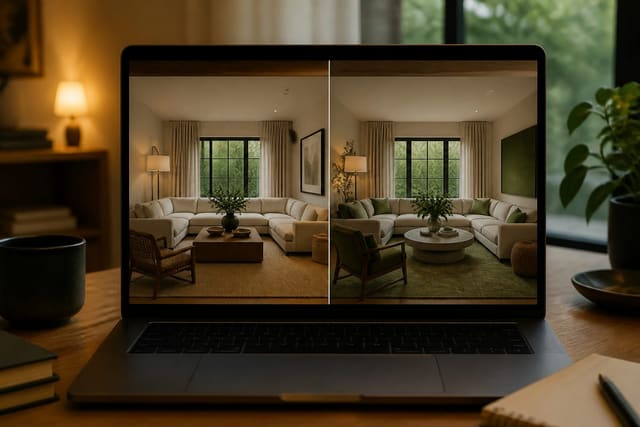
Still unsure which style suits your room? With Re-Design you upload a photo of your space and preview it rendered both ways, traditional and transitional, before changing a single piece. Comparing a deeper, layered scheme against a calmer neutral one on your own walls makes the choice obvious, so you invest in the direction that genuinely fits your home rather than guessing from showroom photos.
Frequently Asked Questions
Is transitional design just watered-down traditional?
Not quite. Transitional design keeps the comfortable, quality bones of traditional style but deliberately simplifies lines, quiets color, and adds modern restraint. It is an intentional editing of tradition for current living, not a diluted version, and many rooms blend both styles successfully and on purpose.
Can I mix traditional and transitional pieces together?
Absolutely, and the two mix easily because they share a vocabulary. Pair an inherited carved chest with a clean-lined sofa, or set ornate frames against neutral walls. The result reads collected and personal, which is often more interesting than committing rigidly to one single style.
Which style is better for resale value?
Transitional design usually appeals to a wider pool of buyers because its neutral palette and clean lines feel current without chasing trends. Traditional rooms can feel formal or dated to some buyers, though high-quality traditional detail still reads as luxurious and enduring in the right home.