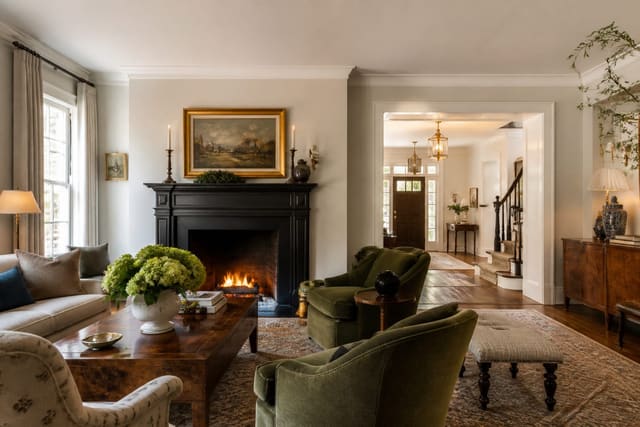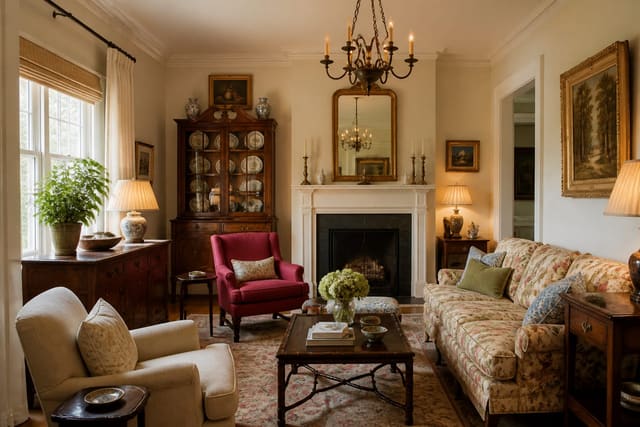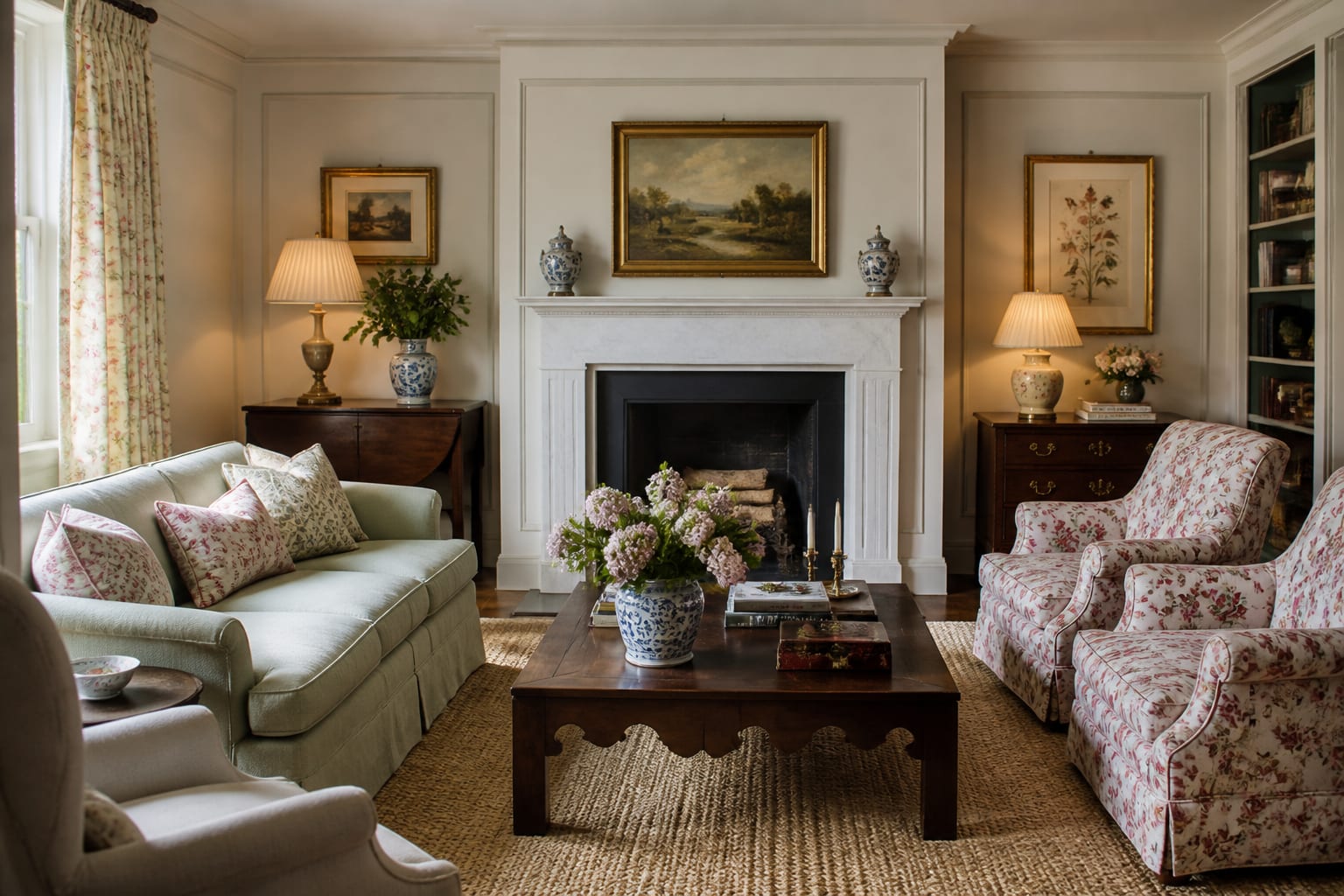
Grandmillennial style is the smartest decorating trend to emerge in years because it gives traditional craft a fresh, self-aware audience. Sometimes called granny chic, it describes younger people embracing the chintz, ruffles, needlepoint, and blue-and-white china their grandmothers loved, then mixing those elements with contemporary pieces so nothing feels stuffy. It is nostalgia filtered through irony and genuine affection at once. The result is layered, pattern-rich, and deeply personal, a rebellion against cold minimalism. This guide breaks down where the look came from, the details that define it, and the common missteps that make it tip from charming into costume.
Where the Look Comes From
The term grandmillennial was popularized around 2019 by design writers describing millennials who rejected the spare, all-gray interiors that had dominated the previous decade. After years of minimalism, a younger generation began gravitating toward the warmth, color, and ornament they remembered from their grandparents' homes. The appeal was partly emotional and partly practical. Vintage and antique furniture is often better built than fast-furniture alternatives, and shopping secondhand costs far less, with quality dressers sometimes found for under $200 at estate sales. So the style grew from both nostalgia and value. It also reflected a broader cultural swing back toward craft, slowness, and pieces with a story. Unlike a strict period revival, grandmillennial never aimed to recreate any single era faithfully. Instead it cherry-picks the cozy, decorative bits of mid-century and earlier traditional decor, then updates them for current life. That selective, affectionate approach is exactly why the look resonates. It lets people honor family heirlooms and thrifted finds while still living in a home that feels distinctly their own and firmly of the present moment.
See also our guide to Traditional VS Transitional Design for more on what is grandmillennial style.
The Signature Ingredients
A few recurring elements make grandmillennial instantly recognizable. Chintz, the glazed cotton printed with large florals, shows up on curtains, upholstery, and pillows. Blue-and-white porcelain, from ginger jars to transferware plates, provides a crisp, collectible accent. Skirted tables, ruffled trim, scalloped edges, and needlepoint cushions add the soft, handcrafted texture the style adores. Wallpaper makes a strong return here, often in florals, stripes, or chinoiserie scenes. Brass, rattan, and wicker bring in natural warmth, while pleated lampshades and fringed details supply finishing flourishes. Color tends toward soft and slightly faded, think dusty rose, sage, pale blue, and butter yellow rather than bold primaries. What ties it all together is a sense of layering. No single ingredient defines the look; rather, it is the accumulation of several traditional touches in one room. Importantly, these pieces rarely match in a showroom-perfect way. The charm comes from combinations that feel gathered over time, where an heirloom lamp sits beside a flea-market mirror and a new sofa, each chosen for character rather than coordination, giving the room genuine depth and personality.
For a related angle on what is grandmillennial style, read Decorating With Inherited Furniture.
How It Differs From Traditional Decor
People often confuse grandmillennial with plain traditional style, but the difference is attitude. Classic traditional decor takes itself seriously and aims for a polished, formal consistency. Grandmillennial, by contrast, is playful and ironic, layering nostalgic elements with a knowing wink. The clearest tell is the presence of modern counterpoints. A truly traditional room might feature a chintz sofa, antique side tables, and an oil painting all in agreement. A grandmillennial room takes that same chintz sofa and hangs a bold abstract canvas above it, or sets it on a contemporary rug, deliberately breaking the period spell. That contrast is the whole point. Roughly 60% of the room can lean nostalgic, but the remaining portion should feel current to keep things from reading dated. Scale and lightness also differ. Grandmillennial rooms tend to feel younger and more relaxed, less concerned with matching sets and formal symmetry. They welcome humor, imperfection, and the occasional clash. So while the two styles share a love of pattern and history, only grandmillennial treats that heritage as raw material to remix rather than a rulebook to follow.
Getting the Balance Right
The single hardest part of grandmillennial style is knowing when to stop. Because the look celebrates pattern, ornament, and abundance, it can quickly tip from charming into overwhelming. The fix is restraint applied to scale and palette. Choose one dominant pattern per room and let supporting prints stay smaller and quieter. Keep a consistent color thread, perhaps a soft blue, running through cushions, china, and art so the eye reads harmony rather than noise. Leave some surfaces deliberately bare; a clear stretch of wall or an uncluttered tabletop gives all the busy detail room to breathe. Lighting helps too, so aim for warm bulbs around 2700K to flatter the soft, vintage palette rather than cool white light that can make florals look harsh. Budget mindfully as well, since the style rewards patient thrifting over a single expensive shopping spree. Mixing one genuine antique with affordable finds keeps the look authentic without demanding thousands of dollars. When you balance nostalgia against negative space and modern accents, the room finally reads as collected and confident rather than crowded, dated, or like a literal recreation of grandma's parlor.
Here are the common mistakes to avoid: - Layering so many patterns the room reads as visual noise - Skipping modern accents and creating a dated period set - Buying matching reproduction sets instead of mixing real finds - Using cool white bulbs that make soft florals look harsh - Cluttering every surface with no room left to breathe - Choosing bold primaries over the soft, faded grandmillennial palette
Bring the look home with Re-Design
Wondering whether granny chic suits your home before you commit? Upload a photo of any room to Re-Design and apply a grandmillennial style to see chintz, skirted tables, and blue-and-white china in your own space. It is an easy way to test the balance of nostalgic pattern against modern restraint without buying anything. Experiment with palettes and layering until the look feels collected rather than crowded, then shop with a clear plan in hand.
Frequently Asked Questions
What does grandmillennial style actually mean?
Grandmillennial style, nicknamed granny chic, describes younger decorators embracing traditional elements their grandparents loved. Think chintz, ruffles, needlepoint, skirted tables, blue-and-white china, and brown antiques, reframed with fresh paint and contemporary art. The result feels nostalgic yet personal rather than stuffy. It celebrates handcraft, sentiment, and pattern at a moment when minimalism had dominated for years.
How is grandmillennial different from traditional decorating?
Classic traditional rooms aim for formal symmetry and matched suites of furniture. Granny chic loosens that rigidity, blending heirloom pieces with playful color, modern lighting, and a relaxed, lived-in attitude. You might pair a tufted settee with an abstract painting or a lacquered tray. The emphasis falls on personality and joyful clash rather than strict period correctness.
What colors and materials signal the look?
Soft blues, faded rose, sage, and creamy whites carry the palette, often grounded by warm wood and brass. Materials include glazed chintz, needlepoint, rattan, porcelain, and fringed trim. Scalloped edges, pleated lampshades, and chinoiserie motifs appear frequently. These finishes feel tactile and storied, signaling that pieces were chosen with care and meant to age gracefully alongside you.
Is grandmillennial style expensive to achieve?
Not necessarily, since the aesthetic rewards thrifting and inheritance over buying everything new. Estate sales, flea markets, and family attics supply much of the charm at little cost. A fresh coat of paint, reupholstered cushions, or a found set of china stretches a modest budget. The look prizes patina and history, so worn, secondhand finds suit it perfectly.