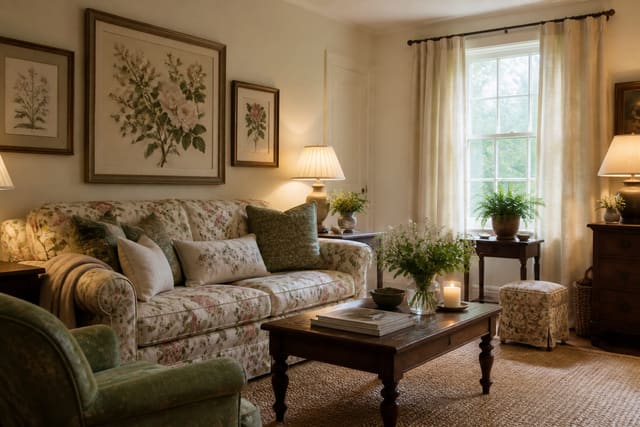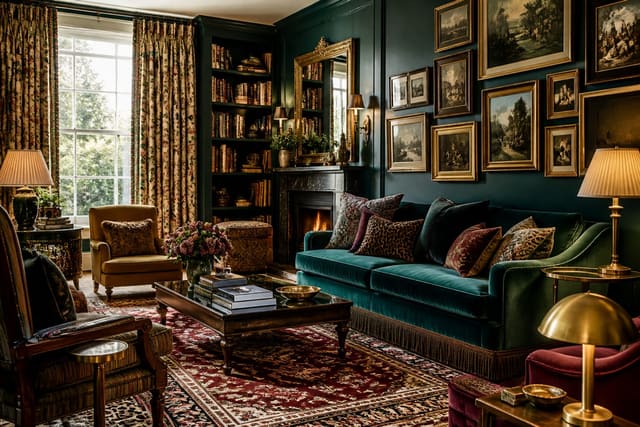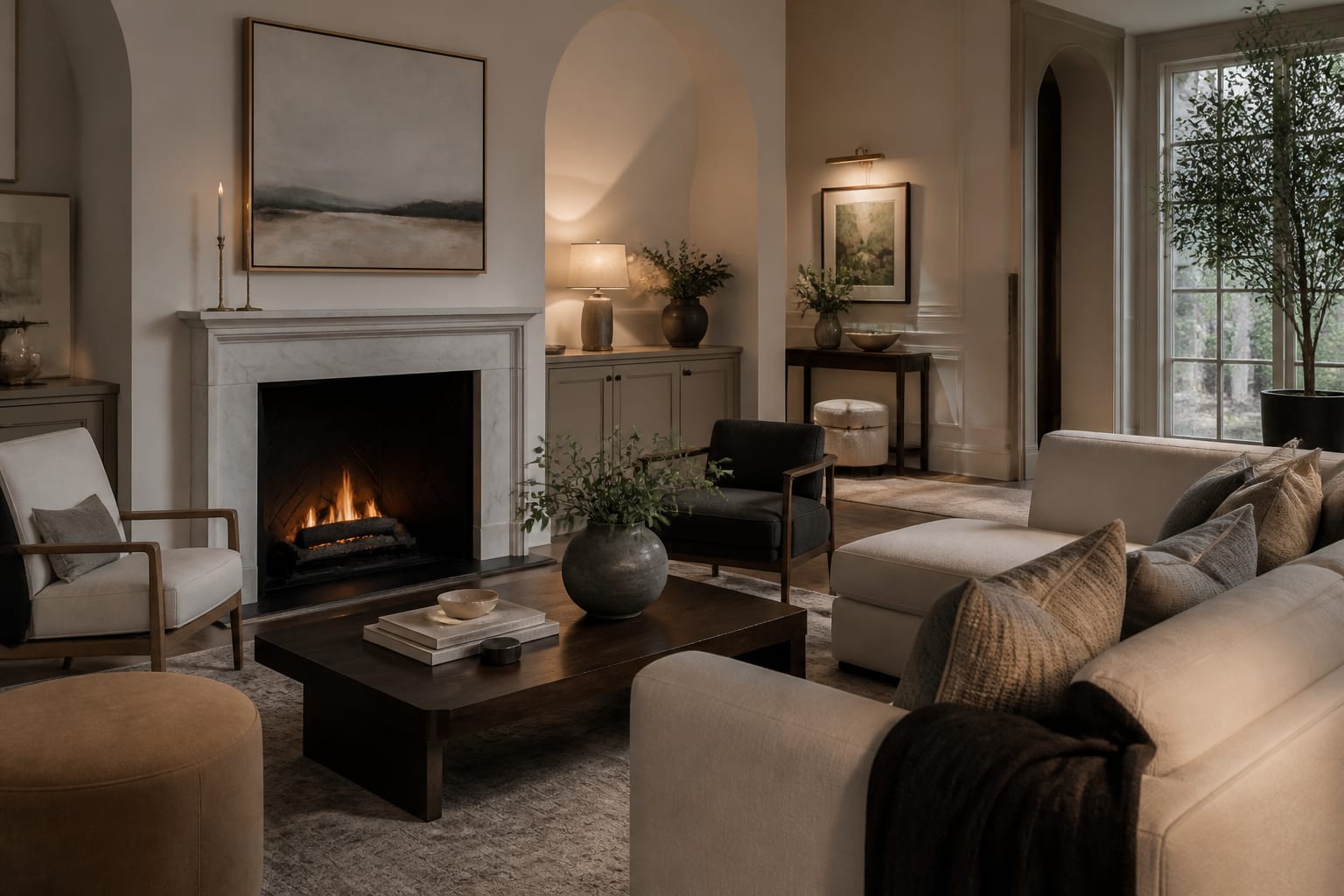
A transitional living room is the smartest choice for anyone who loves classic comfort but cannot stomach fussy, overdecorated rooms. It sits gracefully between traditional warmth and modern restraint, borrowing the best of both without committing fully to either. The look feels collected rather than staged, which is why it ages so well. You get clean architecture softened by curves, neutral palettes lifted by texture, and furniture that invites people to actually sit down. These ideas show how to build that calm, livable balance in your own space.
Start With a Warm Neutral Palette
Color is where transitional rooms earn their reputation for calm. Rather than bold statements, lean on a foundation of warm whites, greige, soft taupe, and muted clay tones that flow from wall to upholstery without harsh breaks. These shades read as restful because they reflect light gently and never compete for attention. The trick is depth, not contrast: stack three or four closely related tones so the eye travels smoothly across the room. A creamy wall, an oatmeal sofa, and a slightly darker mushroom armchair create quiet dimension. Avoid stark black-and-white pairings, which pull a space toward strictly modern territory. Instead, let your darkest note arrive through a walnut coffee table or a charcoal throw, used sparingly. Warm metals such as aged brass and bronze flatter this palette far more than cold chrome. When you crave color, introduce it through soft sage, dusty blue, or terracotta in pillows and art, keeping saturation low. This approach gives you a backdrop that feels timeless and forgiving, allowing furniture and texture to do the expressive work without the room ever shouting.
See also our guide to Cottagecore Living Room Ideas for more on transitional living room ideas.
Choose Furniture That Bridges Eras
The heart of transitional style lives in furniture that refuses to pick a single decade. Pair a sofa with clean, simple lines against a wingback or barrel chair that nods to tradition, and the conversation between them becomes the design. Look for upholstered pieces with gently rounded arms, tailored skirts, or subtle nailhead trim that feel classic yet uncluttered. Balance those soft forms with a streamlined coffee table or a console with straight, honest legs. Wood tones should feel intentional, so repeat one or two finishes rather than scattering five. Comfort matters enormously here; transitional rooms are meant to be lived in, so prioritize deep seats and forgiving cushions over rigid showpieces. Slipcovered sofas suit families, while leather adds a grounded, slightly traditional note. Keep scale in mind, leaving breathing room around each piece so the arrangement feels curated. A vintage accent chair beside a modern sectional reads as collected over time. The goal is harmony through contrast, where old and new lean on each other and neither feels out of place in the finished room.
For a related angle on transitional living room ideas, read Maximalist Living Room Ideas.
Layer Texture for Quiet Depth
Because transitional palettes stay restrained, texture becomes the quiet engine that keeps a room from feeling flat. Think of every surface as a chance to add tactile interest without adding color noise. A nubby boucle chair, a chunky knit throw, a smooth marble lamp base, and a hand-knotted wool rug can all share the same neutral family while feeling completely distinct to the touch. Natural fibers do this best, so reach for linen drapery, jute underfoot, and rattan or cane on an accent piece. Mix matte and subtle sheen carefully; a velvet pillow beside a linen sofa catches light in a way that adds life. Wood grain, woven baskets, and ceramic vessels all contribute to that collected, lived-in feeling. Even your hard surfaces can layer, pairing honed stone with warm timber and a touch of glass. The contrast keeps the eye engaged and the room inviting. When texture carries the load, you can keep walls and large furniture simple and still end up with a living room that feels rich, considered, and deeply comfortable.
Edit Accessories for a Collected Look
Transitional rooms can drift toward either cluttered or cold, so accessorizing well is really an act of editing. Aim for a curated middle ground where every object feels chosen, not accumulated. Group decor in odd numbers and vary the height, pairing a tall vase with a stack of books and a small sculptural piece for an easy, balanced vignette. Art should feel personal but restrained; large-scale abstract pieces or classic black-and-white photography both suit the style. Frames in mixed metals or simple wood keep things from matching too perfectly. Greenery is essential, since a single olive tree or a few stems of eucalyptus softens hard corners and adds organic life. Resist the urge to fill every surface, because negative space is part of the look. Mirrors with clean frames bounce light and expand the room. Keep a consistent palette across your accessories so the eye reads calm even when details vary. The most successful transitional spaces feel as though they were gathered slowly, with a few meaningful pieces given room to breathe rather than crowded together for show.
- Pair a clean-lined sofa with a classic wingback chair
- Layer a jute rug under a softer wool runner
- Hang one oversized abstract piece above the sofa
- Mix aged brass lighting with warm walnut wood tones
- Add a sculptural boucle chair in a corner reading nook
- Style the coffee table with books, a vase, and greenery
Bring the look home with Re-Design
Picture your own living room reworked in this calm transitional style before you move a single piece of furniture. With Re-Design, you upload a photo of the room and instantly see warm neutrals, curved seating, and layered textures applied to your actual space. It is the fastest way to test whether a boucle chair or a walnut console fits before you commit. Re-Design lets you compare several transitional living room directions side by side, so you decorate with confidence rather than guesswork.
Frequently Asked Questions
What color palette works best for a transitional living room?
Build around warm neutrals like greige, taupe, soft white, and oatmeal, then anchor the room with deeper tones such as charcoal, espresso, or navy. Layer two or three textures within that range for depth. Add a single muted accent, maybe a dusty blue pillow or olive throw, so the space feels collected rather than monochrome and flat.
How do I mix traditional and modern furniture without clashing?
Pair one classic piece with a streamlined counterpart, such as a rolled-arm sofa beside a clean-lined acrylic table. Keep finishes and scale consistent so nothing competes. Repeat a shared color or wood tone across both styles to tie them together. Limit ornate detailing to a couple of focal items, letting simpler shapes carry the rest of the room.
What kind of coffee table suits a transitional space?
Choose a table with simple geometry and a refined material, like a rectangular oak top on slim metal legs or a rounded marble surface. Avoid heavy carving and avoid stark industrial edges. A piece that blends warmth with restraint hits the balance this style needs. Glass or stone surfaces add lightness when the surrounding upholstery feels substantial and grounded.
How should I layer textiles in a transitional living room?
Start with a low-contrast wool or jute rug, then add linen drapery and a cotton or velvet sofa for tactile range. Toss in two or three pillows that vary in weave but share the palette. A knitted throw softens leather seating nicely. The goal is quiet variety, where every fabric feels intentional and nothing reads as overly trendy or cold.