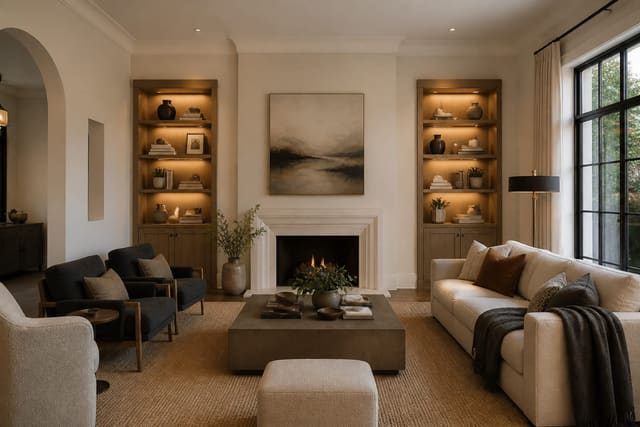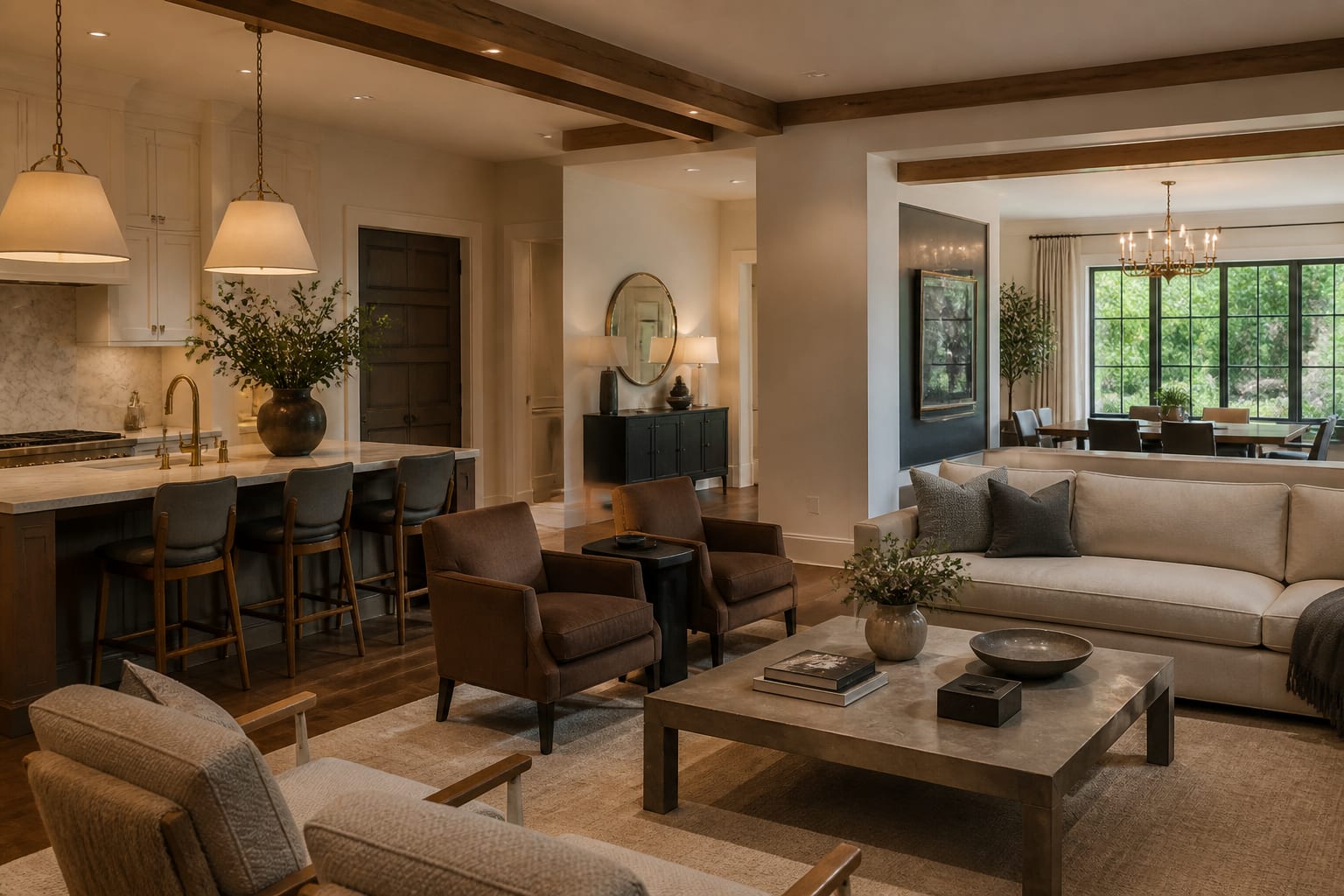
Choosing between transitional and contemporary design comes down to how much warmth you want a room to hold. Both styles favor clean lines and uncluttered spaces, which is why people confuse them constantly. The real difference lies in temperature and time: transitional blends traditional comfort with modern restraint and feels timeless, while contemporary chases the present moment with crisper edges and a cooler, more sculptural attitude. Neither is better, only better suited to different people and homes. This comparison lays out exactly where the two diverge so you can decide with confidence rather than guesswork.
How the Two Styles Differ
At a glance, transitional and contemporary rooms can look similar because both reject clutter and ornate detail. Dig deeper and the differences sharpen quickly. Transitional design is fundamentally a blend, weaving traditional warmth into modern simplicity so the room feels collected over time. Contemporary design, by contrast, reflects what is current right now, evolving with trends rather than anchoring to the past. Transitional palettes stay warm and neutral, leaning on beiges, taupes, and soft browns, while contemporary schemes often go cooler and more graphic, embracing crisp whites, true grays, and bold black accents. Furniture tells the story too. Transitional pieces feature gently curved arms and classic silhouettes softened for modern life, whereas contemporary furniture pushes toward sculptural, sometimes daring forms with sharper geometry. Texture appears in both, but transitional rooms feel cozier and more layered, while contemporary spaces can read sleeker and more minimal. Even mood differs: transitional invites you to settle in, and contemporary tends to make a confident statement. Understanding these distinctions helps you see that the two are cousins, not twins, sharing a love of restraint but parting ways on warmth and permanence.
See also our guide to What Is Transitional Design for more on transitional vs contemporary design.
Color, Texture, and Materials
The fastest way to tell these styles apart is to study the materials and finishes. Transitional rooms favor warmth at every turn, pairing oak and walnut woods with linen, wool, and aged brass hardware. The palette stacks closely related neutrals so nothing jars, and color arrives quietly through muted blues, sages, and terracottas. Contemporary spaces take a cooler, more deliberate stance. They embrace high contrast, often setting bright white against black, and incorporate materials like glossy lacquer, polished chrome, glass, and concrete that feel sleek and current. Where transitional texture leans soft and tactile to add coziness, contemporary texture trends toward smooth, reflective, and architectural surfaces that emphasize form. Metals reveal the split clearly: transitional reaches for warm, slightly aged finishes, while contemporary prefers cool, mirror-bright accents. Pattern is restrained in both, but contemporary may use a single bold graphic moment for drama, whereas transitional keeps patterns subtle and organic. Even lighting fixtures differ, with transitional favoring warm-glowing classic shapes and contemporary embracing statement sculptural pieces. By reading these material cues, you can usually identify which camp a room belongs to within seconds, even before noticing the furniture.
For a related angle on transitional vs contemporary design, read Redesign App VS Competitors.
Mood, Lifestyle, and Flexibility
Beyond looks, these styles create genuinely different living experiences. A transitional home feels like an embrace, calm and forgiving, designed for daily comfort and easy updates. Because it borrows from the past, it ages gracefully and rarely needs reinvention; you can refresh accessories every few years without touching the bones of the room. That makes it ideal for families and anyone who dislikes constant redecorating. A contemporary home delivers a sharper, more curated energy that signals current taste and confident design choices. It can feel exhilarating and gallery-like, though keeping it feeling fresh sometimes means swapping pieces as trends shift. Maintenance differs too, since contemporary's glossy surfaces and pale palettes can show wear and fingerprints more readily than transitional's textured, mid-tone fabrics. Flexibility favors transitional, which absorbs inherited and mismatched pieces with ease, while contemporary rewards a more disciplined, all-of-a-piece approach. Neither lifestyle is superior; they simply suit different temperaments. If you crave a restful sanctuary that quietly evolves, transitional fits. If you want a striking, of-the-moment space and enjoy refreshing it, contemporary delivers. Matching the style to how you actually live matters more than chasing any trend.
Pick based on these priorities: - Choose transitional for a timeless, family-friendly, low-update home - Choose contemporary for a bold, current, statement-making space - Choose transitional when blending inherited and modern pieces
How to Choose Between Them
Deciding ultimately means being honest about your priorities. Begin with permanence: if you want a room that looks right ten years from now with minimal change, transitional is the safer bet, since its blend of classic and modern resists dating. If you enjoy keeping pace with design and do not mind occasional updates, contemporary offers more excitement. Next consider your existing belongings. People with inherited furniture or a mix of cherished pieces will find transitional far more accommodating, while a clean slate suits contemporary's cohesive look. Think about mood, too. Households that want warmth, softness, and a place to unwind gravitate toward transitional, whereas those who love bold statements and crisp minimalism lean contemporary. Budget plays a role, since transitional lets you build slowly and mix price points, and contemporary often rewards investing in a few standout designer pieces. Finally, weigh maintenance and lifestyle, especially with children or pets who favor transitional's forgiving textures. There is no wrong answer here, only the right answer for you. Many homeowners even borrow from both, leaning transitional overall while adding a contemporary statement piece, which proves the line between them is wonderfully flexible.
| Aspect | Transitional | Contemporary Design | | --- | --- | --- | | Color palette | Warm neutrals like beige and taupe | Cool whites, grays, and black accents | | Furniture lines | Gently curved, softened classic shapes | Sculptural forms with sharper geometry | | Materials | Oak, linen, wool, aged brass | Glass, chrome, lacquer, concrete | | Overall mood | Cozy, timeless, and lived-in | Crisp, current, and statement-driven |
Bring the look home with Re-Design
Still torn between transitional and contemporary? Stop debating and see both on your actual room. With Re-Design, you upload a single photo and instantly compare a warm transitional treatment against a cooler contemporary one in the same space. Re-Design renders each style with realistic furniture, palettes, and finishes, so you can judge which mood suits your living room before buying anything. Comparing the two side by side makes the decision obvious and removes the guesswork from committing to a direction.
Frequently Asked Questions
What is the main difference between transitional and contemporary design?
Transitional marries traditional warmth with modern simplicity, holding onto soft curves and classic comfort. Contemporary tracks the present moment, favoring crisp lines, open space, and an evolving, sometimes bold aesthetic. One leans timeless and balanced; the other leans current and sleek. Transitional feels rooted and cozy, while contemporary feels fresh, airy, and more willing to experiment with shape and finish.
Which style uses bolder colors, transitional or contemporary?
Contemporary tends to push color further, sometimes pairing stark white with a vivid accent wall or a saturated statement piece. Transitional stays within warm, muted neutrals and reserves color for quiet touches. If you want drama and high contrast, contemporary delivers it. If you prefer a soothing, low-key backdrop that rarely jars, transitional keeps the palette gentle and consistently understated throughout.
Can I combine transitional and contemporary elements?
Yes, and many rooms blend the two successfully. Use a transitional sofa for comfort, then add a contemporary light fixture or geometric art for a sharper edge. Keep a shared neutral base so the styles read as one vision. Balance soft and crisp forms in roughly equal measure, and the mix stays harmonious instead of feeling like two competing rooms.
Which style is better for resale value?
Transitional usually appeals to a wider pool of buyers because its neutral, timeless look offends almost no one and photographs well. Contemporary can attract design-minded buyers but risks feeling dated faster as trends move on. For broad market appeal, transitional is the safer choice. If your area skews younger and stylish, a tasteful contemporary scheme may resonate just as strongly.