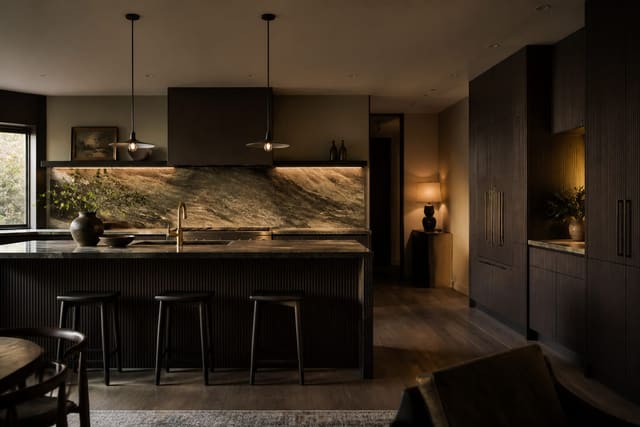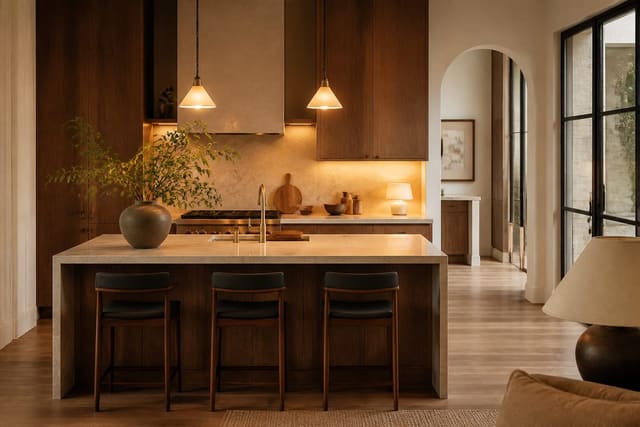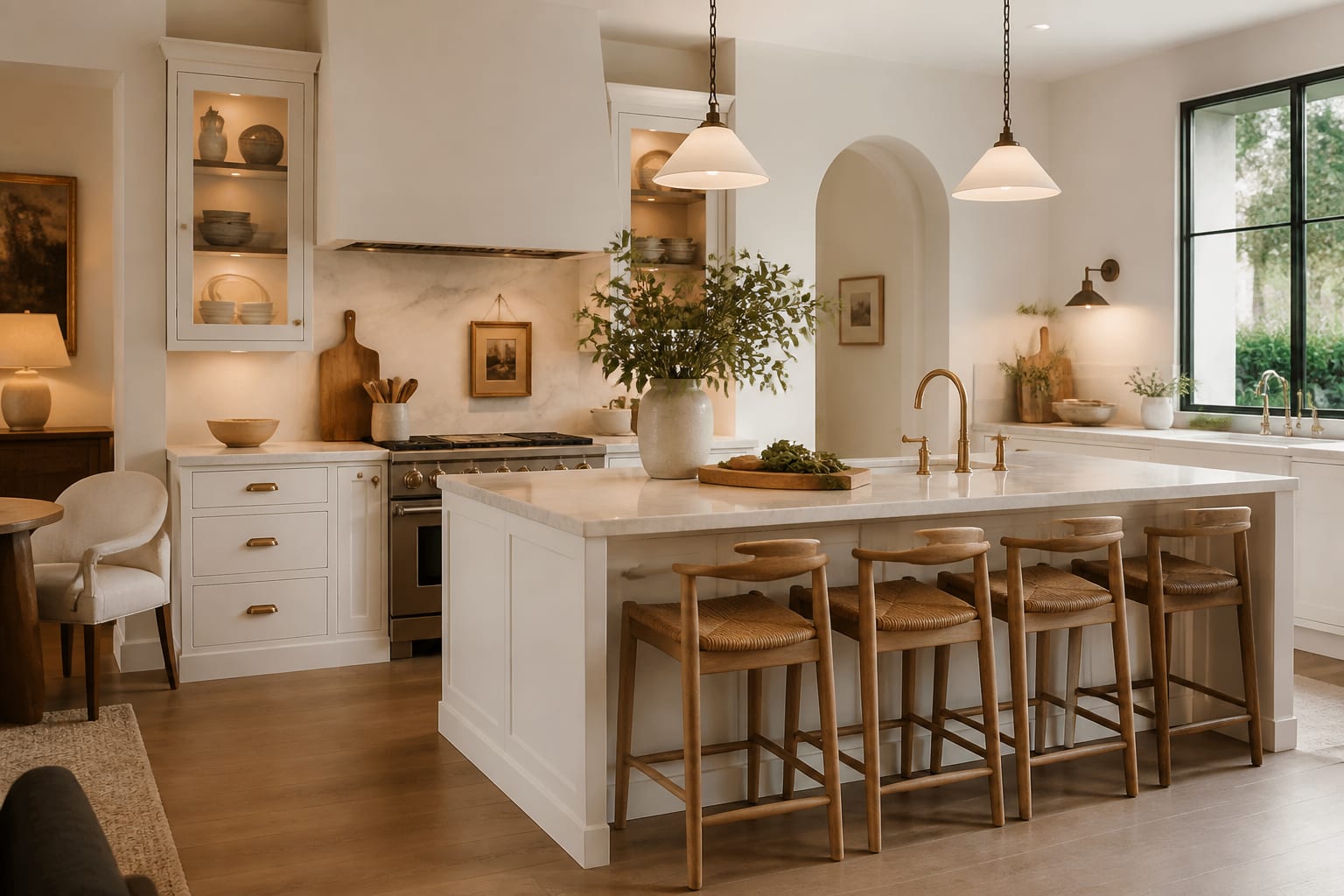
A white kitchen is the most requested and the most botched scheme in the business. Done well it feels light, timeless, and calm; done lazily it reads like a dental office. The difference is almost never the cabinets themselves but the undertone, the texture, and the contrast you build around them. White is not one color, it is a hundred, and the right one depends entirely on your light. These ideas focus on the moves that give a white kitchen warmth and dimension, because a flat, single-note white space is the easiest design mistake to make and the hardest to live with.
Warm white versus cool white
The first decision in any white kitchen is undertone, and it determines everything that follows. Cool whites carry blue or gray undertones and read crisp and clean, but they need plentiful natural light to look fresh rather than clinical. Drop a cool white into a north-facing or shaded kitchen and the cabinets turn gray and cold by mid-afternoon. Warm whites lean toward cream, ivory, or a hint of greige, and they flatter low-light rooms and rooms with warm artificial lighting, giving the space a soft, lived-in glow. As a rough guide, if your kitchen faces north or gets limited sun, choose a white with a yellow or beige undertone; if it faces south or floods with light, you can carry a cooler, purer white without it feeling hard. The trap is choosing white from a tiny paint chip under store lighting. Paint a large sample board, at least two feet square, and move it around the kitchen across a full day, because the same white shifts dramatically from breakfast to dusk. Match your cabinet white to your counter and backsplash undertones too: a warm cream cabinet beside a stark blue-white quartz looks dingy by comparison, while pairing warm with warm keeps the whole room harmonious. Get the undertone right and the rest of the scheme falls into place; get it wrong and no amount of styling rescues it.
See also our guide to Dark Kitchen Ideas for more on white kitchen ideas.
Building contrast so the room has depth
An all-white kitchen with white counters, white walls, and white floors has nowhere for the eye to land, which is exactly why so many read as sterile. Contrast is the cure, and you have several dials to turn. The easiest is the countertop: a honed black granite, a soapstone, or a marble with bold gray veining grounds white cabinets instantly and adds the drama the cabinets lack. The second is a two-tone approach, keeping the perimeter cabinets white but painting the island a deep navy, forest green, or charcoal, which anchors the room and gives it a clear center of gravity. Flooring is the third dial, and a warm wood floor or a patterned cement tile beneath white cabinets does enormous work in keeping the space grounded and human. Even within the white family you can build subtle contrast by using a slightly different white on the walls than on the cabinets, or by introducing a creamy zellige backsplash whose irregular tiles catch light unevenly. Black window frames or a black faucet against white cabinetry create crisp graphic lines that read as intentional and architectural. The goal is to give the room a value range, from light cabinets to a darker anchor somewhere, so the eye has a journey. A white kitchen that is genuinely all one value feels less like a design choice and more like a missing step.
For a related angle on white kitchen ideas, read Kitchen Island Ideas.
Texture and material layering
Because color is doing so little work in a white kitchen, texture has to carry the room, and this is the single biggest lever for warmth. Start with a tactile backsplash. Handmade zellige or a subtle subway tile with visible variation throws shadows and catches light in a way flat painted walls never will, instantly softening the scheme. Bring in natural wood wherever you can: open oak shelves, a butcher-block section of counter, a wood-topped island, or even just wood-trimmed stools introduce grain and warmth that pure white desperately needs. Stone with movement, like a marble or quartzite with flowing veins, adds organic pattern that keeps the counters from feeling like blank slabs. Woven elements, such as rattan pendant shades, cane cabinet inserts, or a basket for produce, add a casual, earthy texture that balances the crispness of painted cabinets. Even the cabinet style contributes: a Shaker door with its recessed panel casts a small shadow line that a flat slab cannot, giving an inexpensive depth to the fronts. Layer matte and reflective surfaces too, pairing matte cabinets with a glossy tile or a polished stone so light plays across the room at different intensities. The principle is simple: in a scheme with almost no color variation, every difference in surface and finish becomes the design. The more genuine textures you layer, the warmer and more collected the white kitchen feels.
Hardware and the finishing details
Hardware is the jewelry of a white kitchen and the cheapest way to give it personality, so this is no place to default to the builder-grade nickel knob. Against white cabinets, finish choice sets the entire mood. Unlacquered or aged brass warms the room and develops a living patina over time, reading classic and soft. Oil-rubbed bronze deepens a traditional white kitchen, while matte black creates crisp, graphic contrast that feels current and pairs beautifully with black faucets and window frames. Polished chrome leans cooler and more contemporary, suiting a brighter, more minimal white scheme. Beyond finish, consider form: long pulls on drawers read more modern, while knobs on uppers and cup pulls on drawers feel traditional and English. Carry the metal consistently to the faucet, the lighting fixtures, and the pot rack so the room feels coordinated rather than collected by accident. Do not overlook the small touches that complete a white kitchen: a runner with some color and pattern underfoot, a few open shelves styled with wood boards and ceramic, a bowl of fruit, and stems of greenery all break up the white and signal a room that is lived in rather than staged. Even the grout color counts, since a warm gray grout against white tile reads softer than a stark white grout. These finishing details are what separate a white kitchen that feels custom from one that feels like a flip.
- Choose a warm cream or greige white for north-facing rooms and save crisp blue-whites for sun-flooded kitchens.
- Ground white cabinets with a darker counter, such as honed black granite, soapstone, or boldly veined marble.
- Paint the island navy, forest green, or charcoal to give an all-white perimeter a clear anchor and center.
- Layer a tactile backsplash like handmade zellige so the walls throw shadows instead of reading perfectly flat.
- Introduce real wood through open shelves, a butcher-block section, or a wood-topped island for instant warmth.
- Pick aged brass or matte black hardware and carry that metal to the faucet, lights, and fixtures consistently.
- Add woven texture with rattan pendants, cane inserts, or baskets to soften the crispness of painted cabinets.
- Use a warm gray grout rather than stark white so tiled surfaces read soft instead of clinical.
Bring the look home with Re-Design
White reads completely differently from room to room, so see your shade before you paint a single door. Upload a photo of your kitchen to Re-Design and preview warm cream versus crisp white against your actual cabinets and light, then test a navy island, a wood floor, or a brass faucet on top. Comparing two whites side by side in your own room is far more reliable than holding a paint chip up to the window.
Frequently Asked Questions
How do I keep a white kitchen from looking sterile?
Build in contrast and texture deliberately. Ground white cabinets with a darker counter or a painted island, layer natural materials like wood and stone, add a tactile backsplash that throws shadow, and choose warm brass or bronze hardware. A white kitchen reads sterile only when everything sits at the same flat value with no texture or contrast anywhere.
Should I choose warm white or cool white cabinets?
Let your light decide. North-facing and dim kitchens need a warm white with cream or greige undertones, or the cabinets turn gray and cold. South-facing, sun-filled rooms can carry a crisp, cooler white without feeling hard. Always paint a large sample and watch it across a full day before you commit.
What hardware looks best on white kitchen cabinets?
Aged or unlacquered brass warms the room and ages gracefully, oil-rubbed bronze suits traditional schemes, and matte black gives crisp, modern contrast that pairs with a black faucet. Polished chrome reads cooler and minimal. Whichever you pick, carry the same metal through the faucet, lighting, and fixtures so the room feels coordinated.