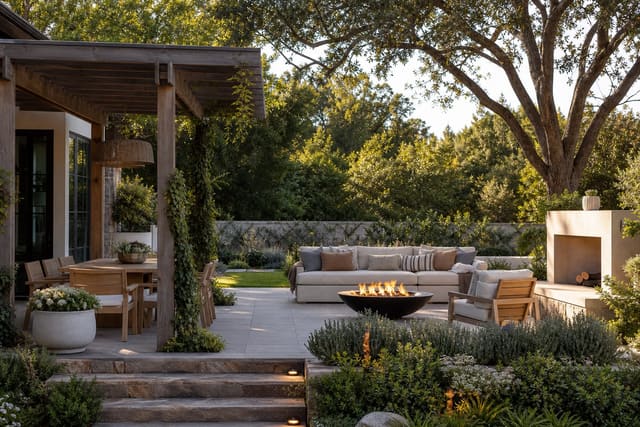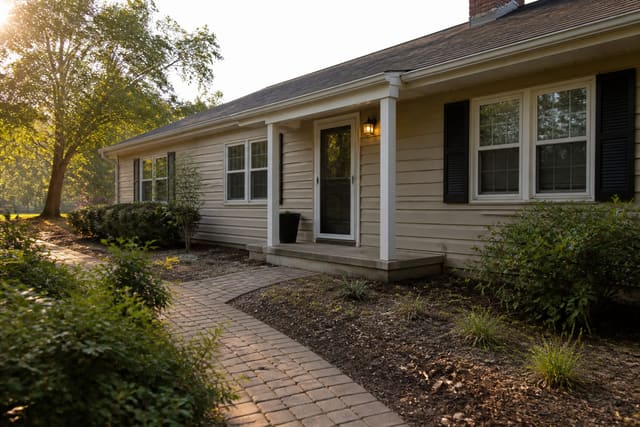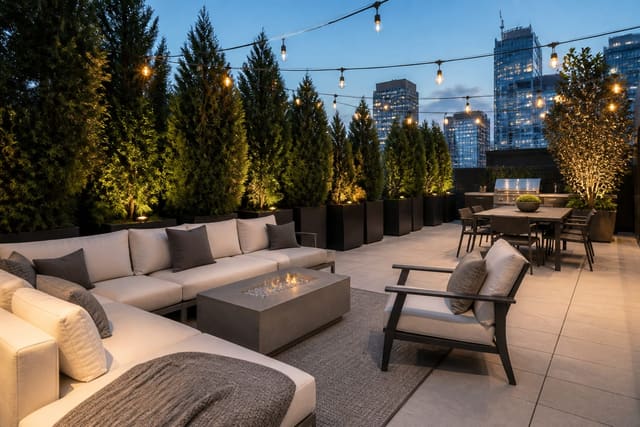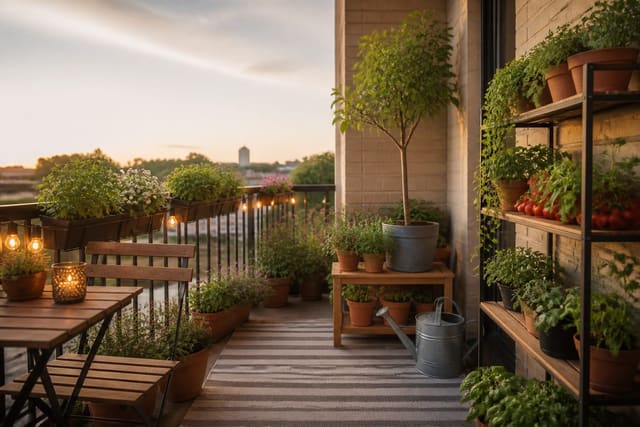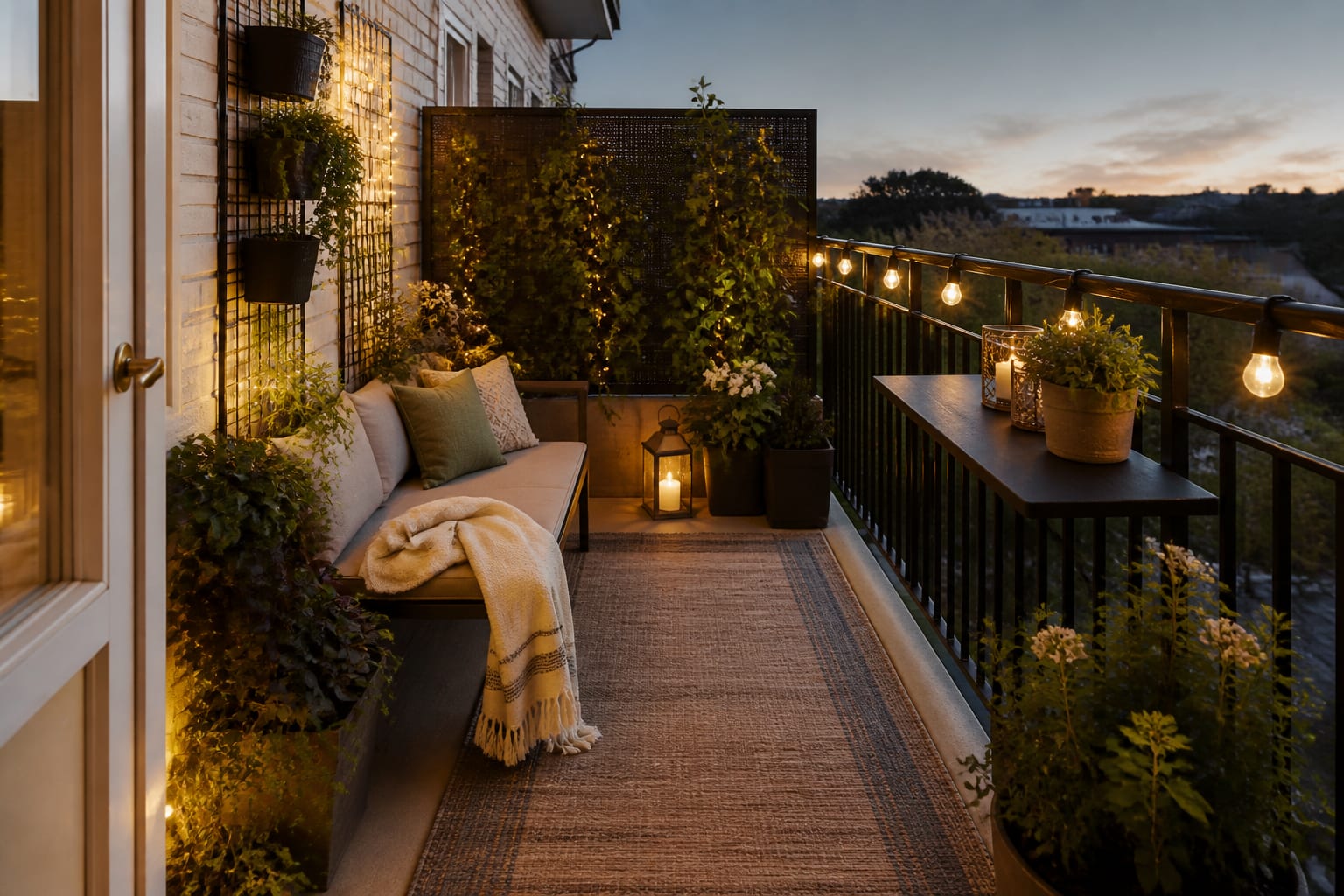
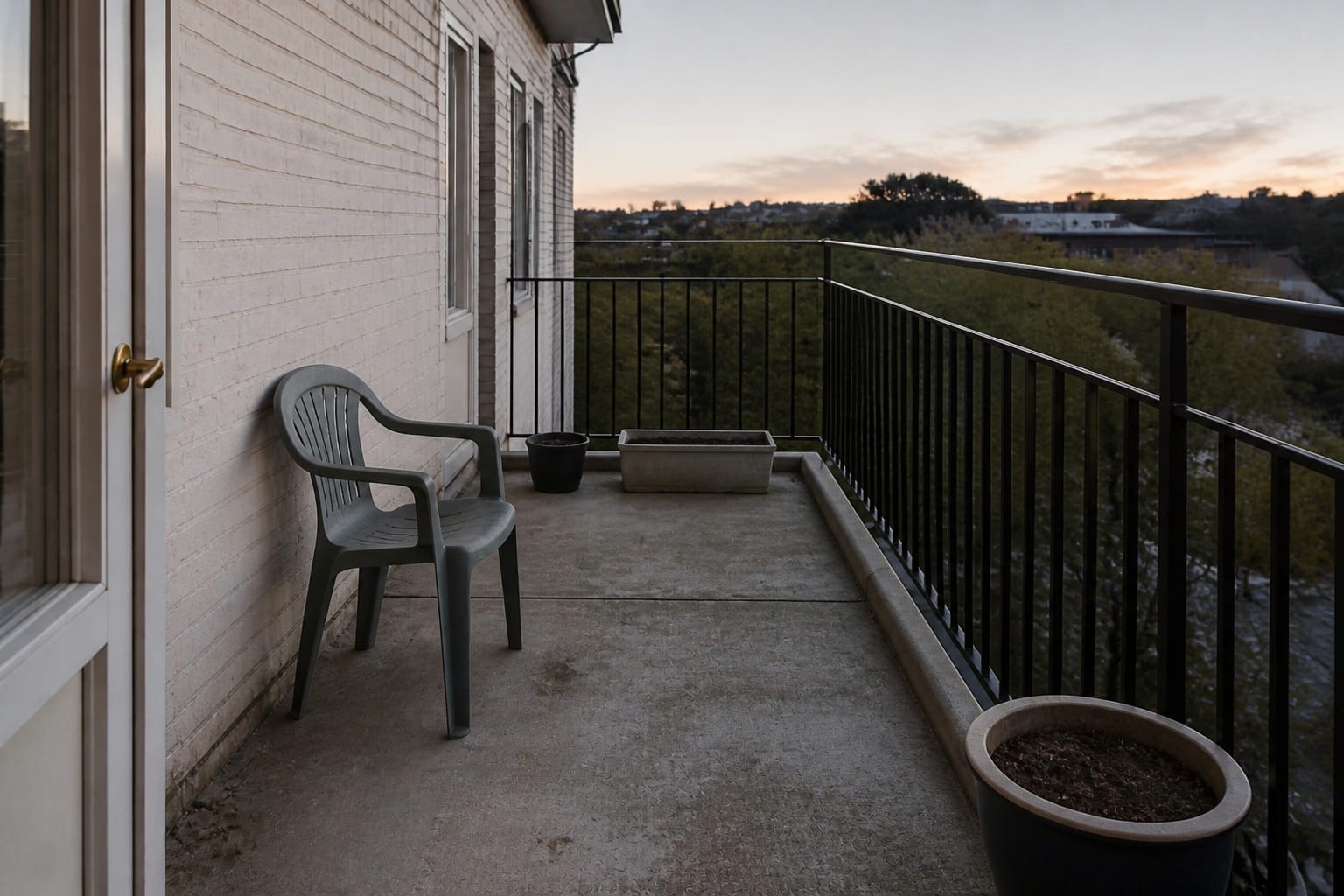
An AI balcony design app redesigns an apartment balcony from a single photo, showing layout, furniture depth, plants, privacy, and lighting before you buy anything. A balcony isn't a storage ledge with a chair on it—it's a narrow outdoor room that has to earn every inch, balancing seating, sun, wind, and rental rules without turning the space into a squeeze.
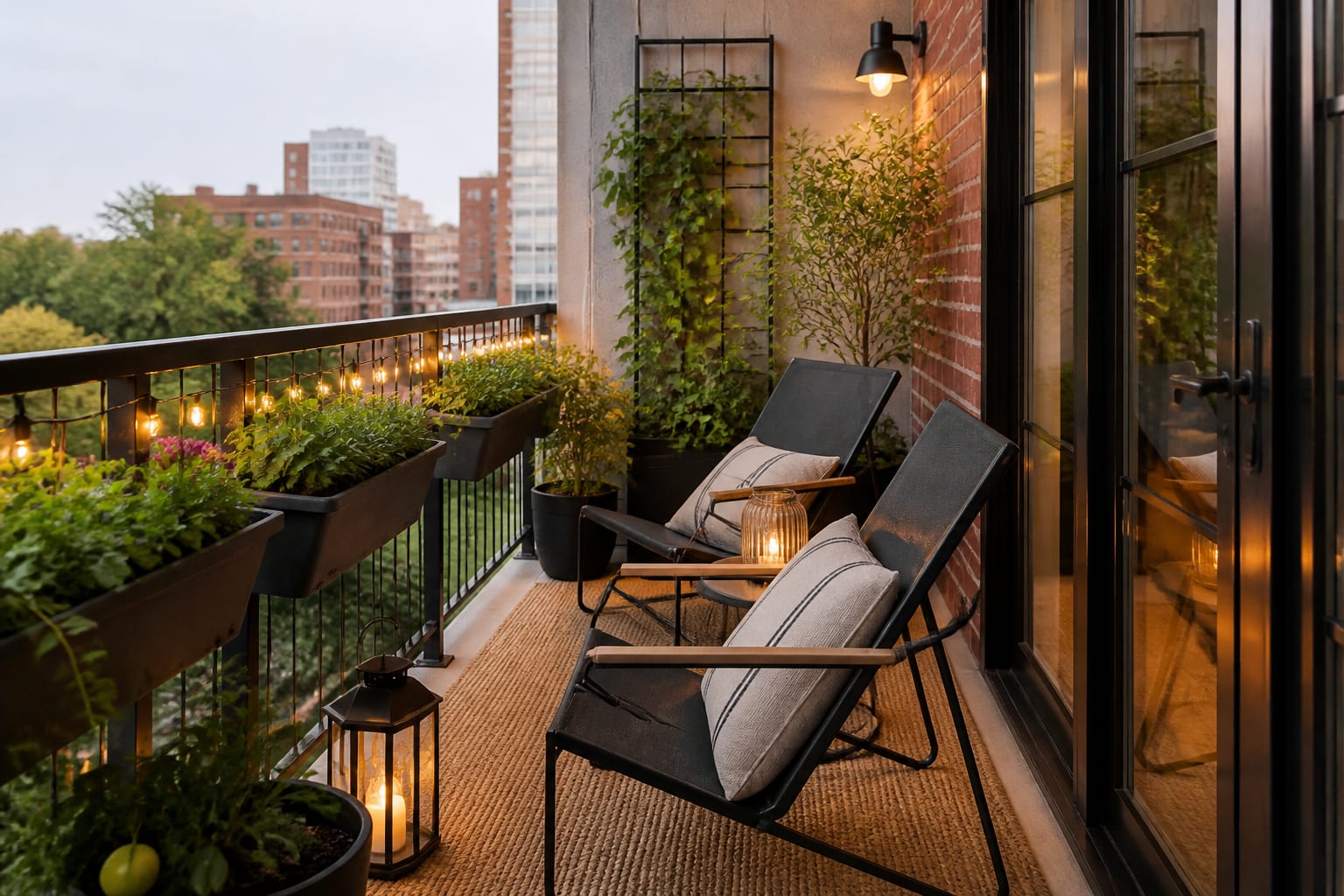
What makes a balcony feel like a real outdoor room?
A balcony feels intentional when it has one clear job, a protected path, and a defined boundary. Most fail because they try to be a dining room, garden, lounge, drying rack, and bike bay at once. Pick the primary use first: morning coffee, dinner for two, plant growing, reading, or a quick work break.
Depth decides the plan. Under 48 inches deep, go with a folding bistro chair, narrow bench, or rail-mounted table instead of a full lounge setup. At 60 to 72 inches, two compact chairs, a 24 to 30 inch round table, or a slim storage bench become realistic. On an 8 to 10 foot long balcony, use the length for zones—one seating end, one planting end, a clear path between.
The floor matters too. A weather-safe rug or deck tile can define the room, but it must drain and dry. If the balcony connects visually to the building's exterior, borrow restraint from AI exterior house design: let the railing color, siding, and window frames shape the palette instead of ignoring them.
Which balcony changes should you preview first?
Start with moves that change function, not cushion color. A pretty render with the wrong furniture depth is still a bad balcony.
- Pick one seating posture. Lounge, dining, and upright cafe seating need different depths; keep chairs around 18 to 24 inches deep, or use a wall-hugging bench so knees clear the railing.
- Test a rail or wall table first. A freestanding table can steal the floor area your feet need; a 12 to 16 inch rail table holds coffee or a laptop while keeping the center clear.
- Use privacy as a vertical layer. Reed panels, weather-safe fabric, or trellis planters soften neighbor views without eating floor space—confirm height limits and secure them against wind.
- Group plants by height and pot size. A few 12 to 16 inch containers or one vertical shelf beat scattered tiny pots; match plant choice to actual sun exposure.
- Preview evening lighting. Clip lights, solar lanterns, or outdoor-rated strands at warm tones near 2700K make the space usable at night without glare into a neighbor's window.
If plants are the main goal, cross-check your preview against grounded balcony garden ideas for pot depth, wind, drainage, and railing safety.
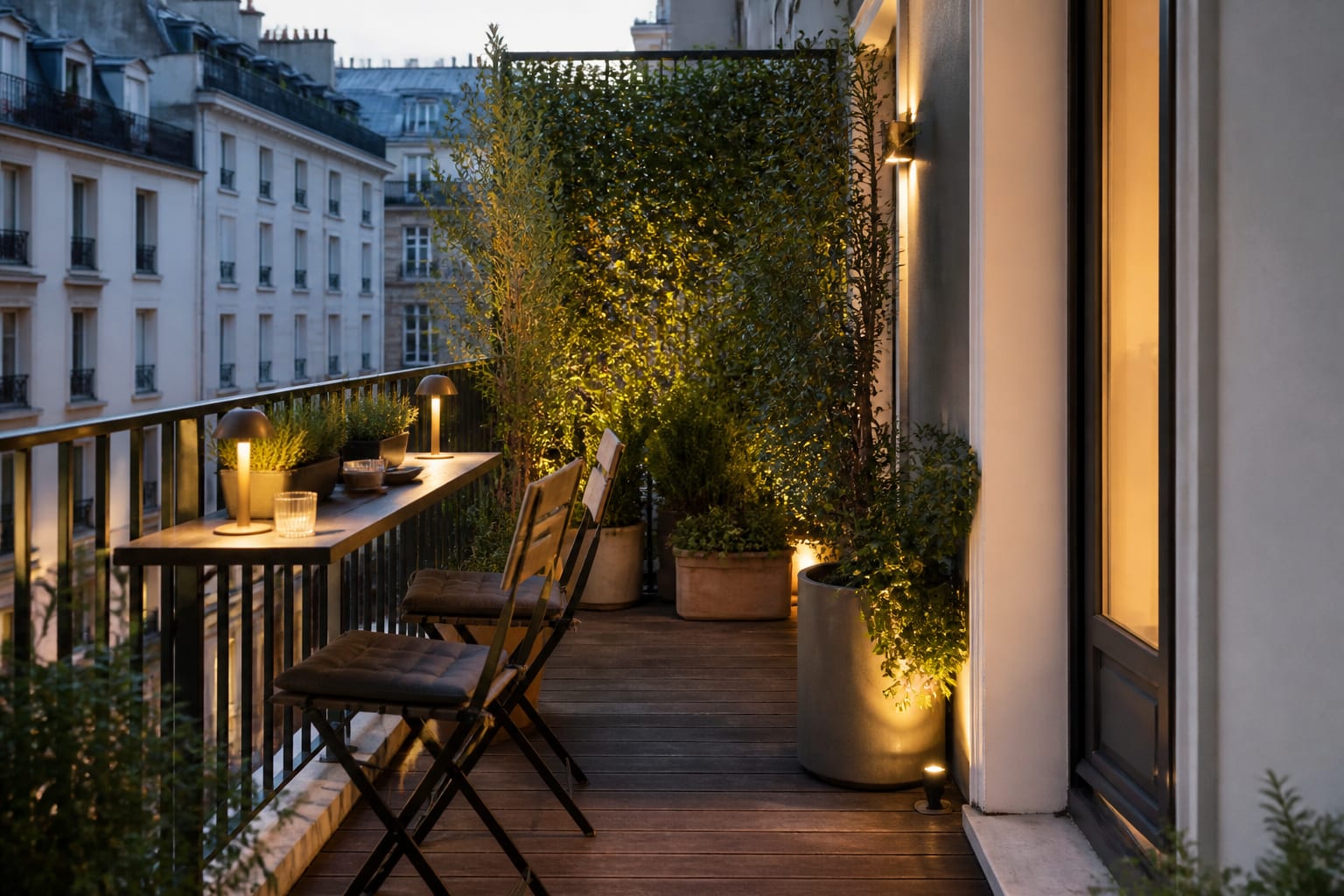
How do you use AI design to preview your balcony?
Upload a straight daylight photo showing the door, railing, floor, side walls, existing furniture, and the corner you'd normally crop out. The unflattering details—the AC unit, drain, exposed neighbor view, weak flooring, awkward door swing—are usually the real design brief.
Ask for controlled variations rather than one dramatic transformation: a cafe setup with a rail table, a reading bench with storage, a plant-forward layout with vertical shelves. Keep the camera angle, railing, and door position identical across versions so the comparison is honest.
Then read the image like a designer. Does the door still open fully? Can someone stand and turn without shifting a planter? Does the table leave knee room? Will watering create a puddle at the threshold? On exposed balconies, does the plan use weighted bases and lower profiles instead of flimsy tall pieces?
Balconies on upper floors share logic with terraces around wind, shade, and furniture weight. For larger outdoor areas, borrow scale checks from AI roof terrace design principles rather than treating a balcony preview like a full patio plan.
What are the most common balcony makeover mistakes?
Most mistakes come from buying cute outdoor pieces before the floor plan has been forced to behave. A balcony punishes optimism fast—there's nowhere for the wrong item to hide.
- Oversized furniture turns the balcony into a display instead of a place to sit; one excellent chair and a rail table beat two bulky chairs nobody can reach.
- Ignoring the door swing creates daily annoyance; mark the full arc and keep furniture, planters, and rugs out of it.
- Decorative-only privacy screens fail against wind and lease rules; use secured, weather-rated materials and confirm the building allows anything attached to the railing.
- Buying plants by mood ignores sun and wind; a shaded north-facing balcony needs different plants than a hot west-facing one, and containers dry out faster on upper floors.
- Copying an AI floor finish that can't drain risks stains and mildew; deck tiles, rugs, and mats should lift, dry, or clean easily.
On rental balconies, lean on freestanding benches, weighted planters, removable privacy panels, and plug-in or solar lighting before requesting drilling or mounted fixtures. Owners can go further, but railings, waterproofing, and load questions still need real verification, not just a generated image.
How do you turn the preview into a real purchase plan?
Stand on the balcony with the preview open and translate it into measurements. Record total width, usable depth, door swing, railing height, outlet location, threshold height, planter diameter, and chair and table depth. Painter's tape works outdoors too—mark chair legs, table edges, and bench footprints before ordering anything.
Check comfort at the time you'll actually use the space. A west-facing balcony may need shade more than cushions; a windy high-floor balcony may need low, heavy planters instead of tall leafy pieces; a balcony above a busy street may need plants and soft textiles to offset the feeling of exposure.
The best balcony makeover isn't the most dramatic image—it's the version that keeps the slab recognizable while giving it a job, a clear path, a place to sit, some privacy, and lighting that makes you want to open the door.
Frequently Asked Questions
Can an AI balcony design app work with a small or oddly shaped balcony?
Yes. Upload a straight daylight photo showing the full width, door swing, and any awkward corners, and ask for versions built around your actual depth—under 48 inches favors a rail table and folding chair rather than a full lounge set.
How do I know if furniture will actually fit after seeing the AI preview?
Measure the balcony's width, depth, and door swing, then compare those numbers against the product's listed dimensions. Use painter's tape to mark chair and table footprints on the actual floor before ordering, since a preview shows style but not guaranteed clearance.
What lighting works best for a small apartment balcony?
Warm, low-glare fixtures around 2700K work best, including clip lights, solar lanterns, or outdoor-rated plug-in strands where permitted. Avoid bright overhead options that spill into neighboring units, and keep fixtures out of the door's swing path.
Do I need permission to add plants or screens to a rental balcony?
Usually yes for anything attached to the railing or structure. Favor freestanding solutions—weighted planters, removable privacy panels, and folding furniture—and confirm your lease's rules on drilling, permanent decking, or mounted fixtures before buying.
How is designing a balcony different from designing a terrace or patio?
Balconies are narrower and more constrained by door swing, railing height, and weight limits, so every piece has to multitask. Terraces and larger patios have more room for zoning and heavier furniture, closer to the scale checks used for roof terrace design.