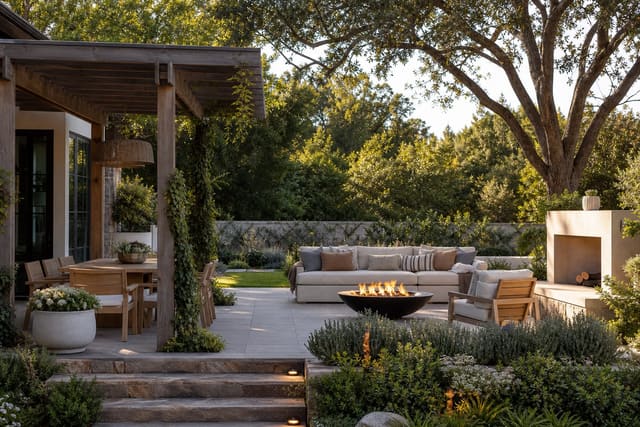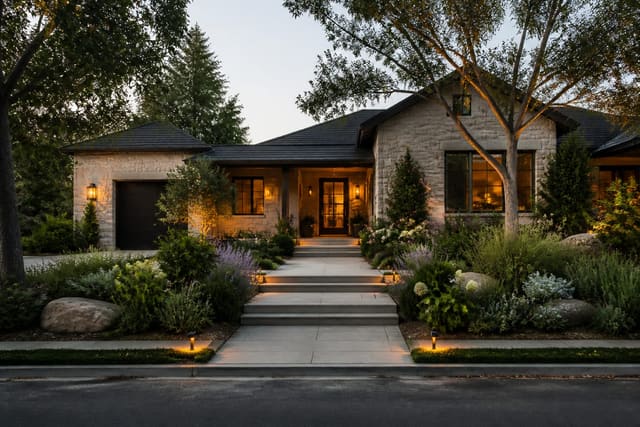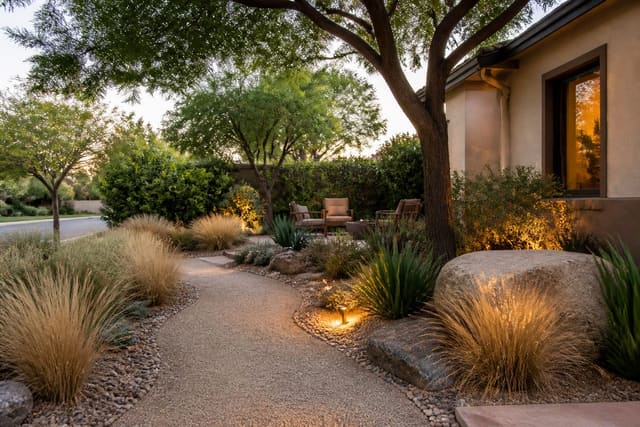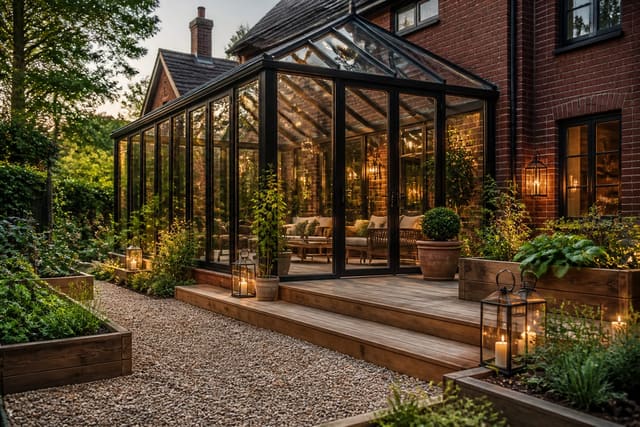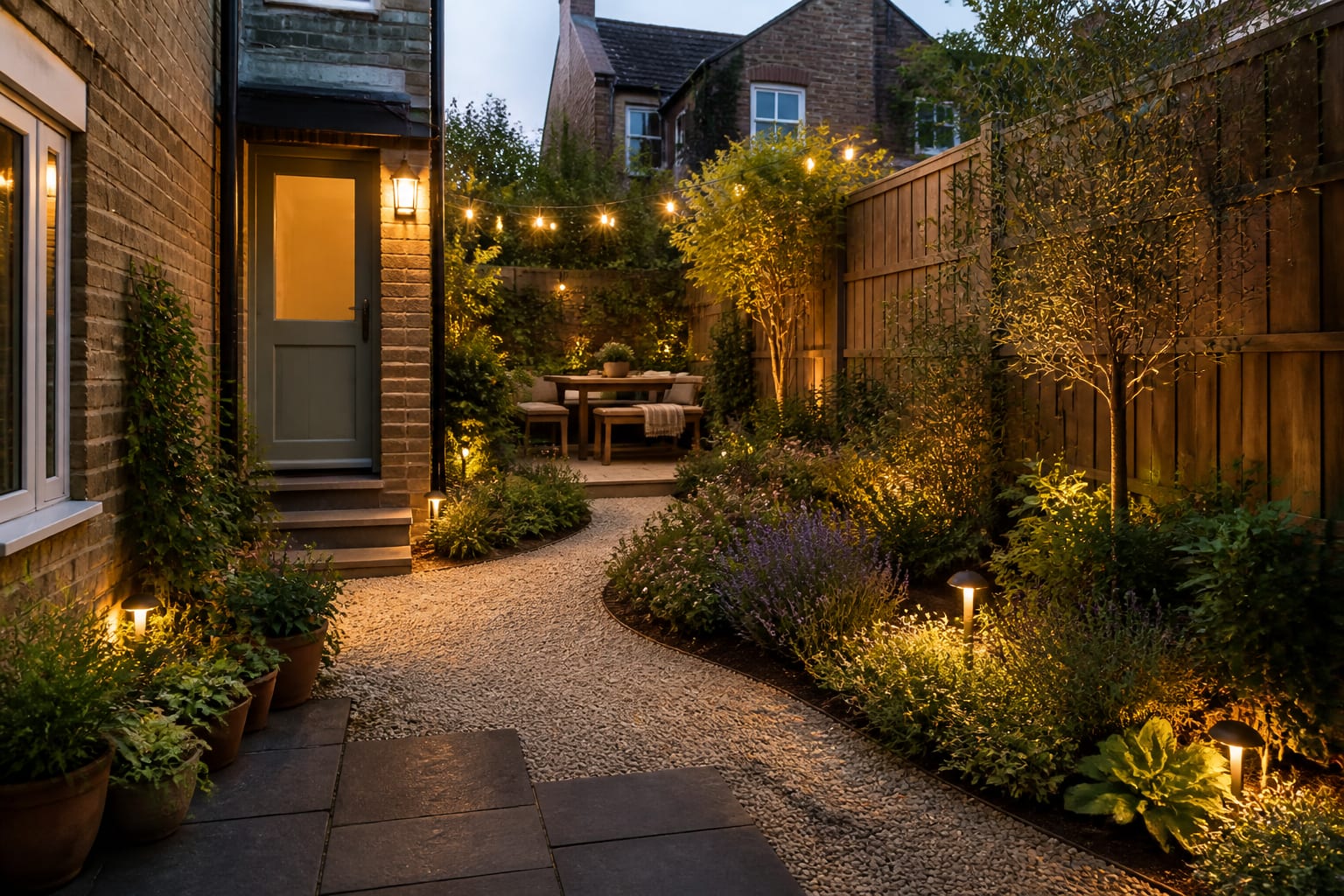
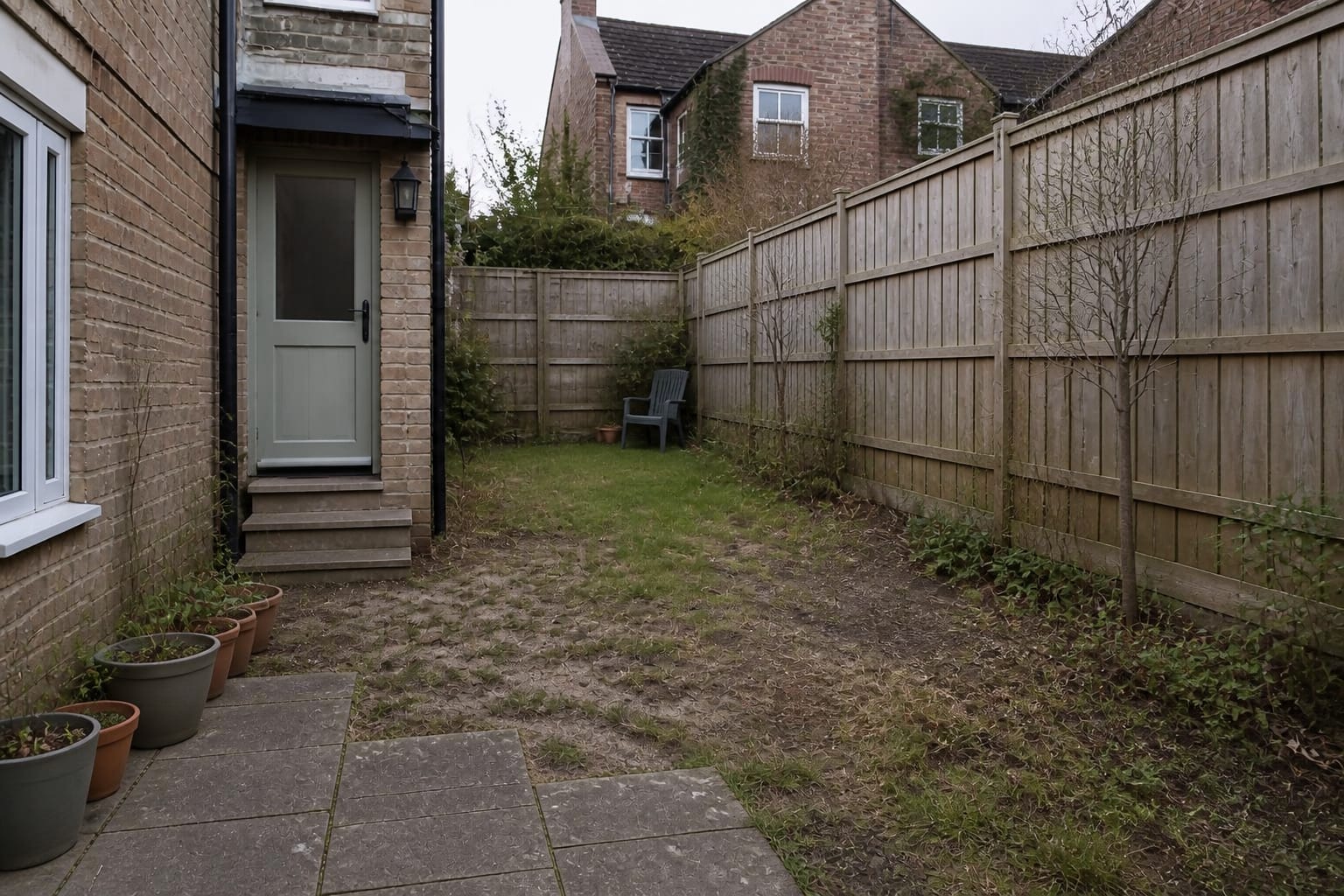
Yes, an AI garden design app can redesign a garden from a single photo, previewing bed shapes, planting layers, paths, seating, and lighting before you buy anything. Treat the result as a layout sketch, not a final plan — confirm sun exposure, soil, and mature plant sizes before purchasing, so the preview guides decisions instead of replacing them.
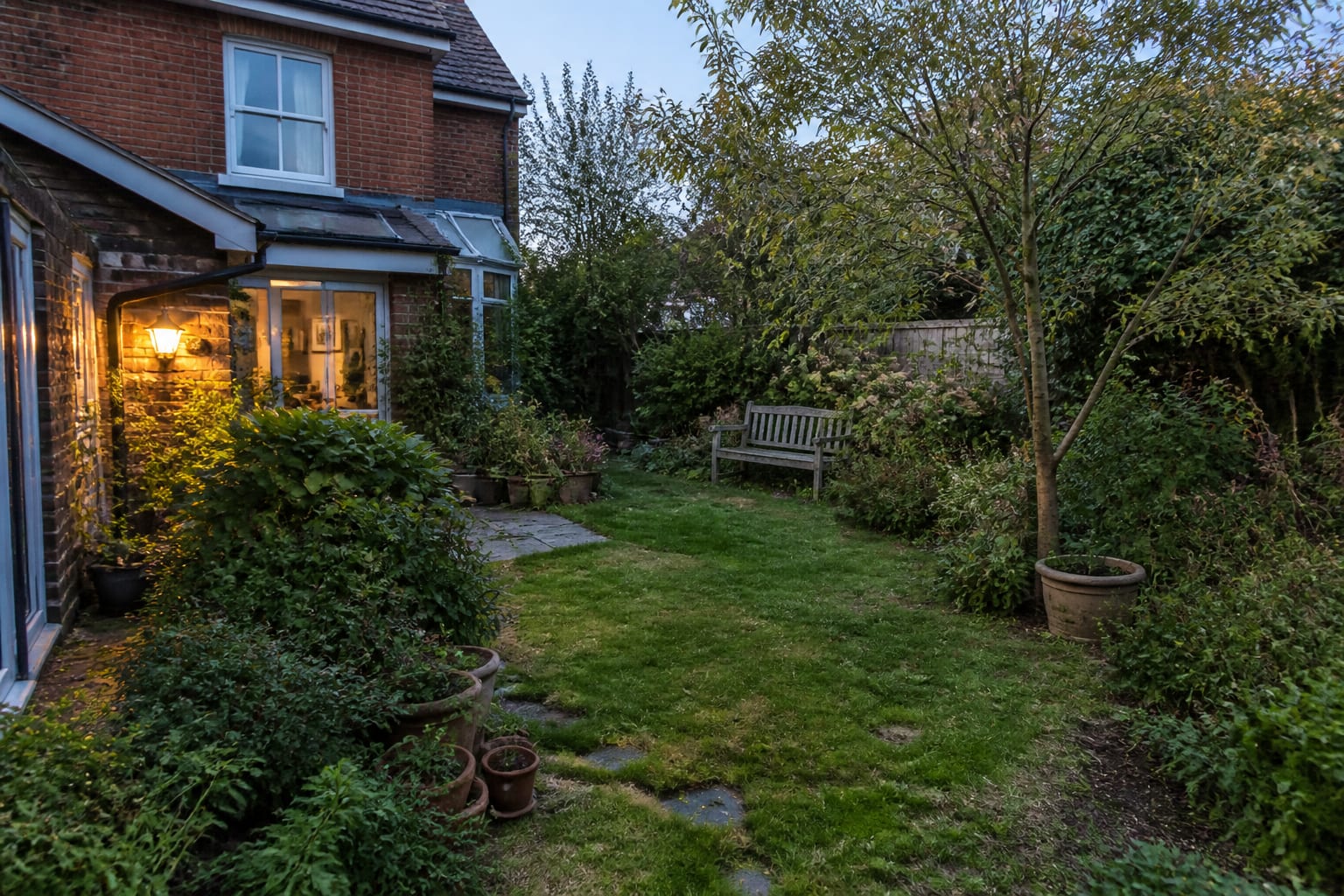
Can AI design a garden from a photo?
AI can redesign a garden from a photo when the image clearly shows existing beds, boundaries, the house wall, paths, trees, and slope. It excels at comparison: a cottage border versus a modern scheme, a gravel seating circle versus more lawn, or moving tall grasses from the door to the fence line. Cover at least 6' by 8' of space, show the grade, and note wall height (12"-24") and sun hours (6+ for vegetables, 3-5 for shade perennials).
A photo can't prove the back corner gets six hours of sun, that soil drains poorly, or that a 2-gallon shrub will reach 6' wide. For front-yard work, see this AI front yard landscaping design guide so planting supports the house.
Think before-and-after: the before photo shows the weak point (thin border, empty lawn, no destination); the after preview should answer what structure makes the space easier to read from the door or window you use most.
What makes a garden look planned instead of planted?
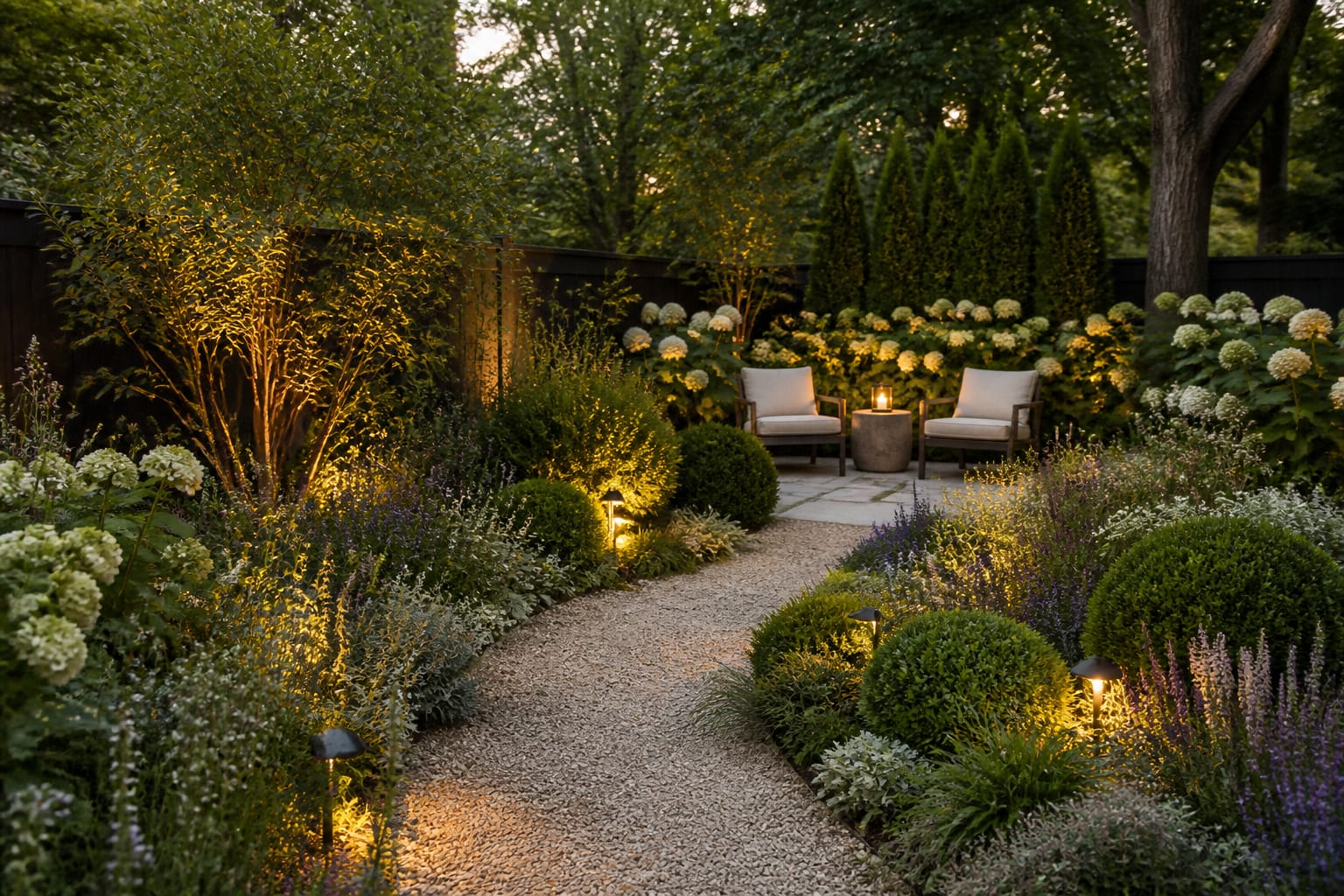
A planned garden has bones before flowers: a bed edge with purpose, a path wide enough to use, seating with a view, and heights that step up gradually. An 18" bed against a fence rarely holds enough depth — 4' is a better minimum, and 6'-8' allows a low front, full middle, and taller back.
| Path type | Recommended width | Notes |
|---|---|---|
| Main garden path | 36"-48" | Needed if two people pass or you carry tools |
| Side access path | 24"+ | Narrower feels like squeezing through plants |
Match planting to scale: low edging near paving, medium shrubs (24"-36") for fullness without blocking views, taller pieces for privacy. One pot beside a blank fence won't fix it — repeated 30"-48" planters or a trellis will.
Which garden changes should you preview before buying plants?
Start with layout, not species. A preview swapping lavender for salvia is less useful than one showing whether the bed should be deeper or the path moved 18" from the fence.
- Bed shape first — mark a 4'-6' bed with a hose and compare straight, curved, and island versions before digging.
- Path width and material — aim for a 36" main route so guests aren't brushing through wet foliage.
- Seating location before furniture — leave 30" behind dining chairs and face a view, not storage.
- Privacy height — check a shrub's or tree's mature height; a 12" nursery plant won't screen a window.
- Night lighting — warm 2700K path or step lights define movement without a parking-lot feel.
- Water-wise planting — see this drought-tolerant garden design plan so the preview stays realistic.
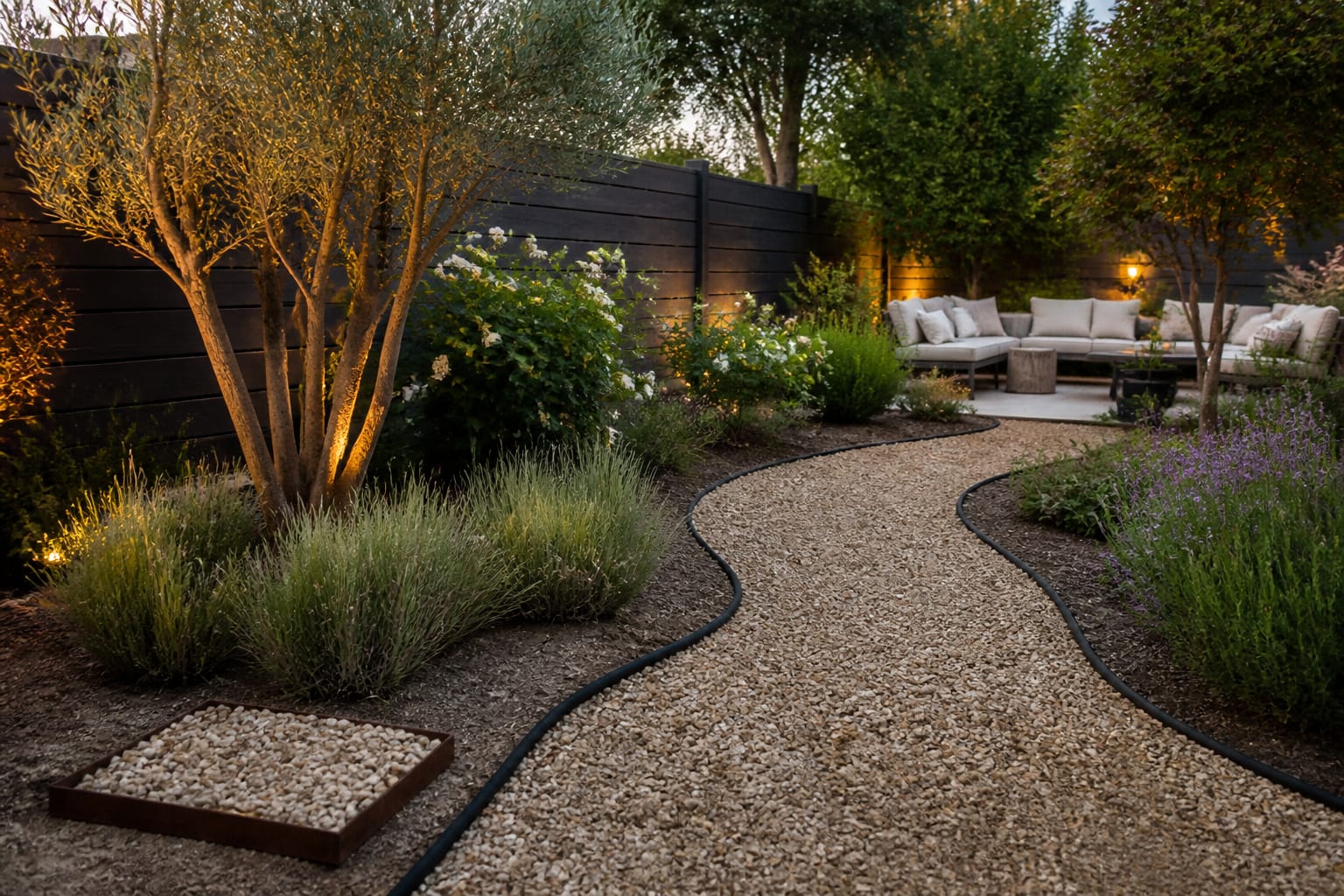
How should you use AI to preview a garden before committing?
Upload a daylight photo from the viewpoint you use most — back door, patio, or window. Keep the fence, trees, slope, and awkward corner in frame; cropping out the ugly part just solves the wrong garden.
Run three versions: one keeping more lawn with deeper borders, one trading lawn for gravel and larger beds, one building a garden-room layout with a bench or 42" bistro table. Keep the camera angle consistent so differences read clearly.
Once you pick a favorite, verify it: bed depth, path width, plant mature size, sun hours, irrigation, mulch color, furniture footprint, and light temperature. For a garden with a greenhouse or garden room, check mood first with this AI greenhouse garden room design preview.
What garden redesign mistakes should you avoid?
Shopping before the layout is settled is the most common mistake — plants can't fix a path that's too narrow or a bed with no depth.
Buying for instant fullness backfires once shrubs hit mature size; check the tag for mature spread and fill gaps with annuals instead.
Copying a lush AI preview without checking exposure fails in shade, reflected heat, or clay soil — match sun, drainage, and hardiness to the real spot.
Scattering single plants across mulch reads as leftovers; repeat plants in groups of three or five, or use a drift in long beds.
Ignoring maintenance creates regret — fast hedges near a window or gravel where leaves pile up look fine in a preview and annoying by week two.
Before buying, walk the preview: trace the path, mark the bed edge, set a chair where seating is planned. The best AI garden design still makes sense once your shoes are dirty.
Frequently Asked Questions
Can an AI app really design my whole garden from one photo?
An AI app can generate strong layout and planting previews from one clear photo, but it works best as a starting sketch. It cannot verify sun exposure, soil drainage, or local rules, so confirm those details before buying plants, paving, or furniture based on the image alone.
How wide should a garden path be?
A main garden path should be 36" to 48" wide so two people can pass or you can carry tools and trays comfortably. Side access paths can go narrower, but anything under 24" feels cramped and forces you to brush through plants.
How deep should a planting bed be for layered planting?
Aim for at least 4' of bed depth for basic layering, and 6' to 8' if you want a low front, full middle, and taller back row. Beds under 3' rarely hold enough room for more than one row of plants.
Does an AI garden preview account for plant maintenance?
No — a preview shows the finished look, not upkeep. Confirm mature height and spread, watering needs, pruning schedule, and whether a plant sheds, spreads, or needs winter protection before adding it to your real garden plan.
What's the best way to photograph my garden for an AI redesign?
Shoot in daylight from the viewpoint you use most, such as the patio door or kitchen window, and keep the whole problem area in frame, including fences, slopes, and awkward corners. Avoid cropping out the parts you dislike, since that limits what the AI can actually solve.